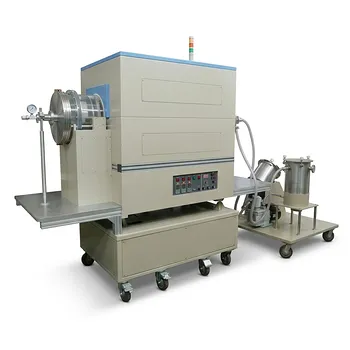
How does a continuous tube reactor achieve precise control during the synthesis of Mo2C catalysts? Master Thermal Control
Updated 3 months ago
Precise control in a continuous tube reactor is achieved through the integration of programmed temperature ramping and a strictly regulated gaseous atmosphere. By manipulating the flow rates of hydrogen (H2) and methane (CH4) while following specific thermal stages, the reactor allows for the gradual incorporation of carbon atoms into the molybdenum crystal lattice, ensuring the formation of the highly active beta-Mo2C phase.
The central takeaway is that the tube reactor acts as a controlled microenvironment where synchronized thermal and atmospheric parameters prevent surface carbon buildup while directing the precise phase transformation of molybdenum precursors into high-surface-area catalysts.
Precision Thermal Management
Programmed Temperature Ramping
The reactor utilizes staged temperature controls to manage the kinetic energy of the reaction. For example, ramping from 300°C to 500°C allows carbon atoms to migrate slowly and uniformly into the molybdenum lattice.
Lattice Incorporation
This gradual heating is essential for the transition from precursors like amine molybdenum oxide to the beta-Mo2C crystal phase. Rapid, uncontrolled heating could bypass intermediate stages, leading to structural defects or incorrect phases.
Thermal Uniformity
The sealed, high-temperature resistant tubing creates a stable thermal zone. This ensures that the entire batch of precursor material experiences identical conditions, resulting in high-uniformity catalysts or nanosheets.
Atmospheric and Flow Regulation
Methane-Hydrogen Balance
The ratio of CH4 to H2 carrier gases is meticulously adjusted to regulate the "carbon potential" of the atmosphere. This prevents surface carbon deposition, which would otherwise block active sites and reduce the catalyst's specific surface area.
Oxygen Exclusion
A primary function of the tube reactor is the strict isolation of oxygen. By maintaining a continuous flow of reactive or inert gases (like Argon), the system prevents the molybdenum source from re-oxidizing at high temperatures.
Flow Rate Dynamics
Precision flow control systems maintain a constant methane flow rate. This stability is critical for adjusting the thickness, size, and morphology of the Mo2C, particularly when synthesizing large-area thin-layer structures like MXenes.
Understanding the Trade-offs
Carbonization Depth vs. Surface Area
Increasing the temperature or methane concentration accelerates carbonization but carries the risk of coking. Excessive carbon on the surface can smother the catalyst, drastically reducing its effectiveness despite having the correct internal crystal phase.
Temperature vs. Phase Stability
While higher temperatures (up to 1000°C) can ensure complete carbonization, they may lead to sintering. Sintering causes particles to fuse, which lowers the overall active surface area and degrades the catalyst's performance in practical applications.
Atmospheric Sensitivity
The precision of the process is entirely dependent on the integrity of the seals. Even a minor leak introducing ambient oxygen can lead to the formation of molybdenum oxides instead of carbides, ruining the catalytic activity of the batch.
How to Apply This to Your Synthesis Goal
The strategy for operating a continuous tube reactor depends heavily on the desired physical properties of the final molybdenum carbide product.
- If your primary focus is Phase Purity (beta-Mo2C): Prioritize programmed, slow temperature ramping (e.g., 300°C to 500°C) to allow for orderly carbon migration into the lattice.
- If your primary focus is High Surface Area: Maintain a high H2/CH4 ratio to suppress surface carbon deposition and prevent the "masking" of active catalytic sites.
- If your primary focus is Morphology (Nanosheets/MXenes): Use a precision flow control system to strictly regulate carrier gas ratios and maintain a stable, oxygen-free microenvironment at higher temperatures.
By mastering the synergy between thermal stages and gas flow, you can transform molybdenum precursors into highly specific, high-performance carbide catalysts.
Summary Table:
| Control Factor | Mechanism | Benefit to Mo2C Synthesis |
|---|---|---|
| Temperature Ramping | Programmed stages (300°C–500°C) | Ensures orderly lattice incorporation of carbon |
| Atmosphere (H2/CH4) | Balanced gas ratios | Prevents surface coking and keeps active sites open |
| Oxygen Exclusion | Inert gas flow & sealed tubing | Prevents re-oxidation of molybdenum precursors |
| Flow Dynamics | Constant methane flow rate | Regulates morphology for nanosheets and MXenes |
Elevate Your Material Synthesis with THERMUNITS
Achieving the precise thermal stages and atmospheric integrity required for high-performance molybdenum carbide (Mo2C) catalysts demands professional-grade equipment. THERMUNITS is a leading manufacturer of high-temperature laboratory equipment specifically designed for material science and industrial R&D.
Our specialized solutions help you master the synthesis of catalysts and MXenes:
- Advanced Tube Furnaces & CVD/PECVD Systems: Equipped with precision gas flow and thermal ramping controls.
- Comprehensive Thermal Solutions: Including Muffle, Vacuum, Atmosphere, Rotary, and Hot Press furnaces.
- R&D Excellence: Tailored for synthesizing high-purity phases and high-surface-area materials.
Ready to enhance your lab's efficiency and achieve superior heat treatment results?
Contact THERMUNITS Today to discuss your custom thermal processing needs!
References
- Hao Wang, Yongming Luo. The Influence of Sulfurization and Carbonization on Mo-Based Catalysts for CH3SH Synthesis. DOI: 10.3390/catal14030190
Mentioned Products
- 1500C 3-Zone Rotary Tube Furnace 60mm with Automatic Powder Feeding and Receiving System for Continuous Material Synthesis
- Continuous Feeding Rotary Tube Furnace for Industrial Powder Heat Treatment and Material Research
- Multi Heating Zones CVD Tube Furnace System for Precision Chemical Vapor Deposition and Advanced Material Synthesis
- 5 Inch Two Zone Rotary Tube Furnace 1100C for Powder CVD and Material Synthesis
- 4 Inch Two Zone Rotary CVD Tube Furnace for High Temperature Battery Material Synthesis and Advanced Material Calcination
People Also Ask
- How does a rotary tube furnace improve the processing of granular materials? Enhance Uniformity and Reaction Kinetics
- In what ways do rotary tube furnaces enhance chemical and specialty mineral processing? Drive Precision and Uniformity.
- Why use a rotary tube furnace for FACS carbonization? Ensure uniform morphology and prevent sphere agglomeration.
- Why is the precise optimization of residence time essential in the catalyst calcination process? Maximize Your Yields.
- What are the typical operating temperature ranges and mechanical specifications for rotary furnaces? A Complete Guide

Tech Team · ThermUnits
Last updated on Jun 03, 2026
Related Products
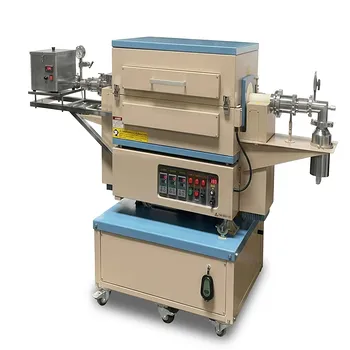
1500C 3-Zone Rotary Tube Furnace 60mm with Automatic Powder Feeding and Receiving System for Continuous Material Synthesis
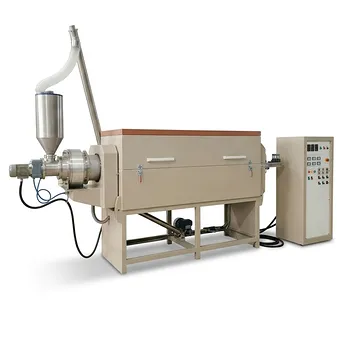
Continuous Feeding Rotary Tube Furnace for Industrial Powder Heat Treatment and Material Research
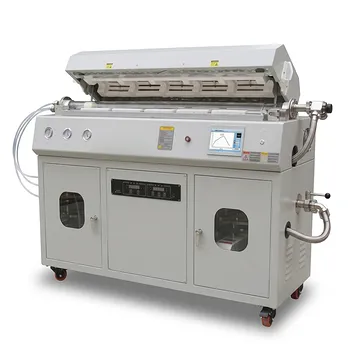
Multi Heating Zones CVD Tube Furnace System for Precision Chemical Vapor Deposition and Advanced Material Synthesis
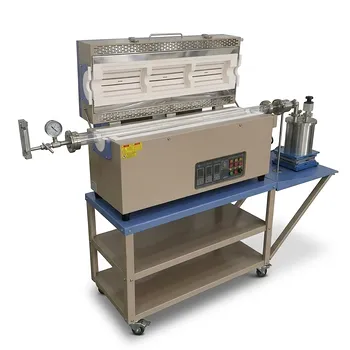
5 Inch Two Zone Rotary Tube Furnace 1100C for Powder CVD and Material Synthesis
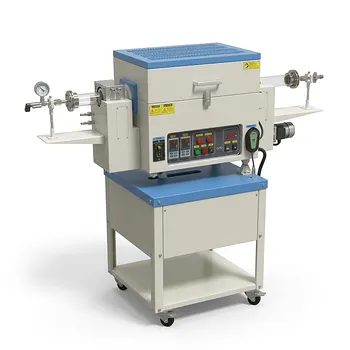
4 Inch Two Zone Rotary CVD Tube Furnace for High Temperature Battery Material Synthesis and Advanced Material Calcination
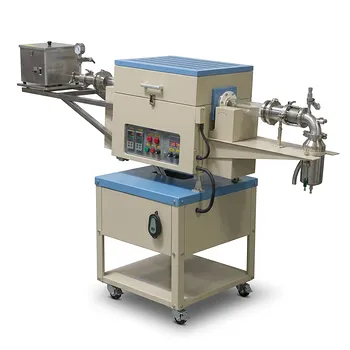
Two Zone Rotary CVD Furnace with Automatic Feeding and Receiving System for Powder Processing
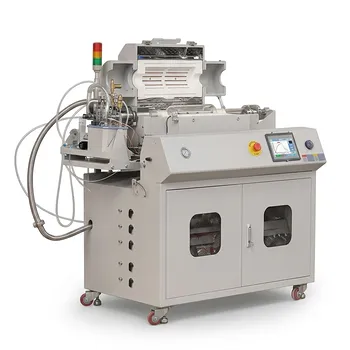
Versatile Chemical Vapor Deposition Tube Furnace System for Advanced Material Research and Industrial Coating Processes
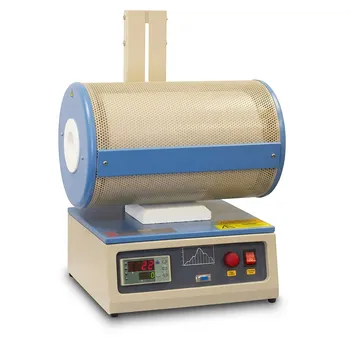
Multi Position Tube Furnace 1100C for Laboratory Material Research and Advanced Industrial Thermal Processing
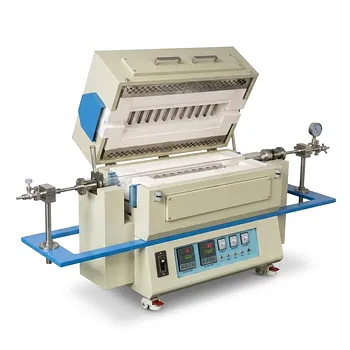
High Temperature Dual Zone Rotating Tube Furnace 1500C Silicon Carbide Heating for Advanced Material Synthesis
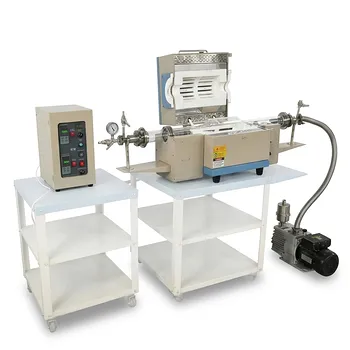
Two Zone Rotary Tube Furnace for Powder CVD Coating and Core Shell Material Synthesis 1100C
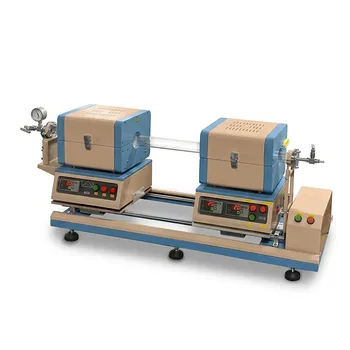
High Temperature 1200C Automatic Sliding Dual Zone Tube Furnace for 2D Transition Metal Dichalcogenides Growth and Material Sublimation Research
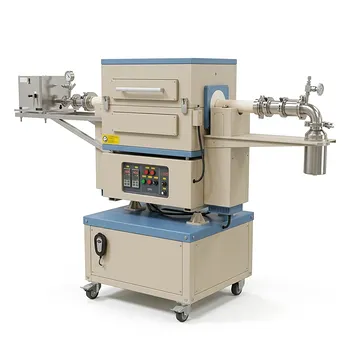
1500C Max Dual Zone Rotary Tube Furnace with 60 mm OD Alumina Tube for High Temperature Material Synthesis
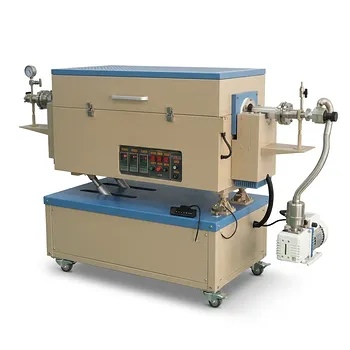
Three Zone Rotary Tube Furnace for High Temperature Powder Processing and Material Research
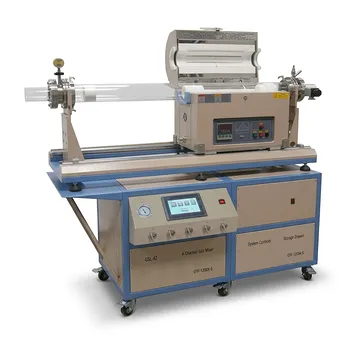
Dual Tube 100mm 80mm CVD Sliding Furnace with 4 Channel Gas Mixing and Vacuum System
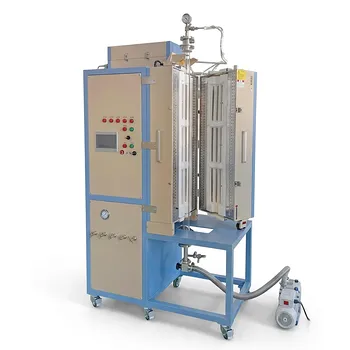
1200C Three Zone Vertical Fixed Fluidized Bed Furnace for Methane Reforming and Fischer Tropsch Reactions
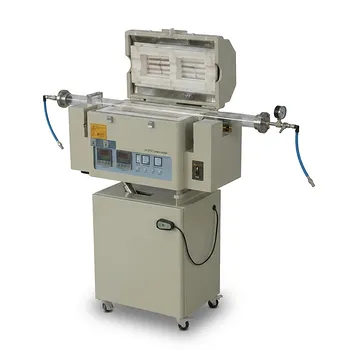
Double Temperature Revolving Tube Furnace with Precision Rotation and Adjustable Inclination for Advanced Material Research
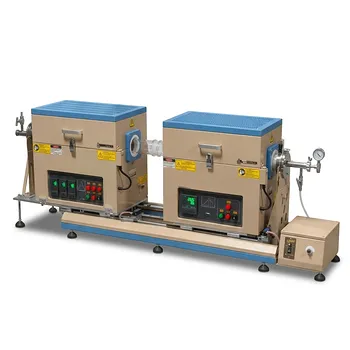
1200C Dual Temperature Zone Slidable Tube Furnace for 2D Material Growth and TCVD Synthesis
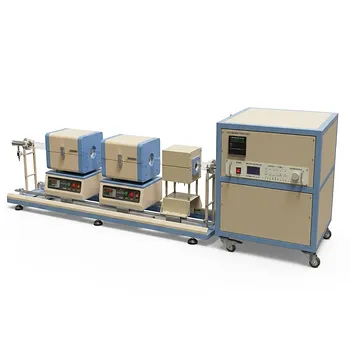
1200C Dual Sliding Tube Furnace with Dual Tubes and Flanges for PECVD Processes
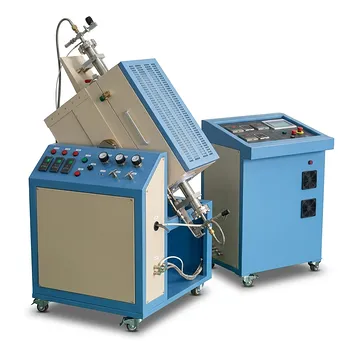
1100C High Pressure Rocking Tube Furnace with 2 Inch Super Alloy Processing Tube for Material Synthesis