Why is a slow heating rate, such as 0.05 °C/min, required for lignin thermal stabilization in a programmable furnace?
Updated 3 months ago
Achieving precise thermal stabilization of lignin requires an extremely slow heating rate, such as 0.05 °C per minute, to prevent the material from melting and losing its shape during the transition. This ultra-low ramp rate ensures that chemical cross-linking occurs faster than physical softening, effectively "locking" the lignin’s structure in place before it reaches temperatures that would otherwise cause it to liquefy.
Core Takeaway: A slow heating rate acts as a kinetic regulator that prioritizes chemical stabilization over physical phase changes. By providing sufficient time for molecular rearrangement, it prevents individual lignin particles from fusing together, thereby preserving the specific geometry of nanospheres or fibers.
Navigating the Glass Transition Region
Preventing Inter-particle Sintering
Lignin is inherently thermoplastic, meaning it softens and flows when heated toward its glass transition temperature (Tg). If the temperature rises too quickly, the particles become sticky and fuse together in a process known as sintering, destroying the individuality of the nanospheres.
Managing Phase Transitions
A rate of 0.05 °C per minute allows the material to pass through the glass transition region with extreme care. This precision, usually managed by high-precision program-controlled furnaces, ensures that the transition from a solid to a rubbery state does not result in a total loss of structural definition.
The Chemistry of Structural Stabilization
Facilitating Molecular Rearrangement
The slow heating process provides lignin's complex molecular chains with the residence time necessary for structural rearrangement. This allows the polymer chains to align in a manner that favors stable chemical bonds.
Enabling Effective Cross-linking
As the temperature climbs slowly, oxidative cross-linking occurs, transforming the lignin from a thermoplastic into a thermoset material. This chemical "curing" must be completed while the particles are still physically distinct to ensure they do not deform or collapse.
Preserving Geometric Integrity
For applications involving lignin nanospheres, maintaining the spherical shape is critical for their eventual function. The 0.05 °C/min rate ensures that the geometric integrity of these nanostructures is maintained throughout the entire carbonization or stabilization cycle.
Understanding the Trade-offs
The Risk of Rapid Temperature Ramps
Increasing the heating rate, even to levels that seem "slow" in other contexts (like 2 °C or 5 °C per minute), can be disastrous for lignin. Rapid heating leads to violent decomposition of volatile components and internal stress, which causes the internal framework to crack or the mesoporous structure to collapse.
Equipment and Time Constraints
The primary downside to this approach is the significant time investment required for a single processing cycle. Utilizing this method requires high-stability furnaces capable of maintaining linear, incremental temperature steps without overshooting the setpoint.
Applying These Principles to Your Project
Recommendations for Material Success
- If your primary focus is morphological precision: Adhere strictly to the 0.05 °C/min rate to ensure nanospheres or fibers retain their exact dimensions without fusion.
- If your primary focus is maximizing surface area: Use a slow ramp to prevent the collapse of internal pores, as rapid heating creates internal pressure that can destroy the delicate mesoporous framework.
- If your primary focus is process throughput: Consider exploring chemical pre-treatments that might increase the cross-linking rate, though these should only be used if they do not compromise the final carbon structure.
The meticulous control of the heating rate is the fundamental difference between producing a high-value structured carbon and a fused, amorphous mass.
Summary Table:
| Key Aspect | Purpose of Slow Heating (0.05 °C/min) | Impact on Material Quality |
|---|---|---|
| Sintering Control | Prevents individual particles from sticking together | Maintains distinct nanospheres and fibers |
| Phase Transition | Carefully navigates the Glass Transition (Tg) region | Prevents melting and total loss of shape |
| Cross-linking | Provides time for oxidative chemical curing | Transforms thermoplastic to stable thermoset |
| Geometric Integrity | Protects delicate internal mesoporous structures | High-value structured carbon with high surface area |
| Thermal Precision | High-stability linear temperature stepping | Avoids internal stress, cracking, and overshooting |
Optimize Your Lignin Carbonization with THERMUNITS Precision
Achieving a consistent 0.05 °C/min heating rate requires exceptional thermal stability and high-accuracy programmable controls. At THERMUNITS, we understand that in material science R&D, the difference between success and failure lies in the precision of your equipment.
As a leading manufacturer of high-temperature laboratory solutions, we offer a comprehensive range of furnaces designed to handle the most delicate thermal processing tasks:
- Precision Control: Our Muffle, Tube, and Atmosphere furnaces provide the granular ramp control necessary to prevent lignin sintering and preserve nanostructures.
- Versatile Solutions: From Vacuum and Rotary furnaces to CVD/PECVD systems and Vacuum Induction Melting (VIM) furnaces, we cover all your heat treatment needs.
- R&D Excellence: We support industrial researchers in developing high-performance carbon materials through reliable thermal technology.
Ready to enhance your lab's capabilities? Contact THERMUNITS today to discuss your specific heating requirements and find the perfect furnace for your material research.
References
- Piotr Łątka, Piotr Kuśtrowski. Spherical Lignin-Derived Activated Carbons for the Adsorption of Phenol from Aqueous Media. DOI: 10.3390/molecules29050960
Mentioned Products
- 1200°C Small Box Furnace 4.2 Liter Programmable Muffle Furnace with High Purity Alumina Insulation and PID Control
- High Temperature 1200C Muffle Furnace 27L Volume 12x12x12 Chamber with Programmable PID Controller for Laboratory Material Science
- High Temperature Horizontal Electrical Assisted Sintering Furnace with 3KW Programmable Power Source for Advanced Ceramic Materials
- High Temperature Compact Muffle Furnace 1700 C with 30 Segment Programmable Controller and 1.7L Cubic Chamber
- Compact 1000C Muffle Furnace with Programmable Controller and 2 Inch Top Port for Vacuum and Atmosphere Material Research
People Also Ask
- Primary Use of a Muffle Furnace in Pyrolysis Analysis? Optimize Proximate Analysis for Better Yields
- Why is the muffle design advantageous for the production of ceramics and glass? Ensure Purity and Structural Integrity
- How is the ash content of polymers and plastics determined using a muffle furnace? Essential Guide for QC & R&D
- What are the benefits of using muffle furnaces in pharmaceutical and biomedical applications? Maximize Purity & Compliance
- Why is a muffle furnace used for a 220°C preliminary baking after coating α-Fe2O3 nanorods with melamine? Explained

Tech Team · ThermUnits
Last updated on Jun 02, 2026
Related Products
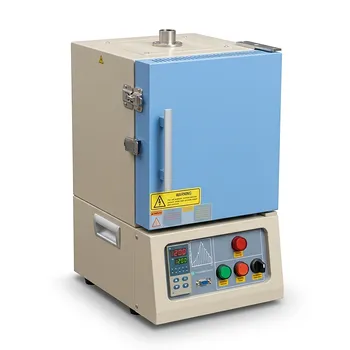
1200°C Small Box Furnace 4.2 Liter Programmable Muffle Furnace with High Purity Alumina Insulation and PID Control
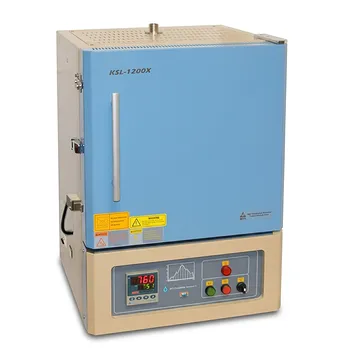
High Temperature 1200C Muffle Furnace 27L Volume 12x12x12 Chamber with Programmable PID Controller for Laboratory Material Science
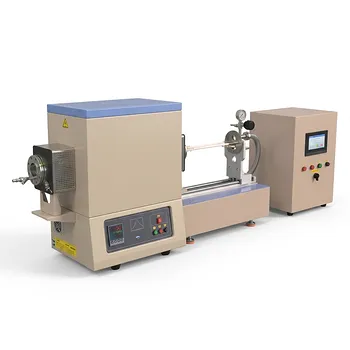
High Temperature Horizontal Electrical Assisted Sintering Furnace with 3KW Programmable Power Source for Advanced Ceramic Materials
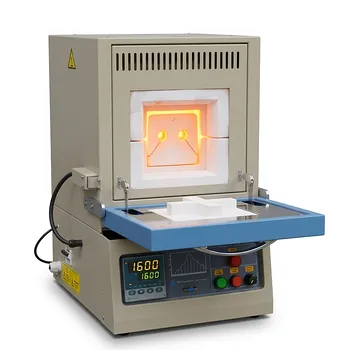
High Temperature Compact Muffle Furnace 1700 C with 30 Segment Programmable Controller and 1.7L Cubic Chamber
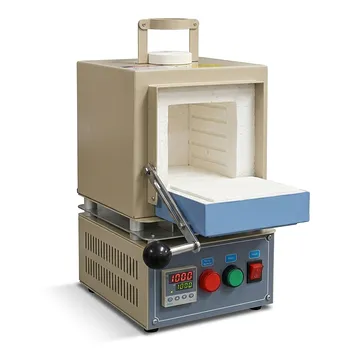
Compact 1000C Muffle Furnace with Programmable Controller and 2 Inch Top Port for Vacuum and Atmosphere Material Research
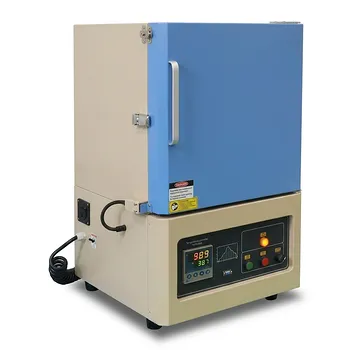
1200°C High Temperature Muffle Furnace 19L Chamber with 50 Segment Programmable Controller
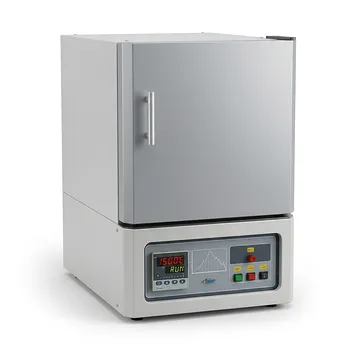
High Temperature 1500C Benchtop Muffle Furnace 3.6L Alumina Fiber Chamber Programmable Controller Sintering Annealing Carbonization Thermal Processing System
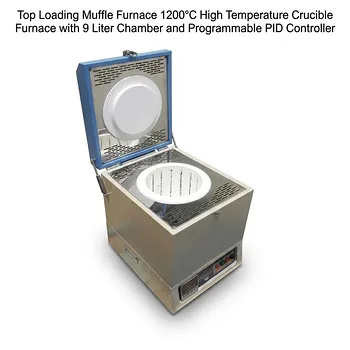
Top Loading Muffle Furnace 1200°C High Temperature Crucible Furnace with 9 Liter Chamber and Programmable PID Controller

High Temperature 1700C Vertical Tube Furnace for Powder Spherification and Material Sintering
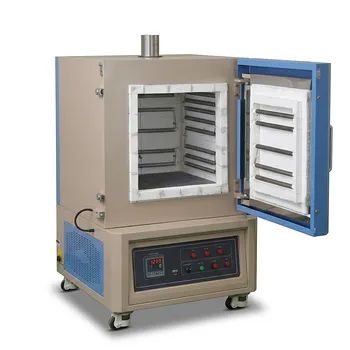
1200C High Temperature 125L Muffle Furnace 5 Side Heating for Large Batch Sintering with Optional Alloy Debinding Chamber
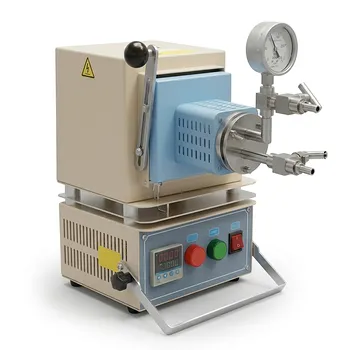
Compact Hybrid Muffle and Tube Furnace for 1000C Controlled Atmosphere Laboratory Material Sintering
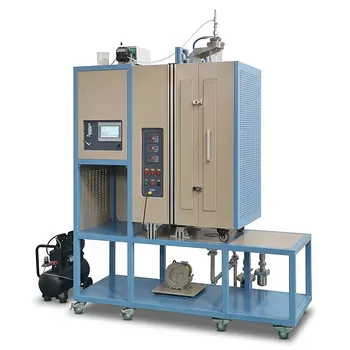
1500C Three Zone Vertical Pyrolysis Furnace for Nanoparticle Synthesis and Advanced Oxide Coating
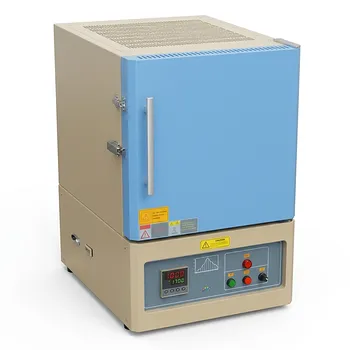
Large Bench Top 1700C High Temperature Muffle Furnace with 19L Chamber for Advanced Material Sintering and Annealing
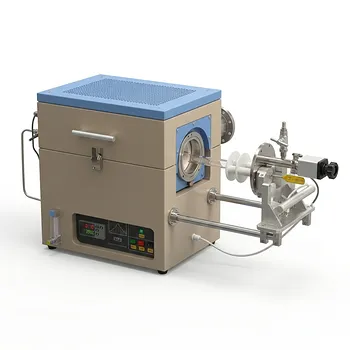
Compact Atmosphere Controlled Rapid Thermal Processing RTP Furnace with 4 Inch ID Quartz Tube 1100C
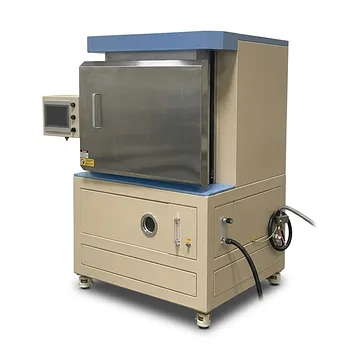
1650C High Temperature Atmosphere Controlled Box Furnace with 65L Chamber for Advanced Material Sintering and Industrial Heat Treatment
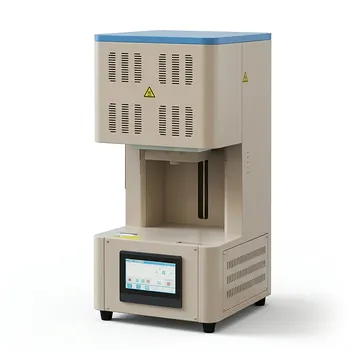
Automated 1700C High Temperature Bottom Loading Box Furnace with PC Software Control and Robotic Integration Capability
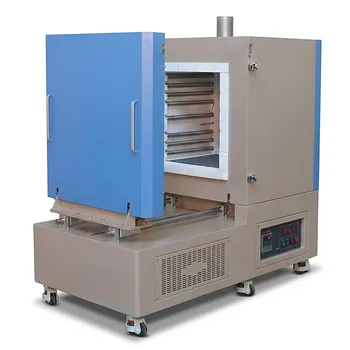
1200C Five Side Heating Muffle Furnace with Sliding Door 125L Volume High Temperature Heat Treatment System for Large Scale Sintering and Annealing
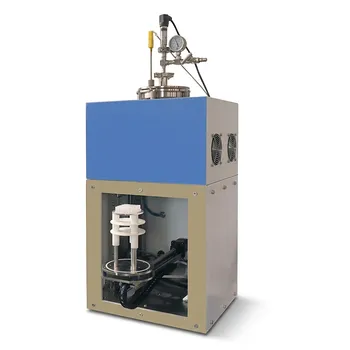
Rapid Thermal Processing RTP Atmosphere Controlled Bottom Loading Furnace 1100C High Throughput 50C per Second Heating Rate
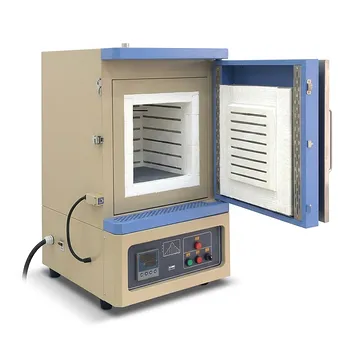
Five Side Heating Muffle Furnace High Purity Alumina Fiber 27L Chamber 1200C High Temperature Thermal Processing System for Sintering Annealing and Materials Research