Why is an atmosphere control system with high-purity argon required during the heat treatment of Sn@C/SiOC? Prevent Oxidation
Updated 3 months ago
An atmosphere control system utilizing high-purity argon is mandatory to prevent the secondary oxidation of metallic tin and the oxidative ablation of the carbon and silicon oxycarbide (SiOC) components. At the required processing temperature of 900 °C, exposure to even trace amounts of oxygen would compromise the material’s structural integrity and chemical purity.
Core Takeaway: High-purity argon creates a strictly inert environment that isolates active materials from oxygen interference. This ensures the Sn@C/SiOC composite maintains its intended electrochemical properties and structural architecture during high-temperature heat treatment.
Protecting the Integrity of Active Materials
Preventing Secondary Oxidation of Tin
Metallic tin (Sn) is highly reactive when exposed to oxygen at elevated temperatures. In a standard atmosphere at 900 °C, tin would rapidly convert into tin oxides, fundamentally altering the chemical composition of the composite.
The argon atmosphere acts as a chemical barrier, ensuring the tin remains in its metallic state. This preservation is critical for the material to function effectively as an active component in its intended application.
Avoiding Ablation of Carbon and SiOC
Carbon layers and silicon oxycarbide (SiOC) shells are susceptible to oxidative ablation, a process where the material is essentially "burned off" in the presence of oxygen. This degradation typically begins at temperatures far below the 900 °C threshold used in this process.
By continuously supplying high-purity argon, the system displaces oxygen and prevents the erosion of these protective layers. This maintains the structural shell necessary to house the tin and ensures the longevity of the composite.
The Necessity of High-Purity Inert Environments
Eliminating Atmospheric Reactivity
At high temperatures, the kinetic energy of gas molecules increases the likelihood of reactions between the furnace atmosphere and the sample. Common atmospheric gases like oxygen and nitrogen can cause embrittlement or the formation of unwanted phases.
Using argon—a noble gas—provides a chemically neutral environment. Because argon does not react with the carbon substrate or the metallic sites, the material can undergo heat treatment without the risk of environmental contamination.
Maintaining Stoichiometric Accuracy
Precise control over the atmosphere ensures that the final product adheres to the correct stoichiometric ratio. Any introduction of oxygen would shift the balance of the Sn@C/SiOC structure, leading to the formation of impurity particles.
Ensuring high purity in the gas supply is vital because even minor impurities can lead to surface organic pollutants or unexpected chemical transformations. A stable, inert environment allows researchers to focus specifically on the microstructural evolution of the material.
Understanding the Trade-offs and Risks
The Risk of Impure Argon
Using lower-grade argon can be a significant pitfall in high-temperature synthesis. If the gas contains trace moisture or oxygen, the protective effect is neutralized, leading to partial oxidation that may not be immediately visible but will degrade performance.
Gas Flow and Temperature Gradients
While argon is an excellent protector, it also serves as a heat transfer medium. If the flow rate is not managed correctly via the atmosphere control system, it can create temperature gradients within the furnace, leading to non-uniform heat treatment across the sample.
Cost vs. Material Performance
High-purity argon is more expensive than industrial-grade gas or nitrogen. However, for materials containing tin and carbon at 900 °C, nitrogen is often unsuitable due to potential nitridation, making the higher cost of argon a necessary investment for material survival.
Applying This to Your Process
Recommendations for Implementation
- If your primary focus is material purity: Utilize argon with a purity level of 99.999% (5N) or higher to ensure no trace oxidation occurs at 900 °C.
- If your primary focus is structural uniformity: Ensure your atmosphere control system includes a regulated flow meter to maintain constant pressure and consistent heat distribution.
- If your primary focus is preventing ablation: Verify that the furnace is fully purged of oxygen before ramping temperatures above 400 °C, the point where carbon oxidation typically begins.
The use of high-purity argon is not merely a preference but a technical requirement to ensure the chemical stability and mechanical performance of the Sn@C/SiOC composite.
Summary Table:
| Component | Risk at 900°C (with O2) | Role of High-Purity Argon |
|---|---|---|
| Metallic Tin (Sn) | Rapid secondary oxidation | Maintains metallic state & chemical purity |
| Carbon & SiOC | Oxidative ablation (burning) | Preserves structural shell & architecture |
| Stoichiometry | Formation of impurities | Ensures accurate chemical ratios |
| Material Integrity | Embrittlement & contamination | Provides a stable, neutral inert environment |
Elevate Your Material Research with THERMUNITS
Precise atmosphere control is the difference between breakthrough research and material failure. THERMUNITS is a leading manufacturer of high-temperature laboratory equipment dedicated to material science and industrial R&D. We provide the advanced thermal processing solutions required for sensitive synthesis like Sn@C/SiOC.
Our comprehensive range includes:
- Atmosphere & Vacuum Furnaces: Designed for strict inert gas control.
- CVD/PECVD Systems: For high-precision chemical vapor deposition.
- Specialized Equipment: Muffle, Tube, Rotary, Hot Press, and Vacuum Induction Melting (VIM) furnaces.
- High-Temperature Components: Premium thermal elements and dental furnaces.
Don't let trace oxidation compromise your results. Let our experts help you select the ideal furnace configuration for your specific heat treatment needs.
Contact THERMUNITS Today to Optimize Your Process
References
- Hyojun Lim, Sang‐Ok Kim. Boosting the Sodiation Kinetics of Sn Anode Using a Yolk–Shell Nanohybrid Structure for High‐Rate and Ultrastable Sodium‐Ion Batteries. DOI: 10.1002/advs.202408450
Mentioned Products
- 1650C High Temperature Atmosphere Controlled Box Furnace with 65L Chamber for Advanced Material Sintering and Industrial Heat Treatment
- High Temperature Oxygen and Inert Atmosphere Controlled Furnace 8 Liter 1700C Sintering System for Advanced Materials RD
- Bottom Loaded Inert Gas Atmosphere Box Furnace 1400C Maximum Temperature 125L High Capacity Laboratory Heat Treatment System
- High Temperature Vertical Atmosphere Controlled Furnace with Automatic Bottom Loading and 1700°C Capacity for Advanced Material Research
- High Throughput Induction Melting and Casting Furnace for Superalloy Research 1700C Atmosphere Controlled Multi Sample System
People Also Ask
- What role does atmosphere control play in technical ceramics and glass? Master Material Purity and Precision
- What role does a high-temperature atmosphere furnace play in the direct electrochemical reduction of CO2? - Key Insights
- What is the role of a high-temperature box furnace in the solid-state synthesis of Europium-doped M3MgSi2O8 phosphors?
- What is the role of a high-temperature box furnace in Na3MnZr(PO4)3 synthesis? Engineering High-Performance NASICON.
- What physical conditions does a high-temperature atmosphere furnace provide for MXene exfoliation? Process Guide

Tech Team · ThermUnits
Last updated on Jun 02, 2026
Related Products
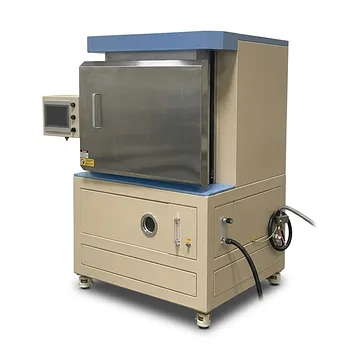
1650C High Temperature Atmosphere Controlled Box Furnace with 65L Chamber for Advanced Material Sintering and Industrial Heat Treatment
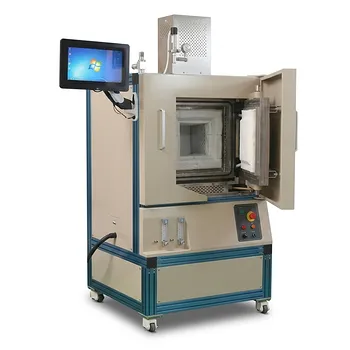
High Temperature Oxygen and Inert Atmosphere Controlled Furnace 8 Liter 1700C Sintering System for Advanced Materials RD
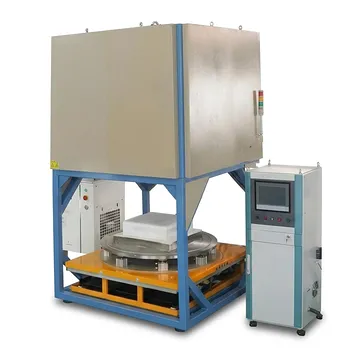
Bottom Loaded Inert Gas Atmosphere Box Furnace 1400C Maximum Temperature 125L High Capacity Laboratory Heat Treatment System
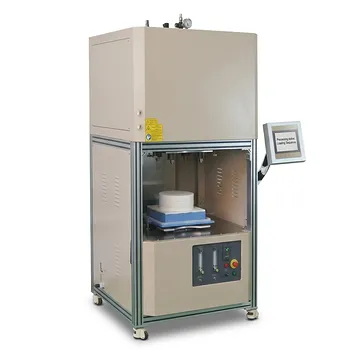
High Temperature Vertical Atmosphere Controlled Furnace with Automatic Bottom Loading and 1700°C Capacity for Advanced Material Research
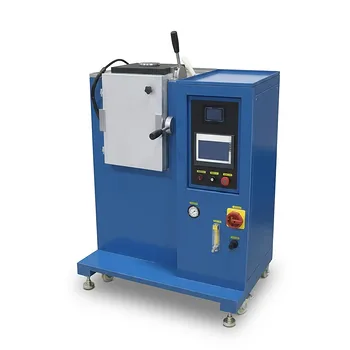
High Throughput Induction Melting and Casting Furnace for Superalloy Research 1700C Atmosphere Controlled Multi Sample System
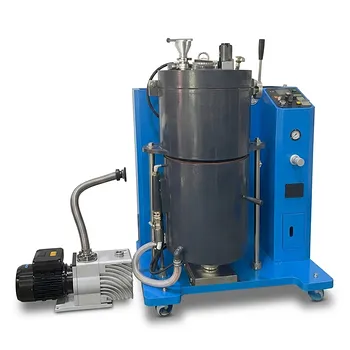
Atmosphere Controlled Induction Melting Casting System 1600C 10L Capacity
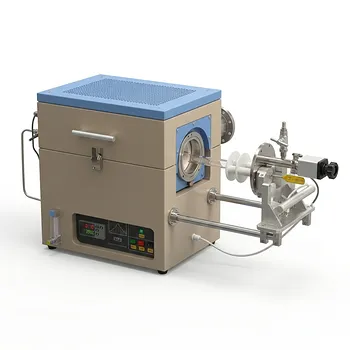
Compact Atmosphere Controlled Rapid Thermal Processing RTP Furnace with 4 Inch ID Quartz Tube 1100C
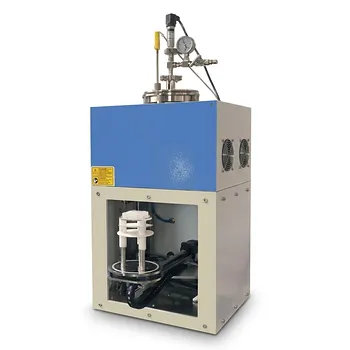
Rapid Thermal Processing Atmosphere Controlled Bottom Loading Furnace 1100C with 50C Per Second Heating Rate for Wafer Annealing
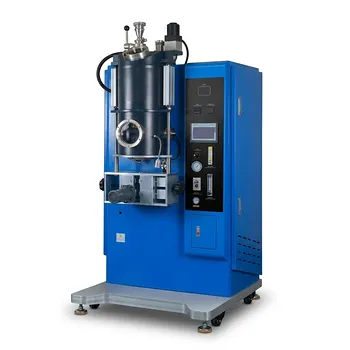
Atmosphere Controlled Continuous Casting Furnace with Secondary Charge Function for Induction Melting and Metal Alloy Wire Production
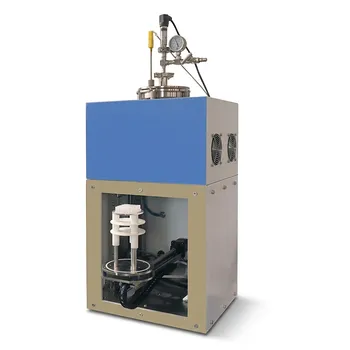
Rapid Thermal Processing RTP Atmosphere Controlled Bottom Loading Furnace 1100C High Throughput 50C per Second Heating Rate
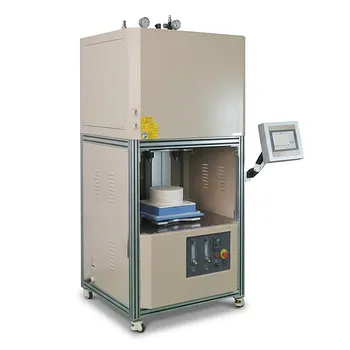
High Temperature Vertical Atmosphere Controlled Furnace 1700C Automatic Bottom Loading 13 Liter Vacuum Thermal System
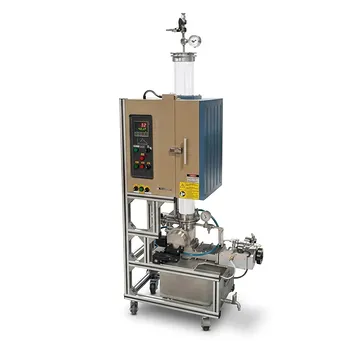
1200C High Temperature Atmosphere Controlled Vertical Quenching Tube Furnace with 4 Inch Quartz Tube
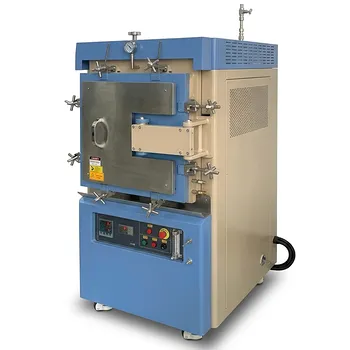
Atmosphere Controlled Muffle Furnace 1700C Maximum Temperature 80L High Capacity Vacuum Inert Gas Box Furnace
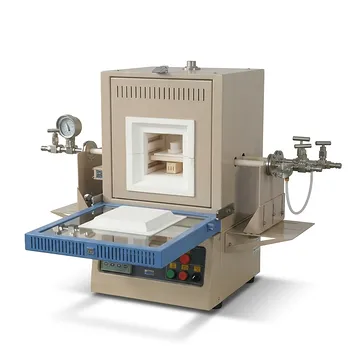
1700C Compact Hybrid Furnace with Dual Layer Box Sintering and Controlled Atmosphere Alumina Tubes
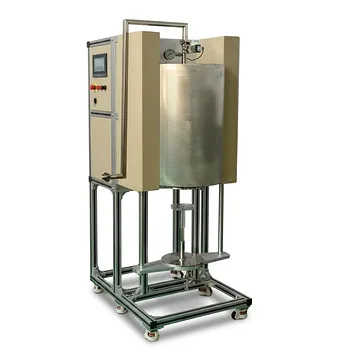
1200°C Atmosphere Controlled Automatic Bottom Loading Furnace with 6 Inch Quartz Tube
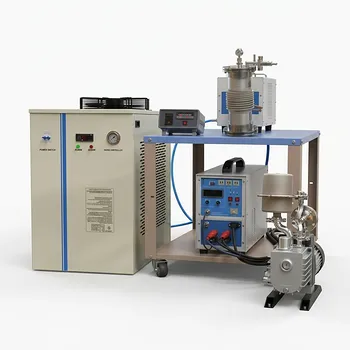
Induction Heating System with Temperature Control for High Temperature Vacuum Sintering and Melting
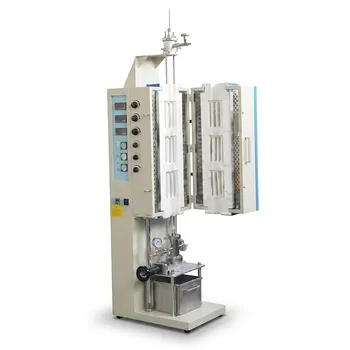
High Temperature Dual Zone Tube Furnace for Material Science Research and Professional Thermal Processing
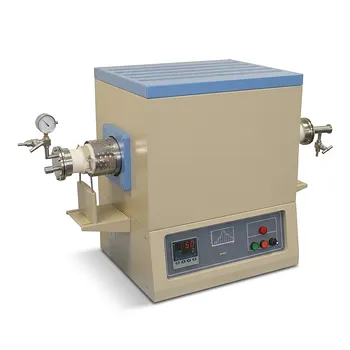
1700C High Temperature Alumina Tube Furnace with 18 Inch Heated Zone and Vacuum Sealing Flanges
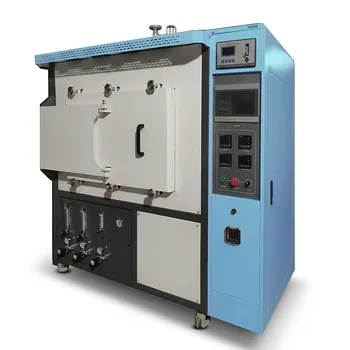
Roller Table Atmosphere Furnace 1500C High Temperature Battery Material Sintering System 112L Capacity