Why is an atmosphere furnace with nitrogen protection needed for sintering 3D-printed CNT preforms? Protect Your Purity.
Updated 3 months ago
The use of an atmosphere furnace with nitrogen protection is essential to prevent the catastrophic oxidation of carbon nanotubes while enabling the controlled removal of polymer binders. This process ensures the structural integrity of the 3D-printed geometry and facilitates the development of a high-purity, interconnected porous carbon scaffold.
Nitrogen protection creates an oxygen-free environment that prevents carbon nanotubes from burning away at high temperatures. It allows for the simultaneous decomposition of binders and the structural optimization of the carbon network without compromising the original 3D-printed design.
Preventing Material Loss and Oxidation
The Vulnerability of Carbon at High Temperatures
Carbon nanotubes (CNTs) are highly susceptible to oxidative burnout when heated in the presence of oxygen. Without a protective atmosphere, the CNTs would undergo combustion at the high temperatures required for sintering (often exceeding 500°C), resulting in the total loss of the 3D-printed structure.
Oxygen Displacement for Structural Preservation
The atmosphere furnace functions by continuously flowing high-purity nitrogen (N2) to displace oxygen and other reactive gases. This inert environment protects the newly formed carbon structures from ablation and ensures the chemical stability of the material throughout the pyrolysis process.
Protection of Internal Components
In many CNT preforms, metal catalysts or specific dopants are present to enhance functionality. The nitrogen atmosphere prevents the unintended oxidation of these components, such as iron catalysts, which is vital for maintaining the structural and catalytic integrity of the final product.
Facilitating the Transition from "Green Body" to Sintered Scaffold
Controlled Polymer Debinding and Carbonization
3D-printed "green bodies" contain polymer binders that must be removed to yield a pure CNT scaffold. The atmosphere furnace allows for programmed temperature increases that facilitate the slow thermal decomposition and carbonization of these binders without damaging the CNT network.
Maintaining Geometric Accuracy
One of the primary challenges in sintering 3D-printed parts is preventing shrinkage or warping. The controlled heating rates provided by an atmosphere furnace ensure that the gas-phase decomposition of binders occurs steadily, preserving the geometric accuracy and interconnected network of the printed design.
Removal of Volatile Byproducts
As binders decompose, they release volatile impurities and gases like CO and CO2. The stable gas flow within the furnace efficiently sweeps away these byproducts, preventing secondary reactions that could weaken the carbon skeleton or clog the developing pore structure.
Enhancing Material Properties through Thermal Treatment
Development of Porosity and Surface Area
The sintering process under nitrogen protection is critical for forming highly developed microporous and mesoporous structures. By preventing combustion, the furnace allows the CNTs to form a stable, interconnected network with high porosity, which is essential for applications like electrodes or filters.
Graphitization and Electrical Conductivity
High-temperature treatment in an inert atmosphere promotes the thermal rearrangement of carbon atoms. This process, often referred to as graphitization, significantly enhances the electrical conductivity and mechanical strength of the CNT scaffold.
Stable Chemical Potential for Doping
If the preform includes nitrogen or phosphorus sources for doping, the atmosphere furnace provides a stable chemical potential environment. This ensures that heteroatoms are successfully integrated into the carbon lattice rather than being lost to oxidative reactions.
Understanding the Trade-offs
Gas Purity and Flow Dynamics
The effectiveness of the protection is entirely dependent on the purity of the nitrogen and the consistency of the flow. Even trace amounts of oxygen leakage can lead to localized "pitting" or structural weak points in the CNT scaffold.
Heating Rate Complexity
While slow heating is necessary for debinding, excessively long dwell times at high temperatures can lead to unnecessary energy consumption or grain growth in any metallic components. Finding the optimal thermal profile requires balancing structural integrity with processing efficiency.
Byproduct Management
The removal of volatile organic compounds (VOCs) during debinding requires the furnace to have an adequate exhaust and filtration system. Failure to manage these effluents can lead to contamination of the furnace interior, which may affect the purity of future sintering batches.
How to Apply This to Your Project
Making the Right Choice for Your Goal
- If your primary focus is maximum electrical conductivity: Prioritize higher sintering temperatures (800°C+) and longer dwell times to promote the graphitization of the carbon structure.
- If your primary focus is geometric precision: Utilize very slow heating rates (0.5–2°C/min) during the initial debinding phase to prevent structural cracks caused by rapid gas escape.
- If your primary focus is high surface area/porosity: Ensure a high and consistent nitrogen flow rate to effectively remove all binder byproducts and prevent the clogging of micropores.
- If your primary focus is material purity: Use ultra-high purity (99.999%) nitrogen and perform a vacuum purge of the furnace chamber before starting the heating cycle.
By strictly controlling the thermal and atmospheric environment, you transform a fragile polymer-carbon composite into a robust, high-performance carbon nanotube scaffold.
Summary Table:
| Key Feature | Role in CNT Sintering | Target Outcome |
|---|---|---|
| Oxygen Displacement | Prevents oxidative burnout of nanotubes | Structural preservation |
| Controlled Debinding | Removes binders via thermal decomposition | High-purity carbon scaffold |
| Inert Atmosphere | Enables graphitization at high temps | Enhanced electrical conductivity |
| Stable Gas Flow | Efficiently removes volatile byproducts | Porosity and surface area |
| Thermal Precision | Regulates binder escape rates | Geometric accuracy & no warping |
Elevate Your Material Research with THERMUNITS Precision
THERMUNITS is a leading manufacturer of high-temperature laboratory equipment specifically designed for material science and industrial R&D. When sintering delicate 3D-printed carbon nanotubes, precision and atmospheric control are non-negotiable.
We provide a comprehensive range of thermal processing solutions tailored to prevent oxidation and ensure high-purity results, including:
- Atmosphere & Vacuum Furnaces (Ideal for nitrogen-protected sintering)
- Tube & Muffle Furnaces
- CVD/PECVD Systems for advanced carbon synthesis
- Rotary Kilns & Vacuum Induction Melting (VIM) Furnaces
- Hot Press & Dental Furnaces
Ensure the structural integrity and conductivity of your carbon scaffolds with equipment built for excellence. Contact our technical experts today to find the perfect thermal solution for your lab!
References
- Bradie S. Crandall, Feng Jiao. Transforming CO2 into advanced 3D printed carbon nanocomposites. DOI: 10.1038/s41467-024-54957-w
Mentioned Products
- 1200C Hydrogen Atmosphere Box Furnace with 5 Heated Sides and 64L Chamber
- High Temperature Hydrogen Atmosphere Box Furnace 1650C Max Reducing Environment Material Synthesis System 8x8x8 Chamber
- High Temperature Economic Hydrogen Gas Box Furnace 1600C Atmosphere Controlled Thermal Processing System 65L Capacity
- High Temperature Oxygen and Inert Atmosphere Controlled Furnace 8 Liter 1700C Sintering System for Advanced Materials RD
- Roller Table Atmosphere Furnace 1500C High Temperature Battery Material Sintering System 112L Capacity
People Also Ask
- How does a box atmosphere furnace contribute to the pre-oxidation of MS-SOECs? Enhance Durability & Efficiency.
- How does a programmable Box Furnace facilitate the curing of silver inks? Expert Thermal Control for Silicon Substrates
- How does a box furnace facilitate the conversion of precursors in catalyst impregnation processes? Master Calcination
- What is the role of a high-temperature box furnace in the solid-state synthesis of Europium-doped M3MgSi2O8 phosphors?
- How are electric heating elements designed to operate within carburizing atmospheres? Top Design Strategies Revealed

Tech Team · ThermUnits
Last updated on Jun 03, 2026
Related Products
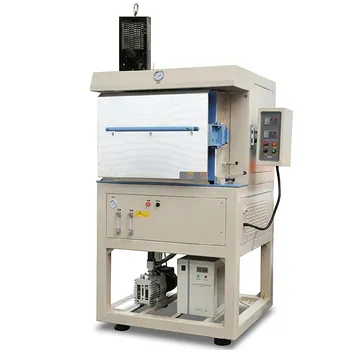
1200C Hydrogen Atmosphere Box Furnace with 5 Heated Sides and 64L Chamber
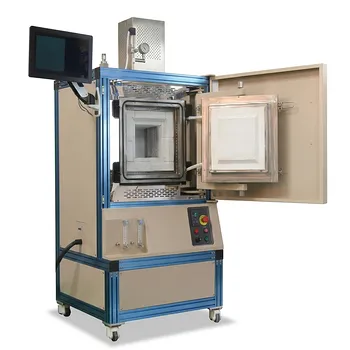
High Temperature Hydrogen Atmosphere Box Furnace 1650C Max Reducing Environment Material Synthesis System 8x8x8 Chamber
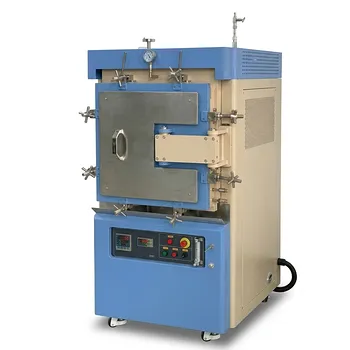
High Temperature Economic Hydrogen Gas Box Furnace 1600C Atmosphere Controlled Thermal Processing System 65L Capacity
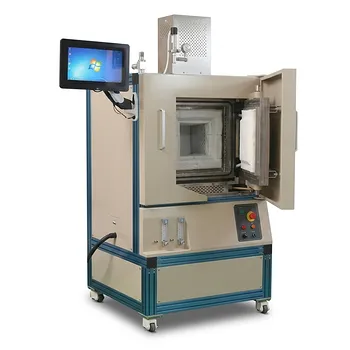
High Temperature Oxygen and Inert Atmosphere Controlled Furnace 8 Liter 1700C Sintering System for Advanced Materials RD
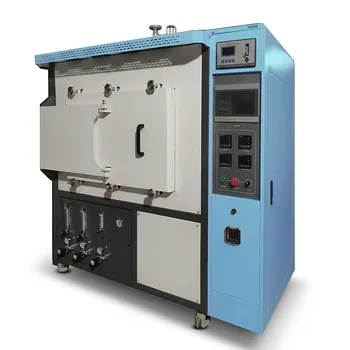
Roller Table Atmosphere Furnace 1500C High Temperature Battery Material Sintering System 112L Capacity
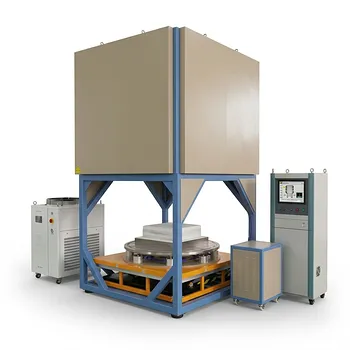
Bottom Loaded Inert Gas Atmosphere Box Furnace 1700C 1300C 216L Large Capacity Industrial Thermal Processing System
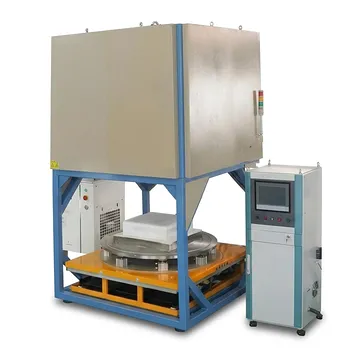
Bottom Loaded Inert Gas Atmosphere Box Furnace 1400C Maximum Temperature 125L High Capacity Laboratory Heat Treatment System
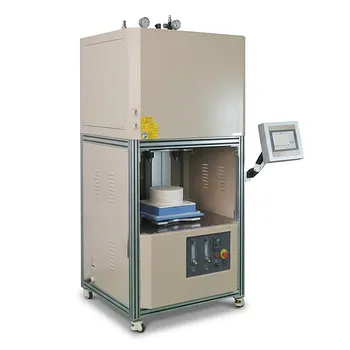
High Temperature Vertical Atmosphere Controlled Furnace 1700C Automatic Bottom Loading 13 Liter Vacuum Thermal System
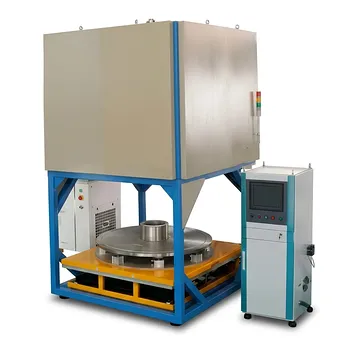
1400C Bottom Loaded Inert Gas Atmosphere Box Furnace with 125L Capacity and Precision Hydraulic Lift
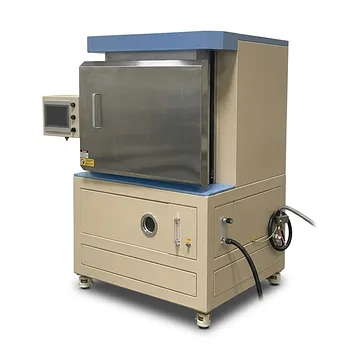
1650C High Temperature Atmosphere Controlled Box Furnace with 65L Chamber for Advanced Material Sintering and Industrial Heat Treatment
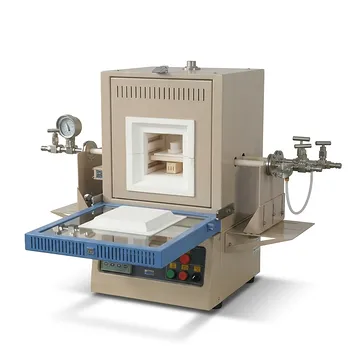
1700C Compact Hybrid Furnace with Dual Layer Box Sintering and Controlled Atmosphere Alumina Tubes
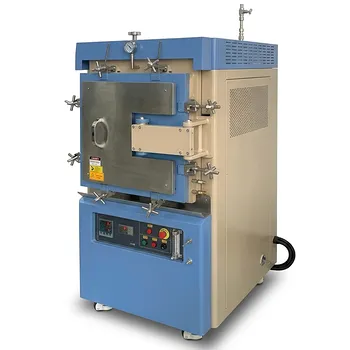
Atmosphere Controlled Muffle Furnace 1700C Maximum Temperature 80L High Capacity Vacuum Inert Gas Box Furnace
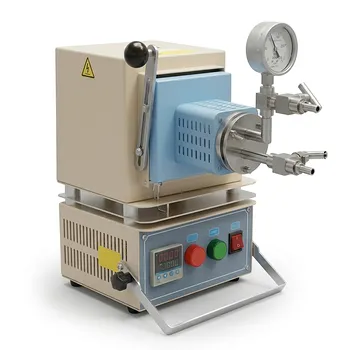
Compact Hybrid Muffle and Tube Furnace for 1000C Controlled Atmosphere Laboratory Material Sintering
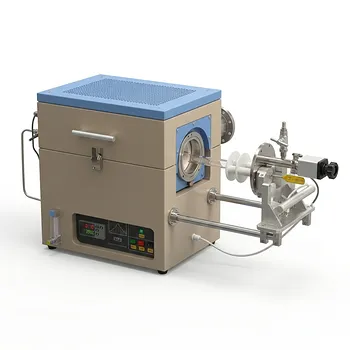
Compact Atmosphere Controlled Rapid Thermal Processing RTP Furnace with 4 Inch ID Quartz Tube 1100C
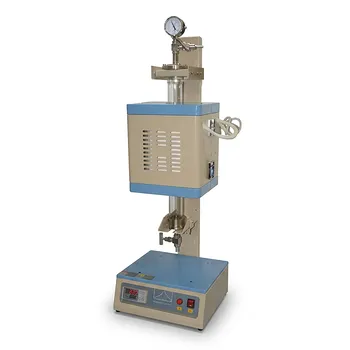
Compact Vertical Split Quartz Tube Furnace with Stainless Steel Vacuum Flanges for Rapid Thermal Quenching and Controlled Atmosphere Material Processing

Vertical 1700C Vacuum and Atmosphere Tube Furnace with 80mm Alumina Tube
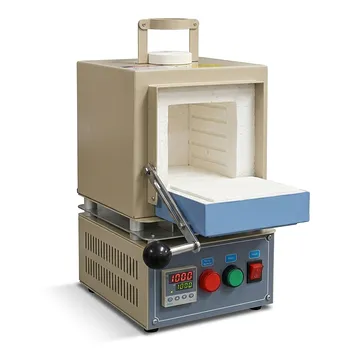
Compact 1000C Muffle Furnace with Programmable Controller and 2 Inch Top Port for Vacuum and Atmosphere Material Research
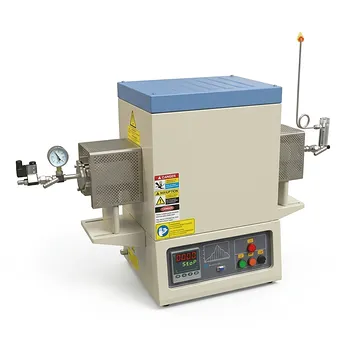
1700C Hydrogen Gas Tube Furnace with 60mm Alumina Process Tube and Integrated Hydrogen Safety Detector
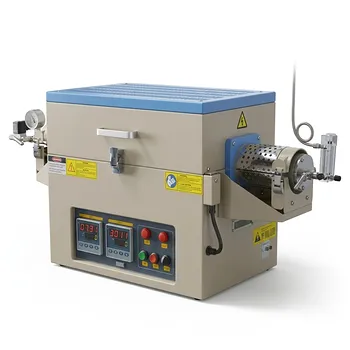
1100C Dual Zone Hydrogen Gas Tube Furnace with Quartz Tube and Integrated H2 Leak Detection System
