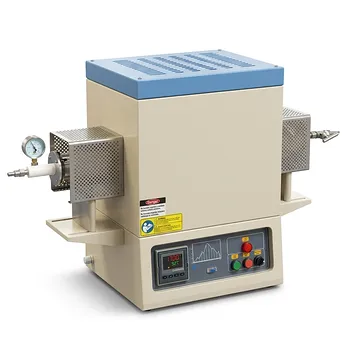
What role does a high-temperature atmosphere furnace play in the preparation of modified graphite materials? R&D Guide
Updated 3 months ago
The high-temperature atmosphere furnace serves as the primary engine for the structural and chemical transformation of graphite. By providing a hermetically sealed environment where temperature and gas chemistry are precisely regulated, these furnaces enable the induction of specific surface defects, the expansion of interlayer spacing, and the integration of heteroatoms into the carbon lattice. This level of control is essential for tailoring graphite's electrochemical reactivity and mechanical stability for advanced industrial applications.
A high-temperature atmosphere furnace acts as a controlled reaction vessel that manipulates the surface chemistry and physical morphology of graphite through precise thermal energy and gas-phase interactions. It is the decisive factor in transforming raw graphite into specialized materials by regulating functional groups, crystal defects, and interlayer dimensions.
Engineering Surface Chemistry and Reactive Sites
Regulating Functional Groups and SEI Formation
The furnace provides a controlled thermal environment to induce oxygen-based functional groups and micropore defects on the graphite surface. By adjusting the concentration of oxygen or inert gases, manufacturers can precisely calibrate the chemical state of the surface. This process is vital for optimizing the solid electrolyte interphase (SEI) film, which determines the efficiency and lifespan of lithium-ion batteries.
Facilitating In-Situ Grafting Reactions
Operating typically between 850°C and 1000°C, the furnace provides the thermal energy necessary to fracture unstable oxygen groups or edge sites. This creates active sites for subsequent grafting reactions. Crucially, the stable thermal field allows these modifications to occur without compromising the integrity of the host crystal lattice.
Managing Thermal Polycondensation
For precursors like melamine, the furnace facilitates thermal polycondensation through a steady heating rate, such as 10°C/min. This ensures thorough de-ammoniation and polymerization. A uniform thermal field is required to produce graphitic carbon nitride with the specific layered structure needed for semiconductor properties.
Structural Reorganization and Expansion
Thermal Reduction and Interlayer Expansion
High-temperature tube furnaces provide a stable 900°C environment under protective nitrogen to achieve the rapid thermal reduction of graphene oxide. The resulting thermal shock causes functional groups to decompose and release gases. The internal pressure generated expands the interlayer spacing, creating reduced graphene oxide with abundant defects.
Heteroatom Doping of the Carbon Lattice
The furnace enables the successful doping of elements like nitrogen, phosphorus, and boron into the graphene lattice. By maintaining a stable reducing or protective atmosphere (such as H2/Ar or N2), the equipment facilitates chemical bonding and crystal reorganization. This process introduces new properties into the graphite, such as improved catalytic activity or altered electronic conductivity.
Synthesis of Expanded Graphite (EG)
In a muffle furnace configuration, an instantaneous thermal shock of up to 1000°C gasifies intercalated compounds within expandable graphite. This rapid gasification generates massive pressure that creates a worm-like expanded structure. This highly developed pore system provides the necessary channels for electron transmission and the growth of secondary materials like Covalent Organic Frameworks (COF).
Understanding Technical Constraints and Trade-offs
Thermal Shock vs. Lattice Integrity
While rapid heating is required for expansion and reduction, excessive thermal shock can lead to uncontrolled crystal degradation. Achieving the right balance is critical; the furnace must be programmable to provide enough energy for functionalization without destroying the graphite's core mechanical properties.
Atmospheric Purity and Contamination
The sealing performance of the furnace is a potential point of failure. Any ingress of oxygen during a reduction or doping cycle (e.g., boron doping at 800°C) will cause unwanted oxidation, fundamentally altering the material's final chemical signature and performance.
Heating Rate and Densification
During final sintering at temperatures like 1200°C, the heating rate must be strictly controlled (e.g., 5°C/min). If the rate is too high, the material may fail to achieve full densification, resulting in a composite with inferior mechanical strength and poor thermal properties.
How to Apply This to Your Project
Selection Based on Material Goals
- If your primary focus is battery anode optimization: Prioritize a furnace with high-precision oxygen flow controllers to regulate surface functional groups and SEI film stability.
- If your primary focus is producing conductive additives: Utilize a furnace capable of instantaneous 1000°C thermal shock to maximize interlayer expansion and pore development.
- If your primary focus is chemical functionalization or doping: Select a tube furnace with superior sealing and gas-mixing capabilities to ensure a stable nitrogen or reducing atmosphere.
The high-temperature atmosphere furnace is not merely a heater, but a precision instrument that dictates the final electrochemical and structural identity of modified graphite.
Summary Table:
| Key Role | Process Mechanism | Final Material Advantage |
|---|---|---|
| Surface Engineering | Regulating functional groups (850°C-1000°C) | Optimized SEI film & electrochemical reactivity |
| Structural Expansion | Rapid thermal shock & reduction (900°C-1000°C) | Increased interlayer spacing & pore development |
| Lattice Doping | Heteroatom integration (N, P, B) | Enhanced electronic conductivity & catalytic activity |
| Polycondensation | Controlled heating rates (10°C/min) | Precise crystal reorganization & densification |
Optimize Your Graphite Research with THERMUNITS
Are you looking to achieve precise control over graphite functionalization or structural expansion? THERMUNITS is a leading manufacturer of high-temperature laboratory equipment specifically designed for material science and industrial R&D.
Our comprehensive range of thermal processing solutions—including Atmosphere, Tube, Muffle, Vacuum, and CVD/PECVD furnaces—provides the atmospheric purity and thermal stability required for advanced battery anode optimization and carbon lattice doping.
Empower your laboratory with professional heat treatment solutions today.
→ Contact Our Technical Experts Now
References
- Yue Yin, Yongyao Xia. Correlating Graphite Surface with Interphase for Fast‐Charging and Low‐Temperature Operation. DOI: 10.1002/adfm.202403682
Mentioned Products
- 1650C High Temperature Atmosphere Controlled Box Furnace with 65L Chamber for Advanced Material Sintering and Industrial Heat Treatment
- High Temperature Vertical Atmosphere Controlled Furnace with Automatic Bottom Loading and 1700°C Capacity for Advanced Material Research
- 1750°C High Temperature Benchtop Vacuum Atmosphere Tube Furnace with Kanthal Super 1800 Heating Elements and 60mm Alumina Processing Tube
- High Temperature Oxygen and Inert Atmosphere Controlled Furnace 8 Liter 1700C Sintering System for Advanced Materials RD
- High Temperature Hydrogen Atmosphere Box Furnace 1650C Max Reducing Environment Material Synthesis System 8x8x8 Chamber
People Also Ask
- What role does atmosphere control play in technical ceramics and glass? Master Material Purity and Precision
- What role does a high-temperature atmosphere furnace play in the direct electrochemical reduction of CO2? - Key Insights
- What is the role of a high-temperature box furnace in the solid-state synthesis of Europium-doped M3MgSi2O8 phosphors?
- What is the role of a high-temperature box furnace in Na3MnZr(PO4)3 synthesis? Engineering High-Performance NASICON.
- What physical conditions does a high-temperature atmosphere furnace provide for MXene exfoliation? Process Guide

Tech Team · ThermUnits
Last updated on Jun 03, 2026
Related Products
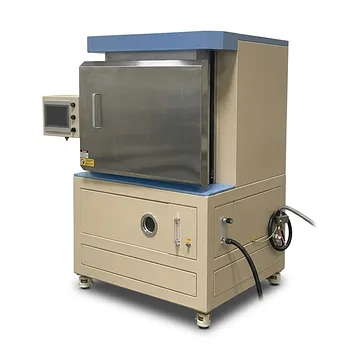
1650C High Temperature Atmosphere Controlled Box Furnace with 65L Chamber for Advanced Material Sintering and Industrial Heat Treatment
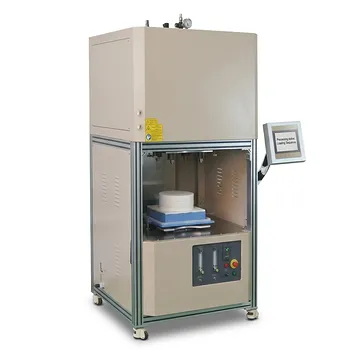
High Temperature Vertical Atmosphere Controlled Furnace with Automatic Bottom Loading and 1700°C Capacity for Advanced Material Research
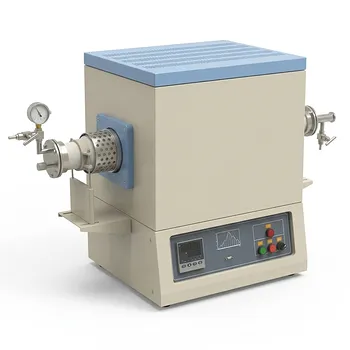
1750°C High Temperature Benchtop Vacuum Atmosphere Tube Furnace with Kanthal Super 1800 Heating Elements and 60mm Alumina Processing Tube
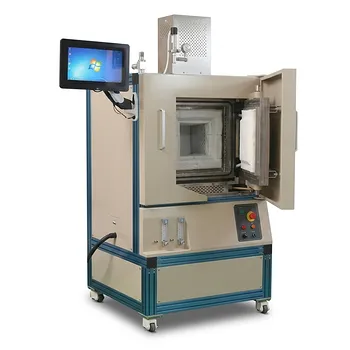
High Temperature Oxygen and Inert Atmosphere Controlled Furnace 8 Liter 1700C Sintering System for Advanced Materials RD
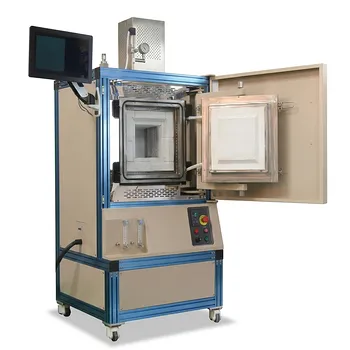
High Temperature Hydrogen Atmosphere Box Furnace 1650C Max Reducing Environment Material Synthesis System 8x8x8 Chamber
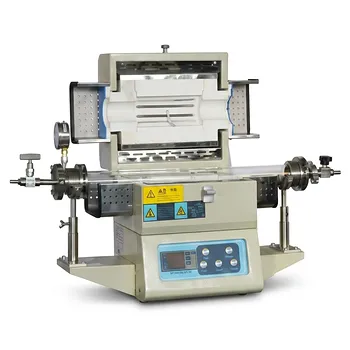
High Temperature 1200C Split Tube Furnace for CVD Research and Vacuum Atmosphere Heat Treatment
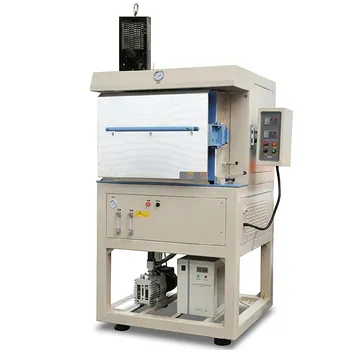
1200C Hydrogen Atmosphere Box Furnace with 5 Heated Sides and 64L Chamber
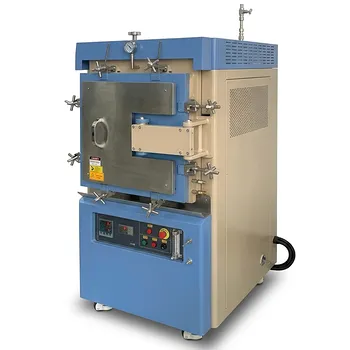
Atmosphere Controlled Muffle Furnace 1700C Maximum Temperature 80L High Capacity Vacuum Inert Gas Box Furnace
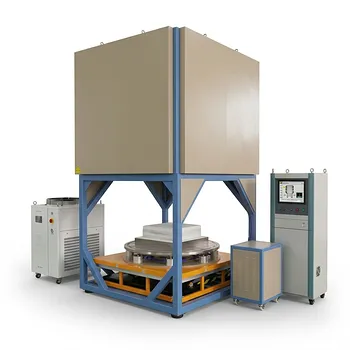
Bottom Loaded Inert Gas Atmosphere Box Furnace 1700C 1300C 216L Large Capacity Industrial Thermal Processing System
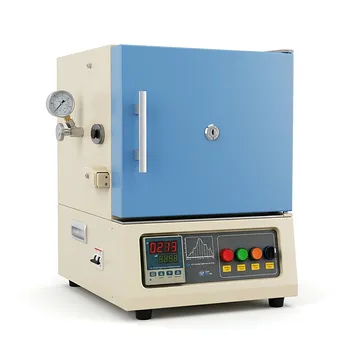
1200C Hybrid Muffle and Tube Furnace for Material Research with Dual Atmosphere Control Quartz Tubes
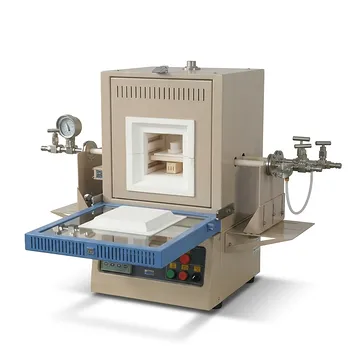
1700C Compact Hybrid Furnace with Dual Layer Box Sintering and Controlled Atmosphere Alumina Tubes
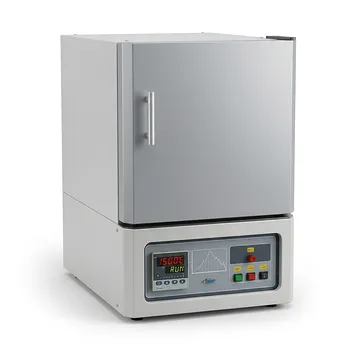
High Temperature 1500C Benchtop Muffle Furnace 3.6L Alumina Fiber Chamber Programmable Controller Sintering Annealing Carbonization Thermal Processing System
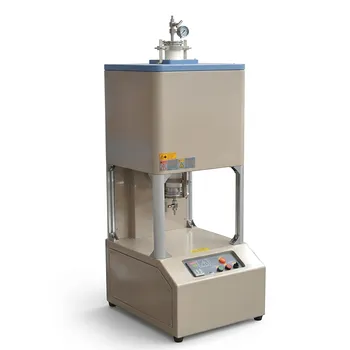
Vertical 1700C Vacuum and Atmosphere Tube Furnace with 80mm Alumina Tube

High Temperature 1700C Tube Furnace with High Vacuum Turbomolecular Pump System and Multi Channel Mass Flow Controller Gas Mixer
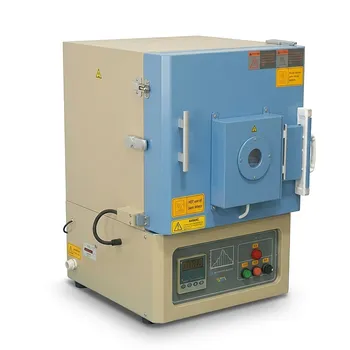
High Temperature Benchtop Muffle Furnace 1500C with 3.6L Chamber and Quartz Observation Window
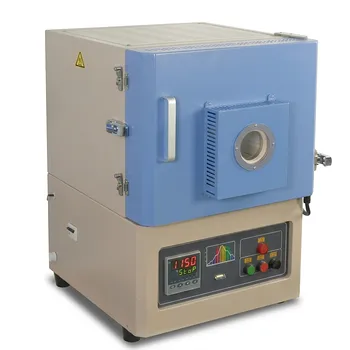
High Temperature Benchtop Muffle Furnace with Quartz Observation Window for Thermal Imaging and Material Analysis
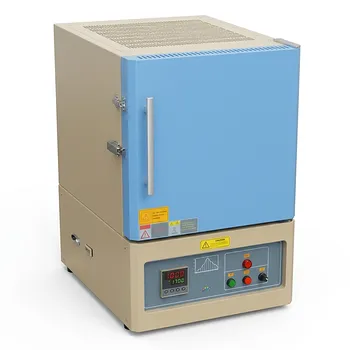
Large Bench Top 1700C High Temperature Muffle Furnace with 19L Chamber for Advanced Material Sintering and Annealing
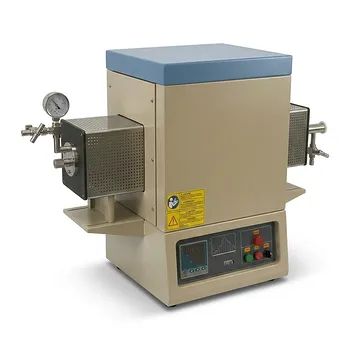
High Temperature 1700C Benchtop Tube Furnace with 5 Inch Heating Zone High Purity Alumina Tube and Vacuum Sealing Flanges
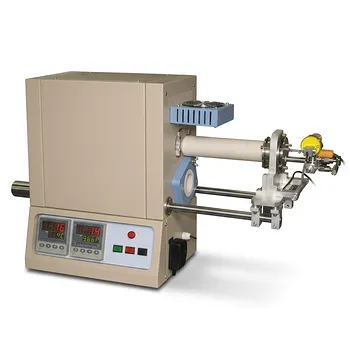
High Temperature Tube Furnace 1500C with Sliding Flanges and 50mm OD for Rapid Thermal Processing Fast Heating and Cooling