Why is argon gas required as a protective atmosphere during carbonization? Preserve Material Integrity & Iron Activity
Updated 3 months ago
Argon gas serves as an absolute chemical barrier during the carbonization process to prevent the catastrophic oxidation of both the carbon matrix and the metallic components. At the high temperatures required for synthesis—typically 700°C or higher—the presence of even trace amounts of oxygen would lead to the combustion of the carbon skeleton and the deactivation of the iron nanoparticles, rendering the material useless.
Core Takeaway: Argon creates a strictly inert, anaerobic environment that allows for the thermal decomposition of precursors into carbon and active iron without the interference of oxygen. This ensures the structural integrity of the porous framework and preserves the specific magnetic and chemical properties of the metallic sites.
Preventing the Oxidative Combustion of Carbon
The Vulnerability of Carbon Nanostructures
At temperatures exceeding 400°C, carbon materials become highly susceptible to oxidation when exposed to oxygen. Without an inert atmosphere like argon, the porous carbon skeleton would undergo oxidative ablation, effectively burning away before the nanomaterial can fully form.
Maximizing Material Yield
By displacing oxygen within the tube furnace, argon ensures that the organic precursors are converted into a stable carbon matrix rather than being lost as carbon dioxide gas. This preservation is critical for achieving a high yield and maintaining the intended density of the final composite.
Preserving Pore Architecture
The specific surface area and pore size distribution of porous carbon are its most valuable traits. Argon prevents oxygen erosion, which would otherwise widen pores uncontrollably or destroy the delicate microscopic morphology of the nanofibers and nanotubes.
Maintaining the Chemical Integrity of Active Iron Sites
Preventing Metal Deactivation
The "active" nature of iron-porous carbon depends on the iron existing in a specific reduced state, such as elemental iron (Fe⁰) or iron carbide (Fe₃C). In the presence of oxygen, these nano-scale sites would rapidly oxidize into iron oxides (rust), which lack the necessary catalytic or magnetic properties.
Ensuring Magnetic Response
For nanomaterials designed for electromagnetic or separation applications, the metallic phase must be precisely controlled. Argon protection ensures the iron microcrystals retain their magnetic response properties, which are vital for the material's functional performance.
Controlling Phase Equilibrium
High-temperature synthesis relies on specific chemical equilibria to form desired alloys or atomic clusters. Argon provides a stable, non-reactive environment that allows these thermal reduction processes to focus solely on the breaking and recombination of chemical bonds without secondary oxidation.
Understanding the Trade-offs and Risks
Purity and Cost Considerations
While argon is highly effective, its success depends entirely on its purity levels. Using low-grade argon or having a leak in the furnace system can introduce moisture or trace oxygen, leading to "pitting" on the carbon surface or the formation of an unwanted oxide layer on the iron.
Thermal Conductivity Challenges
Argon has a lower thermal conductivity compared to gases like helium or hydrogen. While this is rarely a deal-breaker for carbonization, researchers must account for the heating ramp rates within the furnace to ensure the core of the material reaches the target temperature uniformly.
Inert vs. Reducing Atmospheres
Argon is strictly inert and does not actively participate in chemical reduction. In some complex syntheses, if the precursor requires active oxygen removal beyond mere displacement, a blend of argon and hydrogen may be necessary to provide a truly reducing environment, though this increases the risk of explosion.
How to Apply This to Your Project
To successfully synthesize iron-porous carbon nanomaterials, the protective atmosphere must be managed with precision throughout the entire thermal cycle.
- If your primary focus is maximum catalytic activity: Ensure you use high-purity (99.999%) argon to prevent even mono-layers of oxide from forming on the active iron sites.
- If your primary focus is structural morphology: Maintain a continuous, steady flow of argon to prevent pressure fluctuations that could collapse delicate pore structures during the cooling phase.
- If your primary focus is cost-effective scaling: Implement a pre-heating "purge" cycle to fully displace oxygen before raising the temperature, which can reduce the total volume of argon required during the high-heat stage.
The presence of argon is the fundamental difference between creating a sophisticated functional nanomaterial and simply producing a pile of common ash.
Summary Table:
| Key Requirement | Role of Argon Atmosphere | Impact on Final Nanomaterial |
|---|---|---|
| Carbon Matrix Stability | Prevents oxidative ablation (combustion) | High material yield and stable carbon skeleton |
| Pore Architecture | Eliminates oxygen erosion of nanostructures | Preserves specific surface area and pore size |
| Chemical State of Iron | Prevents formation of inactive iron oxides | Maintains active Fe⁰ or Fe₃C for catalysis |
| Magnetic Properties | Protects metallic microcrystals from deactivation | Ensures strong magnetic response and separation |
| Process Environment | Provides a non-reactive, anaerobic barrier | Facilitates controlled thermal decomposition |
Elevate Your Nanomaterial Research with Precision Thermal Solutions
Success in synthesizing active iron-porous carbon depends on the perfect control of your protective atmosphere. THERMUNITS is a leading manufacturer of high-temperature laboratory equipment, providing the precision and reliability required for advanced material science and industrial R&D.
Our comprehensive range of thermal processing solutions includes:
- Atmosphere & Vacuum Furnaces: Ideal for maintaining high-purity argon environments.
- Tube & Rotary Furnaces: Perfect for uniform carbonization and CVD/PECVD processes.
- Specialized Equipment: From Muffle and Hot Press furnaces to Vacuum Induction Melting (VIM) and Dental furnaces.
Don't let oxidation compromise your results. Whether you need to preserve delicate pore structures or maintain active metallic sites, our equipment is designed to deliver consistent, high-yield outcomes.
Contact THERMUNITS today to discuss your project requirements and discover how our advanced heat treatment solutions can enhance your lab's efficiency.
References
- Daniel Sibera, Urszula Narkiewicz. Activated Iron-Porous Carbon Nanomaterials as Adsorbents for Methylene Blue and Congo Red. DOI: 10.3390/molecules29174090
Mentioned Products
- Electric Rotary Kiln Small Rotary Furnace for Activated Carbon Regeneration
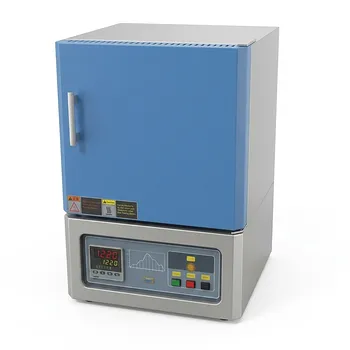
- High Temperature 1500C Benchtop Muffle Furnace 3.6L Alumina Fiber Chamber Programmable Controller Sintering Annealing Carbonization Thermal Processing System
- 1500C Three Zone Vertical Pyrolysis Furnace for Nanoparticle Synthesis and Advanced Oxide Coating
- High Temperature 1700C Vertical Tube Furnace for Powder Spherification and Material Sintering
- 1500C 3-Zone Rotary Tube Furnace 60mm with Automatic Powder Feeding and Receiving System for Continuous Material Synthesis
People Also Ask
- What are the primary components and heating mechanisms of an electric rotary kiln? Optimize High-Purity Heat Treatment
- Which minerals and specialty chemicals are commonly processed using electric rotary kilns? Precision Thermal Processing Guide
- What are the maintenance and service life advantages of an electric rotary kiln? 25+ Year Longevity & Low Maintenance
- How does the use of an electric rotary kiln facilitate CO2 capture in cement and lime production? Achieve High-Purity CCUS
- What thermal efficiency can be expected from an electric rotary kiln compared to fuel-fired alternatives? Gain 95% efficiency.

Tech Team · ThermUnits
Last updated on Jun 03, 2026
Related Products
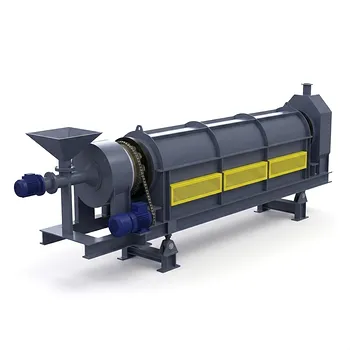
Electric Rotary Kiln Small Rotary Furnace for Activated Carbon Regeneration
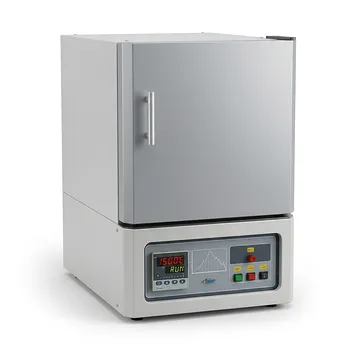
High Temperature 1500C Benchtop Muffle Furnace 3.6L Alumina Fiber Chamber Programmable Controller Sintering Annealing Carbonization Thermal Processing System
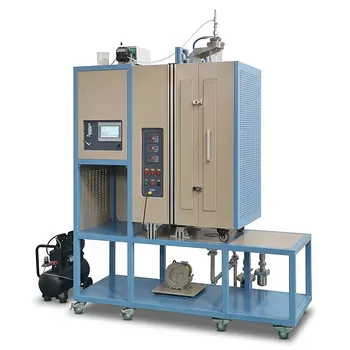
1500C Three Zone Vertical Pyrolysis Furnace for Nanoparticle Synthesis and Advanced Oxide Coating

High Temperature 1700C Vertical Tube Furnace for Powder Spherification and Material Sintering
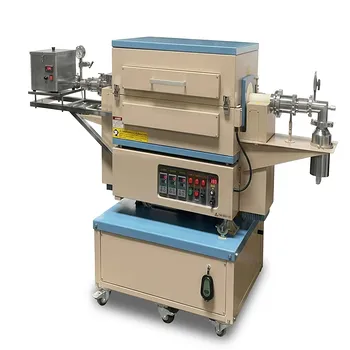
1500C 3-Zone Rotary Tube Furnace 60mm with Automatic Powder Feeding and Receiving System for Continuous Material Synthesis
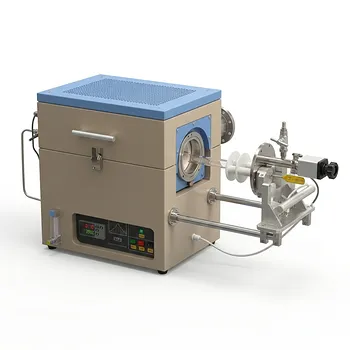
Compact Atmosphere Controlled Rapid Thermal Processing RTP Furnace with 4 Inch ID Quartz Tube 1100C
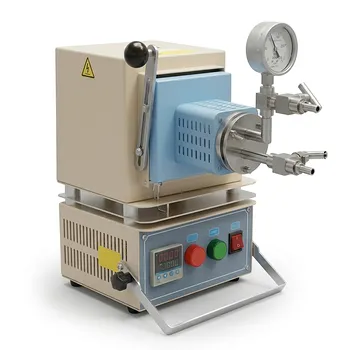
Compact Hybrid Muffle and Tube Furnace for 1000C Controlled Atmosphere Laboratory Material Sintering
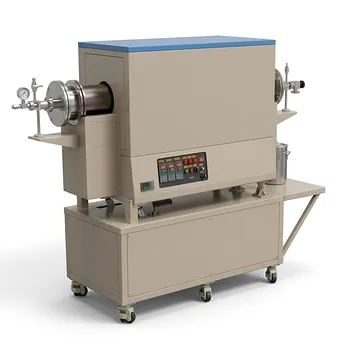
900°C Max Rotary Tube Furnace with 8 Inch 310S Alloy Tube and Optional Multi Zone Heating for Industrial Material Calcination
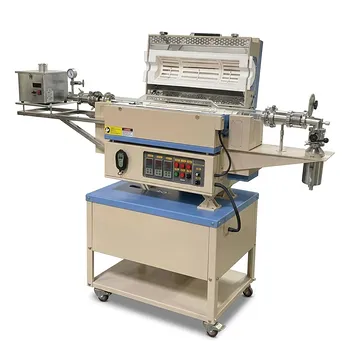
5 Inch Rotary Tube Furnace with Automatic Feeding and Receiving System 1200C Three Zone CVD Powder Processing
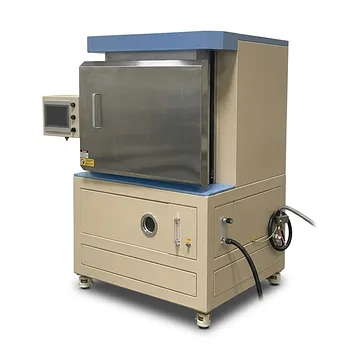
1650C High Temperature Atmosphere Controlled Box Furnace with 65L Chamber for Advanced Material Sintering and Industrial Heat Treatment
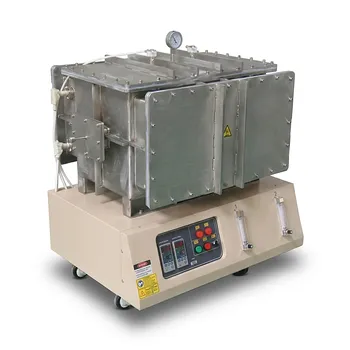
1500°C Atmosphere Controlled Rapid Heating Furnace for Material Science and Battery Powder Sintering
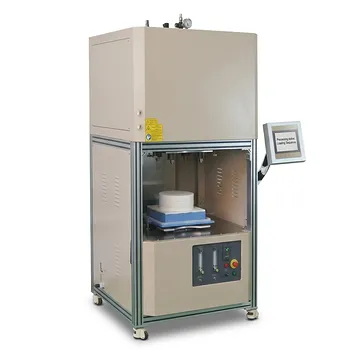
High Temperature Vertical Atmosphere Controlled Furnace with Automatic Bottom Loading and 1700°C Capacity for Advanced Material Research
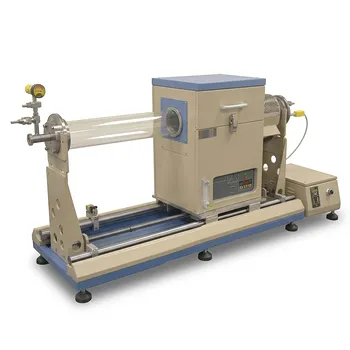
Rapid Thermal Processing Sliding Tube Furnace with 4 Inch OD Quartz Tube and 900C IR Heating
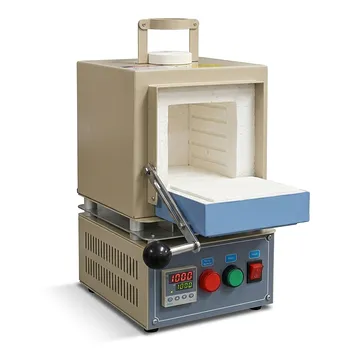
Compact 1000C Muffle Furnace with Programmable Controller and 2 Inch Top Port for Vacuum and Atmosphere Material Research
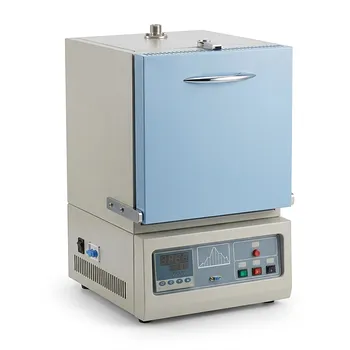
1750C Compact Muffle Furnace 1.7L Ultra High Temperature Laboratory Sintering System for Advanced Ceramics and Material Science Research
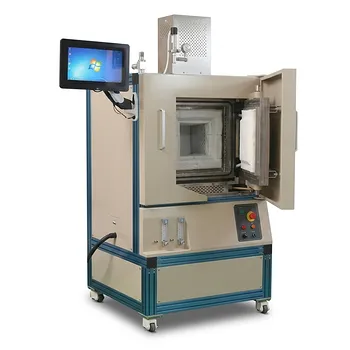
High Temperature Oxygen and Inert Atmosphere Controlled Furnace 8 Liter 1700C Sintering System for Advanced Materials RD

Compact High Temperature 1600C Tube Furnace with 50mm Alumina Tube and Vacuum Flanges for Material Sintering
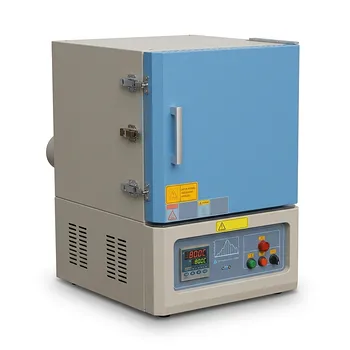
1800C Bench Top Muffle Furnace 18 Liters with Kanthal Super 1900 Heating Elements for High Purity Ceramic Sintering and Material Research
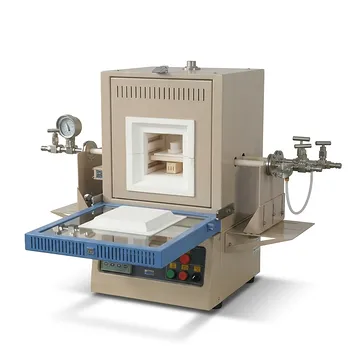
1700C Compact Hybrid Furnace with Dual Layer Box Sintering and Controlled Atmosphere Alumina Tubes