Why is high-purity argon gas required for carbon fiber pyrolysis? Essential Protection for High-Strength Materials
Updated 3 months ago
High-purity argon gas is the industrial standard for carbon fiber pyrolysis because it provides a chemically inert, anaerobic shield. At the extreme temperatures required for pyrolysis, carbon fibers become highly reactive; the introduction of argon displaces oxygen to prevent oxidative ablation, where the fibers would otherwise spontaneously combust and turn into ash. By maintaining this inert atmosphere, the process ensures that the resin matrix undergoes thermal cracking into volatiles rather than burning, preserving the fiber's structural and mechanical integrity.
Core Takeaway: High-purity argon is non-negotiable in carbon fiber pyrolysis because it eliminates oxygen from the reaction zone, shifting the process from destructive combustion to controlled thermal decomposition. This preserves the carbon skeleton and ensures the final material retains its intended mechanical properties and microscopic morphology.
The Critical Mechanism of Oxygen Displacement
Preventing Oxidative Ablation
At high temperatures, carbon has a powerful affinity for oxygen. Without a protective gas, the carbon fibers would undergo oxidative ablation, a process where the solid carbon reacts with oxygen to form CO or CO2 gas. This results in significant material loss and the complete destruction of the fiber's mechanical strength.
Facilitating Matrix Cracking over Combustion
The goal of pyrolysis is to remove the polymer resin matrix surrounding the carbon fibers. High-purity argon ensures that these resins undergo cracking—the breaking of chemical bonds via heat—rather than combustion. This distinction is vital for recovering clean fibers without damaging the carbon filaments themselves.
Maintaining an Anaerobic Environment
The term "anaerobic" refers to a strictly oxygen-free environment. By continuously flowing argon through the tube furnace, researchers can ensure that any trace oxygen or moisture is physically purged from the system. This creates a neutral environment where only the desired thermal reactions can occur.
Preserving Material Properties and Microstructure
Protecting the Carbon Framework
Carbon fibers and their precursors often contain delicate microscopic structures or pore networks. An argon atmosphere protects this carbon framework from being "etched" by oxygen, ensuring that the final product has the specific surface area and structural density required for high-performance applications.
Stabilizing Dopants and Active Sites
In experimental settings involving nitrogen-doped carbon or metal catalysts, argon prevents the oxidation of these sensitive components. It ensures that nitrogen atoms remain stably fixed within the carbon lattice and that metal nano-alloys do not convert into oxides, which would neutralize their catalytic or electrical properties.
Removing Pyrolysis Volatiles
Argon often serves a dual purpose as a carrier gas. As the resin matrix decomposes, it releases volatile organic compounds; the continuous flow of argon sweeps these vapors out of the high-temperature zone. This prevents secondary cracking reactions, where volatiles could re-deposit onto the fibers as poor-quality carbon soot.
Understanding the Trade-offs
The Requirement for High Purity
Standard-grade argon is often insufficient for experimental pyrolysis. Trace amounts of moisture or oxygen impurities in the gas can still cause localized pitting on the fiber surface, leading to significant drops in tensile strength. This necessitates the use of high-purity (99.999% or "5.0") argon.
Gas Flow and Thermal Gradient Issues
While a high flow rate is excellent for oxygen displacement and volatile removal, it can create thermal gradients within the furnace. If the gas enters the hot zone too quickly without pre-heating, it can cool the sample unevenly, leading to inconsistent pyrolysis and residual resin patches on the recovered fibers.
Cost vs. Efficiency
Argon is significantly more expensive than nitrogen, which is also an inert gas. However, argon is preferred in high-end experimental setups because it is completely noble and heavier than air, making it more effective at "blanketing" the sample and preventing air ingress compared to lighter gases.
How to Apply This to Your Project
Recommendations for Experimental Setup
- If your primary focus is Maximum Fiber Strength: Prioritize the highest purity argon (99.999%) and a steady flow rate to ensure no oxygen pitting occurs on the fiber surface.
- If your primary focus is Pore Structure and Surface Area: Use argon as a carrier gas to aggressively remove volatiles, preventing soot deposition from clogging the developed pore network.
- If your primary focus is Doped Carbon or Metal Catalysts: Ensure the argon system is active during both the heating and cooling phases to prevent oxidation of active sites at any temperature above 200°C.
Achieving a truly inert environment through high-purity argon is the foundational step in transitioning from simple burning to sophisticated carbon material synthesis.
Summary Table:
| Function | Mechanism | Impact on Material |
|---|---|---|
| Oxygen Displacement | Creates an anaerobic shield | Prevents oxidative ablation and spontaneous combustion |
| Matrix Cracking | Facilitates thermal decomposition | Removes resins without damaging the carbon skeleton |
| Microstructure Protection | Neutral chemical environment | Preserves pore networks, dopants, and active sites |
| Volatile Removal | Carrier gas action | Sweeps away vapors to prevent soot deposition |
Elevate Your Material Research with THERMUNITS
Precision is critical in carbon fiber pyrolysis. THERMUNITS is a leading manufacturer of high-temperature laboratory equipment for material science and industrial R&D. We provide the advanced Atmosphere, Tube, and Vacuum furnaces necessary to maintain the high-purity inert environments your experiments demand.
From CVD/PECVD systems and Rotary kilns to Muffle and Hot Press furnaces, our comprehensive thermal processing solutions are engineered to prevent oxidation and ensure structural integrity. Don't let oxygen impurities compromise your results—leverage our expertise to optimize your heat treatment process.
Contact our experts today to find your ideal furnace solution!
References
- Xuan Li, Zhigang Shen. Research on Microwave Pyrolysis Recovery and Reuse Performance of Carbon Fiber Composites. DOI: 10.3390/polym16101383
Mentioned Products
- 1500C Three Zone Vertical Pyrolysis Furnace for Nanoparticle Synthesis and Advanced Oxide Coating
- Electric Rotary Kiln Continuous Working Small Rotary Furnace Heating Pyrolysis Plant
- High Temperature 1500C Benchtop Muffle Furnace 3.6L Alumina Fiber Chamber Programmable Controller Sintering Annealing Carbonization Thermal Processing System
- Electric Rotary Kiln Small Rotary Furnace Biomass Pyrolysis Plant
- 1800C Bench Top Muffle Furnace with Kanthal Super 1900 Heating Elements and 3.6L Alumina Fiber Chamber
People Also Ask
- Why is high-precision temperature control essential in a pyrolysis furnace? Master Pd NPs/NO-C Catalyst Synthesis
- Why is Nitrogen (N2) required for 3D carbon electrodes? Ensure material purity and structural integrity.
- What is the technical necessity of multiple high-temperature thermocouples in a pyrolysis furnace? Precision Control
- Why is it necessary to maintain a strict nitrogen (N2) atmosphere during the operation of a pyrolysis furnace? (Pro Tips)
- Why are precise nitrogen supply systems and flow meters necessary in the pyrolysis process? Optimize Purity & Yield.

Tech Team · ThermUnits
Last updated on Jun 02, 2026
Related Products
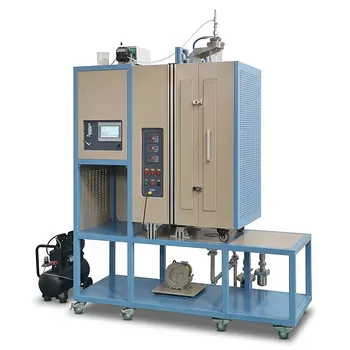
1500C Three Zone Vertical Pyrolysis Furnace for Nanoparticle Synthesis and Advanced Oxide Coating
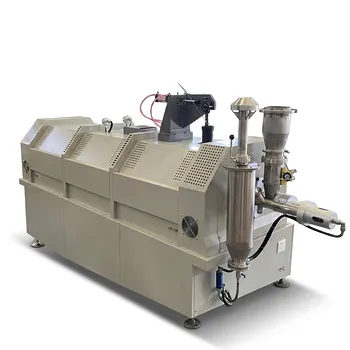
Electric Rotary Kiln Continuous Working Small Rotary Furnace Heating Pyrolysis Plant
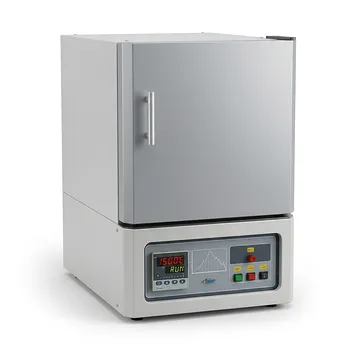
High Temperature 1500C Benchtop Muffle Furnace 3.6L Alumina Fiber Chamber Programmable Controller Sintering Annealing Carbonization Thermal Processing System
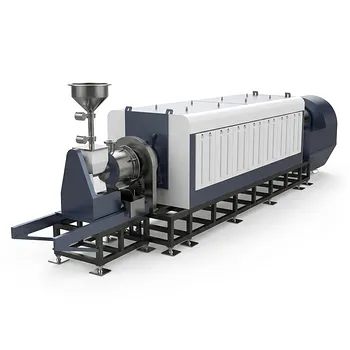
Electric Rotary Kiln Small Rotary Furnace Biomass Pyrolysis Plant
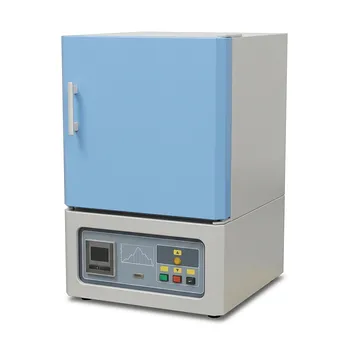
1800C Bench Top Muffle Furnace with Kanthal Super 1900 Heating Elements and 3.6L Alumina Fiber Chamber

High Temperature 1700C Vertical Tube Furnace for Powder Spherification and Material Sintering
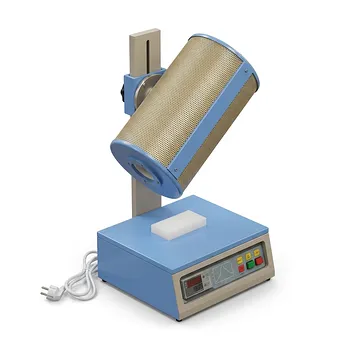
1100°C Vertical Laboratory Furnace for DIY Tubular Reactors with PID Temperature Controller
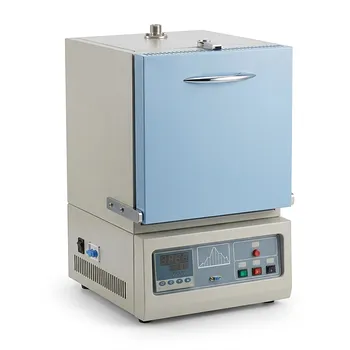
1750C Compact Muffle Furnace 1.7L Ultra High Temperature Laboratory Sintering System for Advanced Ceramics and Material Science Research
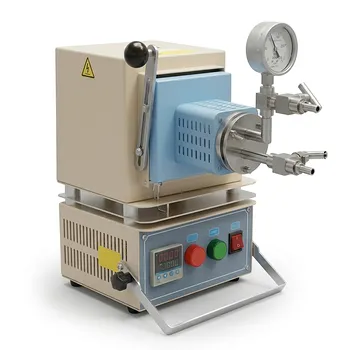
Compact Hybrid Muffle and Tube Furnace for 1000C Controlled Atmosphere Laboratory Material Sintering
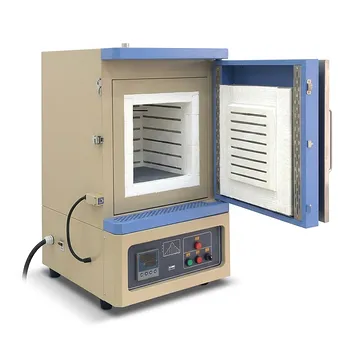
Five Side Heating Muffle Furnace High Purity Alumina Fiber 27L Chamber 1200C High Temperature Thermal Processing System for Sintering Annealing and Materials Research
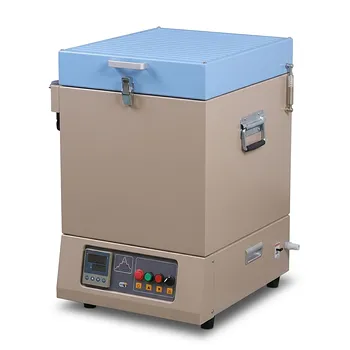
High Temperature Vertical Crucible Furnace with 22L Heating Chamber and 1200C Maximum Temperature
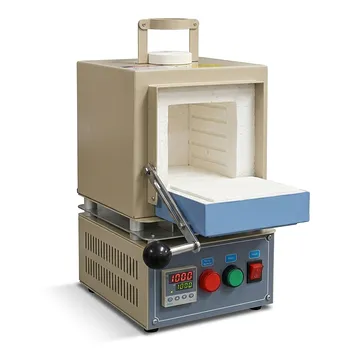
Compact 1000C Muffle Furnace with Programmable Controller and 2 Inch Top Port for Vacuum and Atmosphere Material Research
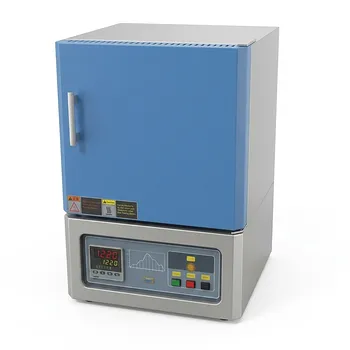
High Temperature Benchtop Muffle Furnace 1700C 10L Chamber Alumina Fiber Insulation MoSi2 Heating Elements
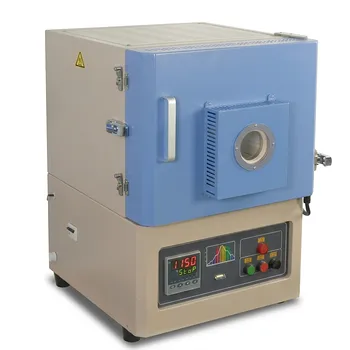
High Temperature Benchtop Muffle Furnace with Quartz Observation Window for Thermal Imaging and Material Analysis
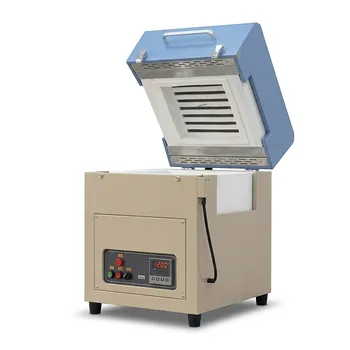
1200 C Maximum Three Sided Heating Top Loading Furnace with 12 x 12 x 8 Inch Chamber for Solid Oxide Fuel Cell Testing and High Temperature RD
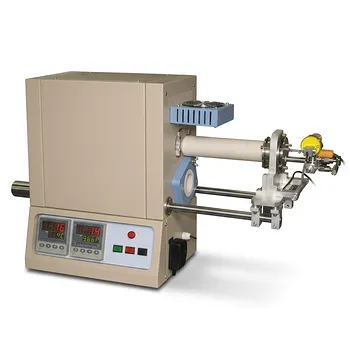
High Temperature Tube Furnace 1500C with Sliding Flanges and 50mm OD for Rapid Thermal Processing Fast Heating and Cooling
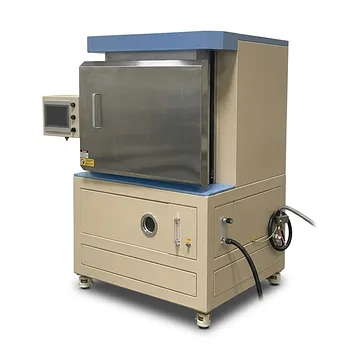
1650C High Temperature Atmosphere Controlled Box Furnace with 65L Chamber for Advanced Material Sintering and Industrial Heat Treatment
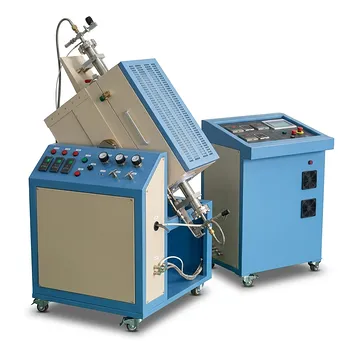
1100C High Pressure Rocking Tube Furnace with 2 Inch Super Alloy Processing Tube for Material Synthesis

1800C High Temperature Compact Vacuum Tube Furnace with 60mm OD Alumina Tube and Kanthal MoSi2 Heating Elements