Why preheat reinforcement particles for Al 6061 composites? Ensure superior bonding and structural integrity.
Updated 3 months ago
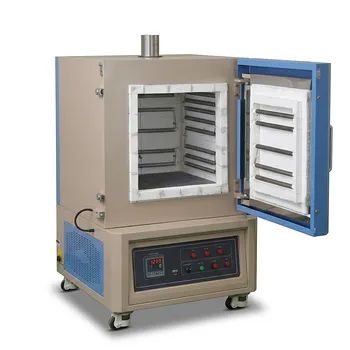
Preheating reinforcement particles in an industrial oven is a critical preparatory step to ensure the structural integrity and uniformity of Al 6061 composites. This process removes moisture and organic impurities while promoting surface oxidation, which facilitates a strong bond between ceramic particles like SiC or Al2O3 and the molten aluminum matrix. By cleaning the surfaces and reducing temperature gradients, the oven prevents common defects such as gas porosity and particle clumping.
The primary purpose of using an industrial oven is to transform chemically inert and contaminated reinforcements into clean, reactive agents that bond effectively with liquid metal. This ensures a high-strength composite by optimizing the interface between the metal matrix and the ceramic particles.
Eliminating Surface Contaminants
Removing Adsorbed Moisture and Volatiles
Ceramic particles naturally attract moisture and volatile organic compounds from the atmosphere during storage. If these are not removed via heating, they can cause violent splashing or the formation of gas pore defects when the particles contact the molten aluminum.
Eliminating Organic Impurities
Industrial ovens typically maintain temperatures for 1 to 2 hours to ensure all residual organic matter is incinerated. This deep cleaning is essential because any remaining carbon-based impurities will act as a barrier, preventing the liquid aluminum from "wetting" or sticking to the particle.
Optimizing the Chemical Interface
Promoting Surface Oxidation
In the context of Al 6061 composites, preheating is often used to deliberately oxidize the particle surfaces. This oxide layer acts as a bridge that enhances the surface chemical affinity between the ceramic and the molten alloy.
Improving Wettability and Dispersion
Wettability refers to the ability of the liquid metal to maintain contact with the reinforcement surface. Improved wettability, achieved through preheating, allows the particles to be distributed evenly during the stirring stage, significantly reducing particle agglomeration (clumping).
Thermal Management and Structural Integrity
Reducing the Temperature Gradient
Introducing cold particles into a hot melt creates a massive temperature gradient, which can lead to localized solidification of the metal. Preheating particles to temperatures between 400°C and 650°C minimizes this difference, ensuring a smoother mixing process.
Minimizing Thermal Shock
Rapid heating of ceramic particles can lead to thermal shock, potentially causing micro-cracking within the reinforcements. By using an oven to gradually bring the particles up to temperature, the structural integrity of the SiC or Al2O3 is preserved before they enter the matrix.
Understanding the Trade-offs
While preheating is essential, it requires precise control over temperature and atmosphere. Excessive heating can lead to over-oxidation, which may embrittle the interface and reduce the composite's overall toughness.
Furthermore, using standard industrial ovens in atmospheric conditions may not be suitable for all materials. For certain sensitive reinforcements, a vacuum oven may be required to eliminate moisture without altering the chemical state of the particle surface, though this increases operational costs.
How to Apply This to Your Project
Selecting the Right Preheating Strategy
The specific parameters for your industrial oven should be dictated by your material composition and desired mechanical properties.
- If your primary focus is maximizing interfacial strength: Heat particles to at least 500°C–650°C to ensure a robust oxide layer and high chemical affinity.
- If your primary focus is preventing porosity in the casting: Prioritize a longer soak time (1-2 hours) at a moderate temperature to ensure all deep-seated moisture is evacuated.
- If your primary focus is preventing reinforcement degradation: Consider using a vacuum oven if the reinforcement particles are prone to losing their physicochemical properties when oxidized.
Properly preheated particles are the foundation of a high-performance metal matrix composite, turning a simple mixture into a sophisticated engineered material.
Summary Table:
| Key Objective | Benefit for Composite | Preheating Detail |
|---|---|---|
| Contaminant Removal | Prevents gas porosity & splashing | Removes moisture and volatile organics |
| Interfacial Bonding | Enhances wettability | Promotes surface oxidation for chemical affinity |
| Thermal Balance | Reduces temperature gradients | Minimizes localized solidification in melt |
| Structural Integrity | Prevents micro-cracking | Reduces thermal shock through gradual heating |
Optimize Your Composite Research with THERMUNITS
Achieving the perfect interface in Al 6061/SiC/Al2O3 composites requires the precise thermal control that only industry-leading equipment can provide. THERMUNITS is a premier manufacturer of high-temperature laboratory equipment specifically designed for material science and industrial R&D.
Whether you need Muffle, Vacuum, or Atmosphere furnaces for particle preheating, or advanced CVD/PECVD and Hot Press systems for complex material synthesis, we offer the comprehensive solutions your lab demands. Our equipment ensures uniform heat distribution and precise atmospheric control to eliminate contaminants and maximize interfacial strength.
Ready to elevate your material processing? Contact our technical team today to discuss your specific heat treatment requirements and discover how THERMUNITS can empower your next breakthrough.
References
- Vipin Sharma, Shalom Akhai. CHARACTERIZATION OF Al 6061/Al2O3/SiC COMPOSITES WITH CERIUM OXIDE: CORROSION ANALYSIS AND MICROSTRUCTURAL INSIGHTS. DOI: 10.62753/ctp.2024.07.1.1
Mentioned Products
- Industrial Large Box Furnace 1700C 216L High Temp Muffle Sintering System
- Induction Heating System with Temperature Control for High Temperature Vacuum Sintering and Melting
- Vertical 1700C Vacuum and Atmosphere Tube Furnace with 80mm Alumina Tube
- High Temperature 1000C Vacuum Furnace with 8 Inch ID Chamber for Material Sintering and Research Annealing
- Bottom Loading Vacuum Furnace 1200C Rapid Cooling Atmosphere Control Quartz Chamber
People Also Ask
- Why is an industrial high-temperature box furnace used for the pre-sintering of calcium silicate carriers? Key Benefits
- What is the role of an industrial box furnace in the oxidation and reduction processes of nickel electrodes? - Key Roles
- What is the role of a high-temperature box furnace in the solid-state synthesis of Europium-doped M3MgSi2O8 phosphors?
- What is the function of industrial box muffle furnaces in the high-temperature corrosion assessment of ZrO2-Dy3TaO7 coatings?
- How does the temperature control precision of a high-temperature sintering furnace affect Na1+xLa1-xZr2O6-δ ceramics?

Tech Team · ThermUnits
Last updated on Jun 03, 2026
Related Products
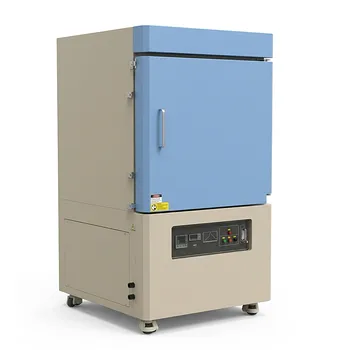
Industrial Large Box Furnace 1700C 216L High Temp Muffle Sintering System
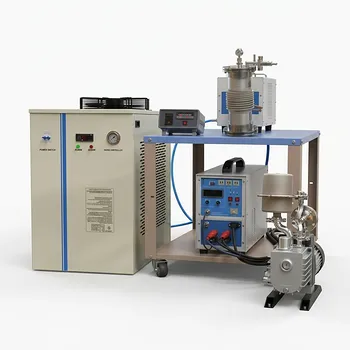
Induction Heating System with Temperature Control for High Temperature Vacuum Sintering and Melting

Vertical 1700C Vacuum and Atmosphere Tube Furnace with 80mm Alumina Tube
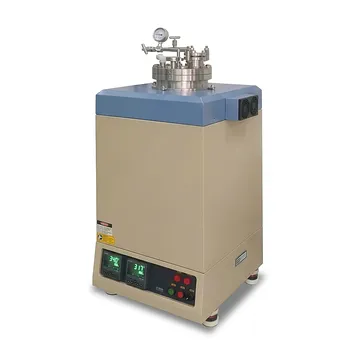
High Temperature 1000C Vacuum Furnace with 8 Inch ID Chamber for Material Sintering and Research Annealing
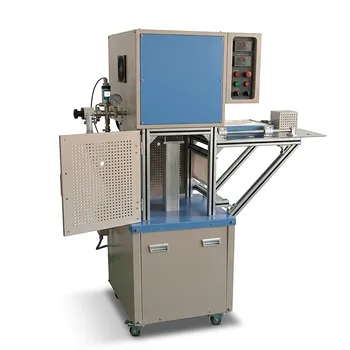
Bottom Loading Vacuum Furnace 1200C Rapid Cooling Atmosphere Control Quartz Chamber
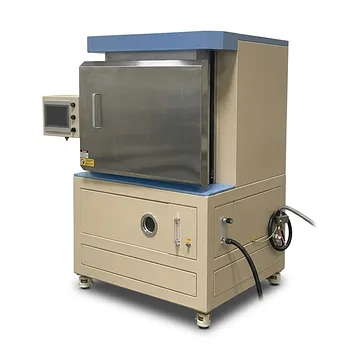
1650C High Temperature Atmosphere Controlled Box Furnace with 65L Chamber for Advanced Material Sintering and Industrial Heat Treatment
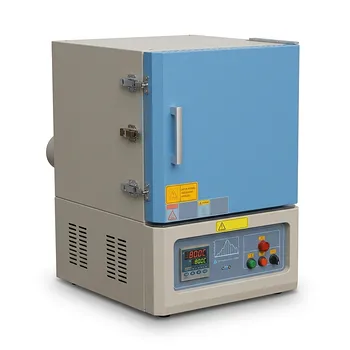
1800C Bench Top Muffle Furnace 18 Liters with Kanthal Super 1900 Heating Elements for High Purity Ceramic Sintering and Material Research
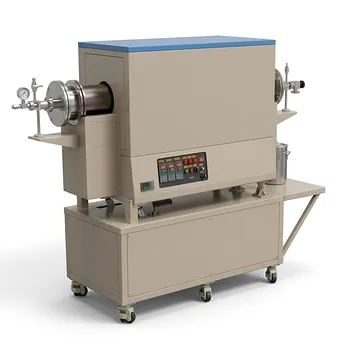
900°C Max Rotary Tube Furnace with 8 Inch 310S Alloy Tube and Optional Multi Zone Heating for Industrial Material Calcination
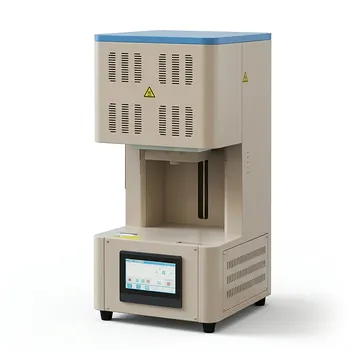
Automated 1700C High Temperature Bottom Loading Box Furnace with PC Software Control and Robotic Integration Capability
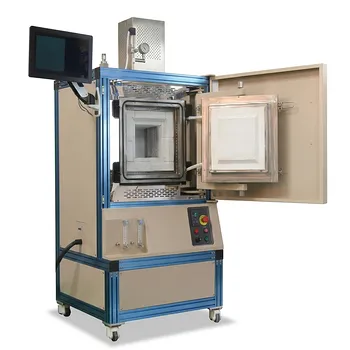
High Temperature Hydrogen Atmosphere Box Furnace 1650C Max Reducing Environment Material Synthesis System 8x8x8 Chamber
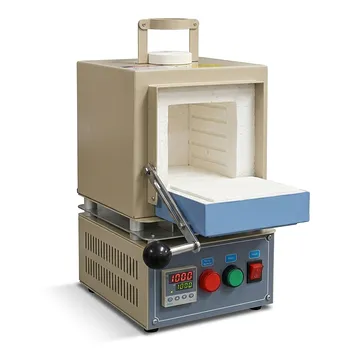
Compact 1000C Muffle Furnace with Programmable Controller and 2 Inch Top Port for Vacuum and Atmosphere Material Research
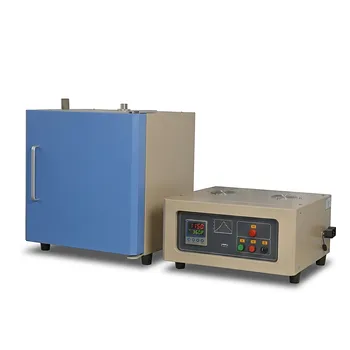
High Temperature Muffle Furnace with Alloy Chamber for Debinding and Sintering Applications

High Temperature 1500C Benchtop Muffle Furnace 3.6L Alumina Fiber Chamber Programmable Controller Sintering Annealing Carbonization Thermal Processing System
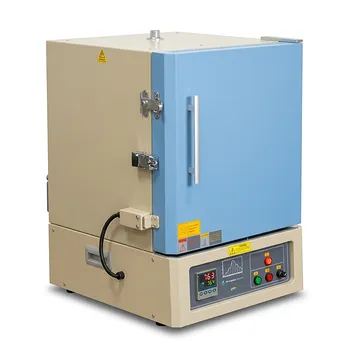
Large Capacity 1200C Muffle Furnace 64 Liter Chamber with Digital PID Controller and Built In Venting Port
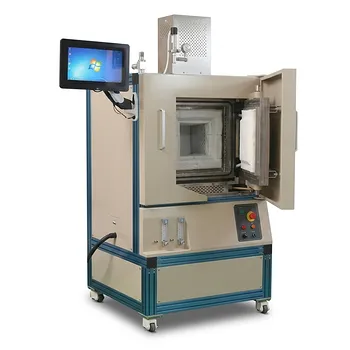
High Temperature Oxygen and Inert Atmosphere Controlled Furnace 8 Liter 1700C Sintering System for Advanced Materials RD
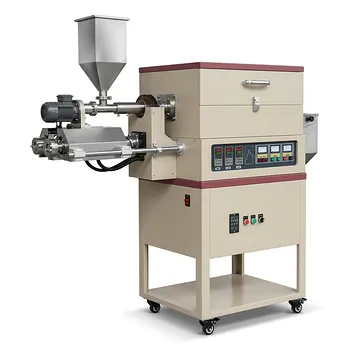
Laboratory Tilting Rotary Tubular Furnaces for Material Science and Industrial Heat Treatment
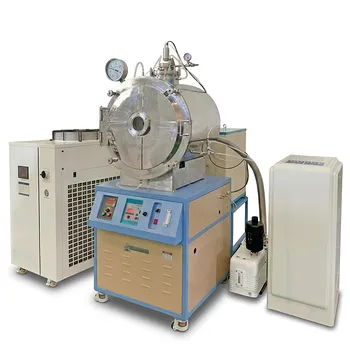
Ultra High Temperature Induction Heated Vacuum Furnace with Molten Salt Electrolysis Capability and 3000 Degree Precision Control
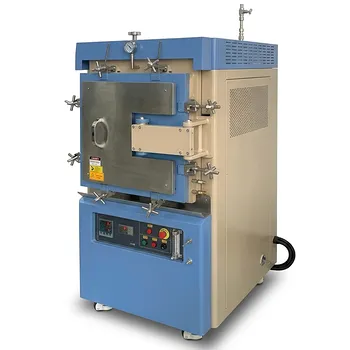
Atmosphere Controlled Muffle Furnace 1700C Maximum Temperature 80L High Capacity Vacuum Inert Gas Box Furnace