Why use an inert gas system for biochar pyrolysis? Protect Carbon Structure & Maximize Surface Area
Updated 5 months ago
The inert gas protection system is the fundamental safeguard against carbon loss and structural degradation.
For high-performance biochar pyrolysis, an inert gas system—typically utilizing high-purity nitrogen—is essential to eliminate oxygen from the furnace chamber. By creating a strictly anaerobic environment, the system prevents biomass from undergoing combustion or oxidation at high temperatures, ensuring the material undergoes controlled thermal reorganization rather than turning to ash.
Core Takeaway: An inert gas protection system transforms a furnace from a simple combustion chamber into a precision reactor. It ensures that thermal energy is used exclusively for carbonization and pore development rather than destructive oxidation.
Preventing Thermal Degradation through Atmosphere Control
The Role of Oxygen Displacement
At typical pyrolysis temperatures of 600°C to 800°C, biomass is highly reactive. An inert gas system continuously flushes the furnace to exclude oxygen, preventing the aerobic combustion of carbonaceous materials.
Facilitating Thermal Reorganization
In the absence of oxygen, heat triggers controlled dehydrogenation and the reorganization of carbon atoms. This process is necessary to produce biochar with high carbon content and a stable carbon skeleton.
Removal of Volatile Byproducts
A constant flow of inert gas (such as 100 cm³/min of nitrogen) does more than just protect the sample; it carries away volatile components released during heating. This prevents unwanted secondary reactions that could contaminate the biochar surface.
Engineering High-Performance Material Properties
Development of Microporous Structures
Strict atmospheric control is the primary driver behind pore development. By preventing oxidation, the furnace allows for the induction of complex microporous structures and high specific surface areas, which are vital for adsorption and deionization.
Preservation of Surface Chemistry
High-performance applications often require specific surface functional groups or persistent free radicals (PFRs). Inert atmospheres allow for the precise regulation of the aromatization degree, ensuring the biochar retains the chemical activity needed for tasks like reducing contaminants.
Uniformity of Chemical Activation
When using activators like KOH, a stable thermal field combined with an inert atmosphere ensures that redox reactions occur uniformly across the sample. This uniformity is critical for achieving the high-performance benchmarks required in laboratory and industrial settings.
Understanding the Trade-offs
Gas Flow Dynamics
Selecting the correct flow rate is a delicate balance. If the flow is too low, residual oxygen or accumulated volatiles can degrade the quality of the pores; if it is too high, it may cause temperature fluctuations or excessive removal of beneficial volatile species.
Operational Costs and Complexity
Implementing a high-purity inert system increases operational overhead due to the cost of nitrogen or argon. Additionally, the furnace must be equipped with high-precision flow controllers and airtight seals, increasing the complexity of maintenance and pre-heating protocols.
Vacuum vs. Purging
While simple purging is common, some high-performance goals require a vacuum pump to remove air before the inert gas is introduced. This adds another layer of equipment and potential failure points but ensures the highest possible level of oxygen exclusion.
How to Apply This to Your Project
When configuring an industrial-grade tube furnace for biochar production, your atmospheric strategy should align with your end-product requirements.
- If your primary focus is maximum carbon yield: Prioritize a strictly anaerobic environment with high-purity nitrogen to prevent any oxidation losses of the carbon skeleton.
- If your primary focus is high surface area (adsorption): Use a consistent, precision-controlled gas flow to ensure volatile components are swept away without disturbing the developing pore structure.
- If your primary focus is chemical reactivity (PFRs): Focus on precise temperature curves in tandem with inert gas protection to maintain specific surface functional groups.
By mastering the inert atmosphere, you move from simple waste processing to the sophisticated engineering of carbon-based materials.
Summary Table:
| Key Feature | Functional Role | Impact on Biochar Quality |
|---|---|---|
| Oxygen Displacement | Creates strictly anaerobic environment | Prevents combustion and maximizes carbon yield |
| Volatile Removal | Carries away released gases/byproducts | Prevents surface contamination and pore blockage |
| Thermal Reorganization | Facilitates controlled dehydrogenation | Ensures stable carbon skeleton and chemical activity |
| Atmosphere Stability | Regulates redox reactions (e.g., with KOH) | Ensures uniform activation and high specific surface area |
Elevate Your Carbon Research with THERMUNITS Precision
In the demanding fields of material science and industrial R&D, the difference between low-value ash and high-performance biochar lies in precise atmospheric control. THERMUNITS is a leading manufacturer providing the engineering excellence required for sophisticated thermal reorganization.
Our comprehensive range of thermal processing solutions—including Tube, Vacuum, Atmosphere, Muffle, Rotary, and Hot Press furnaces, as well as CVD/PECVD systems and Vacuum Induction Melting (VIM) furnaces—are designed to give you total control over your heating environment.
Why partner with THERMUNITS?
- Superior Gas Integrity: Our furnaces feature high-precision flow controllers and airtight seals for perfect inert gas protection.
- Versatile Applications: Ideal for everything from dental furnaces to industrial-grade electric rotary kilns.
- R&D Focused: Specialized equipment tailored for advanced carbonization, deionization, and contaminant reduction research.
Ready to optimize your pyrolysis yield and pore development? Contact our technical experts today to find the perfect furnace for your laboratory or industrial requirements!
References
- Douha Sabah Khudair, Yasser I. Abdul-Aziz. Preparation and Characterization of Biochar from New Precursor. DOI: 10.29194/njes.27040441
Mentioned Products
- Gas Pre-Heating Tube Furnace for High Temperature Pyrolysis Reactors and Material Science Research
- Electric Rotary Kiln Small Rotary Furnace Biomass Pyrolysis Plant
- 1500C Three Zone Vertical Pyrolysis Furnace for Nanoparticle Synthesis and Advanced Oxide Coating
- Electric Rotary Kiln Continuous Working Small Rotary Furnace Heating Pyrolysis Plant
- High Temperature 1700C Vertical Tube Furnace for Powder Spherification and Material Sintering
People Also Ask
- What is the function of a preheated high-temperature tube furnace in the rapid pyrolysis synthesis of carbon nitride films?
- What is the role of a high-temperature tube furnace in coal powder pyrolysis benchmarking? Achieve Precise Baselines.
- Why is high-precision temperature control essential in a pyrolysis furnace? Master Pd NPs/NO-C Catalyst Synthesis
- How does a high-temperature tube furnace facilitate the pyrolysis of PR-ZS hybrid aerogels into carbon aerogels?
- How is a laboratory tube heating furnace applied during the evaluation of denitration catalysts? Essential Guide

Tech Team · ThermUnits
Last updated on Apr 14, 2026
Related Products
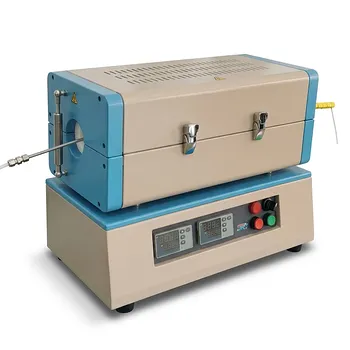
Gas Pre-Heating Tube Furnace for High Temperature Pyrolysis Reactors and Material Science Research
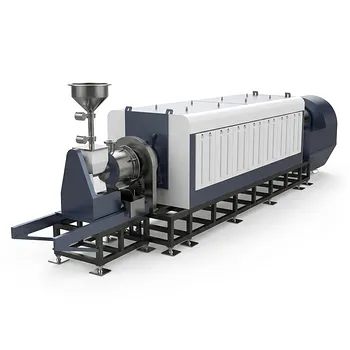
Electric Rotary Kiln Small Rotary Furnace Biomass Pyrolysis Plant
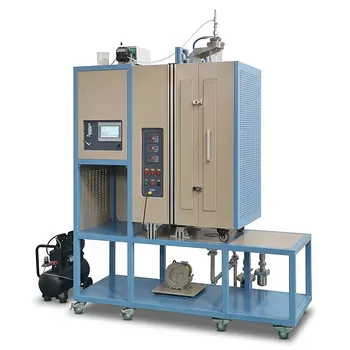
1500C Three Zone Vertical Pyrolysis Furnace for Nanoparticle Synthesis and Advanced Oxide Coating
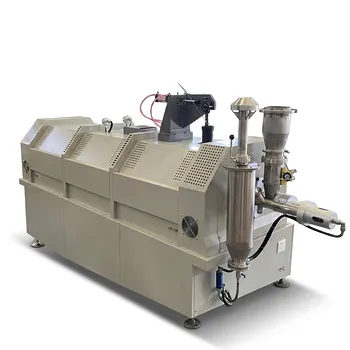
Electric Rotary Kiln Continuous Working Small Rotary Furnace Heating Pyrolysis Plant

High Temperature 1700C Vertical Tube Furnace for Powder Spherification and Material Sintering

High Temperature Automated 5 Inch Tube Furnace for Autonomous Material Research and Advanced Laboratory R&D

Compact High Temperature 1600C Tube Furnace with 50mm Alumina Tube and Vacuum Flanges for Material Sintering
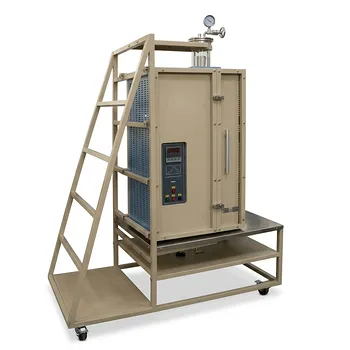
Split Vertical Tube Furnace with 1200C Quartz Tube and Stainless Steel Vacuum Flanges for Rapid Thermal Processing
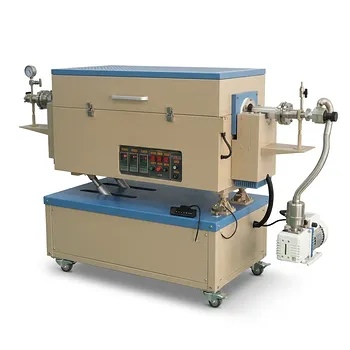
Three Zone Rotary Tube Furnace for High Temperature Powder Processing and Material Research

5 Inch Three Zone Rotary Tube Furnace with Integrated Gas Delivery System and 1200C Capability for Advanced Material CVD Processing
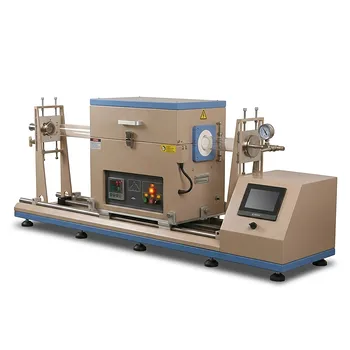
1200C Sliding Tube Furnace for Rapid Thermal Processing and CVD Graphene Growth with 100mm OD Capacity
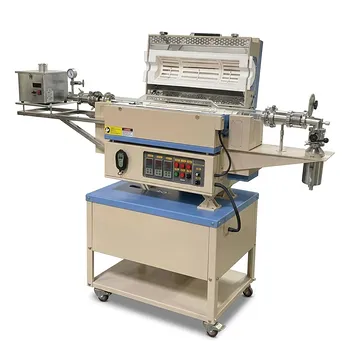
5 Inch Rotary Tube Furnace with Automatic Feeding and Receiving System 1200C Three Zone CVD Powder Processing
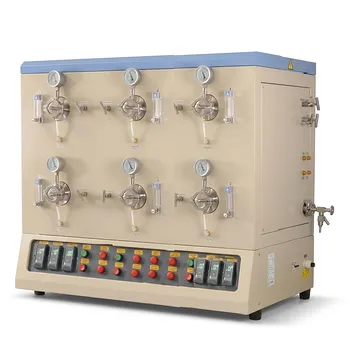
1200C High Throughput Multi Channel Tube Furnace with 50mm Quartz Tubes for Annealing and Material Phase Diagram Research
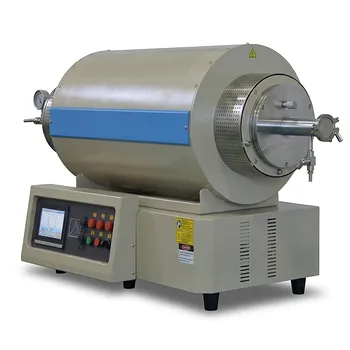
1200C Max Three Zone Tube Furnace 6 Inch OD Max with Tube and Flange

1100C Tube Furnace with Vacuum Flange and Programmable Temperature Controller for Material Science and Industrial Heat Treatment

1800C High Temperature Compact Vacuum Tube Furnace with 60mm OD Alumina Tube and Kanthal MoSi2 Heating Elements
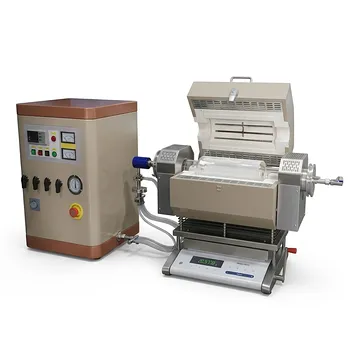
Mini Rotary Tubular Furnaces for Precision Powder Heat Treatment and Thermogravimetric Analysis
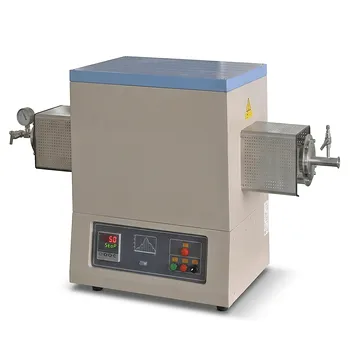
High Temperature 1700C Tube Furnace with 4 Inch OD Alumina Tube and Vacuum Sealing Flanges
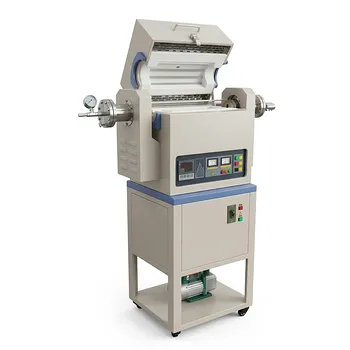
High Temperature Rotary Tilt Tubular Furnaces for Advanced Powder Sintering and Material Processing
