The Architecture of Atoms: Decoding the Thermal Divide Between Sintering and Firing
Apr 16, 2026
The Invisible Transformation
In the quiet hum of a dental laboratory, heat is more than a utility; it is a sculptor.
To the untrained eye, heating a ceramic crown seems like a singular event. But in the world of high-precision material science, we are managing two distinct physical transitions: Sintering and Firing.
One builds the bone; the other creates the light. Understanding the gap between them is the difference between a restoration that lasts decades and one that fails in weeks.
The Physics of Solid Ambition: Sintering
Sintering is a marathon of atomic migration.
When we place a "green" zirconia body into a furnace, we are dealing with a porous, fragile structure. The goal is densification without liquidation.
Solid-State Diffusion
At extreme temperatures—typically 1,400°C to 1,600°C—atoms begin to move across particle boundaries. This is not melting; it is fusion in the solid state. It is the architectural foundation of the tooth.
The Thermal Lifecycle
- Preheating: Evaporating the last traces of moisture.
- The Ramp: A calculated climb to prevent internal stress.
- The Soak: Holding the peak temperature to allow atoms to find their final, dense home.
- Controlled Cooling: The most critical stage for preventing the "micro-shatter" effect.
The result is a material that has shrunk significantly in volume but has gained the structural integrity of a natural diamond.
The Alchemy of Surface: Firing
If sintering is about the skeleton, firing is about the skin.
Firing—often called vitrification—operates at a gentler, yet equally precise, 800°C to 1,200°C. Here, we are no longer trying to move atoms in a solid block; we are inviting a liquid phase to emerge.
The Glass Transition
During firing, veneering ceramics partially melt. This creates a "glassy" flow that fills surface pores and seals the restoration. It is the transition from a dry powder to a translucent, biological mimic.
The Vacuum Advantage
In the pursuit of perfection, air is the enemy. By applying a high vacuum (approx. 730 mmHg), we extract microscopic gas bubbles. Without this, the ceramic would appear "cloudy" or "milky," lacking the depth of natural enamel.
The Margin of Safety: Where Things Go Wrong
In thermodynamics, as in finance, the most dangerous moments occur during rapid change.
- Thermal Shock: If the cooling curve is too aggressive, the exterior of the crown contracts faster than the core. The result is a micro-crack—a silent failure waiting to happen under the pressure of a bite.
- Volumetric Miscalculation: Sintering involves massive shrinkage. If the dwell time or peak temperature deviates by even 1%, the crown will not fit the prep site.
- Contamination: At 1,500°C, even trace impurities in the atmosphere can discolor zirconia, turning a professional restoration into a wasted effort.
Mapping the Process
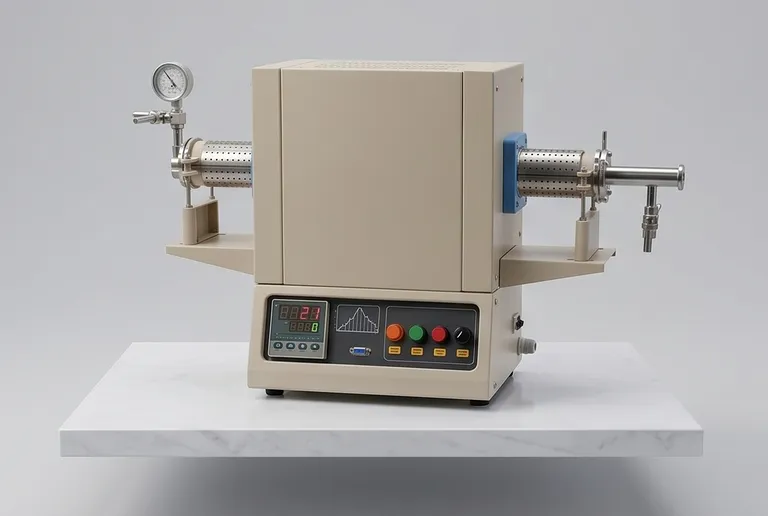
| Feature | Sintering (The Foundation) | Firing (The Finish) |
|---|---|---|
| Temp Range | 1,400°C – 1,600°C | 800°C – 1,200°C |
| State of Matter | Solid-state (No melting) | Partial melting (Liquid phase) |
| Primary Goal | Strength & Densification | Aesthetics & Smoothness |
| Atmosphere | Ambient/Controlled Air | High Vacuum |
| Critical Outcome | Structural Reliability | Optical Translucency |
The Engineer’s Solution: Systematic Precision
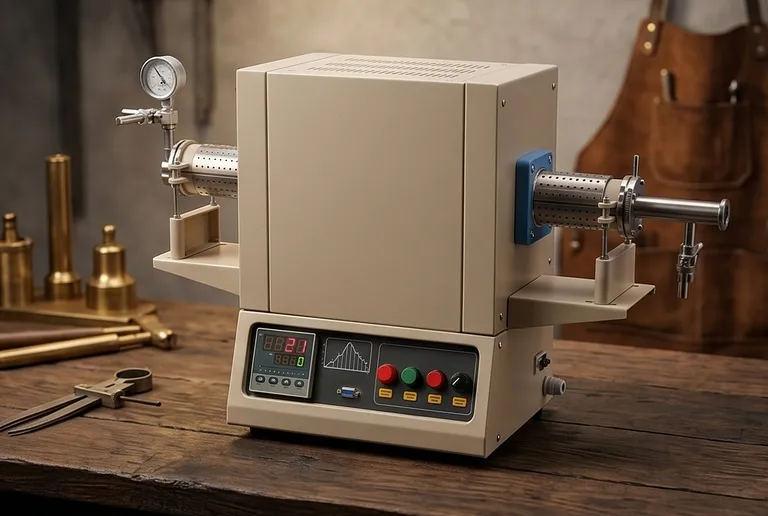
Precision is not an accident; it is a byproduct of the equipment that hosts the reaction. At THERMUNITS, we design thermal systems that respect the delicate physics of material science.
From high-heat Dental Furnaces that master the sintering curve to Vacuum and Atmosphere Furnaces that ensure pristine vitrification, our technology provides the "margin of safety" required for high-stakes R&D and dental production.
Our portfolio extends beyond the dental lab into the frontiers of material science:
- Muffle & Tube Furnaces for foundational research.
- CVD/PECVD Systems for advanced coating.
- Vacuum Induction Melting (VIM) and Hot Press Furnaces for industrial-scale integrity.
Mastering heat is a balance between the power to fuse and the control to preserve.
To elevate your laboratory's thermal precision and eliminate the variables of failure, Contact Our Experts.
Quick Links
Suggested Products
High Temperature Horizontal Electrical Assisted Sintering Furnace with 3KW Programmable Power Source for Advanced Ceramic Materials 1700C Compact Hybrid Furnace with Dual Layer Box Sintering and Controlled Atmosphere Alumina Tubes Roller Table Atmosphere Furnace 1500C High Temperature Battery Material Sintering System 112L Capacity Ultra High Temperature Bench Top Muffle Furnace 1750C Sintering System with Kanthal Super Heating Elements and Precision Digital Control Compact High Temperature 1600C Tube Furnace with 50mm Alumina Tube and Vacuum Flanges for Material SinteringFurther Reading
The Invisible Boundary: Mastering Chemistry within the Architecture of Sintering The Invisible Architecture of a Smile: Engineering Dental Ceramics at 1700°C The Architecture of Equilibrium: Simulating the Extreme Geometry of Silicomanganese Reactions The Physics of Permanence: Why Bismuth Sulfide Requires a Thermal Metamorphosis The Physics of Clarity: Why 1300°C and $10^{-6}$ Bar are Non-Negotiable for Silica Glass
ThermUnits
Last updated on Apr 15, 2026
Related Products
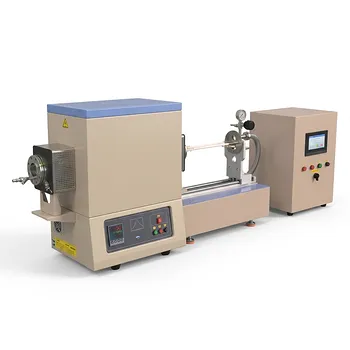
High Temperature Horizontal Electrical Assisted Sintering Furnace with 3KW Programmable Power Source for Advanced Ceramic Materials
1700C Compact Hybrid Furnace with Dual Layer Box Sintering and Controlled Atmosphere Alumina Tubes
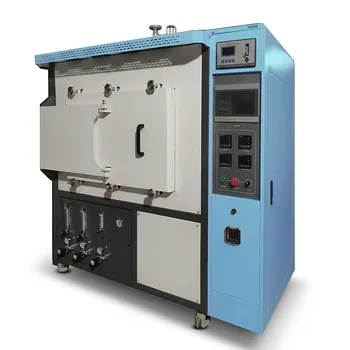
Roller Table Atmosphere Furnace 1500C High Temperature Battery Material Sintering System 112L Capacity
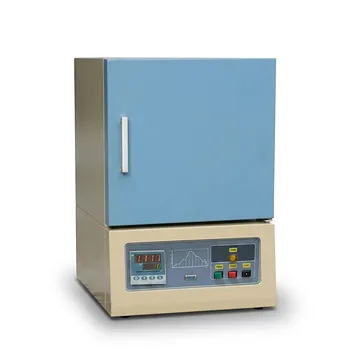
Ultra High Temperature Bench Top Muffle Furnace 1750C Sintering System with Kanthal Super Heating Elements and Precision Digital Control

Compact High Temperature 1600C Tube Furnace with 50mm Alumina Tube and Vacuum Flanges for Material Sintering
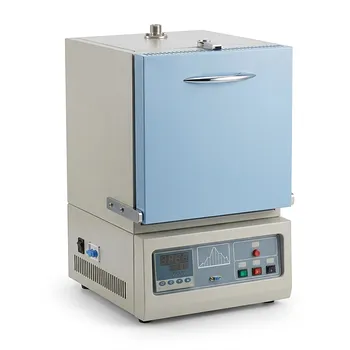
1750C Compact Muffle Furnace 1.7L Ultra High Temperature Laboratory Sintering System for Advanced Ceramics and Material Science Research
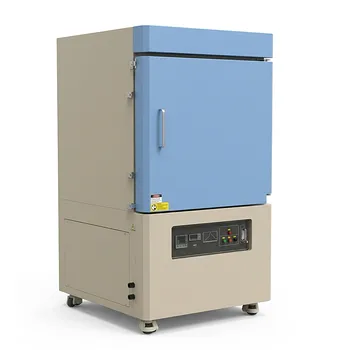
Industrial Large Box Furnace 1700C 216L High Temp Muffle Sintering System

High Temperature 1700C Vertical Tube Furnace for Powder Spherification and Material Sintering
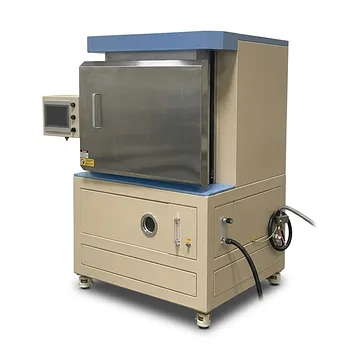
1650C High Temperature Atmosphere Controlled Box Furnace with 65L Chamber for Advanced Material Sintering and Industrial Heat Treatment
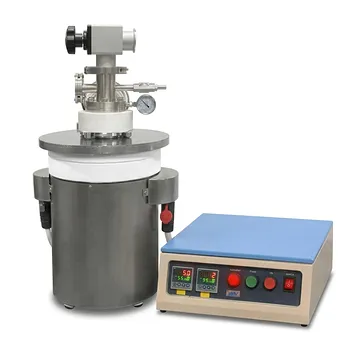
1100C High Temperature Vacuum Crucible Furnace with Quartz Chamber for Thermal Processing and Sintering
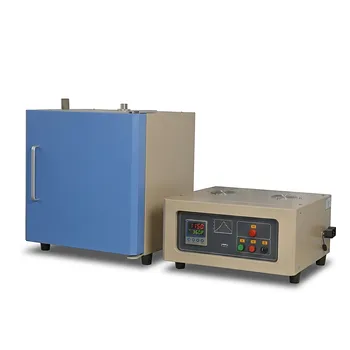
High Temperature Muffle Furnace with Alloy Chamber for Debinding and Sintering Applications
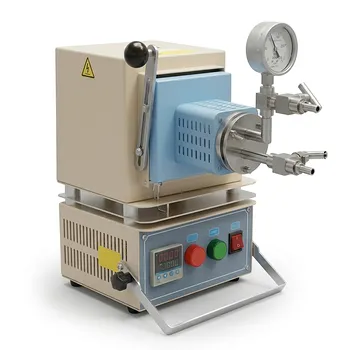
Compact Hybrid Muffle and Tube Furnace for 1000C Controlled Atmosphere Laboratory Material Sintering
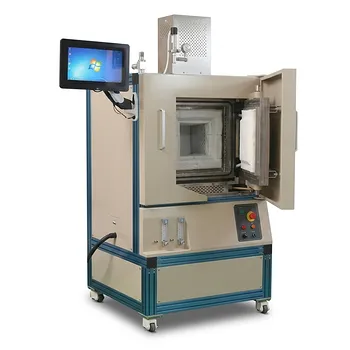
High Temperature Oxygen and Inert Atmosphere Controlled Furnace 8 Liter 1700C Sintering System for Advanced Materials RD
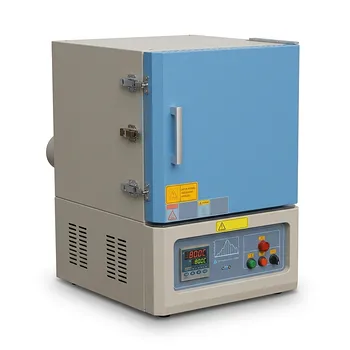
1800C Bench Top Muffle Furnace 18 Liters with Kanthal Super 1900 Heating Elements for High Purity Ceramic Sintering and Material Research
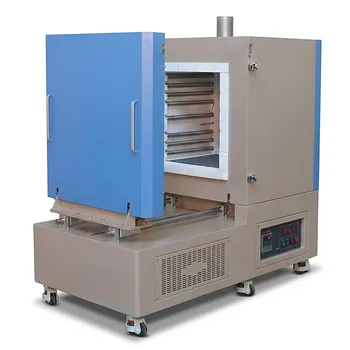
1200C Five Side Heating Muffle Furnace with Sliding Door 125L Volume High Temperature Heat Treatment System for Large Scale Sintering and Annealing
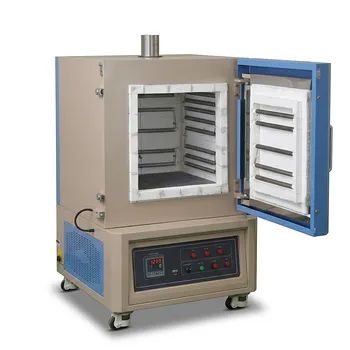
1200C High Temperature 125L Muffle Furnace 5 Side Heating for Large Batch Sintering with Optional Alloy Debinding Chamber
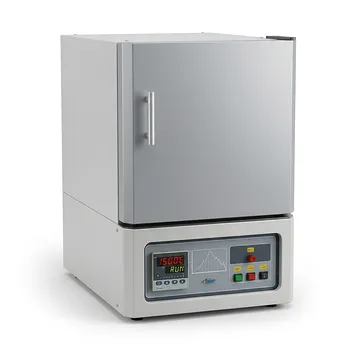
High Temperature 1500C Benchtop Muffle Furnace 3.6L Alumina Fiber Chamber Programmable Controller Sintering Annealing Carbonization Thermal Processing System
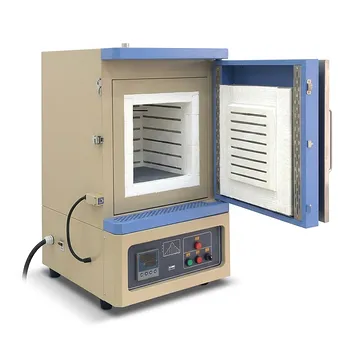
Five Side Heating Muffle Furnace High Purity Alumina Fiber 27L Chamber 1200C High Temperature Thermal Processing System for Sintering Annealing and Materials Research
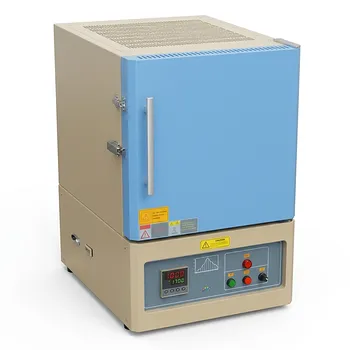
Large Bench Top 1700C High Temperature Muffle Furnace with 19L Chamber for Advanced Material Sintering and Annealing