The Architecture of Purity: Why Quartz Defines the Limits of MoS2 Synthesis
Jun 22, 2026
The Invisible Margin of Error
In the world of 2D materials, we often talk about the "atomic scale" as a conceptual goal. But when you are synthesizing Molybdenum Disulfide (MoS2), the atomic scale is a harsh reality. A single monolayer is only three atoms thick.
At this scale, there is no such thing as a "small" mistake. A few stray atoms of iron or nickel from a reactor wall don't just contaminate the sample; they fundamentally rewrite its electrical DNA.
The choice of a reaction chamber isn't just a logistical decision. It is a decision about the limits of what your material can become. This is why high-purity quartz glass remains the gold standard for Chemical Vapor Deposition (CVD).
The Psychology of Inertness
We tend to value materials for what they do. In semiconductor research, we value quartz for what it refuses to do.
High-purity quartz is defined by its silence. At temperatures exceeding 800°C—where most materials begin to outgas or shed metallic ions—quartz remains chemically stoic.
Why Chemical Silence Matters
- Zero Metallic Migration: Standard alloys or lower-grade ceramics can release trace metals (Fe, Ni, Cr) at high heat. Quartz acts as a biological-grade barrier, ensuring high carrier mobility.
- Precursor Integrity: MoS2 growth relies on the delicate dance between molybdenum and sulfur vapors. Quartz does not join the dance; it merely provides the stage.
- Vacuum Integrity: The ability to maintain a hermetic seal under high vacuum is what prevents oxidation. In the hunt for the perfect monolayer, oxygen is the enemy.
The Engineer’s Transparency
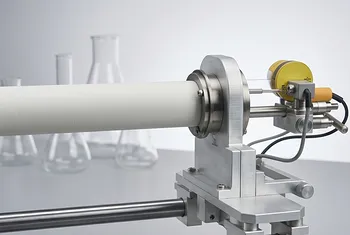
There is a certain "engineer’s romance" in being able to see a process while it happens. Transparency in a CVD tube is not for aesthetics—it is a critical data channel.
Thermal and Optical Dynamics
- Radiation Transfer: Quartz is transparent to infrared radiation. This allows heat from the furnace elements to reach the substrate directly, rather than waiting for the chamber walls to conduct it.
- Real-Time Monitoring: To see the precursor melt, gasify, and travel is to understand the soul of your recipe.
- Laminar Flow Control: The smooth, non-porous inner walls of a quartz tube facilitate stable laminar flow. Turbulence is the enemy of uniformity.
The Fragility of Success
Every high-performance system has its "Achilles' heel." For quartz, it is its physical and thermal sensitivity.
While it can withstand 1000°C, it cannot always withstand the change in temperature. Rapid cooling cycles induce mechanical stress. Like a high-performance engine, it requires a "warm-up" and "cool-down" discipline.
| Feature | Technical Impact | Scientific Outcome |
|---|---|---|
| High Purity | No metallic ion release | Superior photoluminescence |
| Optical Clarity | IR transparency | Precise thermal gradient control |
| Smooth Surface | Laminar gas dynamics | Uniform monolayer thickness |
| Chemical Stability | Resistance to sulfurization | Predictable, repeatable growth |
Designing for the Extremes
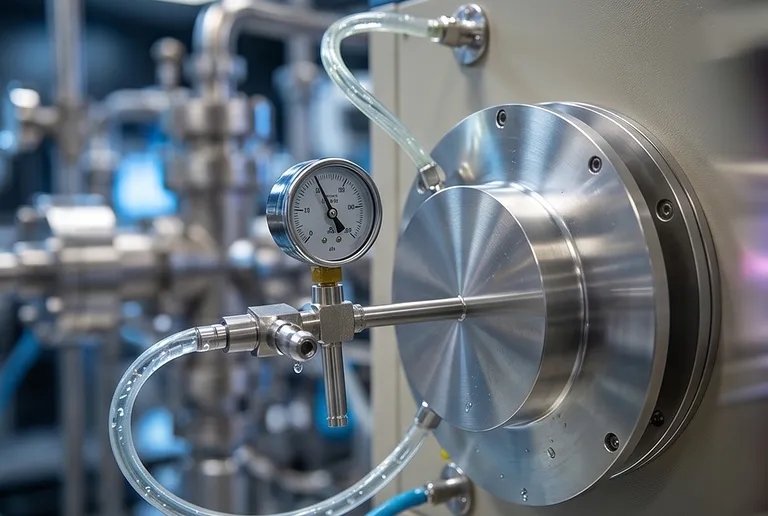
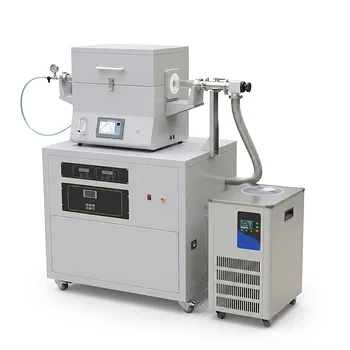
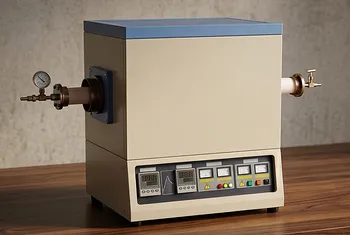
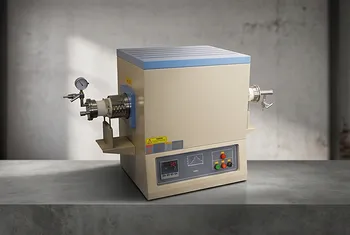
At THERMUNITS, we understand that a furnace is only as good as the environment it creates. Our CVD and PECVD systems are engineered around these principles of purity and control.
We don't just provide the heat; we provide the systemic isolation required for material science breakthroughs. Whether you are working with tube furnaces, vacuum induction melting, or complex atmospheric systems, the goal remains the same: eliminating the variables that stand between you and a perfect crystal lattice.
The most advanced materials require the most disciplined environments. Contact Our Experts
Quick Links
Suggested Products
1100°C Large Diameter Quartz Tube Furnace with 24 Inch Heating Zone and Water Cooled Flanges Dual Zone Quartz Tube Furnace with 80mm Diameter 1200C Max Temperature 3 Channel Gas Mixer and Vacuum Pump System 1100°C Dual Zone Split Vertical Tube Furnace with 4 Inch Quartz Tube and Vacuum Sealing Flanges 1200C Three Zone Vertical Tube Furnace with 2 Inch Quartz Tube and Vacuum Flanges Three Zone Quartz Tube Furnace with 3 Channel Gas Mixer Vacuum Pump and Anti Corrosive Vacuum GaugeFurther Reading
The Geometry of Heat: Disciplining the Atom in Bilayer Graphene Synthesis The Architecture of Order: Thermal Refinement in the Age of Solid-State Physics The Silent Variable: Why Material Purity Begins with the Vessel The Silent Guardian of Luminescence: Why High-Purity Quartz Governs Phosphor Synthesis
ThermUnits
Last updated on Apr 14, 2026
Related Products
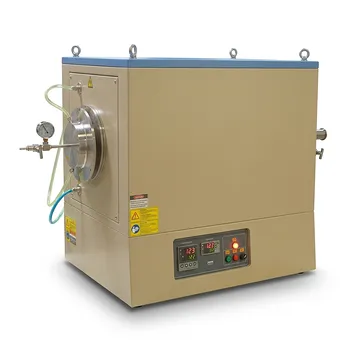
1100°C Large Diameter Quartz Tube Furnace with 24 Inch Heating Zone and Water Cooled Flanges
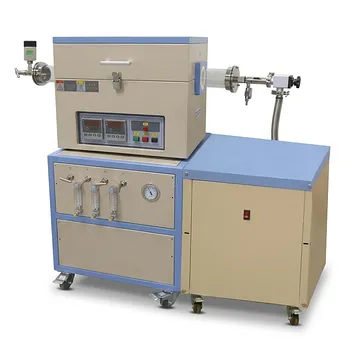
Dual Zone Quartz Tube Furnace with 80mm Diameter 1200C Max Temperature 3 Channel Gas Mixer and Vacuum Pump System
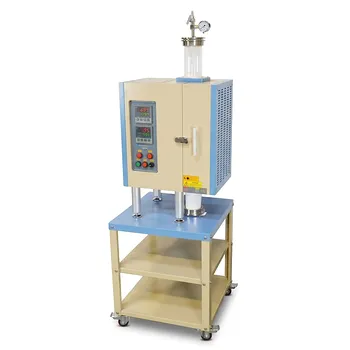
1100°C Dual Zone Split Vertical Tube Furnace with 4 Inch Quartz Tube and Vacuum Sealing Flanges
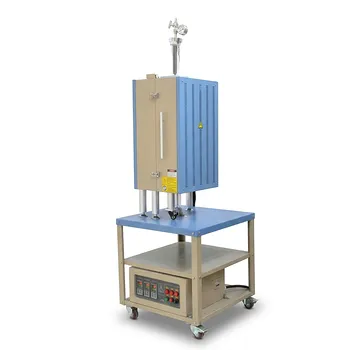
1200C Three Zone Vertical Tube Furnace with 2 Inch Quartz Tube and Vacuum Flanges
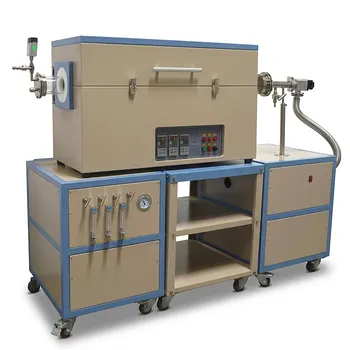
Three Zone Quartz Tube Furnace with 3 Channel Gas Mixer Vacuum Pump and Anti Corrosive Vacuum Gauge
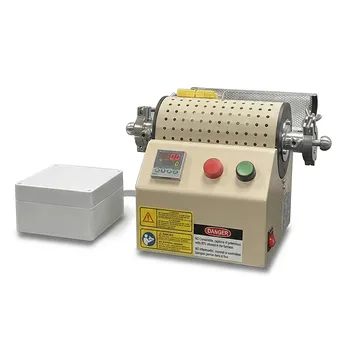
1000C Mini Tube Furnace with 20mm Quartz Tube and Vacuum Flanges for Material Science Research and Controlled Atmosphere Small Sample Processing

Compact Vertical Split Quartz Tube Furnace with Stainless Steel Vacuum Flanges for Rapid Thermal Quenching and Controlled Atmosphere Material Processing
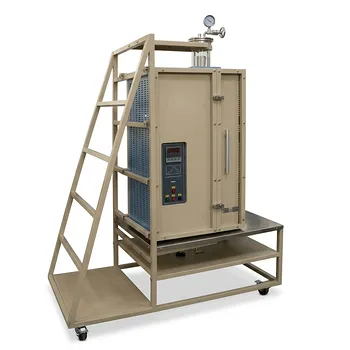
Split Vertical Tube Furnace with 1200C Quartz Tube and Stainless Steel Vacuum Flanges for Rapid Thermal Processing
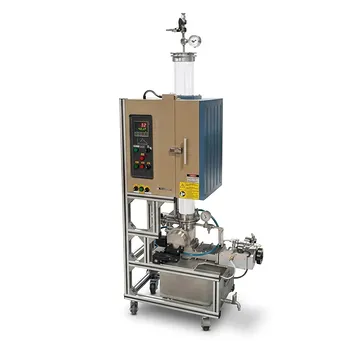
1200C High Temperature Atmosphere Controlled Vertical Quenching Tube Furnace with 4 Inch Quartz Tube
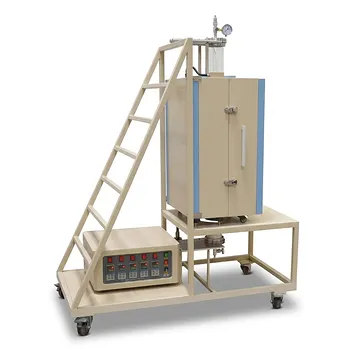
Five Zone Split Vertical Tube Furnace 1200C Max with 4 Inch Quartz Tube and Stainless Steel Vacuum Flanges
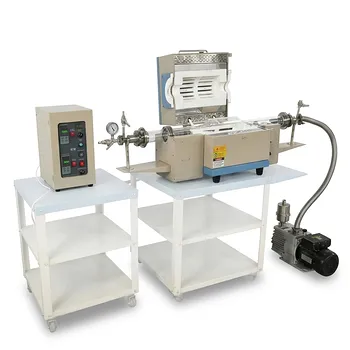
Two Zone Rotary Tube Furnace for Powder CVD Coating and Core Shell Material Synthesis 1100C
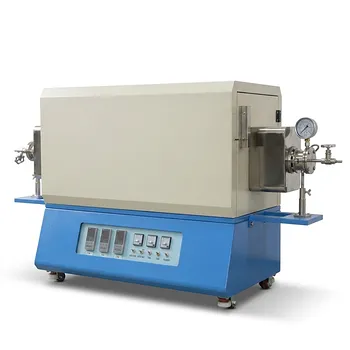
Three Temperature Zone High Temperature Vacuum Tube Furnace for CVD and Material Sintering
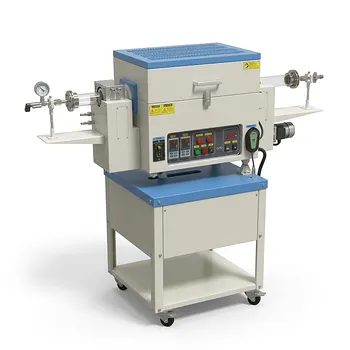
4 Inch Two Zone Rotary CVD Tube Furnace for High Temperature Battery Material Synthesis and Advanced Material Calcination
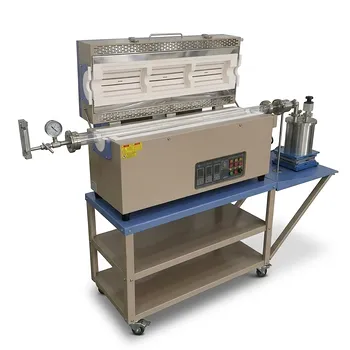
5 Inch Two Zone Rotary Tube Furnace 1100C for Powder CVD and Material Synthesis

5 Inch Three Zone Rotary Tube Furnace with Integrated Gas Delivery System and 1200C Capability for Advanced Material CVD Processing
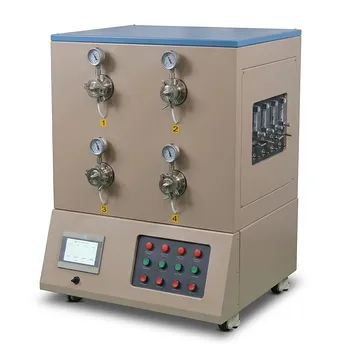
High Throughput 1200C Four Channel Tube Furnace with 3 Inch Quartz Tubes for Multi Zone Annealing and Material Research
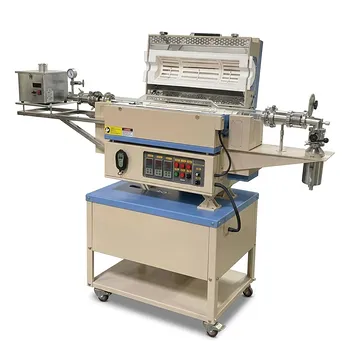
5 Inch Rotary Tube Furnace with Automatic Feeding and Receiving System 1200C Three Zone CVD Powder Processing

Three Zone Tube Furnace with 11 Inch or 15 Inch Quartz Tube and Hinged Flanges for Vacuum Atmosphere Heat Treatment

1200°C 5 Inch Vertical Quartz Tube Furnace with Stainless Steel Vacuum Flanges