The Silent Architect: Why the Thermal Field Dictates the Destiny of FeNi Nanostructures
Apr 20, 2026
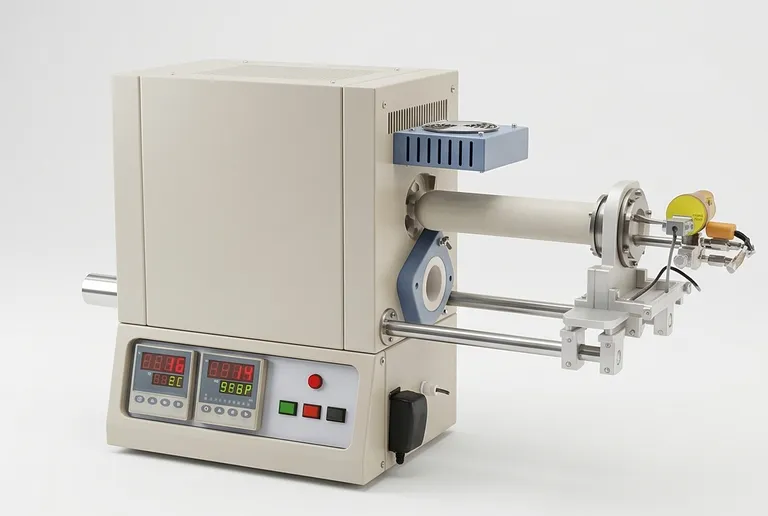
The Invisible Geometry of Synthesis
In the world of nanomaterial synthesis, we often obsess over the chemistry—the precursors, the ratios, the catalysts. But chemistry is a dormant potential until it meets energy. In Aerosol-Assisted Chemical Vapor Deposition (AACVD), the furnace is not just a heater; it is the silent architect of the material’s final form.
When synthesizing FeNi nanostructures, the furnace creates the regulatory environment. It dictates whether an atom finds its place in a perfect lattice or wanders into a chaotic, non-adherent cluster.
The difference between a high-performance catalyst and a failed experiment often comes down to the stability of the thermal field.
The Kinetic Gatekeeper: Precursor Decomposition
Before a nanostructure can grow, its molecular parents must die. The Fe and Ni precursors carry the building blocks, but these blocks are locked behind chemical bonds.
The furnace provides the activation energy—the precise "thermal tax" required to break those bonds.
- Controlled Decomposition: If the heat is steady, the precursors break at a predictable rate.
- Phase Purity: Inconsistent heat leads to side reactions, creating impurities that "poison" the catalytic activity of the FeNi alloy.
- Nucleation: A constant thermal field ensures that once decomposition happens, the "seeds" of the crystals form uniformly across the substrate.
The Fluidity of Heat: Diffusion and Aerosol Paths
In AACVD, the precursors travel as an aerosol mist. This journey is a delicate balance of fluid dynamics and thermodynamics.
The combination of furnace temperature and carrier gas flow rate creates a invisible "corridor." If the temperature is off by even a few degrees, the concentration of reactants reaching the substrate shifts. This directly alters the thickness and density of the FeNi layer.
True precision requires managing the substrate kinetics. As atoms land, the temperature determines their "mobility"—how much they can move to find their optimal seat in the atomic lattice.
The Paradox of Heat: When Energy Becomes an Obstacle
In engineering, more is not always better. High-temperature synthesis faces a classic trade-off: Gas-Phase Precipitation.
If the furnace environment is too aggressive before the aerosol reaches the substrate, the precursors react in mid-air. They form large, heavy particles that fall like "thermal dust." Instead of a precision-engineered nanostructured film, you get a coarse, non-adherent powder.
The challenge is technical, but the goal is structural: maintaining a perfectly uniform thermal field to prevent "dead zones" where catalytic activity drops to zero.
Strategic Selection for FeNi Engineering
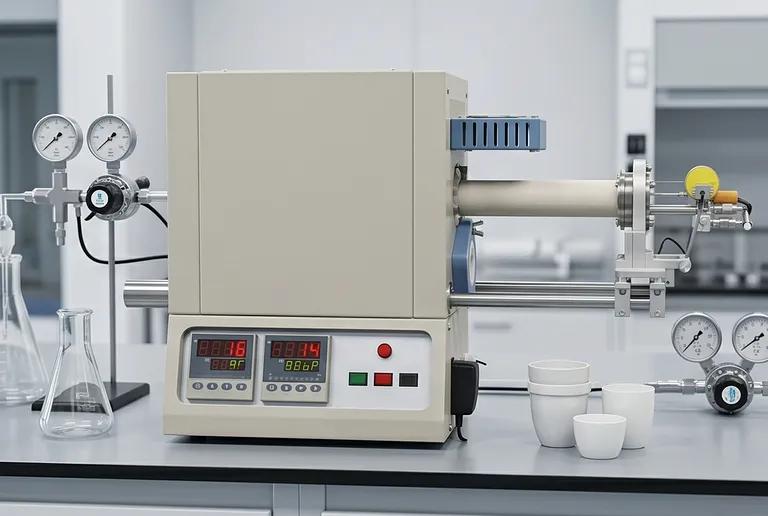
How do you translate these variables into a successful R&D outcome? It depends on your primary objective.
| Priority | Technical Focus | Furnace Requirement |
|---|---|---|
| Catalytic Activity | Precise atomic FeNi ratios | High-accuracy PID temperature control |
| Morphological Uniformity | Consistent size and shape | Homogeneous thermal zone distribution |
| Scaling & Throughput | Continuous precursor delivery | Optimized gas flow/temperature synergy |
| Material Purity | Prevention of oxidation | Controlled atmosphere (Ar, H2, or Vacuum) |
The Engineer’s Conclusion: Control as a Catalyst
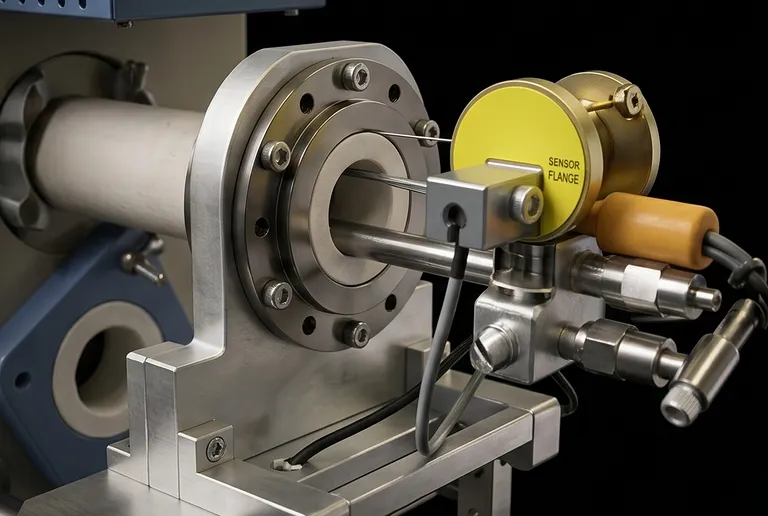
Mastering the furnace environment is the definitive step in transforming raw precursors into highly engineered FeNi catalysts. It is the transition from "trying a recipe" to "engineering a system."
At THERMUNITS, we understand that in material science, a "few degrees" is the difference between a breakthrough and a setback. We provide the high-precision thermal processing solutions—from CVD systems to vacuum atmosphere furnaces—designed to give researchers total control over the nanostructural landscape.
Precision is the foundation of innovation. Whether you are developing next-generation catalysts or advanced FeNi alloys, our systems ensure your thermal field is a tool, not a variable.
Quick Links
Suggested Products
Three Zone Alumina Tube Furnace with Vacuum Flanges High Temperature 1700C Thermal Gradient CVD System High Temperature 1200C Split Tube Furnace for CVD Research and Vacuum Atmosphere Heat Treatment Vertical Openable Tube Furnace 0-1700c High Temperature Laboratory System for CVD and Vacuum Heat Treatment High Temperature Dual Zone Vacuum Tube Furnace for Material Research and CVD Processing 1200°C High Temperature 4 Inch Tube Furnace with Sliding Flange for CVD Systems
ThermUnits
Last updated on Apr 15, 2026
Related Products
Three Zone Alumina Tube Furnace with Vacuum Flanges High Temperature 1700C Thermal Gradient CVD System
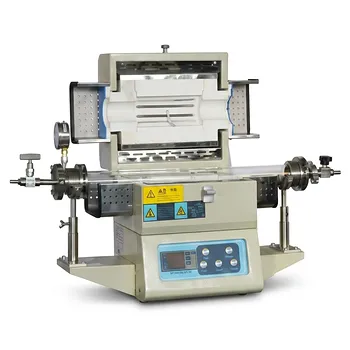
High Temperature 1200C Split Tube Furnace for CVD Research and Vacuum Atmosphere Heat Treatment
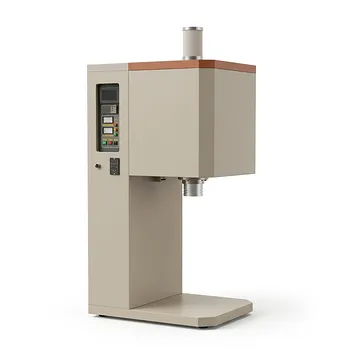
Vertical Openable Tube Furnace 0-1700c High Temperature Laboratory System for CVD and Vacuum Heat Treatment
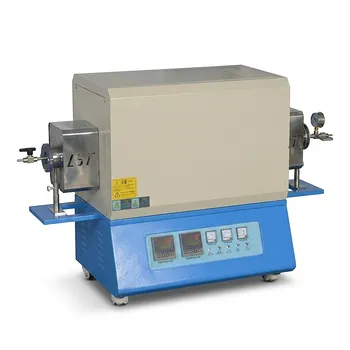
High Temperature Dual Zone Vacuum Tube Furnace for Material Research and CVD Processing
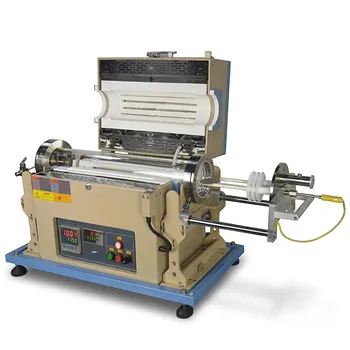
1200°C High Temperature 4 Inch Tube Furnace with Sliding Flange for CVD Systems

High Temperature 1700C Tube Furnace with High Vacuum Turbomolecular Pump System and Multi Channel Mass Flow Controller Gas Mixer

High Temperature 1700C Benchtop Tube Furnace with 5 Inch Heating Zone High Purity Alumina Tube and Vacuum Sealing Flanges
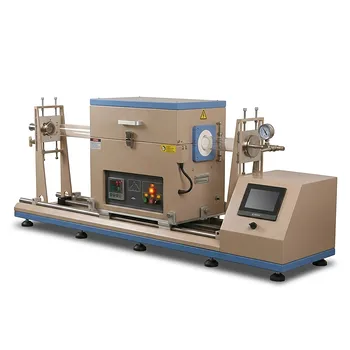
1200C Sliding Tube Furnace for Rapid Thermal Processing and CVD Graphene Growth with 100mm OD Capacity

1750°C High Temperature Benchtop Vacuum Atmosphere Tube Furnace with Kanthal Super 1800 Heating Elements and 60mm Alumina Processing Tube
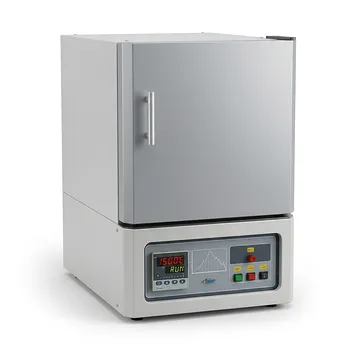
High Temperature 1500C Benchtop Muffle Furnace 3.6L Alumina Fiber Chamber Programmable Controller Sintering Annealing Carbonization Thermal Processing System
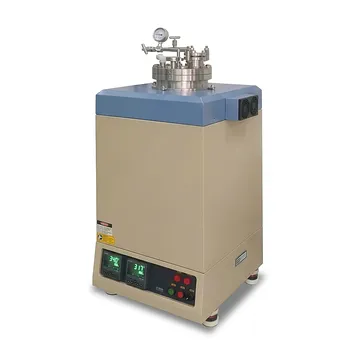
High Temperature 1000C Vacuum Furnace with 8 Inch ID Chamber for Material Sintering and Research Annealing

High Temperature 1700C Vertical Tube Furnace for Powder Spherification and Material Sintering
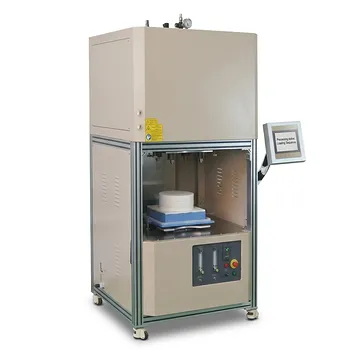
High Temperature Vertical Atmosphere Controlled Furnace with Automatic Bottom Loading and 1700°C Capacity for Advanced Material Research
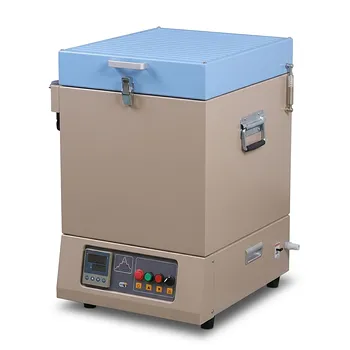
High Temperature Vertical Crucible Furnace with 22L Heating Chamber and 1200C Maximum Temperature

High Temperature Tube Furnace 1500C with Sliding Flanges and 50mm OD for Rapid Thermal Processing Fast Heating and Cooling
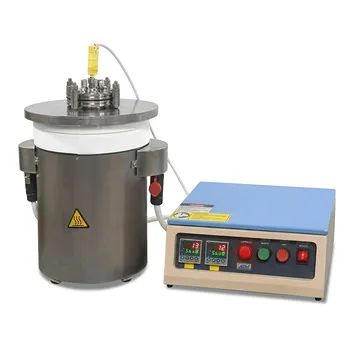
600°C Vertical Crucible Furnace with SS316 Alloy Reactor and 6 Port Vacuum Flange
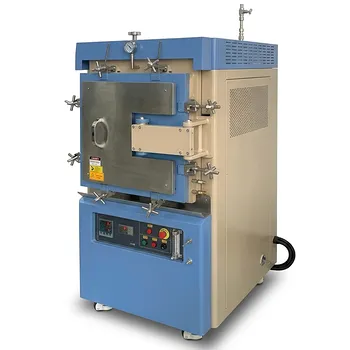
Atmosphere Controlled Muffle Furnace 1700C Maximum Temperature 80L High Capacity Vacuum Inert Gas Box Furnace
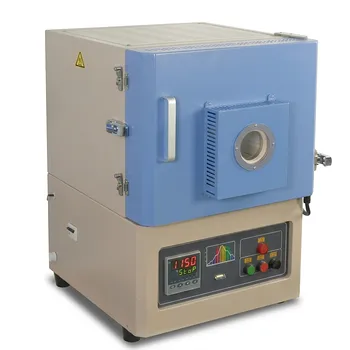
High Temperature Benchtop Muffle Furnace with Quartz Observation Window for Thermal Imaging and Material Analysis
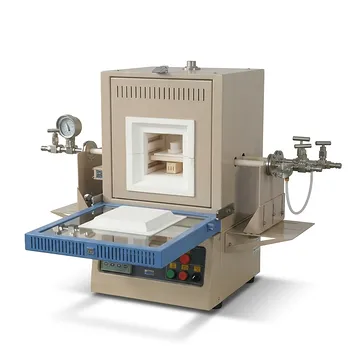
1700C Compact Hybrid Furnace with Dual Layer Box Sintering and Controlled Atmosphere Alumina Tubes