What are the primary technical advantages of atmosphere furnaces compared to vacuum furnaces? Optimize High-Volume Production
Updated 5 months ago
Atmosphere furnaces provide a distinct technical edge in high-volume industrial environments where cost-efficiency and surface chemistry modification are paramount. These systems excel by offering lower operational costs and significantly higher throughput for both batch and continuous processes compared to vacuum alternatives. Beyond simple protection, atmosphere furnaces enable precise thermochemical treatments like carburizing and nitriding, which fundamentally alter the material's surface properties through the introduction of chemically active gases.
Core Takeaway: Atmosphere furnaces are the superior choice for high-volume manufacturing that requires specific surface chemistry modifications, such as hardening, while maintaining lower operating costs and higher production speeds than vacuum systems.
Operational Efficiency and Economic Impact
Lower Total Cost of Ownership
Atmosphere furnaces generally require a lower initial capital investment and incur lower daily operating costs than vacuum systems. Because they do not require complex vacuum pumping systems or high-maintenance seals, they are often more economical to run for standard heat-treating applications.
Superior Throughput for Mass Production
These furnaces are uniquely suited for continuous processing, allowing for a steady flow of parts through the heating chamber. This capability provides a much higher throughput than the batch-limited nature of most vacuum furnaces, making them the standard for automotive and hardware industries.
Maintenance and Downtime
The mechanical simplicity of atmosphere systems often leads to reduced downtime for repairs. Without the need for high-vacuum integrity, these systems can be more robust in demanding industrial environments where dust or debris might compromise vacuum seals.
Advanced Surface Chemistry and Modification
Thermochemical Surface Treatments
Atmosphere furnaces offer the unique capability to perform thermochemical treatments like carburizing, nitriding, and carbonitriding. By introducing chemically active gases, the furnace can diffuse carbon or nitrogen into the workpiece's surface to enhance hardness and wear resistance.
Precision Decarburization Prevention
By maintaining a controlled, carbon-neutral environment, these furnaces prevent the loss of surface carbon, known as decarburization. This ensures that the mechanical properties of the component, such as fatigue strength and hardness, remain consistent from the core to the surface.
Flexibility in Process Gases
Operators can tailor the furnace environment by selecting specific gas mixtures, such as argon, hydrogen, or nitrogen-based blends. This flexibility allows for precise control over the reduction of oxides or the promotion of specific chemical reactions based on the material's needs.
Process Stability and Uniformity
Temperature Uniformity in Complex Loads
Atmosphere furnaces often provide superior temperature uniformity because the gas within the chamber acts as a medium for convective heat transfer. This is particularly effective at lower temperature ranges where radiant heat transfer (the primary method in a vacuum) is less efficient.
Prevention of Oxidation and Scaling
While vacuum furnaces are famous for "bright" finishes, a properly managed atmosphere furnace also produces oxidation-free and scale-free surfaces. By using protective or reductive atmospheres, manufacturers can eliminate the need for costly post-process cleaning or machining.
Reproducibility in Materials Development
For research and laboratory settings, the ability to purge and backfill specific gases allows for highly reproducible results. The stability of the atmosphere ensures that experimental conditions remain constant across different test batches.
Understanding the Trade-offs
Risk of Part Distortion
Compared to vacuum systems, atmosphere furnaces can sometimes result in higher part distortion. The rapid cooling or quenching methods often used with atmosphere systems can introduce more thermal stress than the controlled gas quenching typical of vacuum furnaces.
Environmental and Safety Considerations
Atmosphere furnaces often involve combustion fumes, open flames, and the use of flammable or toxic gases like carbon monoxide. This requires more robust safety protocols and ventilation systems than the relatively "clean" and environmentally friendly operation of a vacuum furnace.
Material Limitations
Atmosphere systems are generally not suitable for highly reactive metals like titanium or certain superalloys. These materials can absorb trace impurities from the atmosphere, leading to embrittlement, whereas a vacuum environment ensures maximum material purity through outgassing.
Making the Right Choice for Your Goal
To determine which furnace technology aligns with your specific industrial requirements, consider the following strategic priorities:
- If your primary focus is high-volume production of gears or shafts: Atmosphere furnaces are the better choice because they allow for continuous throughput and essential surface hardening via carburizing.
- If your primary focus is minimizing operational costs for standard steel parts: Atmosphere furnaces provide a lower cost-per-part due to reduced maintenance and energy requirements compared to vacuum systems.
- If your primary focus is processing reactive metals like titanium: You should opt for a vacuum furnace, as atmosphere systems cannot achieve the level of purity required to prevent contamination of these materials.
- If your primary focus is achieving the highest possible surface brightness on complex geometries: A vacuum furnace is typically preferred for its superior ability to prevent even trace oxidation in deep recesses.
By aligning the furnace's unique chemical capabilities and throughput advantages with your specific production volume, you can optimize both part quality and bottom-line profitability.
Summary Table:
| Feature | Atmosphere Furnace | Vacuum Furnace |
|---|---|---|
| Throughput | High (Continuous & Batch) | Lower (Primarily Batch) |
| Cost (TCO) | Lower Initial & Operating Cost | Higher Maintenance & Energy |
| Surface Treatment | Carburizing, Nitriding possible | Limited to heat treat/brazing |
| Heat Transfer | Convection & Radiation (Uniform) | Radiation Only |
| Material Suitability | Standard Steels & Alloys | Reactive Metals (Titanium) |
| Surface Finish | Scale-free (with protective gas) | Bright/Ultra-clean |
Optimize Your Thermal Processing with THERMUNITS
Choosing the right furnace technology is critical to your production efficiency and material quality. THERMUNITS is a leading manufacturer of high-performance laboratory and industrial heating equipment. Whether you need the high-volume throughput of an Atmosphere Furnace or the ultra-pure environment of a Vacuum Furnace, we provide the expertise to elevate your R&D and manufacturing processes.
Our Comprehensive Solutions Include:
- Industrial Furnaces: Muffle, Vacuum, Atmosphere, Tube, Rotary, and Hot Press.
- Advanced Systems: CVD/PECVD, Vacuum Induction Melting (VIM), and Dental Furnaces.
- Specialized Equipment: Electric rotary kilns and high-quality Thermal Elements.
Ready to enhance your lab's efficiency and part performance? Contact our technical experts today to find the perfect thermal solution tailored to your specific material science requirements.
Mentioned Products
- Roller Table Atmosphere Furnace 1500C High Temperature Battery Material Sintering System 112L Capacity
- High Temperature Vertical Atmosphere Controlled Furnace 1700C Automatic Bottom Loading 13 Liter Vacuum Thermal System
- 1650C High Temperature Atmosphere Controlled Box Furnace with 65L Chamber for Advanced Material Sintering and Industrial Heat Treatment
- 1200C Hydrogen Atmosphere Box Furnace with 5 Heated Sides and 64L Chamber
- 1200°C Atmosphere Controlled Automatic Bottom Loading Furnace with 6 Inch Quartz Tube
People Also Ask
- How does a high-temperature sintering furnace environment enhance NdFeB magnets? Achieve 98%+ density with precision.
- How does the temperature control precision of a high-temperature sintering furnace affect Na1+xLa1-xZr2O6-δ ceramics?
- How are electric heating elements designed to operate within carburizing atmospheres? Top Design Strategies Revealed
- How does a high-temperature sintering furnace contribute to the interfacial strengthening of SS316L and zirconia?
- Why is a high-temperature sintering furnace required for the preparation of Li(Nb,Ta)O3 precursors? Essential Insights

Tech Team · ThermUnits
Last updated on Apr 14, 2026
Related Products
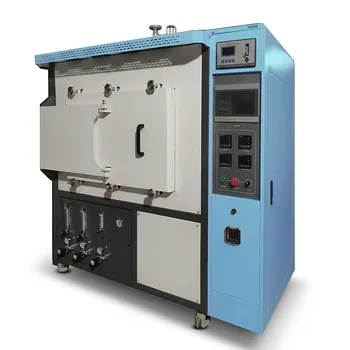
Roller Table Atmosphere Furnace 1500C High Temperature Battery Material Sintering System 112L Capacity
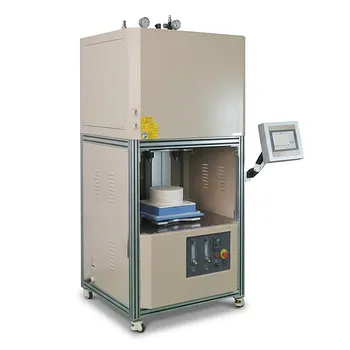
High Temperature Vertical Atmosphere Controlled Furnace 1700C Automatic Bottom Loading 13 Liter Vacuum Thermal System
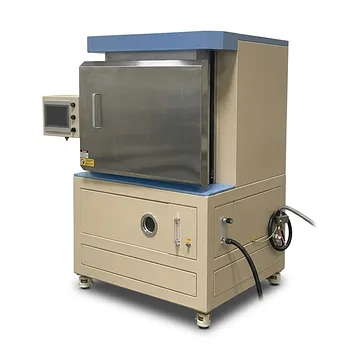
1650C High Temperature Atmosphere Controlled Box Furnace with 65L Chamber for Advanced Material Sintering and Industrial Heat Treatment
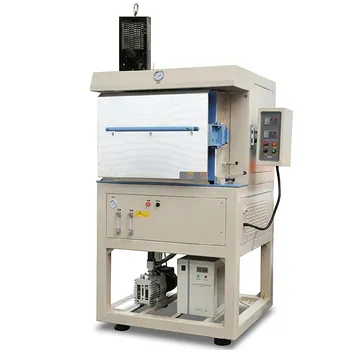
1200C Hydrogen Atmosphere Box Furnace with 5 Heated Sides and 64L Chamber
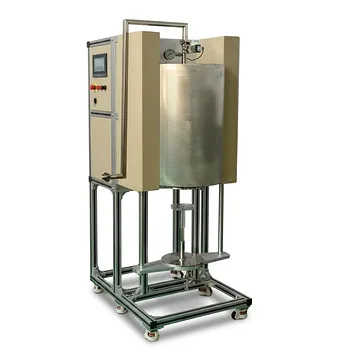
1200°C Atmosphere Controlled Automatic Bottom Loading Furnace with 6 Inch Quartz Tube
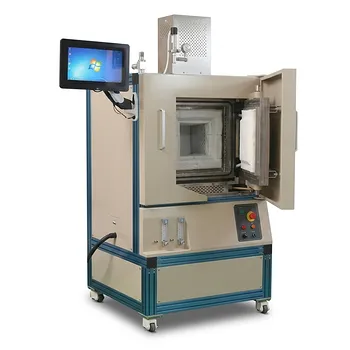
High Temperature Oxygen and Inert Atmosphere Controlled Furnace 8 Liter 1700C Sintering System for Advanced Materials RD
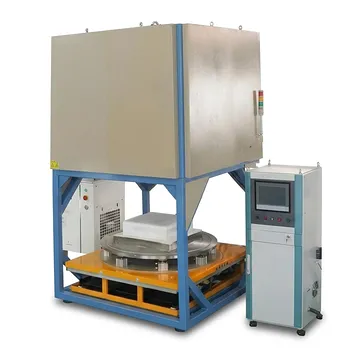
Bottom Loaded Inert Gas Atmosphere Box Furnace 1400C Maximum Temperature 125L High Capacity Laboratory Heat Treatment System
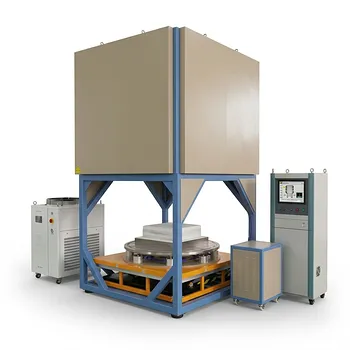
Bottom Loaded Inert Gas Atmosphere Box Furnace 1700C 1300C 216L Large Capacity Industrial Thermal Processing System
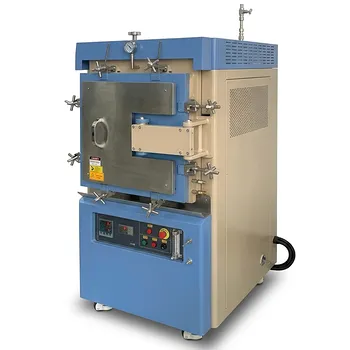
Atmosphere Controlled Muffle Furnace 1700C Maximum Temperature 80L High Capacity Vacuum Inert Gas Box Furnace
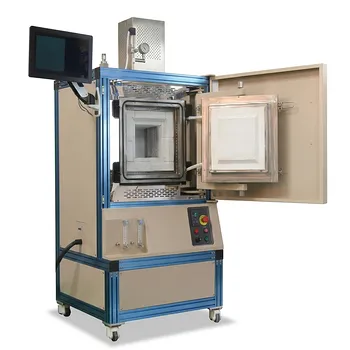
High Temperature Hydrogen Atmosphere Box Furnace 1650C Max Reducing Environment Material Synthesis System 8x8x8 Chamber
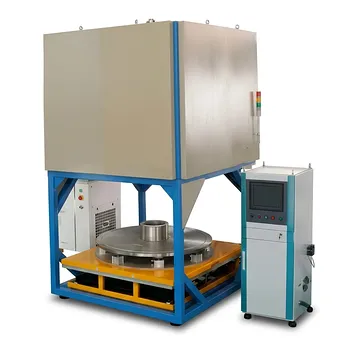
1400C Bottom Loaded Inert Gas Atmosphere Box Furnace with 125L Capacity and Precision Hydraulic Lift
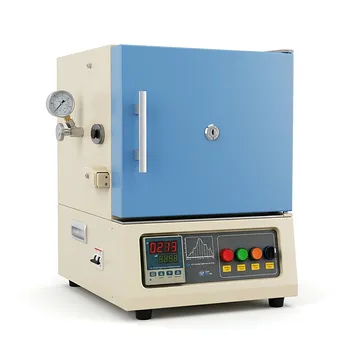
1200C Hybrid Muffle and Tube Furnace for Material Research with Dual Atmosphere Control Quartz Tubes
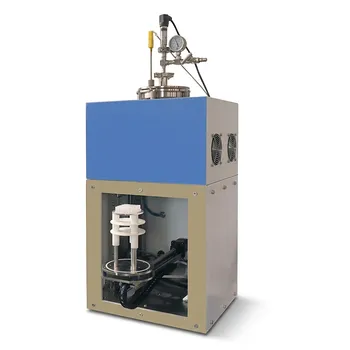
Rapid Thermal Processing RTP Atmosphere Controlled Bottom Loading Furnace 1100C High Throughput 50C per Second Heating Rate
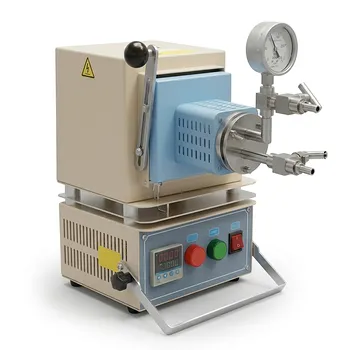
Compact Hybrid Muffle and Tube Furnace for 1000C Controlled Atmosphere Laboratory Material Sintering
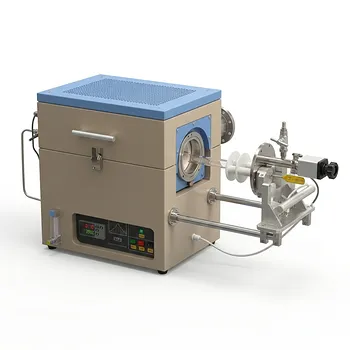
Compact Atmosphere Controlled Rapid Thermal Processing RTP Furnace with 4 Inch ID Quartz Tube 1100C
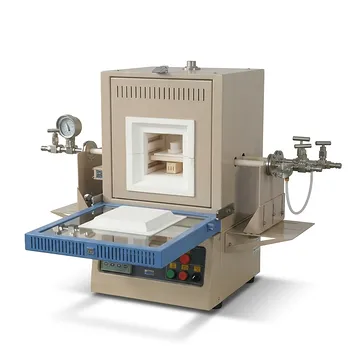
1700C Compact Hybrid Furnace with Dual Layer Box Sintering and Controlled Atmosphere Alumina Tubes

Vertical 1700C Vacuum and Atmosphere Tube Furnace with 80mm Alumina Tube
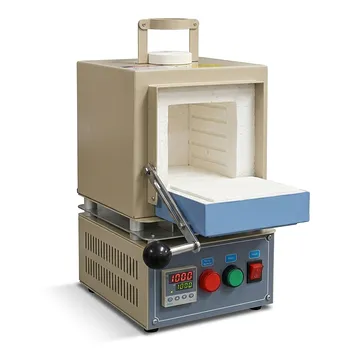
Compact 1000C Muffle Furnace with Programmable Controller and 2 Inch Top Port for Vacuum and Atmosphere Material Research
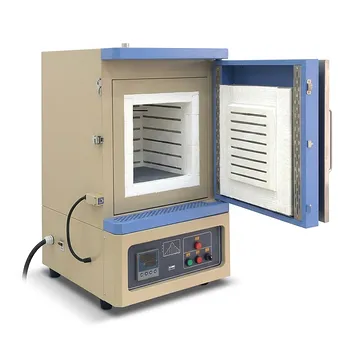
Five Side Heating Muffle Furnace High Purity Alumina Fiber 27L Chamber 1200C High Temperature Thermal Processing System for Sintering Annealing and Materials Research