What safety features are required for atmosphere furnaces using flammable or toxic gases? Expert Fail-Safe Guide
Updated 5 months ago
Operating atmosphere furnaces safely requires a multi-layered defense system designed to prevent explosions, manage toxic leaks, and control thermal hazards. To achieve this, these furnaces must be equipped with mandatory safety interlocks that prevent gas introduction until safe temperatures are reached, blast-proof relief ports to mitigate pressure spikes, and flame supervision systems to ensure the continuous combustion of flammable effluents.
Core Takeaway: Safety in atmosphere furnaces is built on "fail-safe" logic, where mechanical relief devices and electronic interlocks work in tandem to ensure that flammable or toxic gases can only exist within the furnace under strictly controlled temperature and pressure conditions.
Advanced Containment and Pressure Management
Blast-Proof Relief Ports
Atmosphere furnaces are fitted with blast-proof relief ports designed to yield at specific pressure thresholds. These ports provide a controlled path for energy to escape in the event of a sudden ignition or pressure surge within the chamber. By directing the force of a potential explosion away from the operator, they protect the structural integrity of the furnace and the surrounding facility.
Explosion-Proof Electrical Components
Standard electrical systems can act as ignition sources for leaked gases. To mitigate this risk, these furnaces utilize explosion-proof electrical components and enclosures. This specialized hardware is sealed to prevent internal sparks from coming into contact with any flammable gases that may be present in the ambient environment.
Internal Ventilation and Exhaust
Effective management of the furnace atmosphere requires internal ventilation ports to handle gas exhaust and protect sensitive electronics. These systems ensure that hazardous byproducts are channeled into appropriate scrubbers or flare stacks rather than accumulating near the furnace.
Automated Monitoring and Interlock Systems
Temperature and Purge Interlocks
A critical safety requirement is the safety interlock system, which prevents the introduction of flammable gases until a "safe" condition is met. This usually requires the furnace to reach a specific operating temperature (often 1400°F/760°C or higher) to ensure immediate ignition, or the completion of a mandatory purging sequence using inert gas.
Flame Supervision Systems
To manage the exit of combustible gases, flame supervision interlocks monitor the pilot lights or "curtain" flames at the furnace openings. If the flame is lost, the system automatically triggers an alarm or shuts off the gas flow. This prevents unburned flammable or toxic gases from flooding the workspace.
Gas Leak and Over-Pressure Alarms
Integrated sensors provide automatic shutdown alarms for both gas leaks and over-pressure events. These systems act as a final electronic fail-safe, cutting off gas supplies and potentially initiating an emergency inert gas purge if the internal environment deviates from safe parameters.
Equipment and Personnel Safeguards
Door Safety Switches
High-temperature muffle furnaces utilize door safety switches to protect the operator from accidental exposure. These switches automatically cut power to the heating elements the moment the door is opened. This prevents electrical shock hazards and minimizes the risk of sudden thermal radiation exposure.
Over-Temperature Protection
To prevent catastrophic equipment failure, units are equipped with over-temperature protection alarms and dedicated circuit breakers. These independent controllers monitor the furnace temperature and will disconnect power if the primary control system fails, preventing the furnace from melting down or causing an external fire.
Understanding the Trade-offs and Pitfalls
The Risk of Purge Completion Assumptions
A common pitfall is relying solely on timed purges without verifying gas concentration. If the inert gas supply is restricted or the furnace volume was not calculated correctly, the purge may be incomplete, leaving pockets of oxygen that can cause an explosion when flammable gas is introduced.
Maintenance of Supervision Sensors
Flame supervision systems are highly effective but sensitive to environmental factors. Soot or heat damage to UV sensors or flame rods can cause "false-safe" readings or nuisance shutdowns. Regular calibration and cleaning are required to ensure these critical safety components remain reliable over time.
Implementing Safety Based on Your Project Needs
How to Apply This to Your Facility
- If your primary focus is processing high-hydrogen atmospheres: Ensure your system includes redundant relief ports and a certified "automatic emergency nitrogen purge" to quickly dilute the chamber in the event of a power failure.
- If your primary focus is managing toxic Carbon Monoxide (CO): Prioritize the installation of external ambient gas monitors linked to the furnace’s gas shut-off valves to protect personnel from odorless leaks.
- If your primary focus is general heat treating with occasional atmosphere use: Invest in a furnace with a robust temperature-based interlock to prevent the human error of introducing gases at low, unsafe temperatures.
By integrating these mechanical and electronic safeguards, you transform a potentially hazardous process into a controlled and repeatable industrial operation.
Summary Table:
| Safety Feature | Primary Function | Key Benefit |
|---|---|---|
| Blast-Proof Relief Ports | Pressure mitigation | Prevents structural damage during pressure spikes |
| Safety Interlocks | Temperature & Purge control | Ensures gases only enter under safe conditions |
| Flame Supervision | Effluent monitoring | Prevents unburned gas accumulation in workspace |
| Explosion-Proof Parts | Ignition prevention | Seals electrical components from flammable gases |
| Over-Temp Protection | Thermal fail-safe | Prevents equipment meltdown and external fires |
Secure Your Research with THERMUNITS Advanced Thermal Solutions
Operating high-temperature equipment with hazardous gases requires uncompromising safety standards. THERMUNITS is a leading manufacturer of high-performance laboratory equipment for material science and industrial R&D. Our expertise ensures that every system we build—from Atmosphere and Vacuum Furnaces to CVD/PECVD systems—integrates the rigorous fail-safe logic necessary for modern laboratories.
Whether you require Muffle, Tube, Rotary, or Hot Press furnaces, or specialized equipment like Vacuum Induction Melting (VIM) furnaces and Electric Rotary Kilns, our solutions are designed to protect your personnel and optimize your thermal processing.
Ready to upgrade your lab's safety and efficiency?
Contact THERMUNITS Today for a Professional Consultation
Mentioned Products
- Roller Table Atmosphere Furnace 1500C High Temperature Battery Material Sintering System 112L Capacity
- High Temperature Vertical Atmosphere Controlled Furnace 1700C Automatic Bottom Loading 13 Liter Vacuum Thermal System
- 1650C High Temperature Atmosphere Controlled Box Furnace with 65L Chamber for Advanced Material Sintering and Industrial Heat Treatment
- 1200C Hydrogen Atmosphere Box Furnace with 5 Heated Sides and 64L Chamber
- 1200°C Atmosphere Controlled Automatic Bottom Loading Furnace with 6 Inch Quartz Tube
People Also Ask
- How does a high-temperature sintering furnace environment enhance NdFeB magnets? Achieve 98%+ density with precision.
- How does the temperature control precision of a high-temperature sintering furnace affect Na1+xLa1-xZr2O6-δ ceramics?
- How are electric heating elements designed to operate within carburizing atmospheres? Top Design Strategies Revealed
- How does a high-temperature sintering furnace contribute to the interfacial strengthening of SS316L and zirconia?
- Why is a high-temperature sintering furnace required for the preparation of Li(Nb,Ta)O3 precursors? Essential Insights

Tech Team · ThermUnits
Last updated on Apr 14, 2026
Related Products
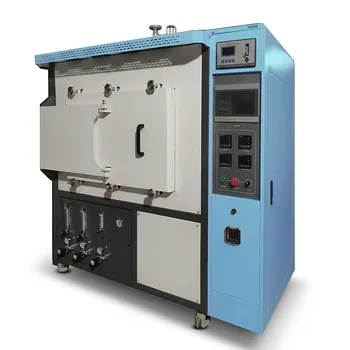
Roller Table Atmosphere Furnace 1500C High Temperature Battery Material Sintering System 112L Capacity
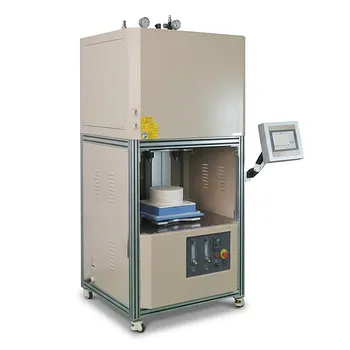
High Temperature Vertical Atmosphere Controlled Furnace 1700C Automatic Bottom Loading 13 Liter Vacuum Thermal System
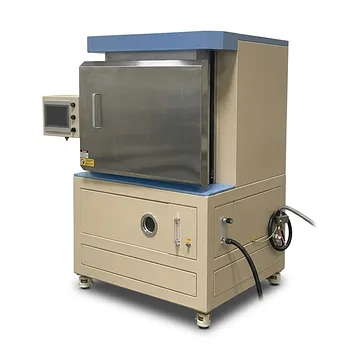
1650C High Temperature Atmosphere Controlled Box Furnace with 65L Chamber for Advanced Material Sintering and Industrial Heat Treatment
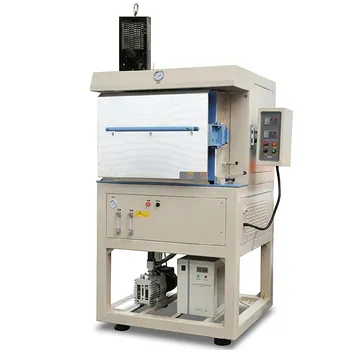
1200C Hydrogen Atmosphere Box Furnace with 5 Heated Sides and 64L Chamber
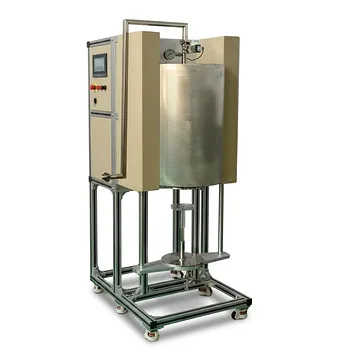
1200°C Atmosphere Controlled Automatic Bottom Loading Furnace with 6 Inch Quartz Tube
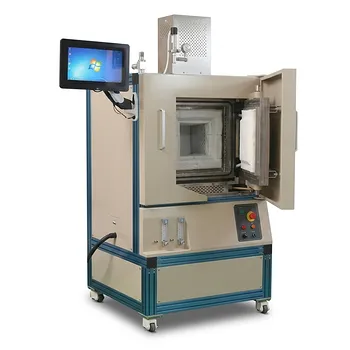
High Temperature Oxygen and Inert Atmosphere Controlled Furnace 8 Liter 1700C Sintering System for Advanced Materials RD
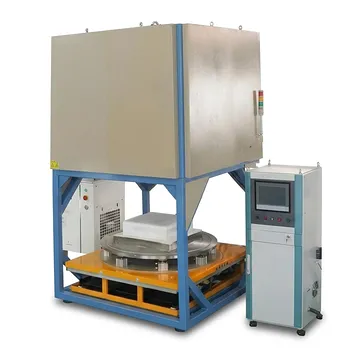
Bottom Loaded Inert Gas Atmosphere Box Furnace 1400C Maximum Temperature 125L High Capacity Laboratory Heat Treatment System
Bottom Loaded Inert Gas Atmosphere Box Furnace 1700C 1300C 216L Large Capacity Industrial Thermal Processing System
Atmosphere Controlled Muffle Furnace 1700C Maximum Temperature 80L High Capacity Vacuum Inert Gas Box Furnace
High Temperature Hydrogen Atmosphere Box Furnace 1650C Max Reducing Environment Material Synthesis System 8x8x8 Chamber
1400C Bottom Loaded Inert Gas Atmosphere Box Furnace with 125L Capacity and Precision Hydraulic Lift
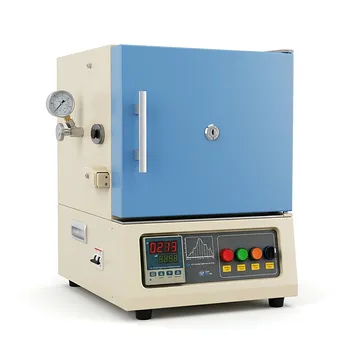
1200C Hybrid Muffle and Tube Furnace for Material Research with Dual Atmosphere Control Quartz Tubes
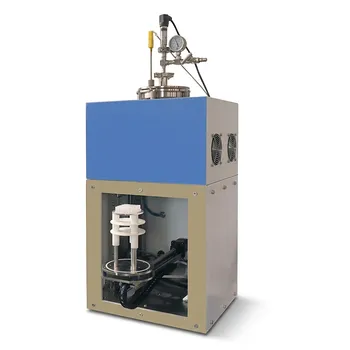
Rapid Thermal Processing RTP Atmosphere Controlled Bottom Loading Furnace 1100C High Throughput 50C per Second Heating Rate
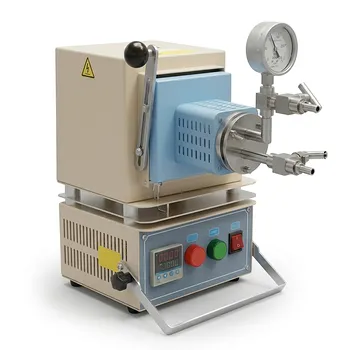
Compact Hybrid Muffle and Tube Furnace for 1000C Controlled Atmosphere Laboratory Material Sintering
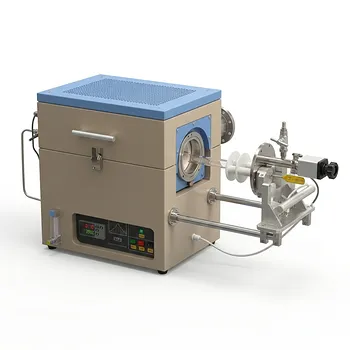
Compact Atmosphere Controlled Rapid Thermal Processing RTP Furnace with 4 Inch ID Quartz Tube 1100C
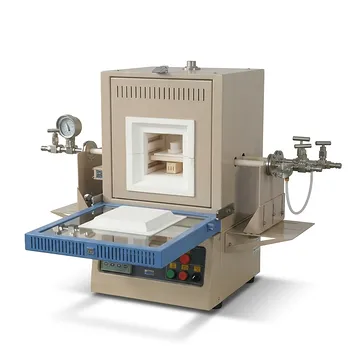
1700C Compact Hybrid Furnace with Dual Layer Box Sintering and Controlled Atmosphere Alumina Tubes

Vertical 1700C Vacuum and Atmosphere Tube Furnace with 80mm Alumina Tube
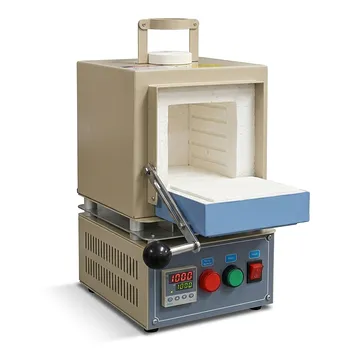
Compact 1000C Muffle Furnace with Programmable Controller and 2 Inch Top Port for Vacuum and Atmosphere Material Research
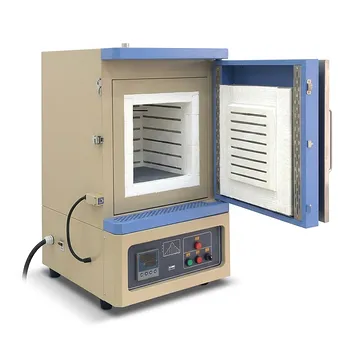
Five Side Heating Muffle Furnace High Purity Alumina Fiber 27L Chamber 1200C High Temperature Thermal Processing System for Sintering Annealing and Materials Research