Why is a stable CO2 atmosphere required in an atmosphere furnace for Black Alder activation? Optimize Your Results.
Updated 3 months ago
A stable carbon dioxide (CO2) atmosphere acts as a selective chemical etching agent rather than a passive protective shield. At the specific activation temperature of 750 °C, CO2 initiates a heterogeneous gasification reaction that systematically removes carbon atoms from the Black Alder skeleton to "carve out" the internal pore structure necessary for high-performance adsorption.
Core Takeaway: Carbon dioxide serves as the primary activating agent that transforms carbonized biomass into activated carbon by selectively etching the carbon matrix. A stable, controlled atmosphere is essential to facilitate this pore-building reaction while preventing the total oxidative destruction (burn-off) of the material.
The Mechanism of Physical Activation
Heterogeneous Gasification
In an atmosphere furnace, carbon dioxide molecules react directly with the solid carbon skeleton of the Black Alder. This heterogeneous gasification reaction selectively targets and removes carbon atoms, effectively "drilling" into the material at a molecular level.
Selective Chemical Etching
Unlike oxygen, which would cause rapid and uncontrolled combustion, CO2 acts as a mild oxidizing agent. It performs a precise chemical etching of the carbon walls, removing specific atoms to create a vast network of new channels and internal spaces.
Structural and Chemical Transformation
Expansion of Specific Surface Area
The primary goal of the CO2 flow is to increase the specific surface area of the material. By removing carbon atoms in-situ, the process generates a significant volume of both micropores and mesopores, which provide the necessary sites for electrolyte ions or pollutants to be trapped.
Modification of Surface Polarity
Beyond physical structure, the CO2 activation process introduces oxygen-containing functional groups onto the carbon surface. These groups are critical because they enhance the surface polarity, improving the material's ability to interact with and adsorb specific chemical species.
The Necessity of Atmosphere Control
Prevention of Oxidative Burn-off
A stable atmosphere is required to exclude oxygen, which would lead to the total combustion and loss of the activated carbon. The furnace must maintain a precise flow to ensure that the "burn" remains selective and does not collapse the fragile carbon framework.
Facilitating Thermal Decomposition
For Black Alder biomass, the controlled environment at 750 °C ensures that non-carbon elements are removed as volatiles through dehydration and decarboxylation. This leaves behind a structural carbon skeleton that possesses enough mechanical strength to survive the activation process.
Understanding the Trade-offs
Balancing Pore Development and Yield
There is a critical trade-off between the duration of CO2 exposure and the final yield of the material. While longer activation times increase the pore volume, they also increase the "burn-off" rate, which can eventually lead to the thinning and collapse of the pore walls.
Temperature Sensitivity
The reaction between CO2 and carbon is highly sensitive to temperature fluctuations. If the furnace temperature drops below the required threshold, the gasification rate becomes too slow for effective activation; if it exceeds it, the reaction can become too aggressive, leading to an overly porous and structurally weak product.
How to Apply This to Your Process
Making the Right Choice for Your Goal
- If your primary focus is maximum adsorption capacity: Maintain a consistent CO2 flow at 750 °C for longer durations to maximize the creation of micropores and surface area.
- If your primary focus is structural integrity and yield: Use a strictly monitored atmosphere furnace to ensure zero oxygen ingress, preventing accidental combustion and preserving the carbon skeleton.
- If your primary focus is surface chemistry modification: Focus on the stable introduction of CO2 during the final stages of heating to ensure the uniform distribution of oxygen-containing functional groups.
By precisely controlling the carbon dioxide environment, you transform simple carbonized wood into a sophisticated, high-surface-area engineering material.
Summary Table:
| Key Factor | Role in Black Alder Activation |
|---|---|
| Mechanism | Heterogeneous Gasification (Selective Etching) |
| Target Temp | Stable 750 °C for controlled carbon removal |
| Pore Structure | Develops high-volume Micropores & Mesopores |
| Surface Chemistry | Introduces oxygen-containing functional groups |
| Yield Protection | Prevents total oxidative burn-off and collapse |
Maximize Your Material R&D with THERMUNITS
Precision is the difference between a collapsed structure and high-performance activated carbon. THERMUNITS is a leading manufacturer of high-temperature laboratory equipment, providing the advanced atmosphere control necessary for complex gasification and thermal processing.
Our comprehensive range of solutions—including Atmosphere, Vacuum, Tube, and Rotary furnaces, as well as CVD/PECVD systems—is engineered for material science experts and industrial researchers who demand uniform heating and airtight stability.
Whether you are refining biomass-based carbons or developing next-generation energy materials, our equipment ensures your process remains stable and repeatable.
Contact THERMUNITS today to find the perfect furnace for your lab!
References
- Irina Kandić, Marija Stojmenović. Examination of the Anti-Biofilm Properties of Lignocellulose-Based Activated Carbon from Black Alder for Water Treatment Applications. DOI: 10.3390/pr12112383
Mentioned Products
- Roller Table Atmosphere Furnace 1500C High Temperature Battery Material Sintering System 112L Capacity
- High Temperature Vertical Atmosphere Controlled Furnace 1700C Automatic Bottom Loading 13 Liter Vacuum Thermal System
- 1650C High Temperature Atmosphere Controlled Box Furnace with 65L Chamber for Advanced Material Sintering and Industrial Heat Treatment
- 1200C Hydrogen Atmosphere Box Furnace with 5 Heated Sides and 64L Chamber
- 1200°C Atmosphere Controlled Automatic Bottom Loading Furnace with 6 Inch Quartz Tube
People Also Ask
- How does a high-temperature sintering furnace environment enhance NdFeB magnets? Achieve 98%+ density with precision.
- How does the temperature control precision of a high-temperature sintering furnace affect Na1+xLa1-xZr2O6-δ ceramics?
- How are electric heating elements designed to operate within carburizing atmospheres? Top Design Strategies Revealed
- How does a high-temperature sintering furnace contribute to the interfacial strengthening of SS316L and zirconia?
- Why is a high-temperature sintering furnace required for the preparation of Li(Nb,Ta)O3 precursors? Essential Insights

Tech Team · ThermUnits
Last updated on Jun 02, 2026
Related Products
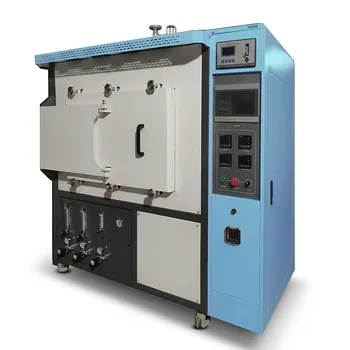
Roller Table Atmosphere Furnace 1500C High Temperature Battery Material Sintering System 112L Capacity
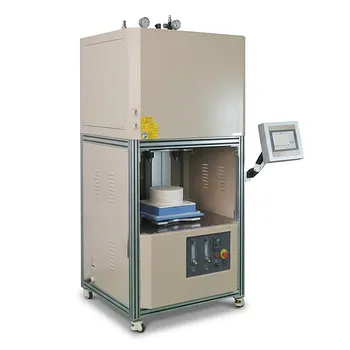
High Temperature Vertical Atmosphere Controlled Furnace 1700C Automatic Bottom Loading 13 Liter Vacuum Thermal System
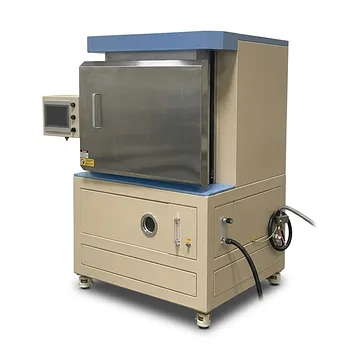
1650C High Temperature Atmosphere Controlled Box Furnace with 65L Chamber for Advanced Material Sintering and Industrial Heat Treatment
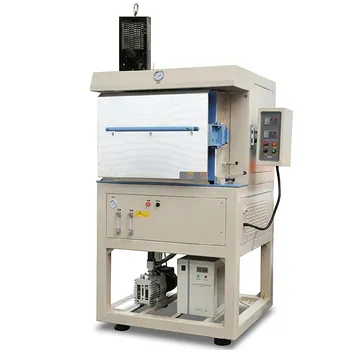
1200C Hydrogen Atmosphere Box Furnace with 5 Heated Sides and 64L Chamber
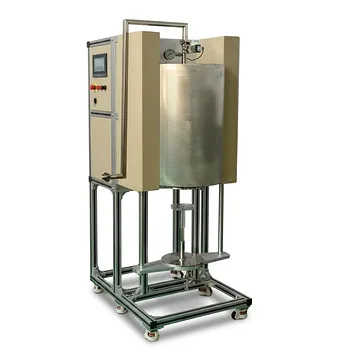
1200°C Atmosphere Controlled Automatic Bottom Loading Furnace with 6 Inch Quartz Tube
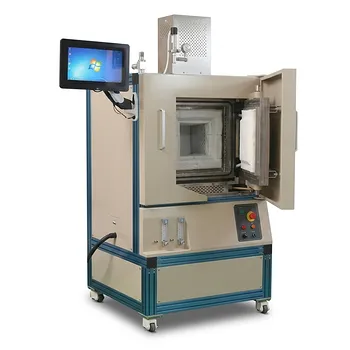
High Temperature Oxygen and Inert Atmosphere Controlled Furnace 8 Liter 1700C Sintering System for Advanced Materials RD
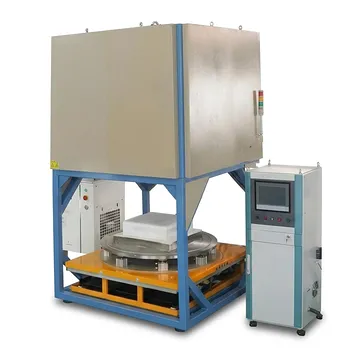
Bottom Loaded Inert Gas Atmosphere Box Furnace 1400C Maximum Temperature 125L High Capacity Laboratory Heat Treatment System
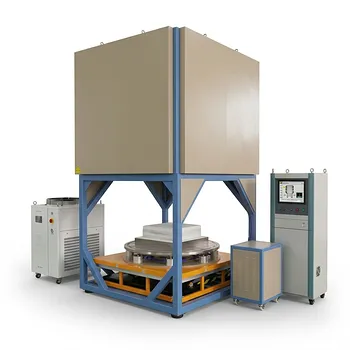
Bottom Loaded Inert Gas Atmosphere Box Furnace 1700C 1300C 216L Large Capacity Industrial Thermal Processing System
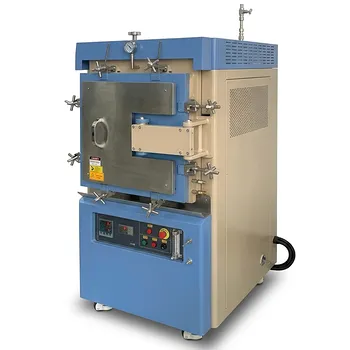
Atmosphere Controlled Muffle Furnace 1700C Maximum Temperature 80L High Capacity Vacuum Inert Gas Box Furnace
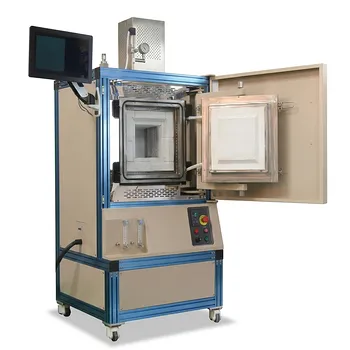
High Temperature Hydrogen Atmosphere Box Furnace 1650C Max Reducing Environment Material Synthesis System 8x8x8 Chamber
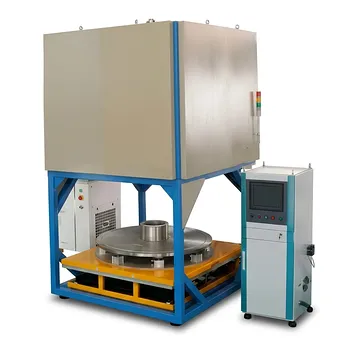
1400C Bottom Loaded Inert Gas Atmosphere Box Furnace with 125L Capacity and Precision Hydraulic Lift
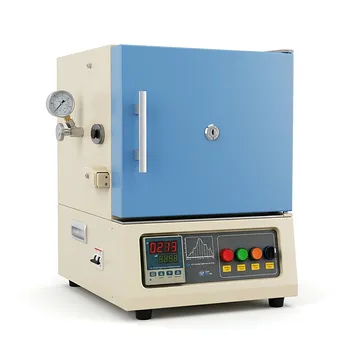
1200C Hybrid Muffle and Tube Furnace for Material Research with Dual Atmosphere Control Quartz Tubes
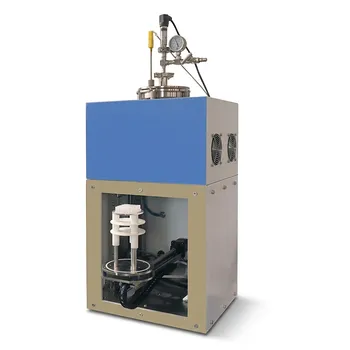
Rapid Thermal Processing RTP Atmosphere Controlled Bottom Loading Furnace 1100C High Throughput 50C per Second Heating Rate
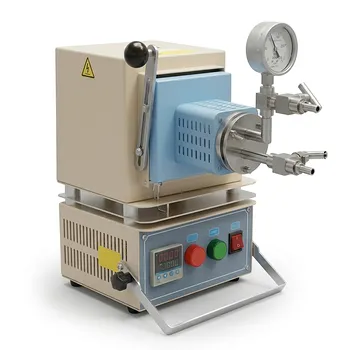
Compact Hybrid Muffle and Tube Furnace for 1000C Controlled Atmosphere Laboratory Material Sintering
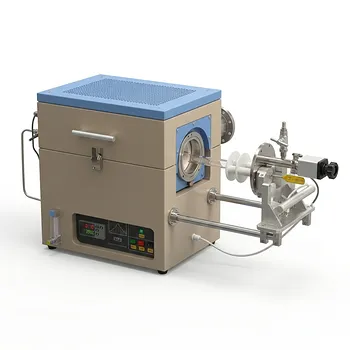
Compact Atmosphere Controlled Rapid Thermal Processing RTP Furnace with 4 Inch ID Quartz Tube 1100C
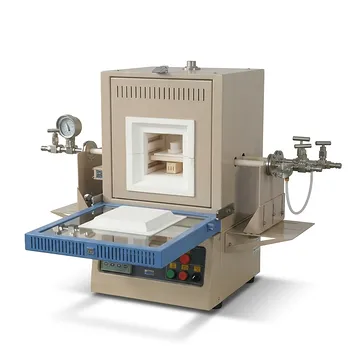
1700C Compact Hybrid Furnace with Dual Layer Box Sintering and Controlled Atmosphere Alumina Tubes

Vertical 1700C Vacuum and Atmosphere Tube Furnace with 80mm Alumina Tube
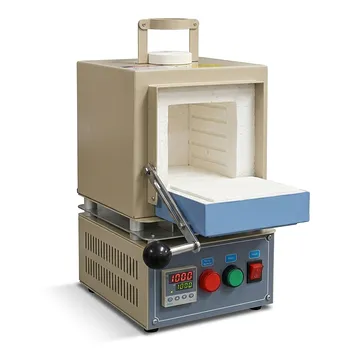
Compact 1000C Muffle Furnace with Programmable Controller and 2 Inch Top Port for Vacuum and Atmosphere Material Research
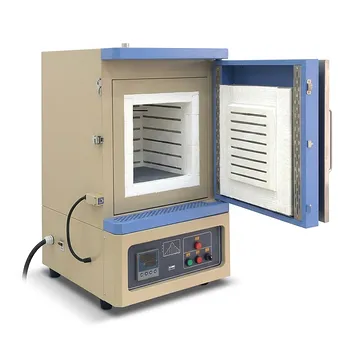
Five Side Heating Muffle Furnace High Purity Alumina Fiber 27L Chamber 1200C High Temperature Thermal Processing System for Sintering Annealing and Materials Research