How do a DC Power Supply and Graphite Felt collaborate in UHS? Achieving 10^4°C/min for Advanced Ceramics
Updated 3 months ago
The collaboration between a DC power supply and graphite felt is the fundamental engine of Ultra-fast High-temperature Sintering (UHS). The power supply delivers a precise, controlled electrical current through the conductive graphite felt, which utilizes its intrinsic electrical resistivity to generate intense heat via the Joule effect. This synergy enables heating rates of up to $10^4$ degrees Celsius per minute, transforming ceramic manufacturing from a multi-hour cycle into a process that completes in seconds.
Core Takeaway: UHS technology leverages the high resistivity of graphite felt and the precision of DC power to achieve near-instantaneous sintering temperatures. This partnership allows for a single-step transition from debinding to densification, drastically reducing energy consumption and processing time.
The Mechanics of Joule Heating in UHS
The Role of the High-Performance DC Power Supply
The DC power supply acts as the brain and the fuel pump of the UHS system. It must provide a highly controlled current to ensure the heating rate is consistent and repeatable.
By modulating the electrical output, the power supply dictates the exact ramp-up speed. This precision is vital for reaching the extreme temperatures required for ceramics without overshooting the thermal limits of the material.
Graphite Felt as the Thermal Engine
Graphite felt is chosen for its electrical conductivity and high resistivity. When the current from the DC supply passes through the felt, the material resists the flow, converting that electrical energy directly into thermal energy.
This resistance-based heating (Joule heating) occurs throughout the entire volume of the felt. This creates a high-temperature environment that can surround a "green body" (unsintered material) and transfer heat with maximum efficiency.
Achieving Extreme Heating Rates
From Debinding to Densification in Seconds
Traditional sintering requires separate, lengthy stages for debinding (removing organic binders) and densification (fusing the ceramic particles). UHS collapses these into a single, rapid step.
The system generates heating rates of up to $10^4$ degrees Celsius per minute. This allows the entire thermal profile to be completed before significant grain growth can occur, often resulting in superior material properties.
Material Impact: The Barium Titanate Example
Barium Titanate green bodies serve as a primary example of this technology's efficacy. Under UHS, these components reach sintering temperatures almost instantly.
The rapid energy transfer ensures that the material achieves high density in a fraction of the time required by conventional kilns. This speed is critical for maintaining specific nanostructures that might degrade during long exposure to high heat.
Understanding the Trade-offs
Thermal Gradients and Uniformity
While $10^4$ °C/min is impressive, it introduces the risk of thermal gradients. If the graphite felt is not perfectly uniform or the contact points are inconsistent, one side of the ceramic may heat faster than the other.
These gradients can lead to internal stresses or cracking in larger or more complex parts. Precision in the physical arrangement of the felt and the sample is as important as the power supply itself.
Atmospheric and Material Limitations
Graphite felt is susceptible to oxidation at the extreme temperatures generated during UHS. This usually necessitates an inert atmosphere (like Argon or Nitrogen) to prevent the felt from burning away.
Additionally, the ultra-fast nature of the process may not give certain complex chemical reactions enough time to reach equilibrium. It is a tool optimized for speed and densification, rather than complex phase transformations.
How to Apply UHS to Your Project
Making the Right Choice for Your Goal
To successfully implement UHS, you must align your power delivery and insulation materials with your specific material science objectives.
- If your primary focus is Maximum Throughput: Utilize the $10^4$ °C/min capability to bypass traditional debinding cycles and move directly to densification.
- If your primary focus is Grain Size Control: Leverage the ultra-fast heating to reach sintering temperatures before detrimental grain growth can occur in the ceramic microstructure.
- If your primary focus is Energy Efficiency: Transition to UHS to eliminate the hours of "soak time" required by traditional kilns, using the power supply only for the few seconds needed for the reaction.
The synergy between a high-performance DC supply and resistive graphite felt represents a paradigm shift toward more agile and energy-efficient ceramic processing.
Summary Table:
| Component | Role in UHS Process | Key Advantage |
|---|---|---|
| DC Power Supply | Precise current modulation & fuel pump | Controlled ramp-up & repeatable thermal profiles |
| Graphite Felt | Resistive heating element (Joule Effect) | High resistivity & efficient volume heating |
| The Synergy | Ultra-fast thermal energy conversion | Sintering in seconds; heating rates up to $10^4$ °C/min |
| Atmosphere | Inert gas (Argon/Nitrogen) protection | Prevents oxidation of graphite at extreme temps |
Accelerate Your Material Research with THERMUNITS
Is your lab ready to transition from multi-hour cycles to seconds? THERMUNITS is a leading manufacturer of high-performance thermal processing solutions designed for the rigors of material science and industrial R&D.
Whether you are implementing Ultra-fast High-temperature Sintering (UHS) or require precision for traditional applications, we offer a comprehensive range of equipment including:
- Furnaces: Muffle, Vacuum, Atmosphere, Tube, Rotary, and Hot Press.
- Advanced Systems: CVD/PECVD systems, Dental Furnaces, and Vacuum Induction Melting (VIM).
- Components: Electric rotary kilns, Thermal Elements, and custom heat treatment tools.
Contact our expert engineering team today to find the perfect high-temperature solution for your specific densification and grain-size control goals.
References
- Subhadip Bhandari, Giorgia Franchin. From rapid prototyping to rapid firing: on the feasibility of high‐speed production for complex BaTiO <sub>3</sub> components. DOI: 10.1111/jace.19950
Mentioned Products
- High Temperature Ultrafast Heating Pressing Furnace 2900C Max 100kgf Rapid Thermal Processing System
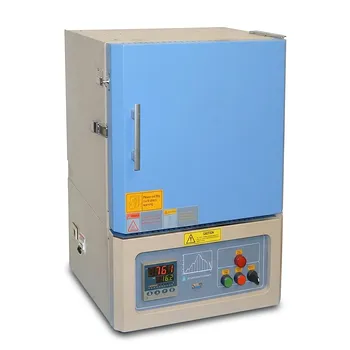
- Ultra High Temperature Bench Top Muffle Furnace 1750C Sintering System with Kanthal Super Heating Elements and Precision Digital Control
- 2500C High Vacuum Ultrafast Heating Pellet Press with Automated 8 Sample Loading System
- 1750C Compact Muffle Furnace 1.7L Ultra High Temperature Laboratory Sintering System for Advanced Ceramics and Material Science Research
- Compact Spark Plasma Sintering SPS Furnace 1200 C Max 100 MPa Pressure High Speed Sintering System for Material Research
People Also Ask
- What are the unique advantages of using an ultrafast high-temperature furnace (UFTF) for modified graphite?
- What is the necessity of using a high-temperature hot press furnace for the preparation of dense non-oxide ceramics?
- What role does a SiC-coated graphite susceptor play in H2Se selenization? Boost RTP Thermal Uniformity & Film Purity.
- What are the core advantages of using a Hot Press furnace vs. conventional sintering? Achieve Near-Theoretical Density
- What technical advantages does a Hot Press furnace offer? Achieve full densification and superior material strength.

Tech Team · ThermUnits
Last updated on Jun 03, 2026
Related Products
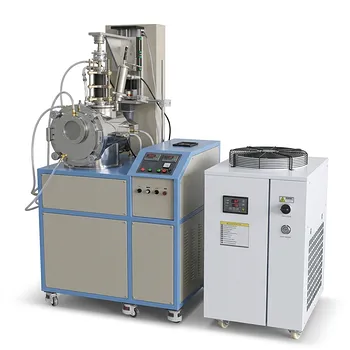
High Temperature Ultrafast Heating Pressing Furnace 2900C Max 100kgf Rapid Thermal Processing System
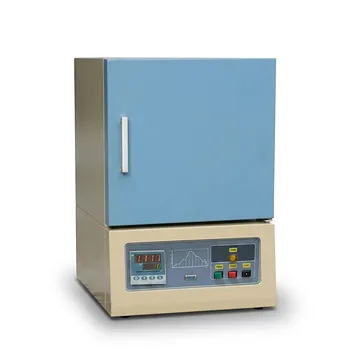
Ultra High Temperature Bench Top Muffle Furnace 1750C Sintering System with Kanthal Super Heating Elements and Precision Digital Control
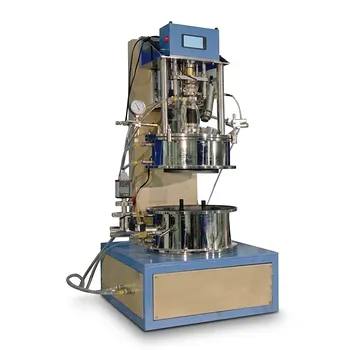
2500C High Vacuum Ultrafast Heating Pellet Press with Automated 8 Sample Loading System
1750C Compact Muffle Furnace 1.7L Ultra High Temperature Laboratory Sintering System for Advanced Ceramics and Material Science Research
Compact Spark Plasma Sintering SPS Furnace 1200 C Max 100 MPa Pressure High Speed Sintering System for Material Research
High Temperature Horizontal Electrical Assisted Sintering Furnace with 3KW Programmable Power Source for Advanced Ceramic Materials
Induction Heating System with Temperature Control for High Temperature Vacuum Sintering and Melting
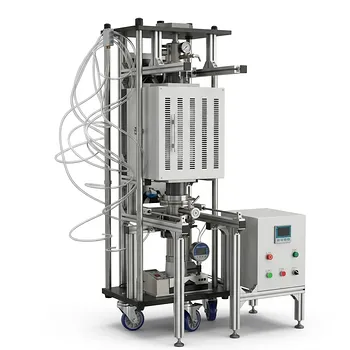
Industrial High Temperature Vacuum Hot Press Furnace and Heated Vacuum Press Machine for Material Science Sintering
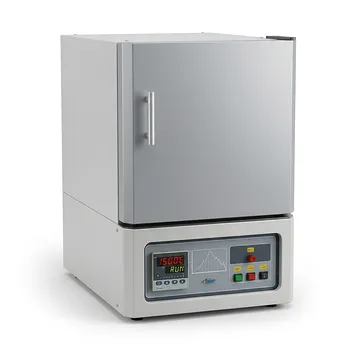
High Temperature 1500C Benchtop Muffle Furnace 3.6L Alumina Fiber Chamber Programmable Controller Sintering Annealing Carbonization Thermal Processing System
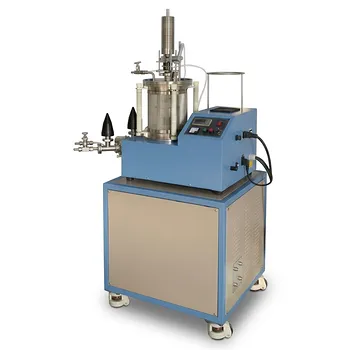
Ultrafast Thermal Pressing Furnace 2900C Max Temperature 200K per Second Heating Rate Vacuum Atmosphere Rapid Processing System
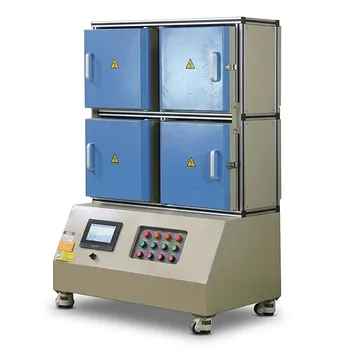
High Throughput Four Channel Box Furnace 1500C Max Independent Temperature Control Material Research Sintering System

High Temperature 1700C Vertical Tube Furnace for Powder Spherification and Material Sintering
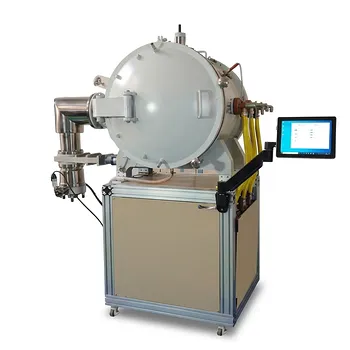
High Temperature Cold Wall Vacuum Furnace for Advanced Material Sintering and Annealing 1600C Heating Area 200x200x300mm
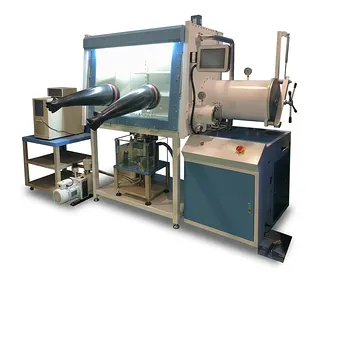
High Temperature Induction Melting System with Integrated Ultra High Purity Glove Box for Metallic Alloy Processing
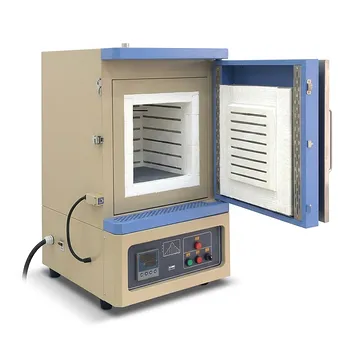
Five Side Heating Muffle Furnace High Purity Alumina Fiber 27L Chamber 1200C High Temperature Thermal Processing System for Sintering Annealing and Materials Research
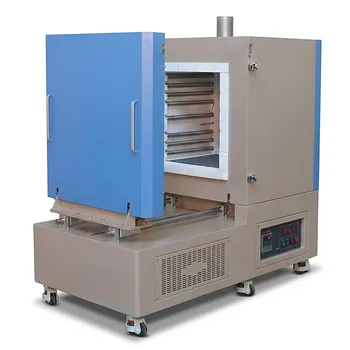
1200C Five Side Heating Muffle Furnace with Sliding Door 125L Volume High Temperature Heat Treatment System for Large Scale Sintering and Annealing
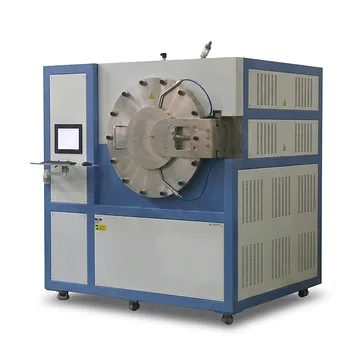
High Vacuum Pressure Chamber Furnace 800C 3.5 Bar Sintering System for Superconducting Materials
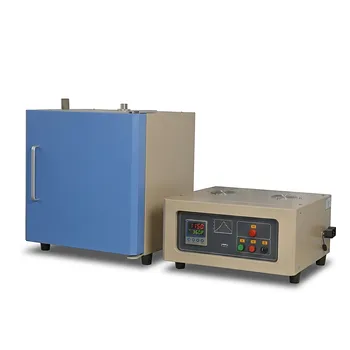
High Temperature Muffle Furnace with Alloy Chamber for Debinding and Sintering Applications
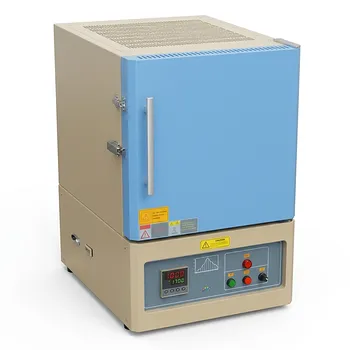
Large Bench Top 1700C High Temperature Muffle Furnace with 19L Chamber for Advanced Material Sintering and Annealing