What role does a SiC-coated graphite susceptor play in H2Se selenization? Boost RTP Thermal Uniformity & Film Purity.
Updated 3 months ago
The SiC-coated graphite susceptor is the critical thermal and chemical interface in H2Se selenization. In a Rapid Thermal Processing (RTP) furnace, it serves as a specialized sample carrier that leverages graphite's high thermal conductivity to ensure temperature uniformity across the wafer. Simultaneously, the dense Silicon Carbide (SiC) layer acts as a chemical barrier, protecting the graphite from corrosive Hydrogen Selenide (H2Se) gas and preventing impurity contamination of the Tungsten Diselenide (WSe2) thin film.
The susceptor balances extreme thermal precision with chemical inertness. By combining a conductive core with a protective shell, it enables the high-temperature synthesis of high-purity semiconductor films in aggressive gaseous environments.
Optimizing Thermal Performance in RTP
The Role of Graphite Conductivity
In an RTP environment, rapid heating cycles require a material that can distribute energy instantly. Graphite's excellent thermal conductivity allows the susceptor to absorb and spread heat evenly, preventing localized temperature gradients.
Achieving Precise Temperature Uniformity
Uniformity is essential for the consistent growth of semiconductor layers. The susceptor ensures that the entire wafer surface experiences the exact same thermal conditions, which is vital for the structural integrity of the resulting film.
Chemical Shielding Against Corrosive Environments
The Protective SiC Coating
Hydrogen Selenide (H2Se) is highly aggressive, especially at the elevated temperatures required for selenization. The dense SiC coating provides superior chemical corrosion resistance, ensuring the underlying graphite does not react with the process gases.
Maintaining Semiconductor Purity
Contamination is the primary enemy of high-performance thin films like Tungsten Diselenide (WSe2). The SiC layer acts as a hermetic seal, preventing impurities within the graphite from outgassing and migrating into the semiconductor layer during the reaction.
Understanding the Trade-offs
Coating Integrity and Lifecycle
While SiC is highly durable, the extreme thermal cycling of RTP can eventually lead to micro-cracks or "pinholes" in the coating. If the SiC barrier is compromised, the H2Se gas will rapidly attack the graphite core, leading to component failure and batch contamination.
Thermal Expansion Mismatch
Graphite and Silicon Carbide have different coefficients of thermal expansion (CTE). Engineers must carefully select matched graphite grades to ensure that the SiC coating does not delaminate or flake off during the rapid heating and cooling phases typical of RTP.
How to Apply This to Your Project
When managing a selenization process, your material choice should reflect your specific performance priorities:
- If your primary focus is film crystalline quality: Prioritize a susceptor with a high-purity SiC coating to eliminate any potential for transition metal contamination during the H2Se reaction.
- If your primary focus is process throughput and speed: Ensure the graphite core has the highest possible thermal conductivity to minimize soak times and maximize temperature ramp rates.
- If your primary focus is component cost-of-ownership: Regularly inspect the SiC surface for signs of wear or oxidation to prevent catastrophic failure of the susceptor during a production run.
By mastering the balance between thermal distribution and chemical protection, you ensure the production of world-class semiconductor thin films.
Summary Table:
| Feature | Component | Primary Role |
|---|---|---|
| Thermal Conductivity | Graphite Core | Ensures rapid, uniform heat distribution across the wafer surface. |
| Chemical Barrier | SiC Coating | Protects graphite from corrosive H2Se gas at high temperatures. |
| Purity Control | SiC Layer | Acts as a hermetic seal to prevent impurity outgassing into thin films. |
| Cycle Durability | Matched CTE | Prevents coating delamination during extreme RTP heating/cooling phases. |
Achieve Unmatched Precision in Material Science with THERMUNITS
High-performance semiconductor research requires more than just heat; it demands chemical integrity and absolute thermal precision. THERMUNITS is a leading manufacturer specializing in advanced high-temperature laboratory equipment for material science and industrial R&D.
We provide a comprehensive range of thermal solutions, including specialized RTP furnaces, CVD/PECVD systems, and Atmosphere furnaces perfectly suited for complex processes like H2Se selenization. From Muffle, Vacuum, and Tube furnaces to high-capacity Rotary kilns and Vacuum Induction Melting (VIM) systems, our equipment is engineered to maximize efficiency and film quality.
Ready to optimize your lab's performance? Contact our experts today to discover how THERMUNITS can deliver the specialized thermal solutions your project demands.
References
- Kathryn M. Neilson, Eric Pop. Toward Mass Production of Transition Metal Dichalcogenide Solar Cells: Scalable Growth of Photovoltaic-Grade Multilayer WSe<sub>2</sub> by Tungsten Selenization. DOI: 10.1021/acsnano.4c03590
Mentioned Products
- Rapid Thermal Processing Furnace 1100C Atmosphere Controlled Bottom Loading RTP System for Wafer Annealing and Catalysis Research
- Rapid Thermal Processing RTP Atmosphere Controlled Bottom Loading Furnace 1100C High Throughput 50C per Second Heating Rate
- Compact Atmosphere Controlled Rapid Thermal Processing RTP Furnace with 4 Inch ID Quartz Tube 1100C
- Rapid Thermal Processing Atmosphere Controlled Bottom Loading Furnace 1100C with 50C Per Second Heating Rate for Wafer Annealing
- Rapid Thermal Processing Sliding Tube Furnace with 4 Inch OD Quartz Tube and 900C IR Heating
People Also Ask
- What are the functional advantages of an RTP system for surface deposition? Enhance Heterojunction Interface Integrity
- Why is an atmosphere-controlled annealing furnace required for the post-treatment of synthesized KTiOPO4 thin films? KTP
- What are the advantages of RTPR for Pd1/PU catalyst synthesis? Achieve superior single-atom dispersion and stability.
- Why is 1100°C in situ annealing required after LZO and DTO deposition? Achieve High-Quality Thin Film Synthesis
- What are the benefits of using an atmosphere annealing furnace to treat tungsten diselenide? Restore Peak Performance.

Tech Team · ThermUnits
Last updated on Jun 02, 2026
Related Products
Rapid Thermal Processing Furnace 1100C Atmosphere Controlled Bottom Loading RTP System for Wafer Annealing and Catalysis Research
Rapid Thermal Processing RTP Atmosphere Controlled Bottom Loading Furnace 1100C High Throughput 50C per Second Heating Rate
Compact Atmosphere Controlled Rapid Thermal Processing RTP Furnace with 4 Inch ID Quartz Tube 1100C
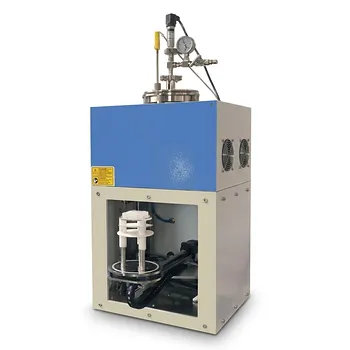
Rapid Thermal Processing Atmosphere Controlled Bottom Loading Furnace 1100C with 50C Per Second Heating Rate for Wafer Annealing
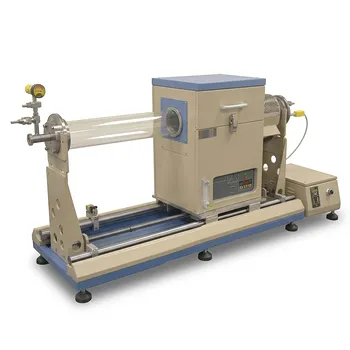
Rapid Thermal Processing Sliding Tube Furnace with 4 Inch OD Quartz Tube and 900C IR Heating
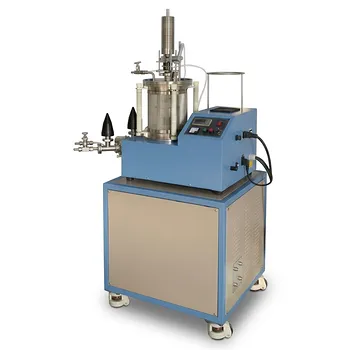
Ultrafast Thermal Pressing Furnace 2900C Max Temperature 200K per Second Heating Rate Vacuum Atmosphere Rapid Processing System
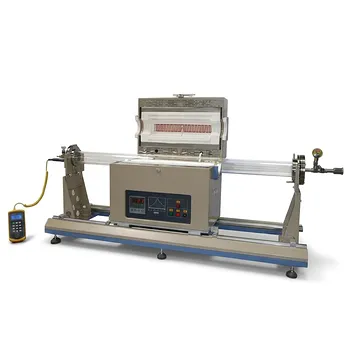
1200C Max Sliding Tube Furnace with 80mm OD Quartz Tube and Vacuum Flanges for Rapid Thermal Processing Fast Heating and Cooling
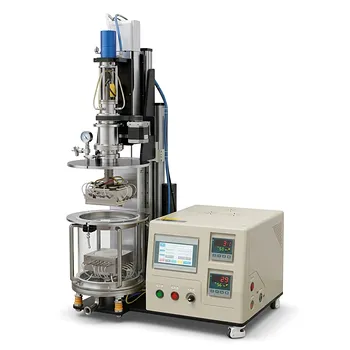
High Temperature 800C Rapid Thermal Processing Furnace with Rotating Sample Holder for Close Spaced Sublimation and Thin Film Solar Cell Research
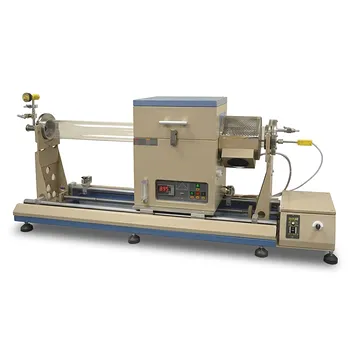
900 ºC Max Sliding RTP Tube Furnace with Rapid IR Heating and 4 Inch OD Quartz Tube
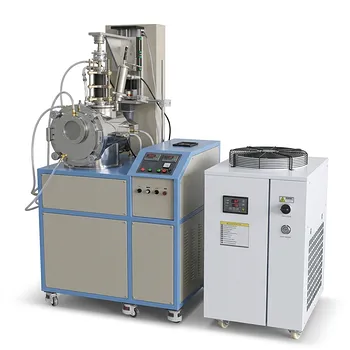
High Temperature Ultrafast Heating Pressing Furnace 2900C Max 100kgf Rapid Thermal Processing System
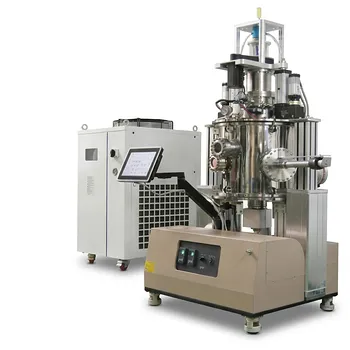
950C Rapid Thermal Processing Furnace for 12 Inch Wafer CSS Coating with Rotating Substrate Holder
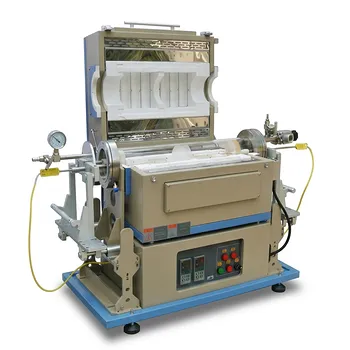
Two Zone IR Heating Rapid Thermal Processing RTP Tube Furnace with 4 Inch ID Quartz Tube and Sliding Sample Holders
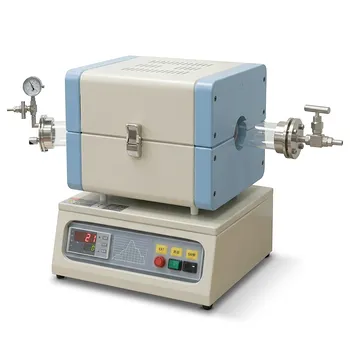
1200C Tube Furnace with Internal Magnetic Sample Sliding for Direct Vaporizing Deposition and Rapid Thermal Processing
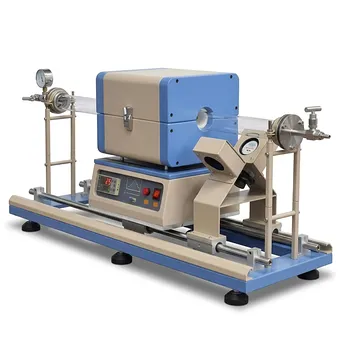
Automated Sliding Tube Furnace for Fast Heating and Cooling 2 Inch OD 1100C Max
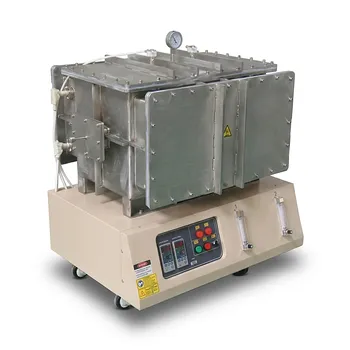
1500°C Atmosphere Controlled Rapid Heating Furnace for Material Science and Battery Powder Sintering
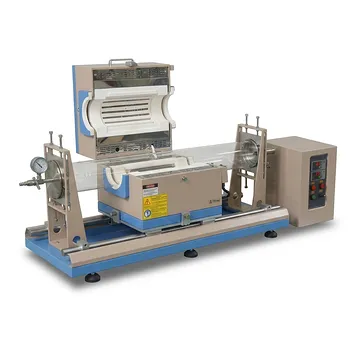
1200C High Temperature 5 Inch Sliding Tube Furnace for Rapid Thermal Processing RTP and Wafer Annealing

High Temperature Tube Furnace 1500C with Sliding Flanges and 50mm OD for Rapid Thermal Processing Fast Heating and Cooling
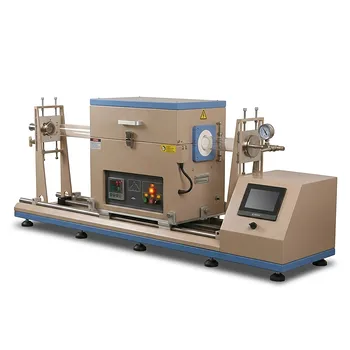
1200C Sliding Tube Furnace for Rapid Thermal Processing and CVD Graphene Growth with 100mm OD Capacity
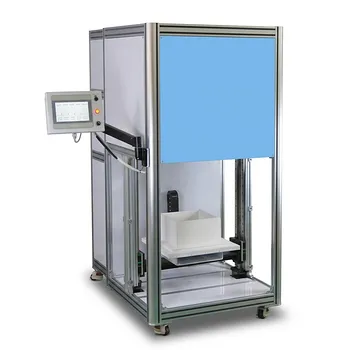
High Temperature 1600°C Three Zone Heated Bottom Loading Box Furnace with Rapid Thermal Processing Chamber 72L Volume