How does a Chemical Vapor Deposition (CVD) system ensure product quality? Precision Control for 2D Nanomaterial Growth
Updated 3 months ago
Precision control is the hallmark of Chemical Vapor Deposition (CVD). To ensure high product quality during the growth of 2D nanomaterials, a CVD system integrates high-precision mass flow controllers, advanced vacuum systems, and multi-zone thermal management. These components work in unison to regulate gas concentrations, chamber pressure, and temperature uniformity, enabling the atomic-level growth of materials with specific layer counts and minimal defects.
The core quality of CVD-grown materials is determined by the system’s ability to maintain a stable, repeatable environment for molecular-level reactions. By synchronizing gas delivery with precise thermal and pressure gradients, the system transforms volatile precursors into high-purity, large-area 2D films.
Precision Gas Phase Management
Regulating Precursor Concentration and Ratios
The use of high-precision mass flow controllers (MFCs) is critical for regulating the concentration and ratio of gaseous precursors. For example, maintaining a specific ratio of acetylene to nitrogen ensures the stable decomposition of carbon sources, which is essential for the ordered growth of structures like carbon nanotubes.
Managing Chemical Reactions via Gas Composition
The atmosphere control system determines the chemical environment during different phases of growth. During the reduction phase, hydrogen gases are often used to convert catalyst precursors into active metallic nanoparticles, which then serve as templates for the subsequent deposition of 2D layers.
Environmental Stability and Pressure Regulation
Fine-Tuning Chamber Pressure
Vacuum pump systems allow for fine pressure adjustment within the reaction chamber, which directly influences the mean free path of gas molecules. This control is vital for managing the reaction rate and ensuring that deposition occurs uniformly across the substrate rather than as uncontrolled clusters.
Facilitating Atomic-Level Growth
By maintaining a stable vacuum, the system enables molecular-level reactions and deposition on the substrate surface. This environment is what allows for the production of wafer-level materials, such as graphene and molybdenum disulfide, with consistent atomic-layer thickness.
Thermal Gradient and Concentration Fields
Multi-Zone Temperature Control
High-precision multi-zone temperature control establishes a stable temperature gradient within the furnace tube. This allows precursors to sublimate accurately in specific regions and facilitates uniform chemical reactions once they reach the substrate.
Ensuring Field Uniformity
Providing uniform concentration and temperature fields across the substrate is the fundamental guarantee for large-area growth. Without this uniformity, the material may suffer from inconsistent layer counts or variations in electronic and optical properties across its surface.
Understanding the Trade-offs
Balancing Growth Speed and Crystal Quality
While increasing precursor flow can accelerate the growth process, it often leads to a higher defect density and poor crystallinity. Achieving large-sized single-crystal structures usually requires a slower, more controlled growth rate to allow atoms to arrange themselves into an ordered lattice.
System Complexity and Maintenance
The high level of precision required—especially in vacuum integrity and MFC calibration—increases the complexity and cost of the equipment. Any minor leak or fluctuation in gas purity can lead to contaminated films, making rigorous system maintenance a non-negotiable requirement for quality assurance.
Making the Right Choice for Your Goal
To achieve the best results with a CVD system, your operational parameters must align with your specific material objectives.
- If your primary focus is large-area uniformity: Prioritize systems with multi-zone heating and advanced gas diffusion plates to ensure a perfectly uniform concentration field across the entire substrate.
- If your primary focus is controlling layer count: Focus on high-precision mass flow controllers and real-time pressure monitoring to strictly regulate the amount of precursor available for deposition.
- If your primary focus is high-purity epitaxial growth: Invest in Metal-Organic CVD (MOCVD) configurations which offer superior control over precursor purity and tailored compositions for specific wavelengths.
By mastering the synergy between gas flow, thermal stability, and pressure regulation, you can transform CVD from a simple deposition technique into a powerful tool for atomic-level engineering.
Summary Table:
| Quality Driver | System Component | Impact on Material Quality |
|---|---|---|
| Gas Precision | Mass Flow Controllers (MFCs) | Ensures optimal precursor ratios and ordered lattice growth. |
| Pressure Stability | Advanced Vacuum Systems | Regulates reaction rates for uniform atomic-layer deposition. |
| Thermal Uniformity | Multi-Zone Heating | Prevents defects by maintaining stable concentration fields. |
| Chemical Environment | Atmosphere Control | Manages reduction phases and ensures high-purity epitaxial growth. |
Optimize Your Nanomaterial Research with THERMUNITS
At THERMUNITS, we specialize in providing high-precision thermal solutions for material science and industrial R&D. As a leading manufacturer, our CVD/PECVD systems are designed to give you the atomic-level control necessary for high-quality 2D film production.
Our comprehensive range includes:
- Laboratory Furnaces: Muffle, Vacuum, Atmosphere, Tube, and Rotary furnaces.
- Specialized Equipment: Dental Furnaces, Electric Rotary Kilns, and Vacuum Induction Melting (VIM) furnaces.
- Advanced Components: High-quality Thermal Elements and heat treatment accessories.
Ready to enhance your lab's capabilities and ensure repeatable, high-purity results? Contact our technical team today to discuss your specific research requirements!
References
- Yan Li, Chunmei Li. Fabrication of Hierarchically Porous “Fish Cage”‐like Carbonaceous Nanomaterials via Soft Template‐assisted Strategy for Cr Removal: Accelerated Stepped Adsorption and Enhanced Coordination Effect. DOI: 10.1002/ejic.202400328
Mentioned Products
- Chemical Vapor Deposition CVD System Slide PECVD Tube Furnace with Liquid Gasifier PECVD Machine
- Versatile Chemical Vapor Deposition Tube Furnace System for Advanced Material Research and Industrial Coating Processes
- Radio Frequency Plasma Enhanced Chemical Vapor Deposition RF PECVD System for Laboratory and Industrial Thin Film Growth
- Inclined Rotary Plasma Enhanced Chemical Vapor Deposition PECVD System for Thin Film Deposition and Nanomaterial Synthesis
- 915MHz MPCVD Diamond Machine Microwave Plasma Chemical Vapor Deposition System Reactor
People Also Ask
- What are the advantages of PECVD systems for nano flame retardant films? Protect Heat-Sensitive Polymers with Precision
- How does a sliding rail design benefit the CVD process within a furnace ventilation hood? Enhance Control & Quenching
- What is the role of CVD/PECVD systems in the research of optoelectronic materials and functional coatings? Expert Guide
- How does PECVD differ from conventional thermal CVD? Key Advantages of Low-Temperature Deposition for R&D
- What role do by-product desorption and evacuation play in CVD film quality? Key Factors for High-Purity Films

Tech Team · ThermUnits
Last updated on Jun 02, 2026
Related Products
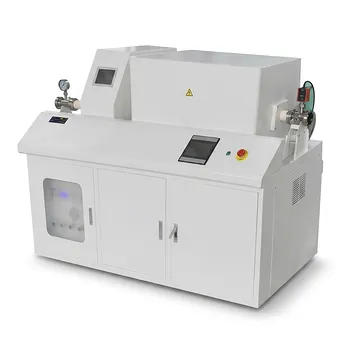
Chemical Vapor Deposition CVD System Slide PECVD Tube Furnace with Liquid Gasifier PECVD Machine
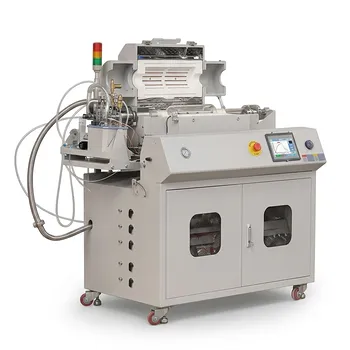
Versatile Chemical Vapor Deposition Tube Furnace System for Advanced Material Research and Industrial Coating Processes
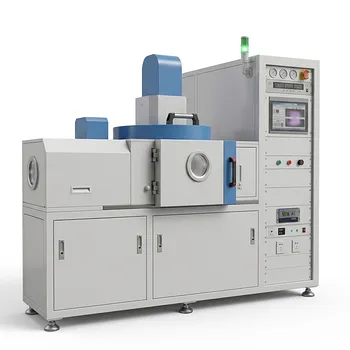
Radio Frequency Plasma Enhanced Chemical Vapor Deposition RF PECVD System for Laboratory and Industrial Thin Film Growth
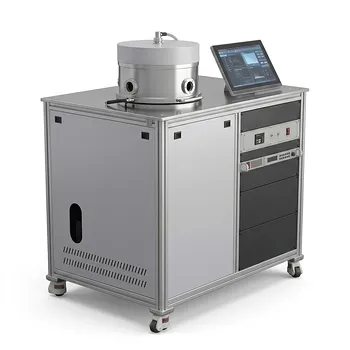
Inclined Rotary Plasma Enhanced Chemical Vapor Deposition PECVD System for Thin Film Deposition and Nanomaterial Synthesis
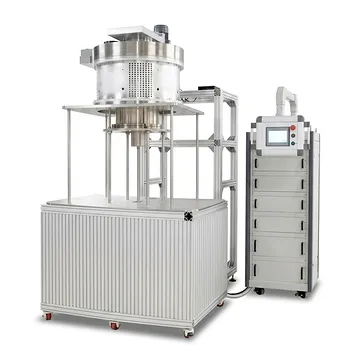
915MHz MPCVD Diamond Machine Microwave Plasma Chemical Vapor Deposition System Reactor
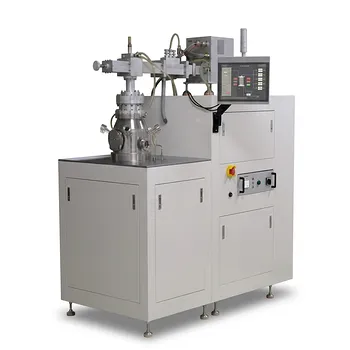
Cylindrical Resonator MPCVD Machine System for Microwave Plasma Chemical Vapor Deposition and Lab Diamond Growth
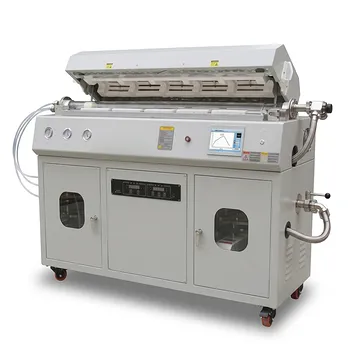
Multi Heating Zones CVD Tube Furnace System for Precision Chemical Vapor Deposition and Advanced Material Synthesis
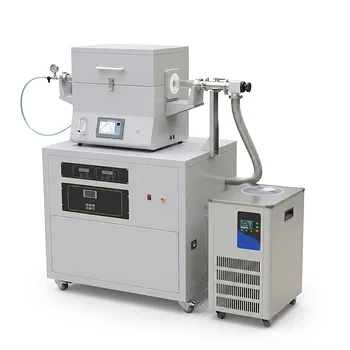
Split Chamber CVD Tube Furnace with Vacuum Station Chemical Vapor Deposition System Machine
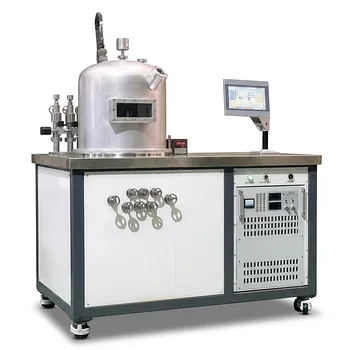
HFCVD Machine System for Nano Diamond Coating on Drawing Dies and Industrial Tools
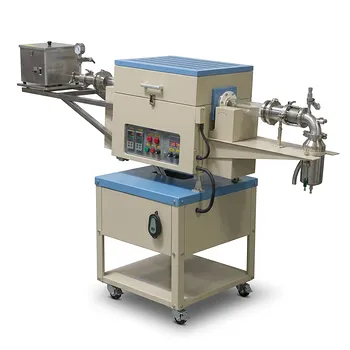
Two Zone Rotary CVD Furnace with Automatic Feeding and Receiving System for Powder Processing
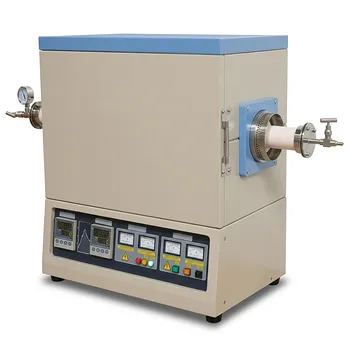
High Temperature 1700C Dual Zone Tube Furnace for Material Science and Industrial Chemical Vapor Deposition Research
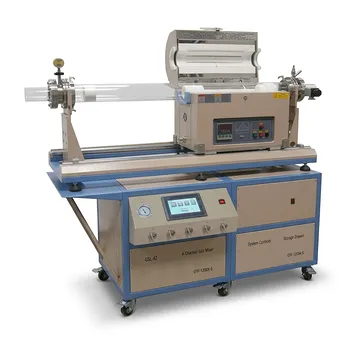
Dual Tube 100mm 80mm CVD Sliding Furnace with 4 Channel Gas Mixing and Vacuum System
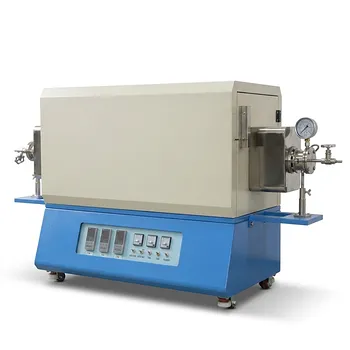
Three Temperature Zone High Temperature Vacuum Tube Furnace for CVD and Material Sintering
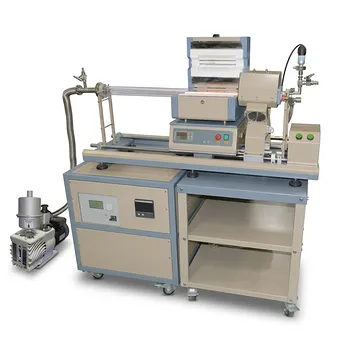
1200C Max Compact Auto-Sliding PECVD Furnace with 2 Inch Tube and Vacuum Pump

5 Inch Three Zone Rotary Tube Furnace with Integrated Gas Delivery System and 1200C Capability for Advanced Material CVD Processing

High Temperature 1700C Tube Furnace with High Vacuum Turbomolecular Pump System and Multi Channel Mass Flow Controller Gas Mixer
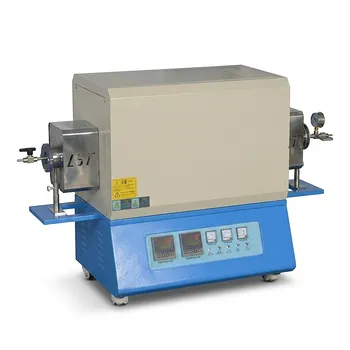
High Temperature Dual Zone Vacuum Tube Furnace for Material Research and CVD Processing
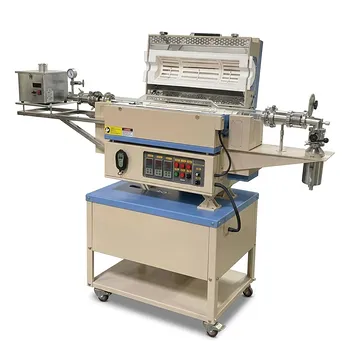
5 Inch Rotary Tube Furnace with Automatic Feeding and Receiving System 1200C Three Zone CVD Powder Processing
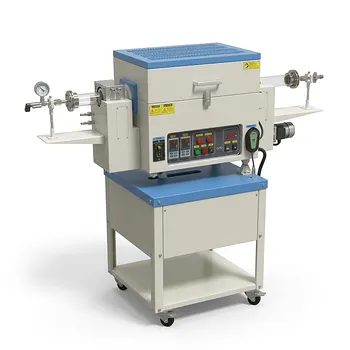
4 Inch Two Zone Rotary CVD Tube Furnace for High Temperature Battery Material Synthesis and Advanced Material Calcination