What technical advantages does a CVD system offer for intermetallics? Achieve Atomic-Level Precision & Phase Purity
Updated 3 months ago
Chemical Vapor Deposition (CVD) provides a sophisticated platform for synthesizing intermetallic compounds by leveraging gas-phase precursors to achieve atomic-scale precision. By introducing metal vapors via carrier gases, CVD allows for exact control over precursor concentrations, deposition temperatures, and reaction times. This results in intermetallic catalysts and coatings with exceptional phase purity, uniform stoichiometry, and controllable loading that are difficult to achieve through traditional bulk metallurgical methods.
The core advantage of CVD in intermetallic synthesis lies in its ability to facilitate uniform atomic-level alloying through gas-phase reactions. This precision eliminates the impurities and structural irregularities common in liquid-phase processes, enabling the creation of high-purity materials with tailored crystalline properties.
Precision Control of Atomic Alloying
Vapor-Phase Precursor Delivery
A CVD system introduces a second metal precursor directly into the reaction chamber in vapor form. This allows a carrier gas to maintain precise control over precursor concentration, ensuring that the ratio of elements remains consistent throughout the process.
Targeted Deposition Parameters
By fine-tuning the deposition temperature and reaction time, operators can achieve targeted alloying on a substrate metal. This granular control enables atomic-level uniformity, ensuring that the resulting intermetallic compound is homogeneous across the entire surface.
Controllable Loading and Phase Purity
CVD systems excel at producing intermetallic catalysts with high phase purity. Because the process is driven by gas-phase reactions rather than bulk melting, the system can precisely regulate the loading of the active compound onto the substrate.
Superior Material Integrity and Purity
Elimination of Liquid-Phase Contaminants
Unlike liquid-phase etching or chemical precipitation, CVD eliminates the risks of strong acid corrosion and impurity residues. This gas-phase approach produces materials with fewer grain boundaries and significantly higher crystallinity.
Environmental Isolation via High-Purity Quartz
The use of high-purity quartz tubes within the CVD furnace provides an inert environment that effectively isolates the reaction from the external atmosphere. These tubes are chemically stable and withstand high temperatures, preventing the introduction of unwanted elements during growth.
Real-Time Monitoring and Thermal Stability
The transparent nature of quartz components allows for real-time observation of the process and the use of external infrared thermometers. This ensures that the temperature gradient profile remains strictly within the design parameters, which is vital for maintaining the desired chemical stoichiometry.
Structural and Morphological Advantages
Conformal Coverage on Complex Geometries
CVD is renowned for its superior step coverage, allowing for the uniform deposition of intermetallic films even on complex three-dimensional microstructures. This makes it ideal for coating porous catalysts or intricate electronic components where line-of-sight methods fail.
Reduced Fluctuations in Film Thickness
Precision hardware, including high-vacuum environments and mass flow controllers, can reduce thickness fluctuations to within 5 percent. This level of consistency is essential for developing high-performance optoelectronic devices and precision sensors.
Integration of In-Situ Doping
The gas-phase nature of the system allows for in-situ doping, where additional elements can be introduced during the growth process. This enables the modification of the intermetallic's electronic or optical functions without a separate post-processing step.
Understanding the Trade-offs
Precursor Volatility and Stability
The primary limitation of CVD is the requirement for volatile precursors. Not all metals have stable, high-vapor-pressure compounds available, which can limit the types of intermetallic compounds that can be easily synthesized.
Operational Complexity and Safety
CVD systems require specialized hardware for high-vacuum and gas-flow control, leading to higher initial costs than simpler synthesis methods. Additionally, the use of metal-organic precursors and carrier gases often necessitates rigorous safety protocols to manage toxicity and flammability.
How to Apply This to Your Project
When deciding if a CVD system is the right choice for your intermetallic preparation, consider your primary performance metrics and substrate requirements.
- If your primary focus is phase purity and crystallinity: Use CVD to avoid the structural defects and chemical residues typically associated with liquid-phase synthesis.
- If your primary focus is coating complex 3D structures: Leverage the superior step coverage and conformality of CVD to ensure a uniform intermetallic layer across all surfaces.
- If your primary focus is large-scale electronic integration: Utilize the wafer-level growth capabilities of CVD to produce high-mobility films with minimal thickness fluctuations.
The precision of Chemical Vapor Deposition transforms intermetallic synthesis from a bulk metallurgical process into a refined exercise in atomic engineering.
Summary Table:
| Feature | Advantage for Intermetallic Preparation | Impact on Quality |
|---|---|---|
| Precursor Delivery | Vapor-phase delivery with carrier gas control | Precise atomic-scale stoichiometry |
| Deposition Control | Granular temperature and reaction time tuning | Exceptional phase purity and uniform loading |
| Purity Standards | Eliminates liquid-phase acids and contaminants | Higher crystallinity and fewer grain boundaries |
| Step Coverage | Conformal coating on 3D microstructures | Uniformity on complex or porous geometries |
| Process Stability | Real-time monitoring via high-purity quartz | Strict adherence to thermal gradient profiles |
Optimize Your Intermetallic Synthesis with THERMUNITS
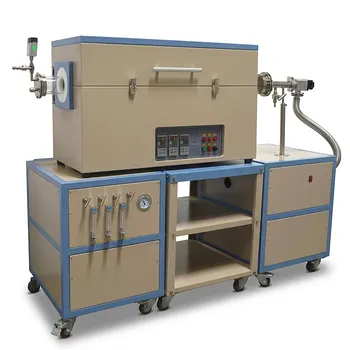
As a global leader in high-temperature laboratory equipment for material science, THERMUNITS provides the precision tools necessary for advanced atomic engineering. Our state-of-the-art CVD/PECVD systems and Tube furnaces are specifically designed to deliver the thermal stability and gas-flow control required for high-purity intermetallic compounds.
From industrial R&D to specialized laboratory heat treatment, we offer a comprehensive range of solutions including:
- Muffle, Vacuum, and Atmosphere Furnaces
- Rotary and Hot Press Furnaces
- Dental Furnaces and Electric Rotary Kilns
- Vacuum Induction Melting (VIM) Furnaces
- High-Quality Thermal Elements
Ready to elevate your research or production efficiency? Contact our expert engineering team today to find the perfect thermal processing solution for your unique requirements!
References
- Zhiquan Hou, Hongxing Dai. Exploring Intermetallic Compounds: Properties and Applications in Catalysis. DOI: 10.3390/catal14080538
Mentioned Products
- Chemical Vapor Deposition CVD System Slide PECVD Tube Furnace with Liquid Gasifier PECVD Machine
- Versatile Chemical Vapor Deposition Tube Furnace System for Advanced Material Research and Industrial Coating Processes
- Radio Frequency Plasma Enhanced Chemical Vapor Deposition RF PECVD System for Laboratory and Industrial Thin Film Growth
- Inclined Rotary Plasma Enhanced Chemical Vapor Deposition PECVD System for Thin Film Deposition and Nanomaterial Synthesis
- 915MHz MPCVD Diamond Machine Microwave Plasma Chemical Vapor Deposition System Reactor
People Also Ask
- What are the advantages of PECVD systems for nano flame retardant films? Protect Heat-Sensitive Polymers with Precision
- How does a sliding rail design benefit the CVD process within a furnace ventilation hood? Enhance Control & Quenching
- What is the role of CVD/PECVD systems in the research of optoelectronic materials and functional coatings? Expert Guide
- How does PECVD differ from conventional thermal CVD? Key Advantages of Low-Temperature Deposition for R&D
- What role do by-product desorption and evacuation play in CVD film quality? Key Factors for High-Purity Films

Tech Team · ThermUnits
Last updated on Jun 03, 2026
Related Products
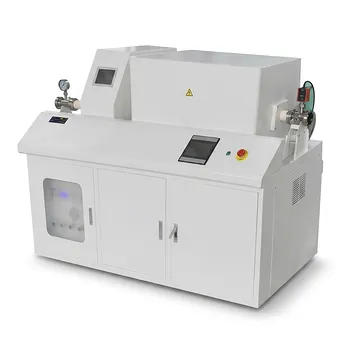
Chemical Vapor Deposition CVD System Slide PECVD Tube Furnace with Liquid Gasifier PECVD Machine
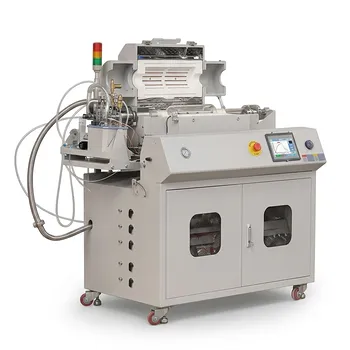
Versatile Chemical Vapor Deposition Tube Furnace System for Advanced Material Research and Industrial Coating Processes
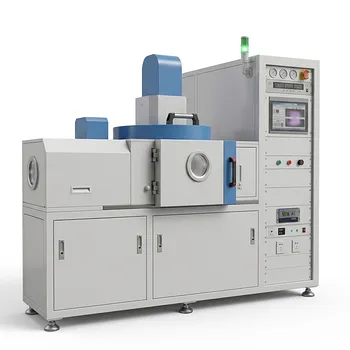
Radio Frequency Plasma Enhanced Chemical Vapor Deposition RF PECVD System for Laboratory and Industrial Thin Film Growth
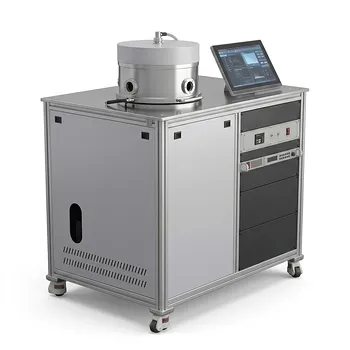
Inclined Rotary Plasma Enhanced Chemical Vapor Deposition PECVD System for Thin Film Deposition and Nanomaterial Synthesis
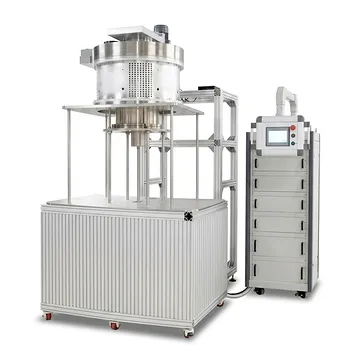
915MHz MPCVD Diamond Machine Microwave Plasma Chemical Vapor Deposition System Reactor
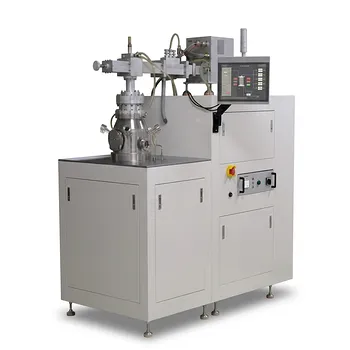
Cylindrical Resonator MPCVD Machine System for Microwave Plasma Chemical Vapor Deposition and Lab Diamond Growth
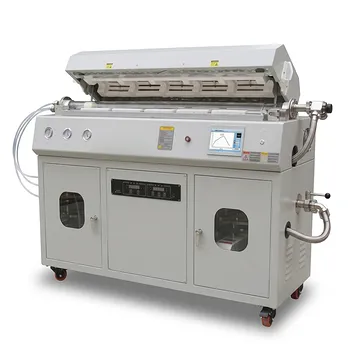
Multi Heating Zones CVD Tube Furnace System for Precision Chemical Vapor Deposition and Advanced Material Synthesis
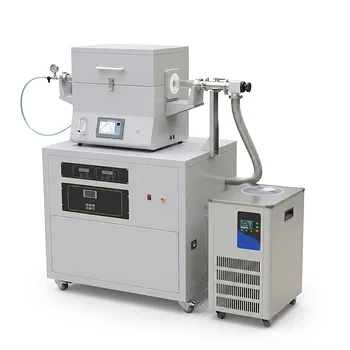
Split Chamber CVD Tube Furnace with Vacuum Station Chemical Vapor Deposition System Machine
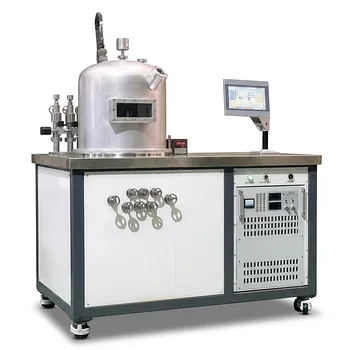
HFCVD Machine System for Nano Diamond Coating on Drawing Dies and Industrial Tools
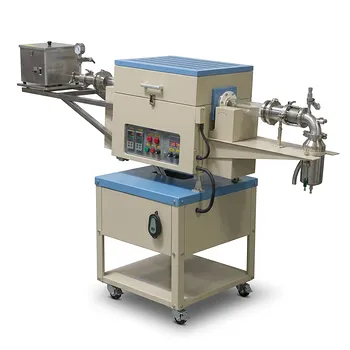
Two Zone Rotary CVD Furnace with Automatic Feeding and Receiving System for Powder Processing
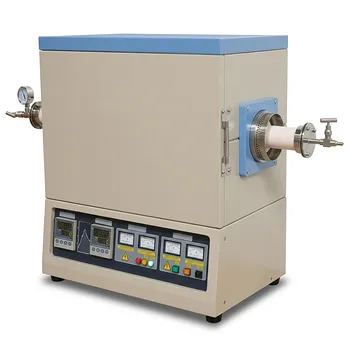
High Temperature 1700C Dual Zone Tube Furnace for Material Science and Industrial Chemical Vapor Deposition Research
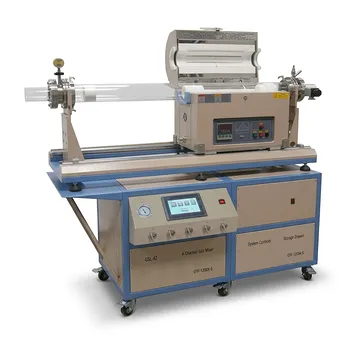
Dual Tube 100mm 80mm CVD Sliding Furnace with 4 Channel Gas Mixing and Vacuum System
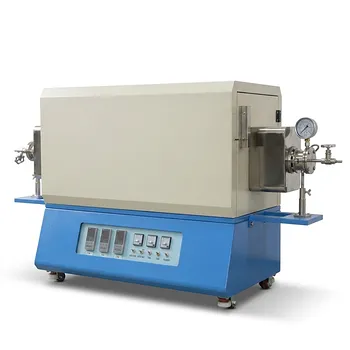
Three Temperature Zone High Temperature Vacuum Tube Furnace for CVD and Material Sintering
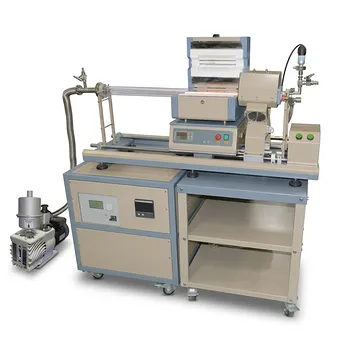
1200C Max Compact Auto-Sliding PECVD Furnace with 2 Inch Tube and Vacuum Pump
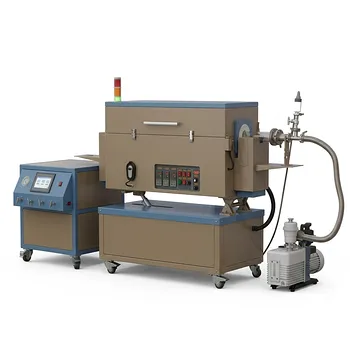
5 Inch Three Zone Rotary Tube Furnace with Integrated Gas Delivery System and 1200C Capability for Advanced Material CVD Processing

High Temperature 1700C Tube Furnace with High Vacuum Turbomolecular Pump System and Multi Channel Mass Flow Controller Gas Mixer
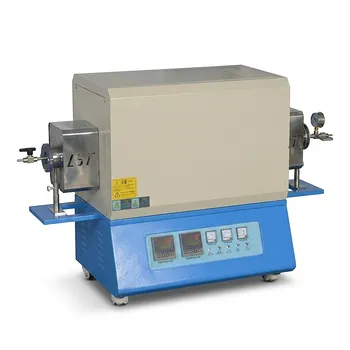
High Temperature Dual Zone Vacuum Tube Furnace for Material Research and CVD Processing
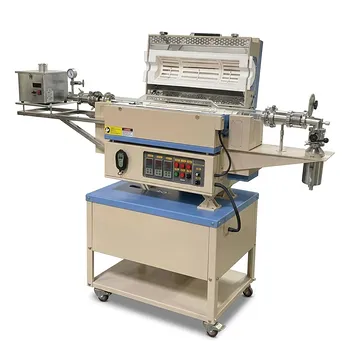
5 Inch Rotary Tube Furnace with Automatic Feeding and Receiving System 1200C Three Zone CVD Powder Processing
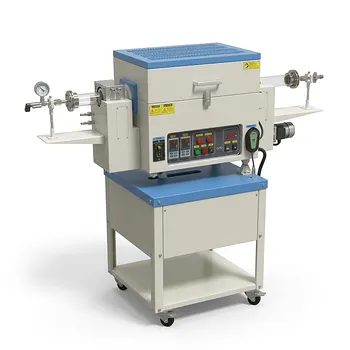
4 Inch Two Zone Rotary CVD Tube Furnace for High Temperature Battery Material Synthesis and Advanced Material Calcination