What is the primary technical difference between PECVD and conventional thermal CVD? Understanding Energy & Temperature
Updated 5 months ago
The primary technical distinction lies in the energy source used to drive chemical reactions. While conventional thermal CVD relies on high temperatures (typically above 600°C) to break molecular bonds, PECVD uses non-thermal plasma to dissociate precursor gases. This allows PECVD to achieve high-quality film growth at significantly lower substrate temperatures, usually ranging from 100°C to 400°C.
Core Takeaway: PECVD decouples the energy required for chemical dissociation from the substrate temperature by using electrical energy (plasma) instead of heat. This enables the deposition of thin films on temperature-sensitive materials that would otherwise melt or degrade in a standard thermal CVD furnace.
The Fundamental Shift in Energy Activation
Thermal Energy in Conventional CVD
In a conventional thermal CVD system, the substrate must be heated to extreme levels to provide the necessary activation energy for the precursor gases to react. These temperatures often exceed 600°C to 900°C, creating a high thermal budget that can limit the types of materials used as substrates.
Plasma Energy in PECVD
PECVD introduces a radio-frequency (RF) or microwave discharge to create a plasma between two electrodes. This plasma generates high-energy electrons that collide with and dissociate the precursor gases into highly reactive radicals and ions. Because the energy comes from the plasma rather than heat, the substrate can remain at a much lower temperature, often between 100°C and 400°C.
Implications for Material Integrity and Processing
Preservation of Temperature-Sensitive Layers
The lower operating temperature of PECVD is critical for back-end-of-line (BEOL) semiconductor processing. It allows for the deposition of dielectric layers over metal interconnects (like aluminum or copper) and polymer substrates that would lose structural integrity or melt under the heat of thermal CVD.
Reduced Thermal Stress and Diffusion
Low-temperature processing minimizes the thermal expansion mismatch between the thin film and the substrate, reducing internal film stress and the risk of cracking. Furthermore, it prevents the unintended diffusion of dopants or impurities between layers, which is vital for maintaining the precise electrical characteristics of modern microelectronics.
Enhanced Process Control and Flexibility
PECVD systems offer high flexibility in in-situ doping and the ability to tune film properties like refractive index and mechanical stress. Additionally, PECVD can support single-sided deposition, which avoids the "wrap-around" effect where material deposits on the back of the wafer—a common issue in high-temperature diffusion furnaces.
Understanding the Trade-offs
Film Density and Purity
While PECVD excels at low temperatures, the resulting films may sometimes have lower density or higher impurity content (such as hydrogen) compared to films grown via high-temperature thermal CVD. Thermal CVD typically produces films with superior stoichiometry and higher purity because the intense heat ensures more complete chemical reactions.
Potential for Plasma Damage
The very plasma that enables low-temperature growth can also cause ion bombardment damage to sensitive substrate surfaces. Engineers must carefully balance the plasma power and frequency to achieve the desired film properties without degrading the underlying device structure.
Equipment Complexity and Cost
PECVD systems are generally more complex and expensive than atmospheric-pressure thermal CVD systems. They require vacuum chambers, RF generators, and sophisticated gas delivery systems, which can increase the initial capital investment and maintenance requirements.
How to Apply This to Your Project
When choosing between these two deposition methods, your decision should be driven by your substrate's thermal limits and the required film characteristics.
- If your primary focus is high-purity, dense films on heat-resistant substrates: Thermal CVD remains the gold standard for achieving maximum film quality and stability.
- If your primary focus is depositing films over metal layers or polymers: PECVD is the necessary choice to prevent thermal damage to your existing structures.
- If your primary focus is high-volume manufacturing with tunable film stress: PECVD offers the throughput and mechanical reliability required for complex, multi-layered devices.
By selecting the energy source that matches your material's thermal budget, you ensure both the structural integrity and the functional performance of your thin-film application.
Summary Table:
| Feature | Thermal CVD | PECVD |
|---|---|---|
| Energy Source | Thermal Heat | RF/Microwave Plasma |
| Deposition Temp | High (600°C - 900°C+) | Low (100°C - 400°C) |
| Substrate Compatibility | Heat-resistant materials | Temperature-sensitive (Polymers, Metals) |
| Film Density/Purity | High purity and density | Moderate; possible hydrogen inclusion |
| Thermal Stress | Higher stress due to mismatch | Lower stress; reduced diffusion |
Elevate Your Thin-Film Research with THERMUNITS
Choosing the right deposition technology is critical for the success of your material science projects. THERMUNITS is a leading manufacturer specializing in high-performance high-temperature laboratory equipment. Whether you require the high-purity results of conventional CVD/Atmosphere Furnaces or the low-temperature versatility of PECVD Systems, we provide precision-engineered solutions tailored to industrial R&D.
Our extensive range includes:
- Advanced Furnaces: Muffle, Vacuum, Tube, Rotary, and Hot Press models.
- Specialized Systems: CVD/PECVD setups, Dental Furnaces, and Vacuum Induction Melting (VIM) units.
- Support: Premium Thermal Elements and customized heat treatment equipment.
Ready to optimize your thermal processing? Contact our technical experts today to find the perfect furnace for your specific research requirements.
Mentioned Products
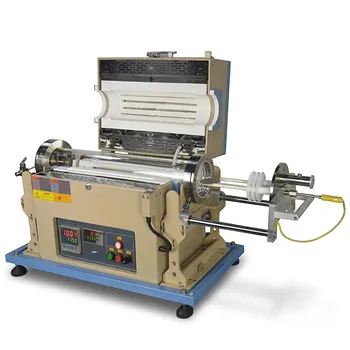
- Chemical Vapor Deposition CVD System Slide PECVD Tube Furnace with Liquid Gasifier PECVD Machine
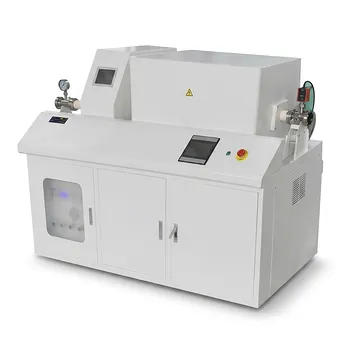
- Inclined Rotary Plasma Enhanced Chemical Vapor Deposition PECVD System for Thin Film Deposition and Nanomaterial Synthesis
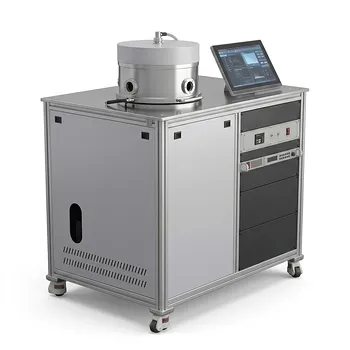
- Radio Frequency Plasma Enhanced Chemical Vapor Deposition RF PECVD System for Laboratory and Industrial Thin Film Growth
- 1200C Max Compact Auto-Sliding PECVD Furnace with 2 Inch Tube and Vacuum Pump
- 1200C Dual Sliding Tube Furnace with Dual Tubes and Flanges for PECVD Processes
People Also Ask
- What are the advantages of PECVD systems for nano flame retardant films? Protect Heat-Sensitive Polymers with Precision
- How does a sliding rail design benefit the CVD process within a furnace ventilation hood? Enhance Control & Quenching
- What is the role of CVD/PECVD systems in the research of optoelectronic materials and functional coatings? Expert Guide
- How does PECVD differ from conventional thermal CVD? Key Advantages of Low-Temperature Deposition for R&D
- What role do by-product desorption and evacuation play in CVD film quality? Key Factors for High-Purity Films

Tech Team · ThermUnits
Last updated on Apr 14, 2026
Related Products
Chemical Vapor Deposition CVD System Slide PECVD Tube Furnace with Liquid Gasifier PECVD Machine
Inclined Rotary Plasma Enhanced Chemical Vapor Deposition PECVD System for Thin Film Deposition and Nanomaterial Synthesis
Radio Frequency Plasma Enhanced Chemical Vapor Deposition RF PECVD System for Laboratory and Industrial Thin Film Growth
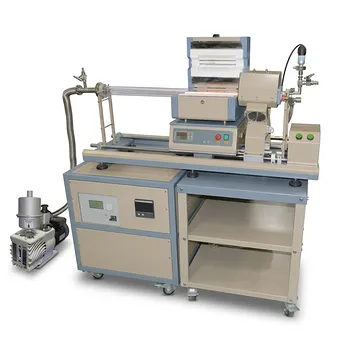
1200C Max Compact Auto-Sliding PECVD Furnace with 2 Inch Tube and Vacuum Pump
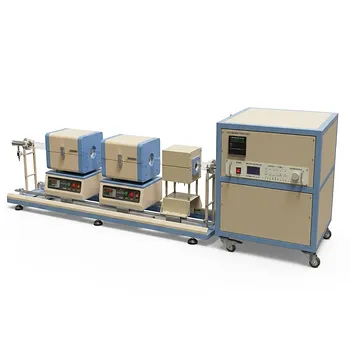
1200C Dual Sliding Tube Furnace with Dual Tubes and Flanges for PECVD Processes
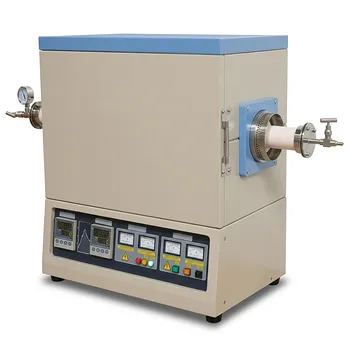
High Temperature 1700C Dual Zone Tube Furnace for Material Science and Industrial Chemical Vapor Deposition Research
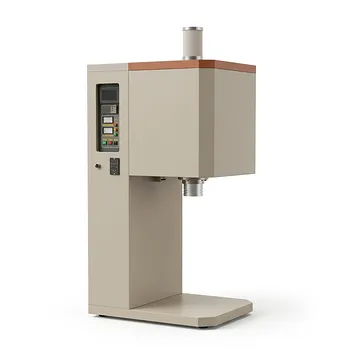
Vertical Openable Tube Furnace 0-1700c High Temperature Laboratory System for CVD and Vacuum Heat Treatment
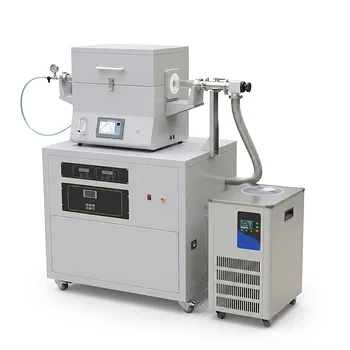
Split Chamber CVD Tube Furnace with Vacuum Station Chemical Vapor Deposition System Machine

High Temperature 1700C Tube Furnace with High Vacuum Turbomolecular Pump System and Multi Channel Mass Flow Controller Gas Mixer
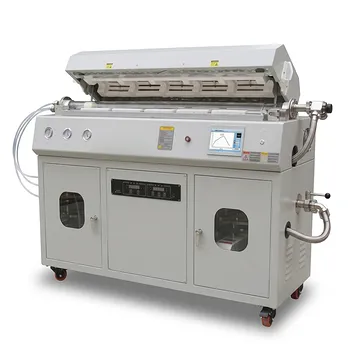
Multi Heating Zones CVD Tube Furnace System for Precision Chemical Vapor Deposition and Advanced Material Synthesis
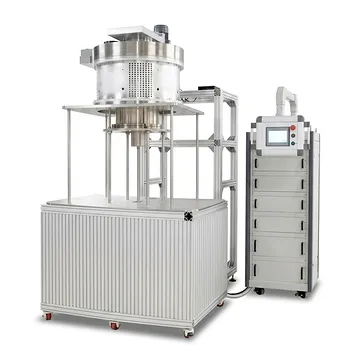
915MHz MPCVD Diamond Machine Microwave Plasma Chemical Vapor Deposition System Reactor
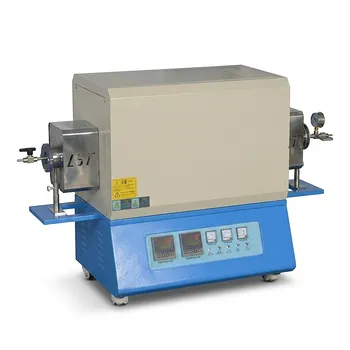
High Temperature Dual Zone Vacuum Tube Furnace for Material Research and CVD Processing
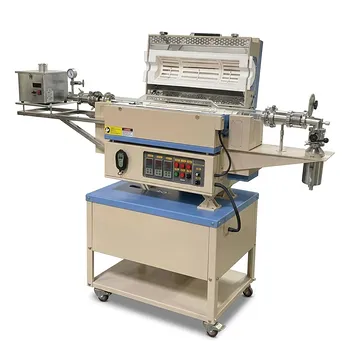
5 Inch Rotary Tube Furnace with Automatic Feeding and Receiving System 1200C Three Zone CVD Powder Processing
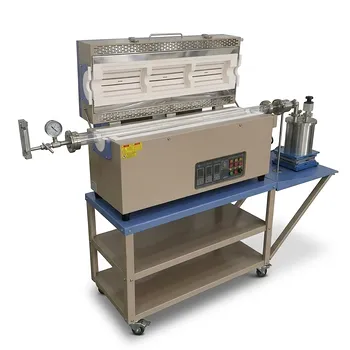
5 Inch Two Zone Rotary Tube Furnace 1100C for Powder CVD and Material Synthesis
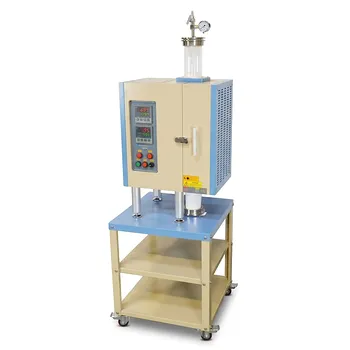
1100°C Dual Zone Split Vertical Tube Furnace with 4 Inch Quartz Tube and Vacuum Sealing Flanges
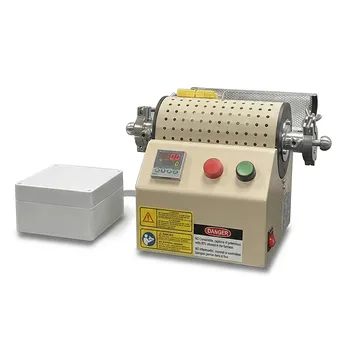
1000C Mini Tube Furnace with 20mm Quartz Tube and Vacuum Flanges for Material Science Research and Controlled Atmosphere Small Sample Processing
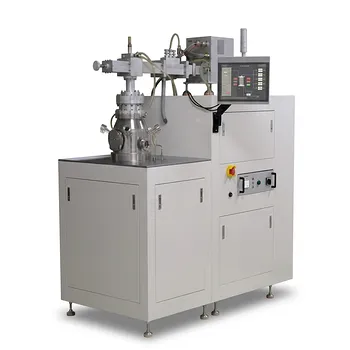
Cylindrical Resonator MPCVD Machine System for Microwave Plasma Chemical Vapor Deposition and Lab Diamond Growth
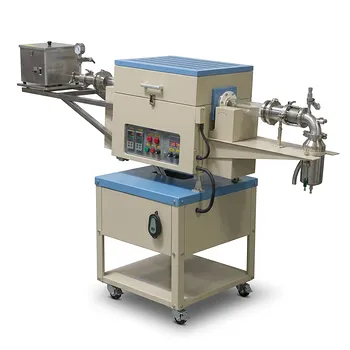
Two Zone Rotary CVD Furnace with Automatic Feeding and Receiving System for Powder Processing
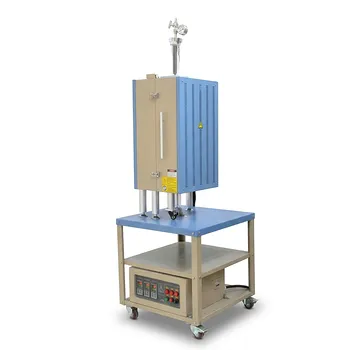
1200C Three Zone Vertical Tube Furnace with 2 Inch Quartz Tube and Vacuum Flanges