How do the refractory walls of a heating furnace influence energy utilization efficiency? Maximize Thermal Performance
Updated 6 months ago
The refractory walls of a heating furnace serve as the primary thermal barrier, directly determining how much energy is retained versus lost. By providing high thermal resistance, these walls inhibit energy transfer to the external environment, ensuring that the maximum amount of fuel or electrical energy is directed toward the workload rather than dissipated as waste heat.
Efficient furnace operation depends on the refractory lining’s ability to minimize heat loss through conduction and radiation while managing thermal inertia to maintain stable processing temperatures.
The Mechanics of Thermal Retention
High Thermal Resistance as a Barrier
Refractory materials are engineered to possess high thermal resistance, which acts as a shield for the furnace’s internal energy. This resistance ensures that the heat generated within the chamber remains concentrated on the industrial process rather than escaping.
Reducing Conductive and Radiative Heat Loss
Energy utilization is improved by specifically inhibiting the two primary modes of escape: conduction through the wall material and radiation from the outer surfaces. Effective insulation keeps the majority of thermal energy contained within the furnace chamber, directly reducing the fuel required to maintain operating temperatures.
Protection of External Infrastructure
Beyond efficiency, these walls lower the temperature of the equipment’s outer shell. This protects the structural integrity of the furnace and creates a safer, more manageable working environment for operators.
Structural Parameters Affecting Efficiency
The Critical Role of Wall Thickness
Thickness is a vital parameter because it determines the total heat transfer resistance of the system. Increasing the thickness of the refractory wall significantly reduces the rate of heat conduction to the outside, which is essential for achieving a high-performance thermal balance.
Heat Storage and Thermal Inertia
The density and type of refractory material dictate its heat storage capacity. This capacity determines the furnace's thermal inertia, which helps stabilize the internal temperature against fluctuations during loading or unloading cycles.
Impact on Heating Rates
While thickness improves insulation, the mass of the wall affects the heating rate. A wall with high heat storage capacity may take longer to reach operating temperature, which is a critical consideration for intermittent versus continuous furnace operations.
Understanding the Trade-offs
Insulation vs. Thermal Responsiveness
Increasing wall thickness improves energy retention but also increases the thermal mass. While this provides stability, it can make the furnace slower to respond to temperature set-point changes, potentially leading to longer startup times.
Material Density and Heat Loss
Denser refractories often offer better structural durability and resistance to chemical attack but may have higher thermal conductivity. Engineers must balance the need for physical longevity with the requirement for low thermal conductivity to maximize energy efficiency.
Weight and Structural Costs
Thicker or denser refractory linings add significant dead weight to the furnace structure. This may require more robust (and expensive) external steel supports, creating a trade-off between energy savings and initial capital expenditure.
Applying This to Your Project
Recommendations for Efficiency Goals
Optimizing your furnace requires matching the refractory strategy to your specific operational cycle.
- If your primary focus is Continuous Operation: Prioritize maximum wall thickness and high thermal resistance to minimize steady-state heat loss over long periods.
- If your primary focus is Rapid Batch Processing: Utilize low-thermal-mass refractories (such as ceramic fibers) to allow for faster heating and cooling cycles and reduced startup energy.
- If your primary focus is Temperature Uniformity: Opt for materials with higher heat storage capacity to provide a thermal "buffer" that resists rapid temperature drops.
By strategically selecting the thickness and thermal properties of your refractory lining, you can transform the furnace wall from a simple container into a high-performance tool for energy conservation.
Summary Table:
| Parameter | Impact on Energy Efficiency | Key Considerations |
|---|---|---|
| Wall Thickness | Reduces conductive heat loss to the exterior. | Increases thermal mass and startup times. |
| Material Density | Affects heat storage capacity and durability. | Higher density often means higher conductivity. |
| Thermal Resistance | Acts as the primary barrier against energy transfer. | Determines the total fuel/power required for stability. |
| Thermal Inertia | Stabilizes internal temperature during cycles. | High inertia slows response to set-point changes. |
| Surface Radiation | Lower shell temperatures reduce wasted energy. | Improves operator safety and structural longevity. |
Elevate Your Thermal Processing Efficiency with THERMUNITS
Optimizing refractory design is essential for superior heat treatment. As a leading manufacturer of high-temperature laboratory equipment, THERMUNITS provides the precision and durability required for advanced material science and industrial R&D.
Whether you need Muffle, Vacuum, Atmosphere, Tube, Rotary, or Hot Press furnaces, or specialized systems like CVD/PECVD, Dental Furnaces, and Vacuum Induction Melting (VIM) units, our engineering team is ready to help you minimize energy waste and maximize throughput.
Why partner with THERMUNITS?
- Engineered Efficiency: Expertly designed refractory linings tailored to your specific batch or continuous cycles.
- Comprehensive Catalog: From thermal elements to industrial-grade electric rotary kilns.
- Unmatched Stability: Systems built for precise temperature control and optimized heat retention.
Ready to enhance your lab's thermal performance and reduce operational costs? Contact our technical experts today to find the perfect furnace for your application!
References
- M Muhaimin. Evaluasi Efisiensi Furnace 01 Pusat Pengembangan Sumber Daya Manusia Minyak dan Gas Bumi Cepu (PPSDM MIGAS Cepu). DOI: 10.37525/sp/2024-1/504
Mentioned Products
- 1600°C Cold Wall High Vacuum Chamber Furnace with Molybdenum Heating and 400mm Cube Work Zone
- High Temperature Cold Wall Vacuum Furnace for Advanced Material Sintering and Annealing 1600C Heating Area 200x200x300mm
- Five Side Heating Muffle Furnace High Purity Alumina Fiber 27L Chamber 1200C High Temperature Thermal Processing System for Sintering Annealing and Materials Research
- 1200C Five Side Heating Muffle Furnace with Sliding Door 125L Volume High Temperature Heat Treatment System for Large Scale Sintering and Annealing
- Five Side Heating Muffle Furnace 1200C High Uniformity 64L Chamber 16x16x16 Inch Industrial Heat Treatment
People Also Ask
- Why is a specialized gas control system required for molybdenum carbide passivation? Ensure Safety & Material Integrity
- How does the cooling and quenching system function in a vacuum furnace? Achieve Precision Heat Treatment Results
- What is the primary purpose of using a vacuum heating furnace for 900°C annealing of Fe-Co-Mo alloys? Ensure Purity.
- Why are Mo crucibles preferred for (U,Am)O2-x sintering? Achieve High Purity & Precise Stoichiometry at 1873 K
- What technical advantages does a molybdenum (Mo) crucible provide for high-temperature slag research? Key Benefits

Tech Team · ThermUnits
Last updated on Apr 14, 2026
Related Products
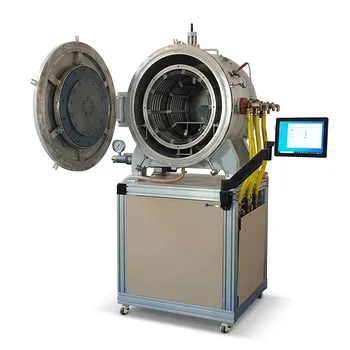
1600°C Cold Wall High Vacuum Chamber Furnace with Molybdenum Heating and 400mm Cube Work Zone
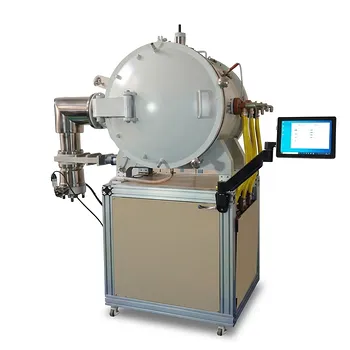
High Temperature Cold Wall Vacuum Furnace for Advanced Material Sintering and Annealing 1600C Heating Area 200x200x300mm
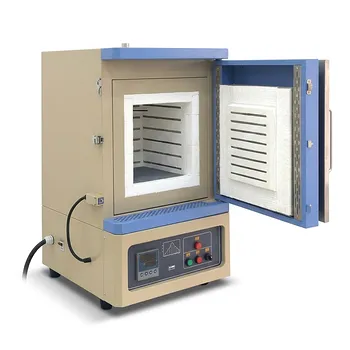
Five Side Heating Muffle Furnace High Purity Alumina Fiber 27L Chamber 1200C High Temperature Thermal Processing System for Sintering Annealing and Materials Research
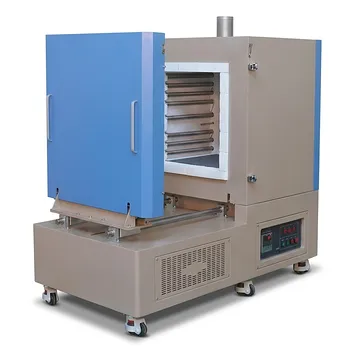
1200C Five Side Heating Muffle Furnace with Sliding Door 125L Volume High Temperature Heat Treatment System for Large Scale Sintering and Annealing
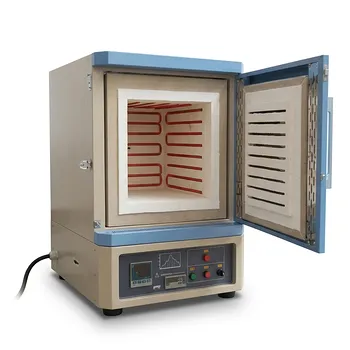
Five Side Heating Muffle Furnace 1200C High Uniformity 64L Chamber 16x16x16 Inch Industrial Heat Treatment
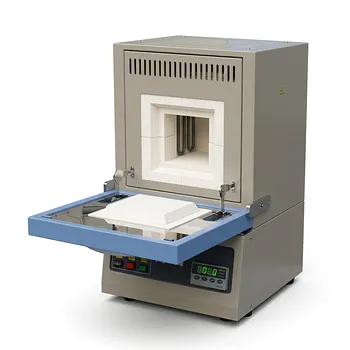
Five Sided Heating Muffle Furnace High Uniformity 1200C Lab Box Furnace 27L Alumina Fiber Chamber
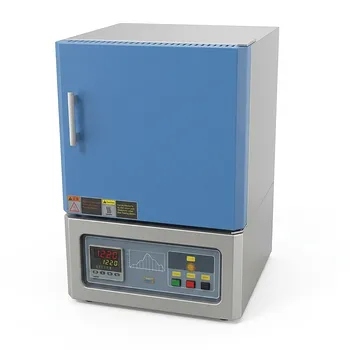
High Temperature Benchtop Muffle Furnace 1700C 10L Chamber Alumina Fiber Insulation MoSi2 Heating Elements
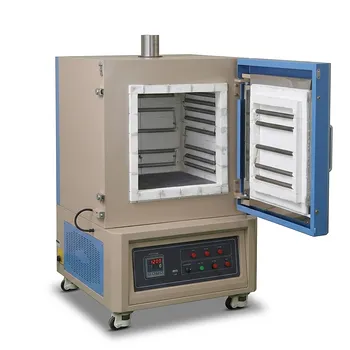
1200C High Temperature 125L Muffle Furnace 5 Side Heating for Large Batch Sintering with Optional Alloy Debinding Chamber
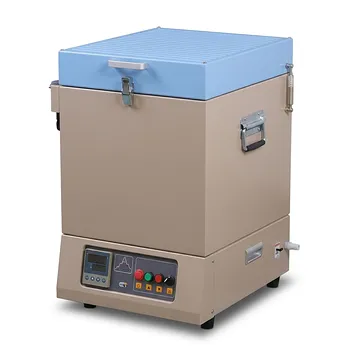
High Temperature Vertical Crucible Furnace with 22L Heating Chamber and 1200C Maximum Temperature
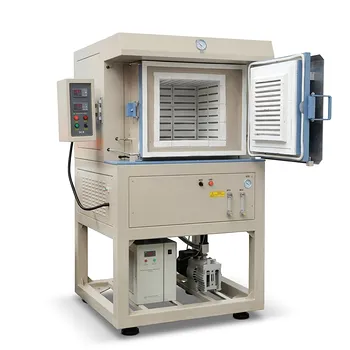
1200°C Five Side Heating Atmosphere Controlled Muffle Furnace 64 Liter High Uniformity Box Furnace for Material Synthesis
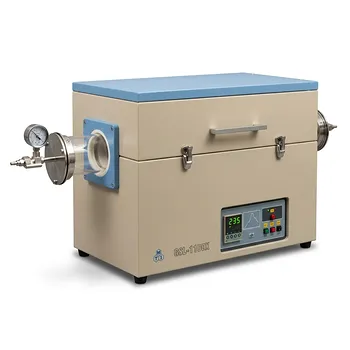
Single Zone Tube Furnace 5 Inch Quartz Tube 36 Inch Heating Zone Vacuum Flanges
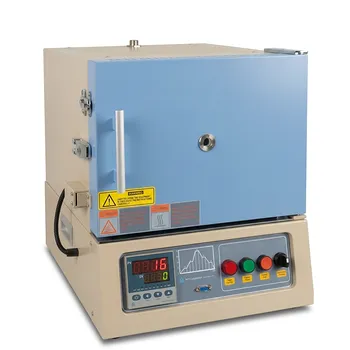
1200C Muffle Furnace 12x8x5 7.2L Heating Chamber with Quartz Observation Window and Vent Port
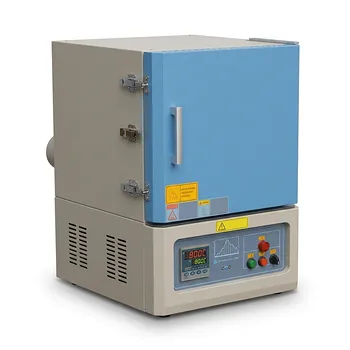
1800C Bench Top Muffle Furnace 18 Liters with Kanthal Super 1900 Heating Elements for High Purity Ceramic Sintering and Material Research
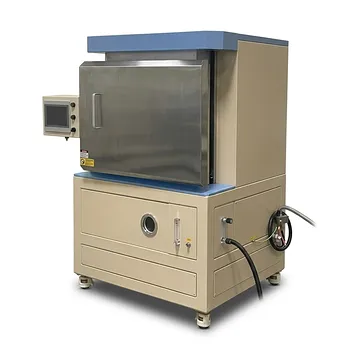
1650C High Temperature Atmosphere Controlled Box Furnace with 65L Chamber for Advanced Material Sintering and Industrial Heat Treatment
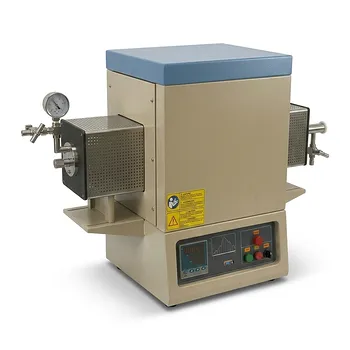
High Temperature 1700C Benchtop Tube Furnace with 5 Inch Heating Zone High Purity Alumina Tube and Vacuum Sealing Flanges
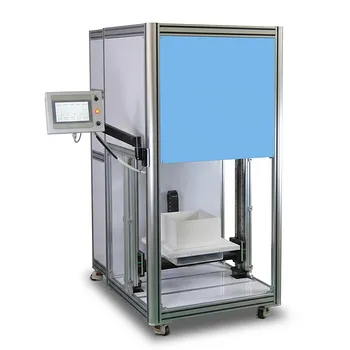
High Temperature 1600°C Three Zone Heated Bottom Loading Box Furnace with Rapid Thermal Processing Chamber 72L Volume
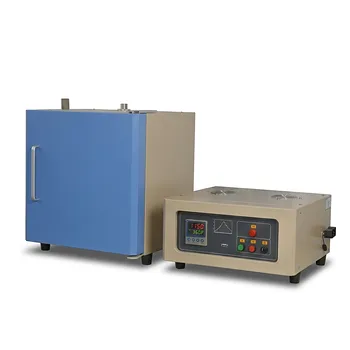
High Temperature Muffle Furnace with Alloy Chamber for Debinding and Sintering Applications
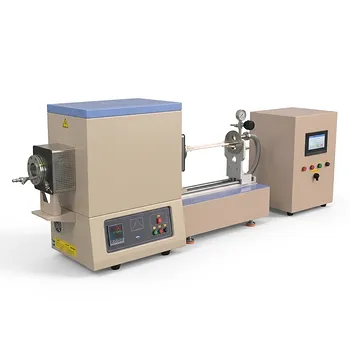
High Temperature Horizontal Electrical Assisted Sintering Furnace with 3KW Programmable Power Source for Advanced Ceramic Materials
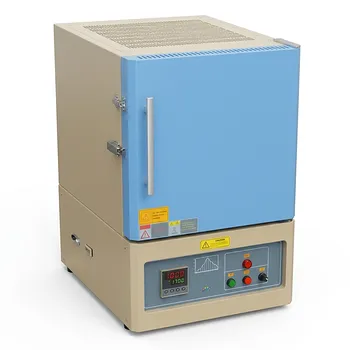
Large Bench Top 1700C High Temperature Muffle Furnace with 19L Chamber for Advanced Material Sintering and Annealing