Why is a specialized gas control system required for molybdenum carbide passivation? Ensure Safety & Material Integrity
Updated 3 months ago
Passivation is the critical safety bridge between high-temperature synthesis and real-world application. A specialized gas control system is required because freshly prepared molybdenum carbide is pyrophoric; it will undergo violent spontaneous combustion if it encounters ambient air immediately. The system allows for the precise introduction of a dilute 5% $O_2/N_2$ mixture to "tame" the material before it leaves the furnace.
Core Takeaway: Passivation utilizes a controlled, low-concentration oxygen environment to create a thin, protective oxide "skin" on the catalyst. This layer prevents catastrophic self-ignition during transfer while remaining thin enough to be removed during later activation.
The Volatile Nature of Molybdenum Carbide
The Threat of Spontaneous Combustion
Molybdenum carbide ($Mo_2C$) is a highly active material with a high affinity for oxygen. Upon completion of the carbonization process—often involving methane at temperatures near 1000 °C—the surface atoms are in a high-energy, unstable state.
The Impact of Ambient Exposure
If these catalysts are removed from the inert atmosphere of the furnace and exposed to room air, the rapid reaction with oxygen generates intense heat. This heat can lead to uncontrolled oxidation, destroying the specific crystalline phases and nanosheet structures required for catalytic performance.
The Mechanics of Controlled Passivation
Precision Gas Dilution
The specialized gas control system avoids the "all-or-nothing" nature of ambient air. By introducing a 5% $O_2/N_2$ mixture, the system ensures that the concentration of oxygen is low enough to prevent a runaway thermal reaction.
Forming the Protective Barrier
Over a period of approximately two hours at low temperature, this dilute mixture facilitates the growth of a thin and dense oxide film. This film acts as a physical barrier, isolating the bulk of the carbide from further oxygen penetration during storage and transport.
Maintaining Surface Integrity
Strict atmosphere control ensures that the passivation is superficial. Because the gas flow is precisely regulated, the oxide layer remains thin enough to be easily reduced by hydrogen in subsequent reactions, restoring the catalyst's original activity when needed.
Essential Role of the Atmosphere Furnace
Isolation and Transition
An atmosphere furnace is unique in its ability to switch from a high-temperature reducing environment to a low-temperature passivation environment. It ensures that no oxygen or moisture enters the chamber prematurely, which would jeopardize the chemical stoichiometry of the catalyst.
Uniformity of the Reaction
A specialized gas inlet system ensures the $O_2/N_2$ mixture is distributed evenly across the material. This prevents "hot spots" where localized combustion could occur, ensuring the entire batch of catalyst is stabilized uniformly.
Understanding the Trade-offs
The Risk of Over-Passivation
If the oxygen concentration is too high or the exposure time is too long, the oxide layer can become too thick. A thick oxide shell may require excessively high temperatures to reduce, potentially causing the catalyst particles to sinter and lose surface area.
The Danger of Incomplete Passivation
Conversely, if the gas control system fails to maintain a steady flow, parts of the material may remain unpassivated. This creates a significant safety hazard, as the material may appear stable but could spontaneously ignite later during handling or weighing.
How to Apply This to Your Project
Making the Right Choice for Your Goal
To ensure the safety and efficacy of your molybdenum carbide catalysts, your gas control strategy must align with your final application.
- If your primary focus is long-term storage: Ensure the passivation duration is strictly followed to create a robust, dense oxide film that can withstand varied humidity levels.
- If your primary focus is maximum surface activity: Optimize the gas mixture to the lowest effective oxygen concentration to keep the protective layer as thin as possible for easy re-activation.
- If your primary focus is material purity: Use high-purity nitrogen as the carrier gas for your oxygen mixture to prevent the introduction of trace contaminants during the stabilization phase.
A precise passivation protocol transforms a dangerous, pyrophoric powder into a stable, high-performance tool for industrial chemistry.
Summary Table:
| Feature | Requirement | Benefit |
|---|---|---|
| Gas Mixture | 5% $O_2/N_2$ Dilution | Prevents violent spontaneous combustion |
| Environment | Controlled Atmosphere | Maintains chemical stoichiometry and purity |
| Protective Layer | Thin Oxide "Skin" | Enables safe transport while allowing easy re-activation |
| Temperature | Precision Low-Temp Control | Prevents sintering and maintains high surface area |
Optimize Your Catalyst Research with THERMUNITS
Precision gas control is the difference between a successful synthesis and a safety hazard. THERMUNITS is a leading manufacturer of high-temperature laboratory equipment dedicated to supporting material science and industrial R&D. We provide the advanced thermal processing solutions required for sensitive procedures like catalyst passivation.
Our comprehensive range includes:
- Atmosphere & Vacuum Furnaces for precise gas management.
- Tube & Rotary Furnaces for uniform material treatment.
- Muffle, Hot Press, and Dental Furnaces for diverse lab applications.
- CVD/PECVD & Vacuum Induction Melting (VIM) systems for advanced synthesis.
Ensure the safety and efficacy of your high-performance materials. Contact our technical experts today to find the ideal furnace solution for your laboratory's needs!
References
- Linyuan Zhou, Changwei Hu. Regulating the Hydrodeoxygenation Activity of Molybdenum Carbide with Different Diamines as Carbon Sources. DOI: 10.3390/catal14020138
Mentioned Products
- 1600°C Cold Wall High Vacuum Chamber Furnace with Molybdenum Heating and 400mm Cube Work Zone
- 1750C Bench Top Muffle Furnace 3.6L High Grade Molybdenum Disilicide Heating Elements Laboratory Heat Treatment Equipment
- Compact Hybrid Muffle and Tube Furnace for 1000C Controlled Atmosphere Laboratory Material Sintering
- 1650C High Temperature Atmosphere Controlled Box Furnace with 65L Chamber for Advanced Material Sintering and Industrial Heat Treatment
- High Temperature Economic Hydrogen Gas Box Furnace 1600C Atmosphere Controlled Thermal Processing System 65L Capacity
People Also Ask
- How does the cooling and quenching system function in a vacuum furnace? Achieve Precision Heat Treatment Results
- What is the primary purpose of using a vacuum heating furnace for 900°C annealing of Fe-Co-Mo alloys? Ensure Purity.
- Why are Mo crucibles preferred for (U,Am)O2-x sintering? Achieve High Purity & Precise Stoichiometry at 1873 K
- What technical advantages does a molybdenum (Mo) crucible provide for high-temperature slag research? Key Benefits
- Why must a laboratory vacuum drying oven be used for molybdenum carbide precursors? Achieve High Purity & Stability

Tech Team · ThermUnits
Last updated on Jun 02, 2026
Related Products
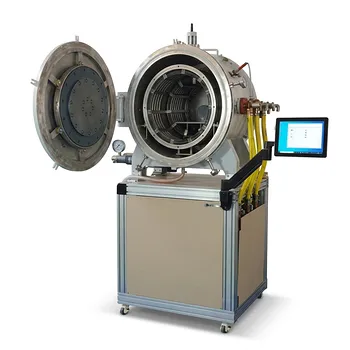
1600°C Cold Wall High Vacuum Chamber Furnace with Molybdenum Heating and 400mm Cube Work Zone
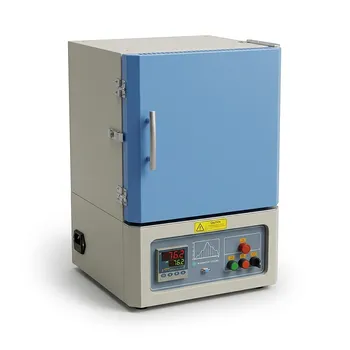
1750C Bench Top Muffle Furnace 3.6L High Grade Molybdenum Disilicide Heating Elements Laboratory Heat Treatment Equipment
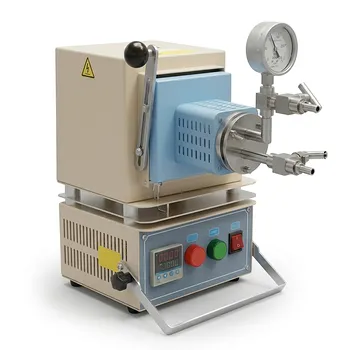
Compact Hybrid Muffle and Tube Furnace for 1000C Controlled Atmosphere Laboratory Material Sintering
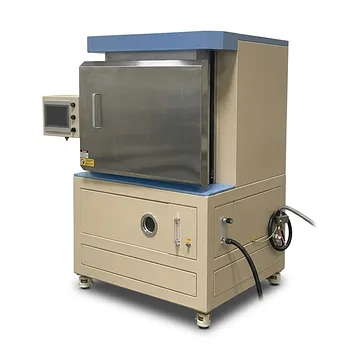
1650C High Temperature Atmosphere Controlled Box Furnace with 65L Chamber for Advanced Material Sintering and Industrial Heat Treatment
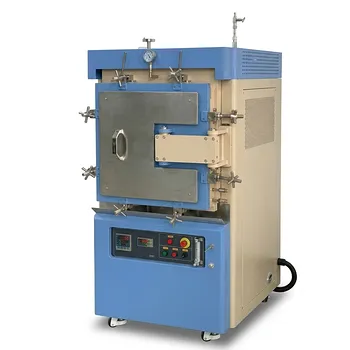
High Temperature Economic Hydrogen Gas Box Furnace 1600C Atmosphere Controlled Thermal Processing System 65L Capacity
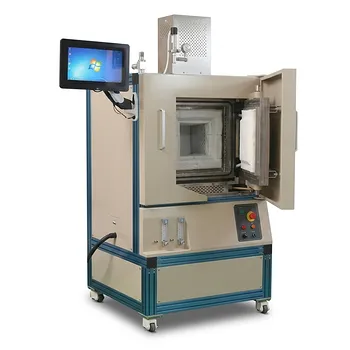
High Temperature Oxygen and Inert Atmosphere Controlled Furnace 8 Liter 1700C Sintering System for Advanced Materials RD
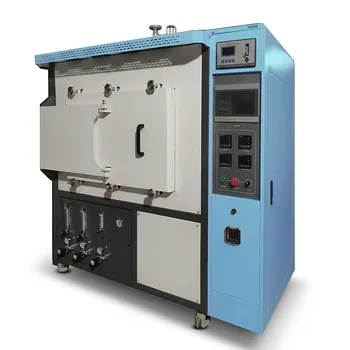
Roller Table Atmosphere Furnace 1500C High Temperature Battery Material Sintering System 112L Capacity
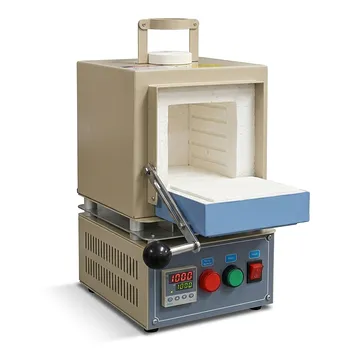
Compact 1000C Muffle Furnace with Programmable Controller and 2 Inch Top Port for Vacuum and Atmosphere Material Research
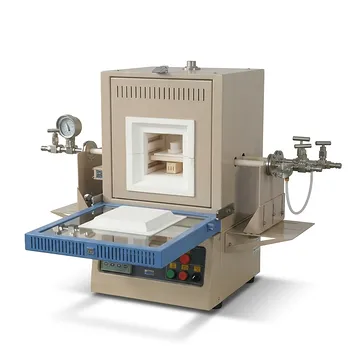
1700C Compact Hybrid Furnace with Dual Layer Box Sintering and Controlled Atmosphere Alumina Tubes
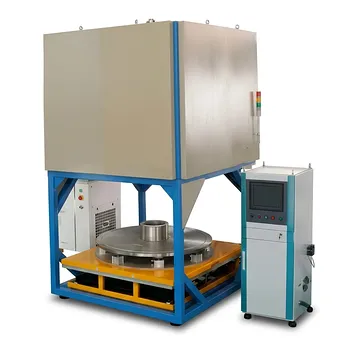
1400C Bottom Loaded Inert Gas Atmosphere Box Furnace with 125L Capacity and Precision Hydraulic Lift
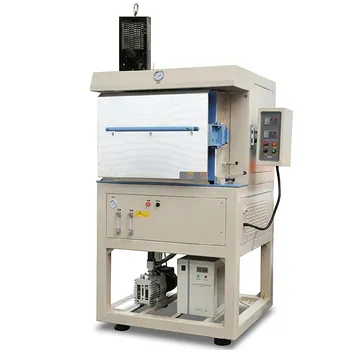
1200C Hydrogen Atmosphere Box Furnace with 5 Heated Sides and 64L Chamber
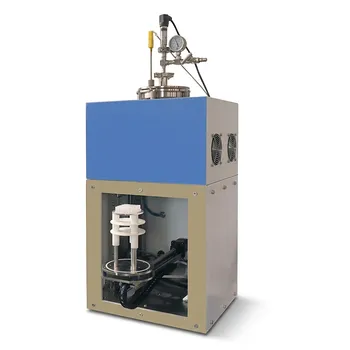
Rapid Thermal Processing RTP Atmosphere Controlled Bottom Loading Furnace 1100C High Throughput 50C per Second Heating Rate
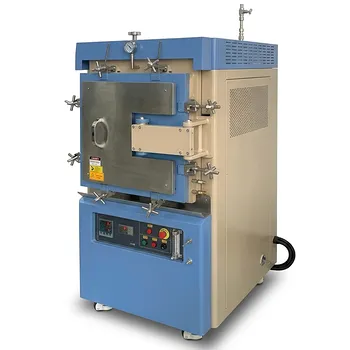
Atmosphere Controlled Muffle Furnace 1700C Maximum Temperature 80L High Capacity Vacuum Inert Gas Box Furnace
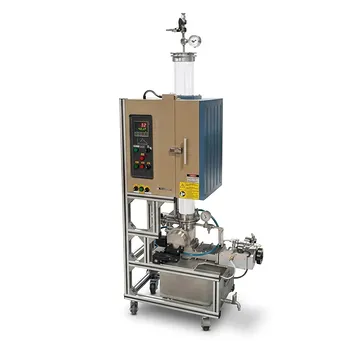
1200C High Temperature Atmosphere Controlled Vertical Quenching Tube Furnace with 4 Inch Quartz Tube
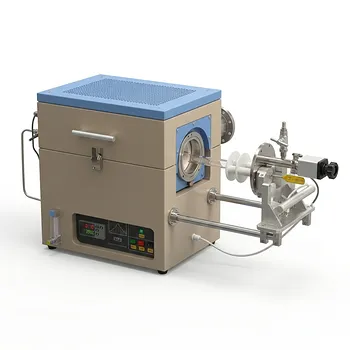
Compact Atmosphere Controlled Rapid Thermal Processing RTP Furnace with 4 Inch ID Quartz Tube 1100C
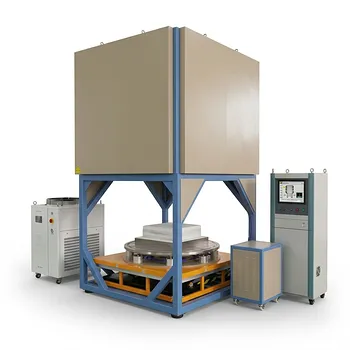
Bottom Loaded Inert Gas Atmosphere Box Furnace 1700C 1300C 216L Large Capacity Industrial Thermal Processing System
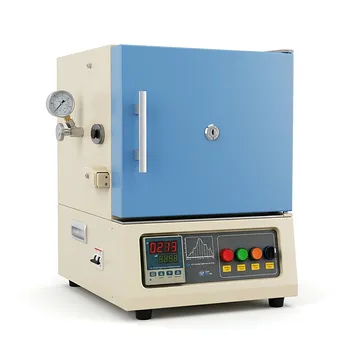
1200C Hybrid Muffle and Tube Furnace for Material Research with Dual Atmosphere Control Quartz Tubes
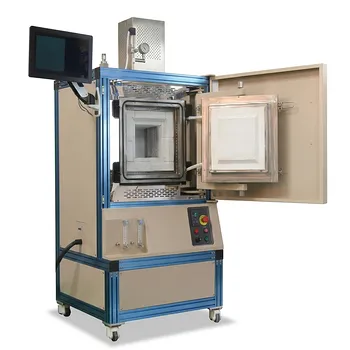
High Temperature Hydrogen Atmosphere Box Furnace 1650C Max Reducing Environment Material Synthesis System 8x8x8 Chamber
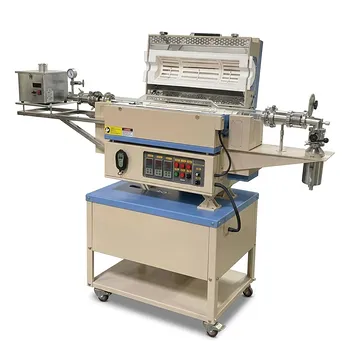
5 Inch Rotary Tube Furnace with Automatic Feeding and Receiving System 1200C Three Zone CVD Powder Processing
