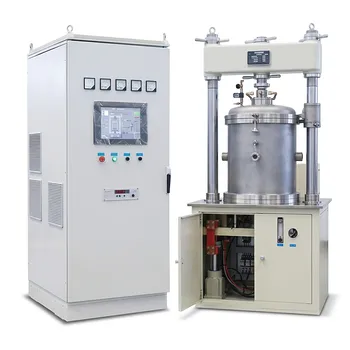
How does a low-pressure vacuum system contribute to the quality of synthesized alpha-Ga2Se3 flakes? Optimize 2D Purity.
Updated 3 months ago
A low-pressure vacuum system is a critical requirement for high-quality material synthesis. By reducing the ambient pressure within the reaction chamber, the system effectively lowers the sublimation or melting temperatures of the precursor powders. This allows the synthesis of alpha-Ga2Se3 flakes to occur at lower temperatures, which minimizes crystal defects and ensures a uniform gas flow essential for large-scale, consistent flake growth.
Core Takeaway: Low-pressure environments optimize alpha-Ga2Se3 synthesis by lowering the thermal energy required for precursor vaporization and stabilizing gas dynamics. This dual effect results in superior crystal quality and highly uniform two-dimensional morphology.
The Thermodynamic Advantage: Lowering Growth Temperatures
Reducing Sublimation and Melting Points
In a vacuum, the boiling and sublimation points of materials decrease significantly. By lowering the system pressure, the precursor powders transition into a gaseous state at much lower temperatures than they would at atmospheric pressure.
Enhancing Crystal Quality
Operating at lower synthesis temperatures is a primary driver of crystal perfection. High heat can often introduce thermal strain or unwanted structural defects, so a lower-temperature process preserves the integrity of the alpha-phase crystal lattice.
Fluid Dynamics and Morphology Control
Achieving Uniform Gas Flow Velocity
A low-pressure environment is vital for maintaining a consistent gas flow velocity throughout the reaction chamber. This stability prevents turbulence, ensuring that the vaporized precursors are delivered to the substrate in a predictable and controlled manner.
Supporting Large-Scale Flake Formation
The uniformity of the gas flow directly influences the physical dimensions of the synthesized material. This controlled delivery is the key to growing large-size, two-dimensional flakes that maintain high levels of uniformity across their entire surface area.
Understanding the Trade-offs
Equipment Complexity and Maintenance
While low pressure improves quality, it requires sophisticated vacuum pumps and seals to maintain a constant environment. Any fluctuations in pressure during the growth process can lead to non-uniform flake thickness or inconsistent crystal phases.
Balancing Pressure and Deposition Rate
There is often a delicate balance between achieving the ideal vacuum level and maintaining a sufficient concentration of precursors. If the pressure is too low, the deposition rate may slow significantly, making the synthesis process less efficient for high-volume needs.
Optimizing Your Synthesis Strategy
To achieve the best results when synthesizing alpha-Ga2Se3, your approach to pressure management should align with your specific material goals.
- If your primary focus is crystal purity: Prioritize the lowest possible stable pressure to minimize the thermal budget and reduce the risk of lattice defects.
- If your primary focus is flake size and uniformity: Focus on calibrating the vacuum system to ensure a perfectly laminar gas flow velocity across the entire substrate area.
- If your primary focus is throughput: Experiment with the highest possible pressure that still allows for reduced sublimation temperatures to accelerate the deposition process.
Mastering the relationship between pressure and temperature is the most effective way to unlock the full potential of high-performance two-dimensional semiconductors.
Summary Table:
| Feature | Impact on alpha-Ga2Se3 Synthesis | Key Benefit |
|---|---|---|
| Low Pressure | Lowers precursor sublimation/melting points | Reduced thermal strain & fewer crystal defects |
| Vacuum Stability | Ensures laminar and consistent gas flow velocity | Large-scale, uniform 2D flake formation |
| Thermal Budget | Enables high-quality growth at lower temperatures | Preserves the integrity of the alpha-phase lattice |
Elevate Your Material Synthesis with THERMUNITS
Precision is the foundation of breakthrough material science. THERMUNITS is a leading manufacturer of high-temperature laboratory equipment, providing the advanced thermal solutions required for high-purity synthesis like alpha-Ga2Se3.
Our comprehensive range of equipment includes:
- Vacuum & Atmosphere Furnaces for precise environment control.
- CVD/PECVD Systems designed for high-quality 2D material growth.
- Muffle, Tube, and Rotary Kilns for diverse heat treatment needs.
- Vacuum Induction Melting (VIM) & Hot Press Furnaces for specialized industrial R&D.
Whether you are refining semiconductor flakes or scaling industrial R&D, our equipment ensures the stable gas dynamics and temperature accuracy your research demands.
Ready to optimize your thermal processing? Contact our expert team today to find the perfect solution for your laboratory.
References
- Nan Zhou, Tianyou Zhai. Precise Synthesis and Broadband Photoresponse of Two‐Dimensional Intrinsic Vacancy Semiconductor. DOI: 10.1002/sstr.202400062
Mentioned Products
- Inclined Rotary Plasma Enhanced Chemical Vapor Deposition PECVD System for Thin Film Deposition and Nanomaterial Synthesis
- High Pressure 600T Vacuum Induction Hot Press Furnace for Advanced Material Heat Treatment and Sintering
- Induction Heating System with Temperature Control for High Temperature Vacuum Sintering and Melting
- Industrial High Temperature Vacuum Hot Press Furnace and Heated Vacuum Press Machine for Material Science Sintering
- Radio Frequency Plasma Enhanced Chemical Vapor Deposition RF PECVD System for Laboratory and Industrial Thin Film Growth
People Also Ask
- What types of materials can be deposited using PECVD systems? Explore Versatile Thin-Film Coating Solutions
- How does the non-equilibrium nature of plasma facilitate low-temperature deposition in PECVD systems? Pro Tips for R&D
- How is Plasma-Enhanced Chemical Vapor Deposition (PECVD) utilized in the production of photovoltaic solar cells? Study
- How do RF frequency and power settings influence the characteristics of a PECVD process? Master Quality & Efficiency
- What are the advantages of PECVD systems for nano flame retardant films? Protect Heat-Sensitive Polymers with Precision

Tech Team · ThermUnits
Last updated on Jun 03, 2026
Related Products
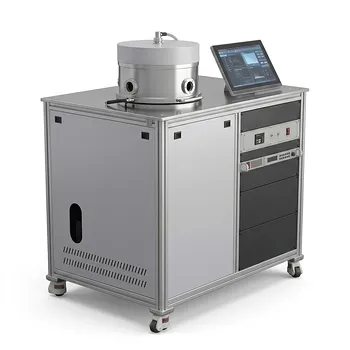
Inclined Rotary Plasma Enhanced Chemical Vapor Deposition PECVD System for Thin Film Deposition and Nanomaterial Synthesis
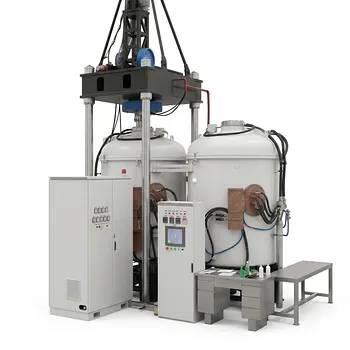
High Pressure 600T Vacuum Induction Hot Press Furnace for Advanced Material Heat Treatment and Sintering
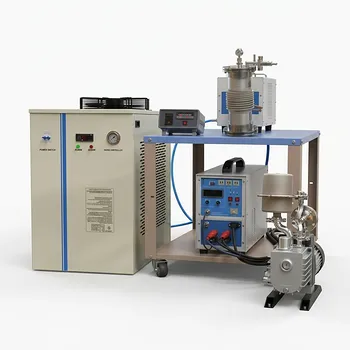
Induction Heating System with Temperature Control for High Temperature Vacuum Sintering and Melting
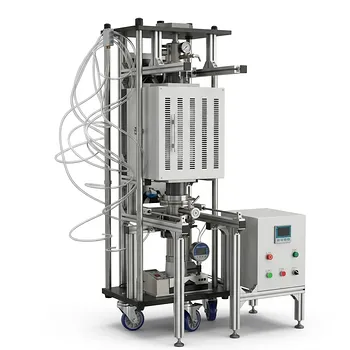
Industrial High Temperature Vacuum Hot Press Furnace and Heated Vacuum Press Machine for Material Science Sintering
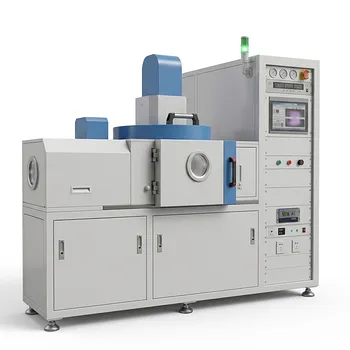
Radio Frequency Plasma Enhanced Chemical Vapor Deposition RF PECVD System for Laboratory and Industrial Thin Film Growth
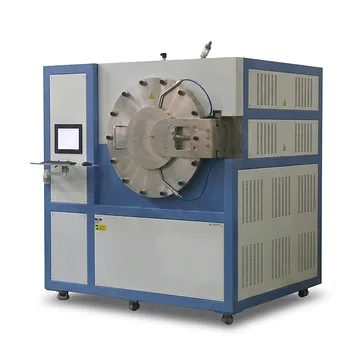
High Vacuum Pressure Chamber Furnace 800C 3.5 Bar Sintering System for Superconducting Materials
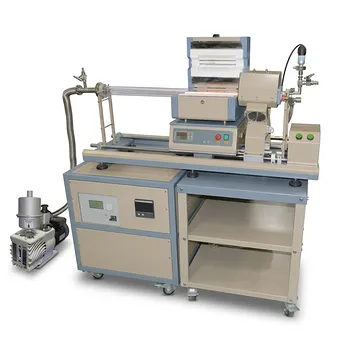
1200C Max Compact Auto-Sliding PECVD Furnace with 2 Inch Tube and Vacuum Pump
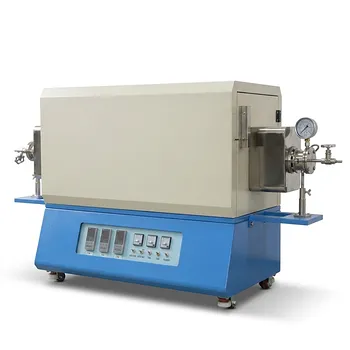
Three Temperature Zone High Temperature Vacuum Tube Furnace for CVD and Material Sintering