How do RF frequency and power settings influence the characteristics of a PECVD process? Master Quality & Efficiency
Updated 5 months ago
RF frequency and power settings are the primary levers for controlling the chemical and physical environment of a plasma-enhanced chemical vapor deposition (PECVD) system. By manipulating these parameters, you directly determine the energy density of the plasma, the rate of precursor dissociation, and the energy with which ions strike the growing film surface.
Core Takeaway: RF power primarily regulates the deposition rate and film chemistry by controlling radical generation, while RF frequency determines the ion bombardment energy, which dictates film density, stress, and structural integrity.
The Influence of RF Frequency on Ion Energy
Ion Bombardment and Sheath Voltage
The frequency of the RF field determines how ions respond to the electrical potential near the substrate. At the industry-standard 13.56 MHz, ions are too heavy to follow the rapid oscillations, resulting in a stable plasma with moderate ion energy.
Lower Frequency and Film Densification
When frequency is lowered (typically to the 100–400 kHz range), the ions can follow the field, leading to higher sheath voltages. This increases the ion bombardment energy, which effectively "packs" the film, increasing its density and mechanical stability.
The Impact on Substrate Damage
While high-energy bombardment is useful for densification, it carries the risk of physical damage to the substrate or the film lattice. This is particularly critical in sensitive applications like the preparation of hexagonal boron nitride (h-BN) or delicate optoelectronic layers.
The Role of RF Power in Film Growth
Dissociation and Radical Generation
RF power serves as the primary energy source for creating and maintaining the plasma. Higher power settings increase the electron temperature and ion density, which accelerates the dissociation of precursor molecules into reactive radicals.
Deposition Rate and Stoichiometry
As RF power increases, the concentration of reactive species rises, typically leading to a higher deposition rate. However, this power must be calibrated to ensure the correct stoichiometry, such as the carbon-to-silicon ratio in amorphous silicon carbide thin films.
Tuning Optical and Mechanical Properties
Precise adjustments to power—often within the 150 W to 300 W range—allow for the customization of the optical bandgap and refractive index. This level of control is essential for tailoring films to meet the specific requirements of advanced optoelectronic devices.
The Advantages of Dual-Frequency Systems
Independent Control of Plasma Parameters
Dual-frequency PECVD systems utilize both high-frequency (HF) and low-frequency (LF) sources simultaneously. This configuration breaks the link between plasma density and ion energy, allowing for independent tuning of the process.
Managing Radical Flux and Ion Energy
In these systems, the HF source primarily governs the radical flux and the overall deposition rate. Meanwhile, the LF source is dedicated to controlling the energy of ion bombardment, providing a "knob" for adjusting film properties without slowing down production.
Controlling Film Stress and Hydrogen Content
By balancing HF and LF components, engineers can precisely manage internal mechanical stress and hydrogen content. This is a critical capability when depositing thick films that might otherwise peel or crack due to high intrinsic tension.
Understanding the Trade-offs
Density vs. Structural Damage
The most significant trade-off in PECVD is the balance between film density and lattice damage. Increasing ion energy through lower frequencies densifies the film but can introduce defects that degrade electrical or optical performance.
Deposition Speed vs. Uniformity
While increasing RF power boosts throughput by raising the deposition rate, it often comes at the cost of film uniformity. High-power plasma can become unstable or depleted of precursors at the edges, leading to thickness variations across the wafer.
Stoichiometric Shifts at High Power
Excessive RF power can over-dissociate precursors, leading to unwanted chemical compositions. This can shift the refractive index or change the film's chemical resistance, making the process less predictable for sensitive multi-layer stacks.
Applying These Principles to Your Process
Achieving the desired film characteristics requires a deliberate balance between energy input and frequency modulation.
- If your primary focus is increasing film density or reducing porosity: Lower the RF frequency or increase the low-frequency component in a dual-frequency system to boost ion bombardment energy.
- If your primary focus is maximizing throughput and deposition rate: Increase the RF power to enhance precursor dissociation, ensuring you monitor stoichiometry and uniformity.
- If your primary focus is minimizing substrate damage and defects: Stick to the 13.56 MHz standard frequency and keep RF power at the minimum level required for stable plasma generation.
- If your primary focus is controlling internal film stress: Utilize a dual-frequency setup to independently tune the ion bombardment (LF) without sacrificing the deposition rate (HF).
By mastering the interplay between frequency-driven ion energy and power-driven radical generation, you can transition from reactive troubleshooting to proactive film engineering.
Summary Table:
| Parameter | Primary Influence | Key Benefit | Potential Trade-off |
|---|---|---|---|
| RF Power | Radical Generation | Higher deposition rates | Stoichiometric shifts |
| Low Frequency | Ion Bombardment | Increased film density | Lattice/substrate damage |
| High Frequency | Electron Temperature | Stable plasma & throughput | Lower film densification |
| Dual Frequency | Independent Tuning | Precise stress management | Increased process complexity |
Elevate Your Material Research with THERMUNITS
Precision in thin-film deposition requires more than just knowledge—it requires the right technology. THERMUNITS is a leading manufacturer of high-temperature laboratory equipment specifically designed for material science and industrial R&D.
Our advanced CVD/PECVD systems allow for the precise control of RF parameters discussed above, ensuring superior film density and structural integrity. Beyond PECVD, we offer a comprehensive range of thermal solutions, including:
- Muffle & Tube Furnaces for general heat treatment.
- Vacuum & Atmosphere Furnaces for sensitive material processing.
- Rotary & Hot Press Furnaces for industrial-scale R&D.
- Dental Furnaces & Vacuum Induction Melting (VIM) systems.
Ready to optimize your lab’s thermal processing performance? Contact us today to consult with our experts and discover how THERMUNITS can provide the tailored equipment you need to achieve breakthrough results.
Mentioned Products
- Inclined Rotary Plasma Enhanced Chemical Vapor Deposition PECVD System for Thin Film Deposition and Nanomaterial Synthesis
- Radio Frequency Plasma Enhanced Chemical Vapor Deposition RF PECVD System for Laboratory and Industrial Thin Film Growth
- Chemical Vapor Deposition CVD System Slide PECVD Tube Furnace with Liquid Gasifier PECVD Machine
- 1200C Max Compact Auto-Sliding PECVD Furnace with 2 Inch Tube and Vacuum Pump
- 1200C Dual Sliding Tube Furnace with Dual Tubes and Flanges for PECVD Processes
People Also Ask
- What types of materials can be deposited using PECVD systems? Explore Versatile Thin-Film Coating Solutions
- How does the non-equilibrium nature of plasma facilitate low-temperature deposition in PECVD systems? Pro Tips for R&D
- How is Plasma-Enhanced Chemical Vapor Deposition (PECVD) utilized in the production of photovoltaic solar cells? Study
- What are the advantages of PECVD systems for nano flame retardant films? Protect Heat-Sensitive Polymers with Precision
- What are the benefits of using PECVD for optical and photonic coatings? Achieve High-Precision Thin-Film Deposition

Tech Team · ThermUnits
Last updated on Apr 14, 2026
Related Products
Inclined Rotary Plasma Enhanced Chemical Vapor Deposition PECVD System for Thin Film Deposition and Nanomaterial Synthesis
Radio Frequency Plasma Enhanced Chemical Vapor Deposition RF PECVD System for Laboratory and Industrial Thin Film Growth
Chemical Vapor Deposition CVD System Slide PECVD Tube Furnace with Liquid Gasifier PECVD Machine
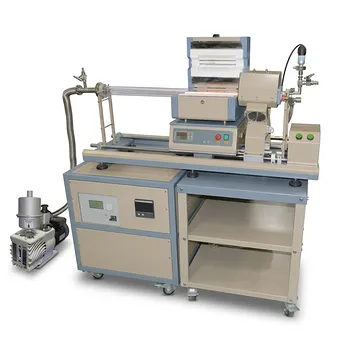
1200C Max Compact Auto-Sliding PECVD Furnace with 2 Inch Tube and Vacuum Pump
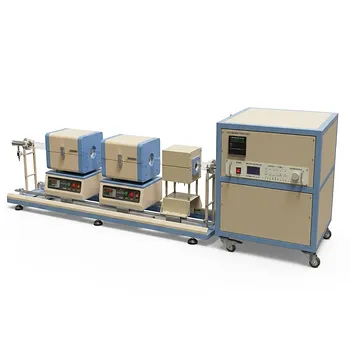
1200C Dual Sliding Tube Furnace with Dual Tubes and Flanges for PECVD Processes
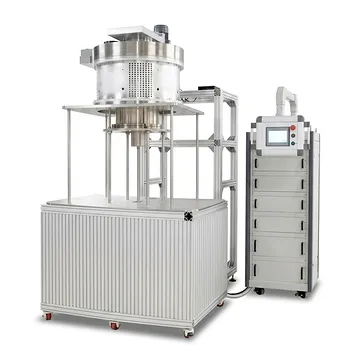
915MHz MPCVD Diamond Machine Microwave Plasma Chemical Vapor Deposition System Reactor
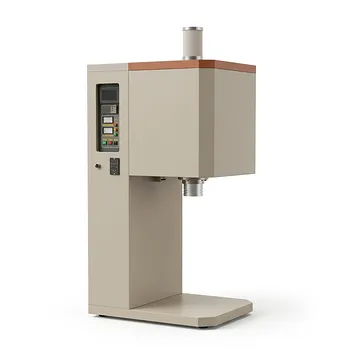
Vertical Openable Tube Furnace 0-1700c High Temperature Laboratory System for CVD and Vacuum Heat Treatment
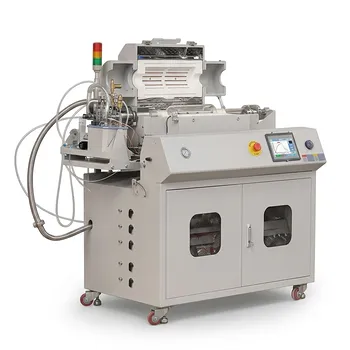
Versatile Chemical Vapor Deposition Tube Furnace System for Advanced Material Research and Industrial Coating Processes
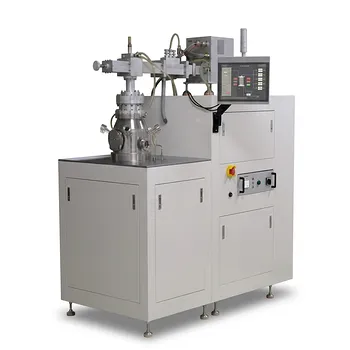
Cylindrical Resonator MPCVD Machine System for Microwave Plasma Chemical Vapor Deposition and Lab Diamond Growth
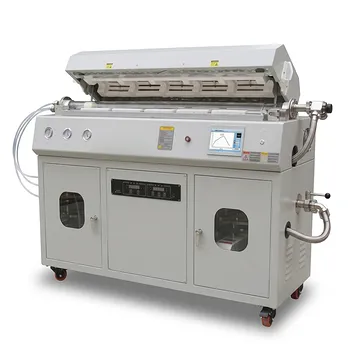
Multi Heating Zones CVD Tube Furnace System for Precision Chemical Vapor Deposition and Advanced Material Synthesis
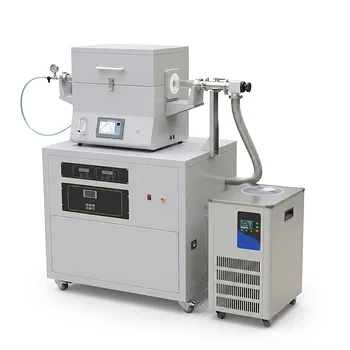
Split Chamber CVD Tube Furnace with Vacuum Station Chemical Vapor Deposition System Machine
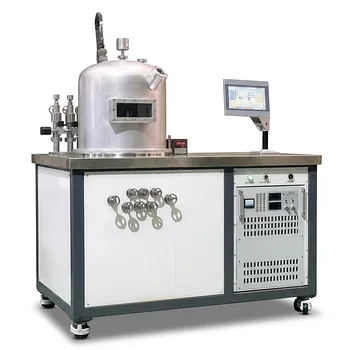
HFCVD Machine System for Nano Diamond Coating on Drawing Dies and Industrial Tools
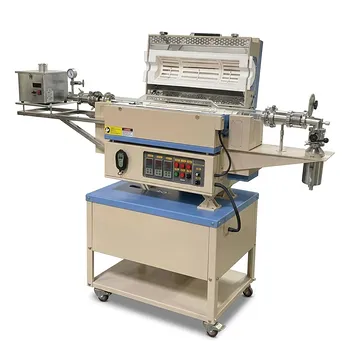
5 Inch Rotary Tube Furnace with Automatic Feeding and Receiving System 1200C Three Zone CVD Powder Processing
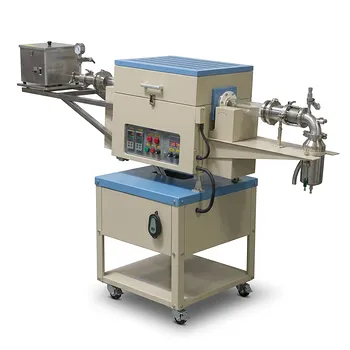
Two Zone Rotary CVD Furnace with Automatic Feeding and Receiving System for Powder Processing

High Temperature 1700C Tube Furnace with High Vacuum Turbomolecular Pump System and Multi Channel Mass Flow Controller Gas Mixer
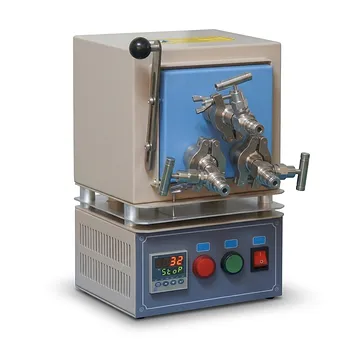
Triple Tube Compact Hybrid Muffle Furnace 1000C High Vacuum Thermal Processing System
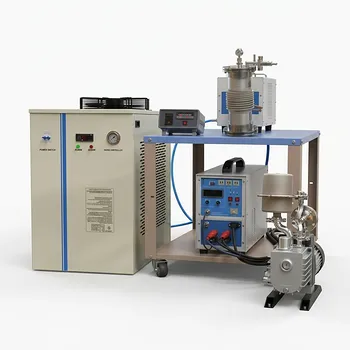
Induction Heating System with Temperature Control for High Temperature Vacuum Sintering and Melting
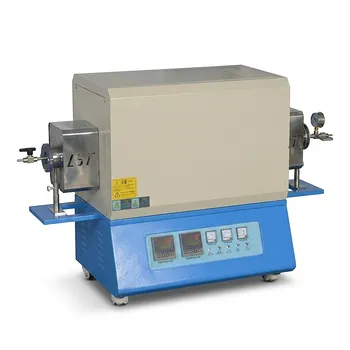
High Temperature Dual Zone Vacuum Tube Furnace for Material Research and CVD Processing
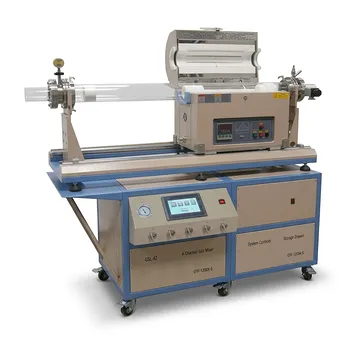
Dual Tube 100mm 80mm CVD Sliding Furnace with 4 Channel Gas Mixing and Vacuum System