What are the advantages of PECVD systems for nano flame retardant films? Protect Heat-Sensitive Polymers with Precision
Updated 5 months ago
Plasma Enhanced Chemical Vapor Deposition (PECVD) offers a critical advantage by enabling the high-precision synthesis of nano flame retardant films at significantly lower temperatures than traditional methods. By utilizing radio frequency (RF) energy to create a low-temperature plasma, these systems can deposit dense, high-quality coatings onto heat-sensitive substrates like polymers without causing thermal degradation. This process ensures the substrate’s mechanical integrity while providing superior, controllable surface flame retardancy.
Core Takeaway: PECVD is the premier method for flame retardant film preparation because it decouples the energy required for chemical reactions from the substrate temperature, allowing for the precise application of protective coatings onto delicate, heat-sensitive materials.
Thermal Integrity and Substrate Protection
Low-Temperature Processing Capabilities
Traditional thermal CVD requires temperatures between 600°C and 900°C, which would incinerate most polymer substrates. PECVD operates effectively between 200°C and 400°C, and in some cases near room temperature, protecting the underlying material.
Reduced Activation Energy via Plasma
Instead of relying on heat, PECVD uses an RF source to dissociate precursor molecules, creating a reactive environment at lower thermal budgets. This allows chemical reactions to occur on the surface of unsaturated polyester resins (UPR) or other polymers that would otherwise melt or decompose.
Mitigation of Thermal Stress
By operating at lower temperatures, PECVD minimizes the thermal expansion coefficient mismatch between the film and the substrate. This reduces structural defects and prevents the flame retardant coating from cracking or delaminating during the cooling process.
Precision Engineering of Nano-Films
Precise Control Over Chemical Composition
PECVD systems allow for the accurate tuning of chemical dosages and precursor ratios, which is vital for optimizing the fire-extinguishing properties of the film. Engineers can adjust the plasma parameters in real-time to create specific chemical gradients within the nano-film.
Thickness Uniformity at the Nano-Scale
The system provides nanometer-level control over film thickness, typically ranging from 30 nm to 130 nm. This precision is essential for ensuring that the flame retardant layer is thick enough to be effective but thin enough to avoid altering the substrate’s bulk physical properties.
Superior Film Density and Conformality
The energetic nature of plasma deposition creates dense, pinhole-free films that provide a more effective barrier against oxygen and heat. Furthermore, PECVD offers excellent conformality, meaning the flame retardant layer uniformly covers complex 3D geometries and microscopic surface textures.
Industrial Efficiency and Performance
Enhanced Surface Flame Retardancy
The primary goal of using PECVD is to provide superior surface flame retardancy to composite materials. The resulting nano-coatings act as a high-performance thermal barrier, significantly increasing the time to ignition and reducing heat release rates.
Prevention of the Wrap-Around Effect
Industrial PECVD systems support single-sided deposition, which is a distinct advantage over diffusion-based methods. This prevents the "wrap-around effect," ensuring the flame retardant coating is applied only where it is needed, which saves material and reduces waste.
Scalability and Process Flexibility
PECVD is highly adaptable to large-scale industrial production because it avoids the physical damage to equipment (like quartz tubes) often associated with high-temperature processes. It allows for in-situ doping and the use of various gas chemistries to tailor films for specific safety standards.
Understanding the Trade-offs
System Complexity and Initial Cost
While PECVD offers superior results, the systems are technically complex and require a higher initial investment compared to simple dip-coating or spray-on flame retardants. The need for vacuum systems and RF power supplies increases the operational overhead.
Potential for Plasma Damage
If plasma power is not correctly calibrated, the ion bombardment meant to facilitate deposition can sometimes cause superficial physical damage to very soft polymer surfaces. Finding the "process window" between efficient deposition and surface preservation requires expert calibration.
Precursor Gaseous Requirements
PECVD relies on volatile precursor gases, some of which may be toxic or flammable. This necessitates robust safety protocols and specialized gas handling systems, which can complicate the facility requirements for flame retardant manufacturing.
How to Apply This to Your Project
PECVD is a specialized tool that should be selected based on the specific thermal and structural requirements of your end product.
- If your primary focus is protecting highly heat-sensitive polymers: PECVD is the only viable choice, as it allows for film growth at temperatures low enough to prevent substrate warping or melting.
- If your primary focus is achieving maximum coating durability: Prioritize PECVD for its ability to create dense, pinhole-free barriers that outperform traditional evaporated or liquid-applied coatings.
- If your primary focus is coating complex 3D architectures: Leverage the high conformality of plasma-assisted reactions to ensure uniform flame retardancy across all surfaces of the component.
By leveraging the unique physics of low-temperature plasma, PECVD transforms vulnerable polymers into high-performance, fire-resistant composites without sacrificing their core material properties.
Summary Table:
| Key Advantage | Technical Benefit | Industrial Impact |
|---|---|---|
| Low-Temp Processing | Operates at 200°C–400°C | Protects polymers from thermal degradation |
| RF Plasma Activation | Decouples energy from heat | High-quality deposition on delicate substrates |
| Nanometer Precision | Control from 30nm to 130nm | Optimizes fire safety without bulk changes |
| Film Conformality | Dense, pinhole-free layers | Uniform protection for complex 3D geometries |
| Industrial Scalability | Prevents wrap-around effect | Targeted coating that reduces material waste |
Elevate Your Material Research with THERMUNITS
Are you looking to achieve high-precision results in nano-film synthesis or advanced thermal processing? THERMUNITS is a leading manufacturer of high-temperature laboratory equipment tailored for material science and industrial R&D.
We offer a comprehensive range of thermal solutions designed for accuracy and durability, including:
- CVD/PECVD Systems for advanced thin-film deposition
- Muffle, Vacuum, and Atmosphere Furnaces
- Tube, Rotary, and Hot Press Furnaces
- Vacuum Induction Melting (VIM) & Dental Furnaces
- Thermal Elements and customized heat treatment equipment
Don't let equipment limitations hold back your innovation. Let our experts help you select the perfect system for your specific research needs. Contact us today to request a quote or consultation!
References
- Adriana Dowbysz, Piotr Koperniak. Recent Developments of Nano Flame Retardants for Unsaturated Polyester Resin. DOI: 10.3390/ma17040852
Mentioned Products
- Radio Frequency Plasma Enhanced Chemical Vapor Deposition RF PECVD System for Laboratory and Industrial Thin Film Growth
- Inclined Rotary Plasma Enhanced Chemical Vapor Deposition PECVD System for Thin Film Deposition and Nanomaterial Synthesis
- Chemical Vapor Deposition CVD System Slide PECVD Tube Furnace with Liquid Gasifier PECVD Machine
- Cylindrical Resonator MPCVD Machine System for Microwave Plasma Chemical Vapor Deposition and Lab Diamond Growth
- 915MHz MPCVD Diamond Machine Microwave Plasma Chemical Vapor Deposition System Reactor
People Also Ask
- How does PECVD differ from conventional thermal CVD? Key Advantages of Low-Temperature Deposition for R&D
- What is the role of CVD/PECVD systems in the research of optoelectronic materials and functional coatings? Expert Guide
- What are the benefits of using PECVD for optical and photonic coatings? Achieve High-Precision Thin-Film Deposition
- How do RF frequency and power settings influence the characteristics of a PECVD process? Master Quality & Efficiency
- What types of materials can be deposited using PECVD systems? Explore Versatile Thin-Film Coating Solutions

Tech Team · ThermUnits
Last updated on Apr 14, 2026
Related Products
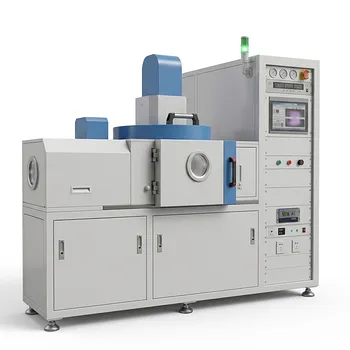
Radio Frequency Plasma Enhanced Chemical Vapor Deposition RF PECVD System for Laboratory and Industrial Thin Film Growth
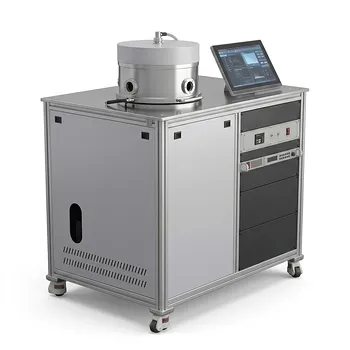
Inclined Rotary Plasma Enhanced Chemical Vapor Deposition PECVD System for Thin Film Deposition and Nanomaterial Synthesis
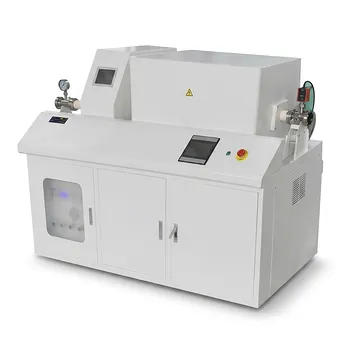
Chemical Vapor Deposition CVD System Slide PECVD Tube Furnace with Liquid Gasifier PECVD Machine
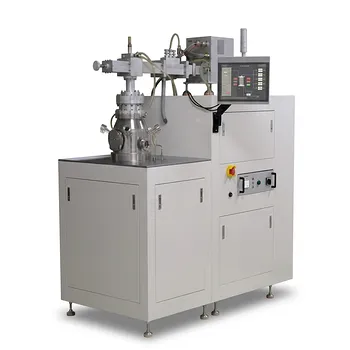
Cylindrical Resonator MPCVD Machine System for Microwave Plasma Chemical Vapor Deposition and Lab Diamond Growth
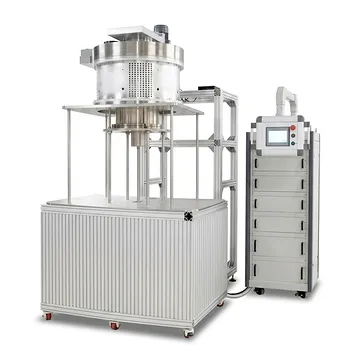
915MHz MPCVD Diamond Machine Microwave Plasma Chemical Vapor Deposition System Reactor
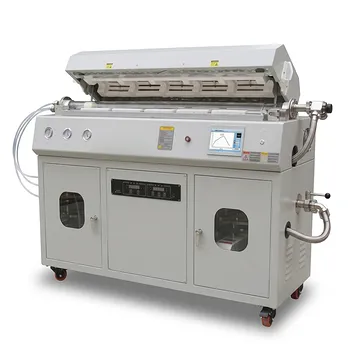
Multi Heating Zones CVD Tube Furnace System for Precision Chemical Vapor Deposition and Advanced Material Synthesis
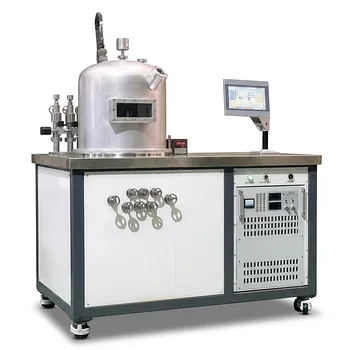
HFCVD Machine System for Nano Diamond Coating on Drawing Dies and Industrial Tools
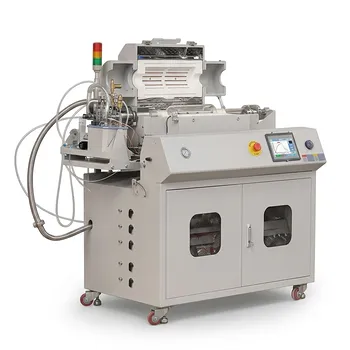
Versatile Chemical Vapor Deposition Tube Furnace System for Advanced Material Research and Industrial Coating Processes
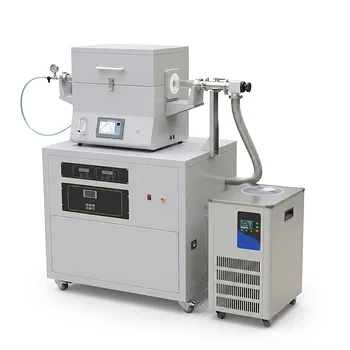
Split Chamber CVD Tube Furnace with Vacuum Station Chemical Vapor Deposition System Machine
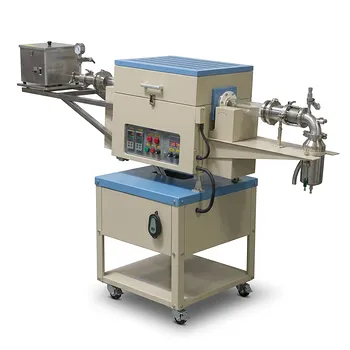
Two Zone Rotary CVD Furnace with Automatic Feeding and Receiving System for Powder Processing
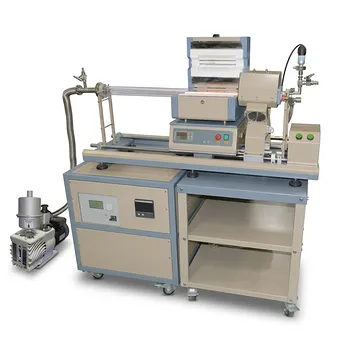
1200C Max Compact Auto-Sliding PECVD Furnace with 2 Inch Tube and Vacuum Pump
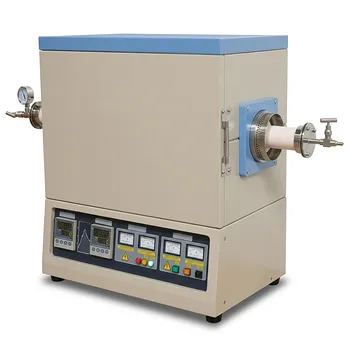
High Temperature 1700C Dual Zone Tube Furnace for Material Science and Industrial Chemical Vapor Deposition Research
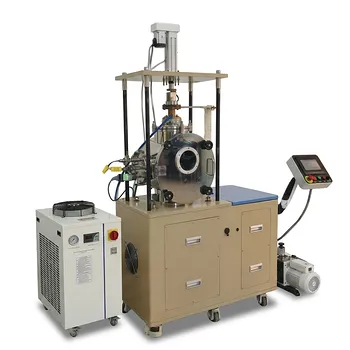
Compact Spark Plasma Sintering SPS Furnace 1200 C Max 100 MPa Pressure High Speed Sintering System for Material Research

High Temperature 1700C Six Zone Split Tube Furnace with Alumina Tube and Water Cooled Flanges
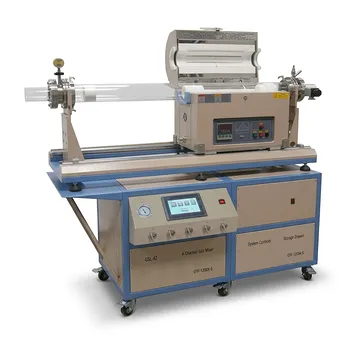
Dual Tube 100mm 80mm CVD Sliding Furnace with 4 Channel Gas Mixing and Vacuum System