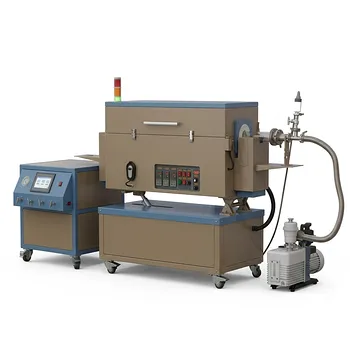
What types of materials can be deposited using PECVD systems? Explore Versatile Thin-Film Coating Solutions
Updated 5 months ago
Plasma-Enhanced Chemical Vapor Deposition (PECVD) is a highly versatile thin-film technology used to deposit a broad spectrum of materials, ranging from essential semiconductor dielectrics to specialized protective coatings. The most common materials include silicon dioxide (SiO2), silicon nitride (SiNx), amorphous silicon (a-Si), silicon oxynitride, and diamond-like carbon (DLC). Additionally, the process is increasingly used for metallic films like copper (Cu), two-dimensional (2D) materials, and advanced nano-flame retardant coatings.
Core Takeaway: PECVD's primary advantage is its ability to deposit high-quality films at significantly lower temperatures than traditional thermal CVD. By using plasma to drive chemical reactions, it enables the coating of temperature-sensitive substrates like polymers and advanced alloys while providing precise control over film thickness and composition.
Silicon-Based Compounds and Semiconductors
Standard Dielectrics: Oxides and Nitrides
PECVD is the industry standard for depositing silicon dioxide (SiO2) and silicon nitride (SiNx) thin films. These materials serve as critical insulation layers, passivation coatings, and dielectric barriers in microelectronic devices.
Amorphous Silicon and Doping
The system is frequently used to deposit amorphous silicon (a-Si), which is essential for thin-film transistors and solar cells. By introducing precursor gases like phosphine, it can create phosphorus-doped amorphous silicon (a-Si:P), providing a foundation for high-performance polycrystalline silicon layers.
Silicon Oxynitride and Optical Layers
Silicon oxynitride is deposited to bridge the gap between oxide and nitride properties. This material allows for the precise tuning of the refractive index, which is vital for creating structural colors and complex optical filters via thin-film interference.
Carbon-Based and Metallic Thin Films
Diamond-Like Carbon (DLC)
PECVD is a primary method for creating Diamond-Like Carbon (DLC) coatings. These films provide extreme hardness and low friction, making them ideal for protective layers on mechanical components and medical devices.
Low-Temperature Copper Deposition
Unlike traditional methods that require high heat, PECVD can deposit dense, low-resistivity copper thin films at temperatures approaching room temperature. This is critical for protecting heat-sensitive components, such as polymer binders in Gas Diffusion Layers (GDL).
Advanced 2D and Functional Materials
The technology facilitates the growth of two-dimensional (2D) materials and high-hardness protective coatings. It is also used to apply nano flame retardant coatings onto unsaturated polyester resins, enhancing safety without damaging the thermal-sensitive plastic base.
Understanding the Trade-offs
Potential for Substrate Damage
While the lower temperature is a benefit, the plasma environment involves ion bombardment. If not carefully controlled, these high-energy ions can cause physical damage to the surface of delicate substrates or introduce defects into the film crystalline structure.
Chemical Purity and Hydrogen Incorporation
Because PECVD relies on precursor gases like silane (SiH4), the resulting films often contain residual hydrogen. While this "hydrogen-induced passivation" can be beneficial for enhancing the voltage of solar cells, it may be undesirable in high-vacuum or high-temperature applications where outgassing is a concern.
Complexity of Parameter Tuning
Achieving high uniformity requires a complex balance of RF power, gas flow ratios, and pressure. Small deviations in these parameters can significantly alter the film's refractive index, density, and internal stress, requiring rigorous process monitoring.
Making the Right Choice for Your Goal
How to Apply This to Your Project
Depending on your specific application, PECVD can be tuned to prioritize different material characteristics:
- If your primary focus is temperature-sensitive substrates (like polymers): Use PECVD to deposit copper or silicon-based films at low temperatures to prevent thermal degradation of the base material.
- If your primary focus is optical performance (like anti-reflection): Adjust gas flow and plasma power to precisely tune the refractive index and thickness of multilayer silicon nitride coatings.
- If your primary focus is surface protection: Utilize PECVD to deposit Diamond-Like Carbon (DLC) for high-hardness and wear-resistant finishes on mechanical parts.
- If your primary focus is semiconductor efficiency: Leverage the hydrogen content in PECVD silicon nitride layers to provide passivation, which improves the open-circuit voltage in solar cell fabrication.
PECVD remains a cornerstone of modern manufacturing by providing a high-precision solution for material deposition where thermal constraints would otherwise make fabrication impossible.
Summary Table:
| Material Category | Specific Examples | Key Applications |
|---|---|---|
| Silicon Compounds | SiO2, SiNx, a-Si | Semiconductors, solar cells, passivation layers |
| Carbon-Based | Diamond-Like Carbon (DLC) | Hard protective coatings, medical devices |
| Metallic & Functional | Copper (Cu), 2D Materials | Low-temp conductivity, nano-flame retardants |
| Optical Layers | Silicon Oxynitride | Tunable refractive index, optical filters |
Elevate Your Thin-Film Research with THERMUNITS
As a leading manufacturer of high-temperature laboratory equipment, THERMUNITS provides professional-grade CVD/PECVD systems tailored for material science and industrial R&D. We offer a comprehensive suite of thermal processing solutions—from Muffle, Vacuum, and Tube Furnaces to Electric Rotary Kilns and Vacuum Induction Melting (VIM)—designed to help researchers achieve precise, high-quality material deposition on even the most sensitive substrates.
Ready to optimize your laboratory's heat treatment capabilities?
Contact our experts today to discover how our specialized equipment can enhance your project's efficiency and innovation.
Mentioned Products
- Inclined Rotary Plasma Enhanced Chemical Vapor Deposition PECVD System for Thin Film Deposition and Nanomaterial Synthesis
- Radio Frequency Plasma Enhanced Chemical Vapor Deposition RF PECVD System for Laboratory and Industrial Thin Film Growth
- Chemical Vapor Deposition CVD System Slide PECVD Tube Furnace with Liquid Gasifier PECVD Machine
- 1200C Max Compact Auto-Sliding PECVD Furnace with 2 Inch Tube and Vacuum Pump
- 1200C Dual Sliding Tube Furnace with Dual Tubes and Flanges for PECVD Processes
People Also Ask
- How does the non-equilibrium nature of plasma facilitate low-temperature deposition in PECVD systems? Pro Tips for R&D
- How is Plasma-Enhanced Chemical Vapor Deposition (PECVD) utilized in the production of photovoltaic solar cells? Study
- How do RF frequency and power settings influence the characteristics of a PECVD process? Master Quality & Efficiency
- What are the advantages of PECVD systems for nano flame retardant films? Protect Heat-Sensitive Polymers with Precision
- What are the benefits of using PECVD for optical and photonic coatings? Achieve High-Precision Thin-Film Deposition

Tech Team · ThermUnits
Last updated on Apr 14, 2026
Related Products
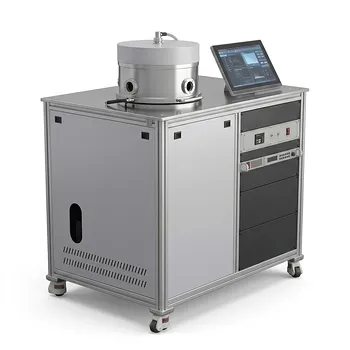
Inclined Rotary Plasma Enhanced Chemical Vapor Deposition PECVD System for Thin Film Deposition and Nanomaterial Synthesis
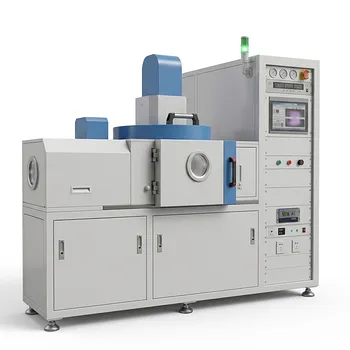
Radio Frequency Plasma Enhanced Chemical Vapor Deposition RF PECVD System for Laboratory and Industrial Thin Film Growth
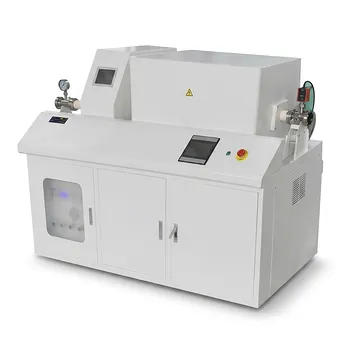
Chemical Vapor Deposition CVD System Slide PECVD Tube Furnace with Liquid Gasifier PECVD Machine
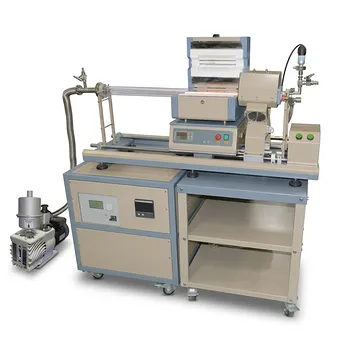
1200C Max Compact Auto-Sliding PECVD Furnace with 2 Inch Tube and Vacuum Pump
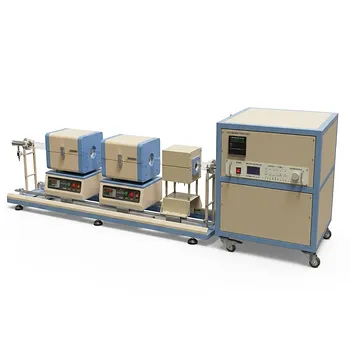
1200C Dual Sliding Tube Furnace with Dual Tubes and Flanges for PECVD Processes
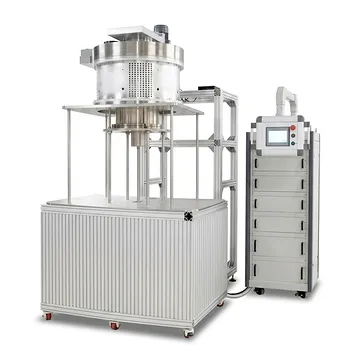
915MHz MPCVD Diamond Machine Microwave Plasma Chemical Vapor Deposition System Reactor
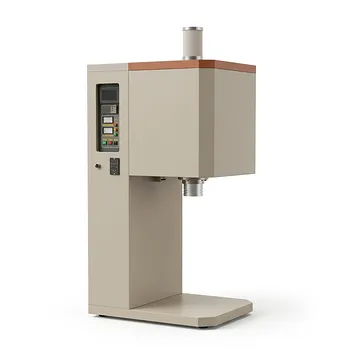
Vertical Openable Tube Furnace 0-1700c High Temperature Laboratory System for CVD and Vacuum Heat Treatment
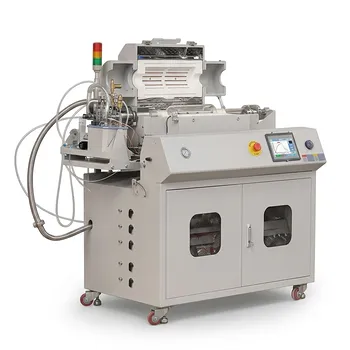
Versatile Chemical Vapor Deposition Tube Furnace System for Advanced Material Research and Industrial Coating Processes
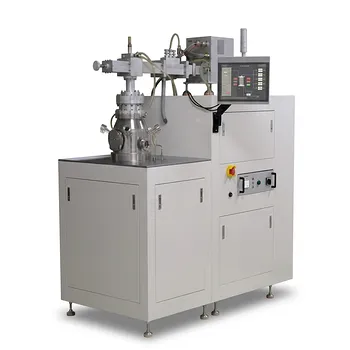
Cylindrical Resonator MPCVD Machine System for Microwave Plasma Chemical Vapor Deposition and Lab Diamond Growth
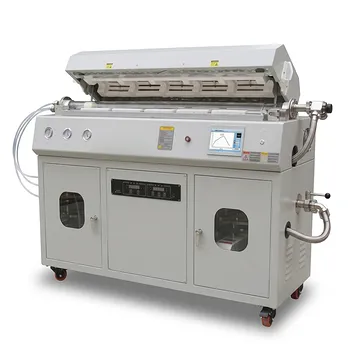
Multi Heating Zones CVD Tube Furnace System for Precision Chemical Vapor Deposition and Advanced Material Synthesis
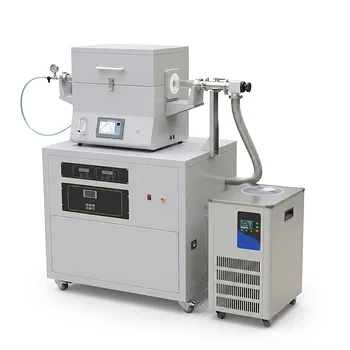
Split Chamber CVD Tube Furnace with Vacuum Station Chemical Vapor Deposition System Machine
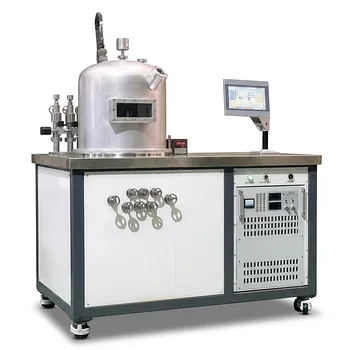
HFCVD Machine System for Nano Diamond Coating on Drawing Dies and Industrial Tools
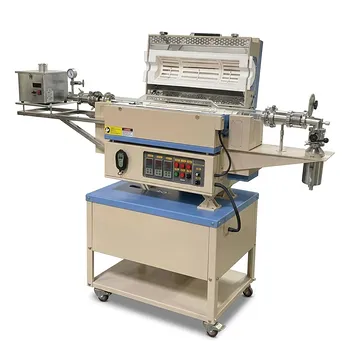
5 Inch Rotary Tube Furnace with Automatic Feeding and Receiving System 1200C Three Zone CVD Powder Processing
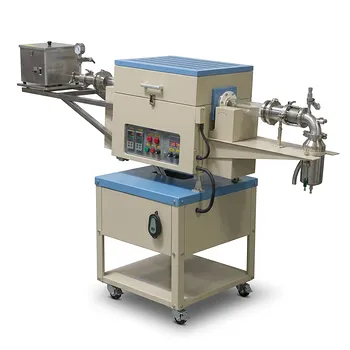
Two Zone Rotary CVD Furnace with Automatic Feeding and Receiving System for Powder Processing

High Temperature 1700C Tube Furnace with High Vacuum Turbomolecular Pump System and Multi Channel Mass Flow Controller Gas Mixer
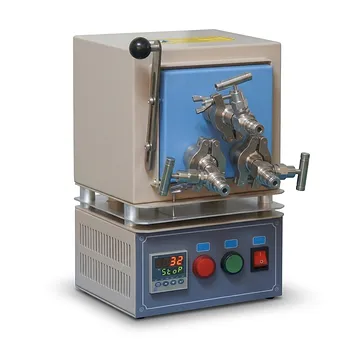
Triple Tube Compact Hybrid Muffle Furnace 1000C High Vacuum Thermal Processing System
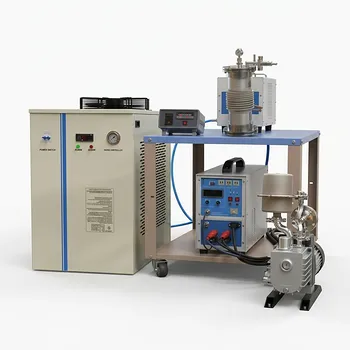
Induction Heating System with Temperature Control for High Temperature Vacuum Sintering and Melting
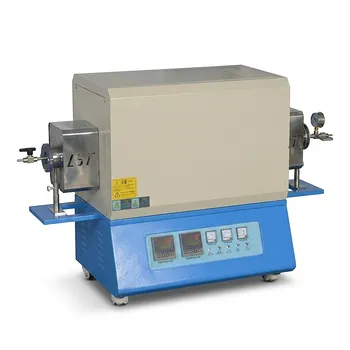
High Temperature Dual Zone Vacuum Tube Furnace for Material Research and CVD Processing
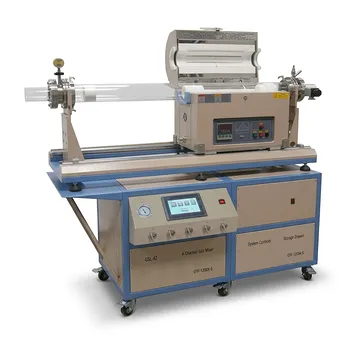
Dual Tube 100mm 80mm CVD Sliding Furnace with 4 Channel Gas Mixing and Vacuum System