How does a program-controlled tube furnace enable precise structural regulation? Optimize your MIL-100(Fe) pyrolysis.
Updated 3 months ago
The program-controlled tube furnace functions as a high-precision thermal reactor that regulates the transformation of MIL-100(Fe) through two primary mechanisms: absolute atmospheric isolation and phased thermal management. By maintaining a strict inert environment and executing precise heating curves, the furnace facilitates the controlled collapse of the Metal-Organic Framework (MOF) into a stable carbon substrate while simultaneously anchoring iron species as highly dispersed nanoscale particles.
Core Takeaway: A program-controlled tube furnace enables precise structural regulation by synchronizing inert atmosphere protection with specific heating rates and dwell times, preventing the agglomeration of iron species and ensuring the formation of a high-surface-area catalytic structure.
The Role of Atmospheric Control in Structural Integrity
Preventing Oxidative Combustion
During the pyrolysis of MIL-100(Fe), the introduction of a constant flow of inert gas (such as nitrogen or argon) is critical to displace oxygen. This oxygen-deficient environment prevents the organic framework from undergoing oxidative combustion, which would otherwise destroy the carbon skeleton and result in bulk iron oxides rather than active catalytic sites.
Protecting Pore Evolution
Precise atmosphere regulation ensures that the evolving pore structure of the carbon substrate remains intact. By maintaining a stable reducing or neutral environment, the furnace allows for the formation of honeycomb microporous structures and an aromatic carbon skeleton, which are essential for the catalyst's ultimate performance and stability.
Thermal Precision and Kinetic Regulation
Managing Framework Collapse
The program-controlled system allows for phased temperature increments, which are vital for the gradual decomposition of organic ligands. For example, maintaining specific temperatures (such as 500°C) for defined dwell times allows the framework to transition into a supporting substrate without the structural instability caused by rapid thermal shock.
Controlling Particle Dispersion
High-precision thermal management is the primary defense against sintering and agglomeration. By strictly controlling the heating rate (e.g., 30°C/min), the furnace ensures that iron species are reduced and anchored as nanoscale particles or single atoms, rather than merging into large, inactive clusters that occur when temperatures are poorly managed.
Influencing Coordination Chemistry
Temperature control determines the specific chemical environments formed during pyrolysis, such as axial coordination structures. In complex systems, even a 100°C difference can mean the difference between the optimal formation of active bridges (like Fe-N or Fe-S) and the total breakage of coordination bonds, making programmable precision essential for achieving specific microscopic active sites.
Understanding the Trade-offs
The Risk of Thermal Lag
While the controller might show a specific temperature, the actual internal temperature of the MIL-100(Fe) sample can lag behind during rapid heating phases. This discrepancy can lead to incomplete carbonization or unexpected phase transitions if the heating rate is set too high for the sample volume.
Atmosphere vs. Gas Flow Dynamics
Simply providing an inert gas is often insufficient; the flow rate must be optimized to remove volatile decomposition products. If the flow rate is too low, secondary reactions between the released gases and the iron species can occur; if it is too high, it may cause heat loss and temperature gradients within the tube, compromising the uniformity of the catalyst batch.
How to Optimize Your Pyrolysis Process
To achieve the best results when synthesizing iron-based catalysts from MIL-100(Fe), your approach should vary based on your structural goals.
- If your primary focus is maximizing active site dispersion: Utilize slower heating rates (2–5°C/min) and moderate dwell temperatures (500–600°C) to prevent the thermodynamic driving force from causing iron particle aggregation.
- If your primary focus is high-degree carbonization and conductivity: Use higher temperatures (above 800°C) with a strictly monitored argon flow to ensure the complete graphitization of the carbon framework while protecting the metal centers from oxidation.
- If your primary focus is pore structure preservation: Prioritize a multi-stage heating profile with a long dwell time at the decomposition temperature of the organic linker to allow for a gradual and orderly structural collapse.
Ultimately, the tube furnace transforms a volatile organic framework into a robust catalyst by serving as a programmable shield that balances chemical reduction with physical structural preservation.
Summary Table:
| Regulatory Mechanism | Key Function | Impact on Catalyst Structure |
|---|---|---|
| Atmospheric Control | Oxygen removal & inert flow | Prevents oxidation; preserves microporous carbon skeleton |
| Phased Heating | Incremental ligands decomposition | Prevents thermal shock; ensures stable framework collapse |
| Kinetic Management | Controlled heating rates (e.g., 2-5°C/min) | Anchors iron as nanoscale particles; prevents sintering |
| Gas Flow Dynamics | Removal of volatile byproducts | Protects coordination chemistry and active site purity |
Precision Heat Treatment for Advanced Material Science
Achieving the perfect catalytic structure requires more than just heat—it requires absolute control. THERMUNITS is a leading manufacturer of high-temperature laboratory equipment, providing researchers with the precision tools needed for complex transformations like MOF pyrolysis.
Our comprehensive range of thermal processing solutions includes:
- Tube & Atmosphere Furnaces: Perfect for precise inert gas regulation and phased heating.
- CVD/PECVD & Vacuum Systems: For advanced thin-film and coordination chemistry control.
- Specialized Equipment: Muffle, Rotary, Hot Press, and Vacuum Induction Melting (VIM) furnaces.
Whether you are focusing on maximizing active site dispersion or preserving intricate pore structures, our equipment ensures uniform heating and reliable atmospheric integrity.
Ready to elevate your R&D results? Contact our engineering experts today to find the ideal furnace configuration for your lab's specific needs.
References
- Hany Elsayed, Ahmed Abd El‐Moneim. Tailoring MIL-100(Fe)-derived catalyst for controlled carbon dioxide conversion and product selectivity. DOI: 10.1039/d4ra01772b
Mentioned Products
- 1100C Tube Furnace with Vacuum Flange and Programmable Temperature Controller for Material Science and Industrial Heat Treatment
- 1250C Compact Split Tube Furnace with 8 Inch Heating Zone and Programmable Controller
- High Temperature Hybrid Muffle and Tube Furnace 1700C Programmable PID Controlled Box System with Vacuum Flange and Alumina Processing Tube
- 1500C Hybrid Muffle Tube Furnace 1.7L Box with 2 Inch Mullite Tube and Programmable PID Controller
- Compact 1000C Muffle Furnace with Programmable Controller and 2 Inch Top Port for Vacuum and Atmosphere Material Research
People Also Ask
- What are the advantages of 1100°C tube furnaces for ORR catalysts? Boost Conductivity and Structural Stability.
- What role does a tube furnace play in PS template removal? Ensure ZnO/SiO2 Structural Integrity & High Performance.
- What core functions does a high-temperature vacuum tube furnace provide? Optimize np-CuSn Sintering & Joint Integrity
- What is the role of a high-temperature tube furnace in the calcination process of ZnO/In2O3 nanocomposites?
- What impact does the heating rate of a tube furnace have on biochar microstructure? Optimize Your Material R&D.

Tech Team · ThermUnits
Last updated on Jun 03, 2026
Related Products
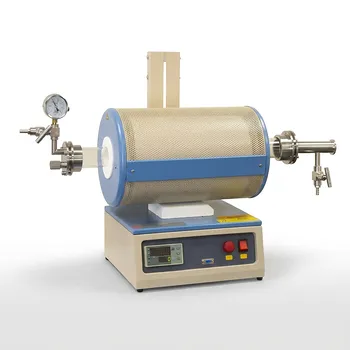
1100C Tube Furnace with Vacuum Flange and Programmable Temperature Controller for Material Science and Industrial Heat Treatment
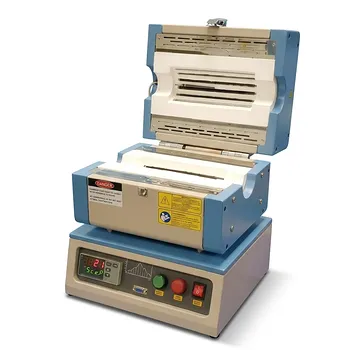
1250C Compact Split Tube Furnace with 8 Inch Heating Zone and Programmable Controller
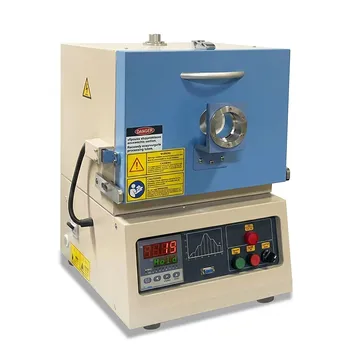
High Temperature Hybrid Muffle and Tube Furnace 1700C Programmable PID Controlled Box System with Vacuum Flange and Alumina Processing Tube
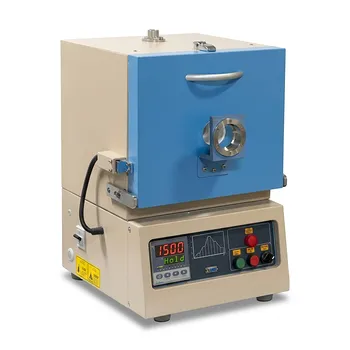
1500C Hybrid Muffle Tube Furnace 1.7L Box with 2 Inch Mullite Tube and Programmable PID Controller
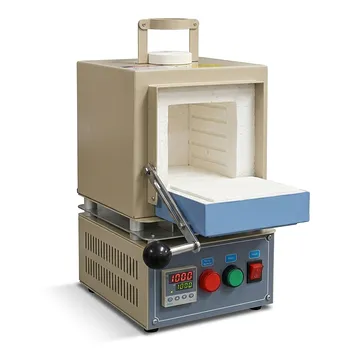
Compact 1000C Muffle Furnace with Programmable Controller and 2 Inch Top Port for Vacuum and Atmosphere Material Research
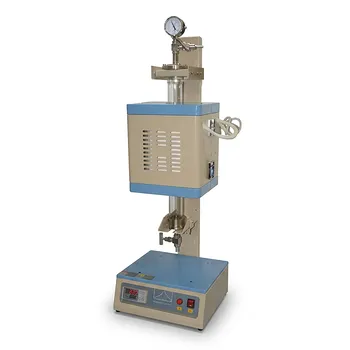
Compact Vertical Split Quartz Tube Furnace with Stainless Steel Vacuum Flanges for Rapid Thermal Quenching and Controlled Atmosphere Material Processing
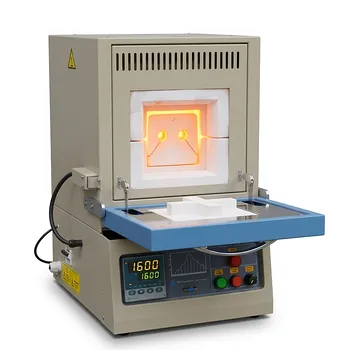
High Temperature Compact Muffle Furnace 1700 C with 30 Segment Programmable Controller and 1.7L Cubic Chamber
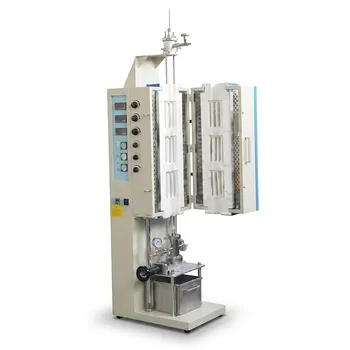
High Temperature Dual Zone Tube Furnace for Material Science Research and Professional Thermal Processing
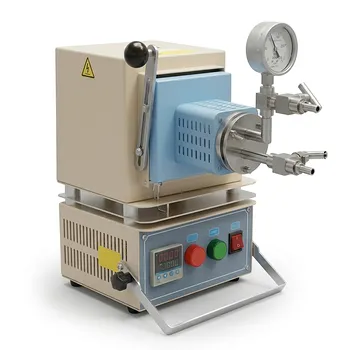
Compact Hybrid Muffle and Tube Furnace for 1000C Controlled Atmosphere Laboratory Material Sintering
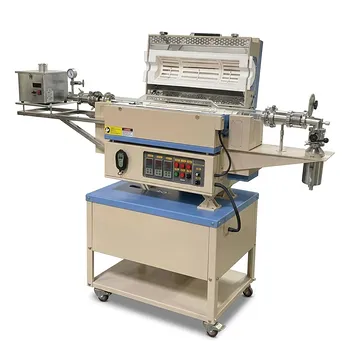
5 Inch Rotary Tube Furnace with Automatic Feeding and Receiving System 1200C Three Zone CVD Powder Processing

High Temperature 1700C Tube Furnace with High Vacuum Turbomolecular Pump System and Multi Channel Mass Flow Controller Gas Mixer
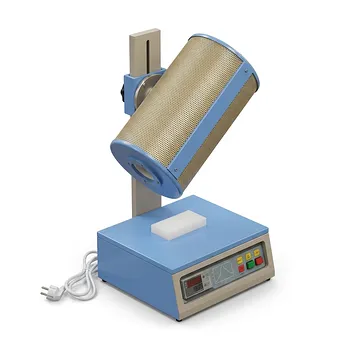
1100°C Vertical Laboratory Furnace for DIY Tubular Reactors with PID Temperature Controller
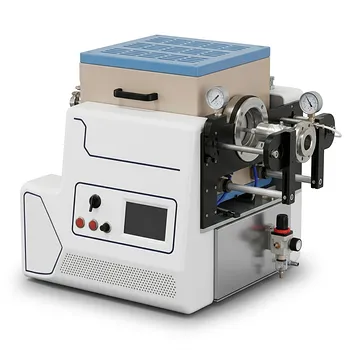
High Temperature Automated 5 Inch Tube Furnace for Autonomous Material Research and Advanced Laboratory R&D
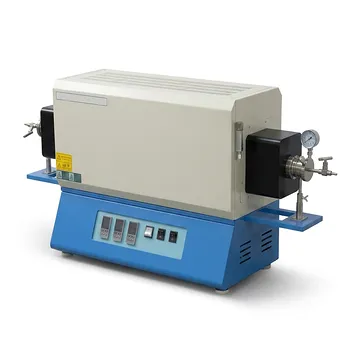
High Temperature Three Temperature Zone Tube Furnace for Advanced Material Science Sintering and Chemical Vapor Deposition Applications
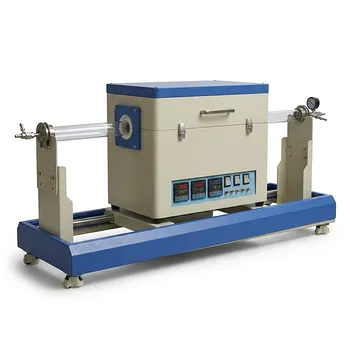
Double Temperature Zone Double Cover Tube Furnace for High Temperature CVD and Vacuum Annealing
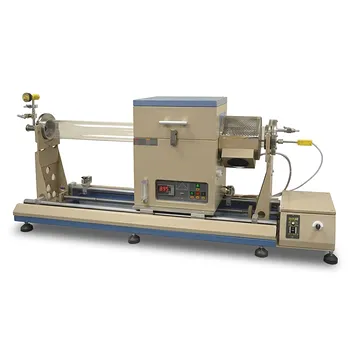
900 ºC Max Sliding RTP Tube Furnace with Rapid IR Heating and 4 Inch OD Quartz Tube
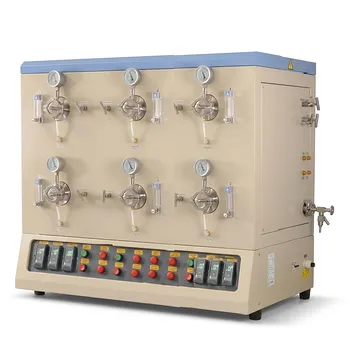
1200C High Throughput Multi Channel Tube Furnace with 50mm Quartz Tubes for Annealing and Material Phase Diagram Research
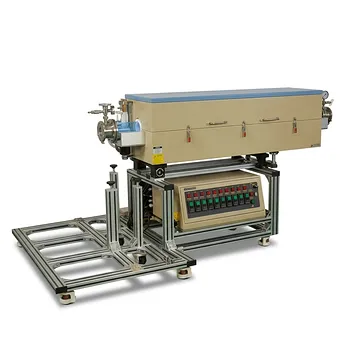
Ten Zone Multi Orientation Laboratory Tube Furnace for 1200C High Temperature Gradient Thermal Processing
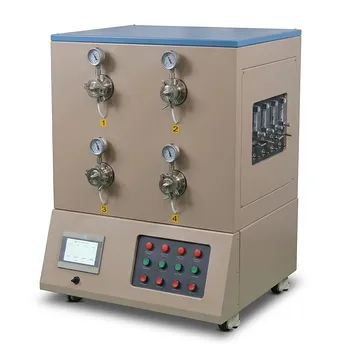
High Throughput 1200C Four Channel Tube Furnace with 3 Inch Quartz Tubes for Multi Zone Annealing and Material Research
