How does Atmosphere Control Optimize Vanadium Oxide Reduction? Master the Heat & Gas Sync for Superior Results
Updated 3 months ago
Precise atmospheric synchronization is the cornerstone of efficient vanadium oxide reduction. By integrating gas path switching logic with a programmable temperature controller, the system ensures that the chemical reduction begins only when the ideal thermal environment is established. This coordination eliminates oxygen interference through an argon purge and defines a specific "reaction start point" by introducing hydrogen at a targeted temperature, ultimately preventing material defects like grain sintering.
The core efficiency of vanadium oxide reduction relies on the seamless transition between an inert environment and a reducing atmosphere at a precise thermal threshold. This prevents uncontrolled side reactions and ensures the final product maintains its desired granular structure.
The Logic of Atmospheric Synchronization
Phase 1: Oxygen Elimination via Argon Purging
The process begins with the atmosphere control system introducing high-purity argon into the furnace chamber. This step is critical because any residual oxygen can cause unwanted oxidation or interfere with the thermodynamics of the reduction process.
By thoroughly purging the chamber before heating reaches critical levels, the system creates a clean, predictable baseline for the subsequent chemical transition.
Phase 2: Rapid Gas Switching at Target Temperature
The "coordination" occurs when the programmable controller reaches a specific, pre-defined temperature. At this exact moment, the system triggers a rapid switch to high-purity hydrogen.
This immediate transition is vital because it accurately defines the starting point of the reduction reaction. Without this precise timing, the reduction could begin prematurely or unevenly, leading to inconsistent material quality.
Impact on Material Quality and Path Control
Defining the Reduction Path
Vanadium oxides can follow several chemical paths during reduction depending on the temperature and gas concentration. The system uses a constant heating rate provided by the programmable controller to move the material through these phases predictably.
By maintaining a steady thermal climb while the hydrogen is present, the system ensures the material follows the most efficient chemical route to the desired end-state.
Inhibiting Excessive Grain Sintering
One of the primary challenges in powder metallurgy is avoiding grain sintering, where particles fuse together and reduce the material's surface area. The coordination between the atmosphere switch and the heating rate allows for lower-temperature reduction where possible.
By precisely controlling when the reductant is introduced, the system limits the time the material spends at high temperatures, effectively inhibiting excessive grain growth.
Understanding the Trade-offs and Pitfalls
The Risk of Switching Delays
If the switch from argon to hydrogen is delayed even slightly after the target temperature is reached, the material may experience thermal stress without the necessary chemical environment. This can lead to inefficient energy use and potentially stall the reduction kinetics.
Purge Efficiency vs. Gas Consumption
Achieving a perfectly oxygen-free environment requires a high volume of high-purity argon. Operators must balance the thoroughness of the purge with the cost of the gas, as insufficient purging can lead to oxide impurities in the final vanadium product.
How to Apply This to Your Project
Making the Right Choice for Your Goal
To maximize the effectiveness of your vanadium oxide reduction process, consider your primary objective when configuring the control system.
- If your primary focus is Maximum Purity: Prioritize an extended high-purity argon purge cycle to ensure every trace of oxygen is removed before the hydrogen switch.
- If your primary focus is Grain Size Control: Focus on the "immediate" nature of the gas switch to ensure the reduction happens at the lowest possible temperature threshold.
- If your primary focus is Process Repeatability: Utilize the programmable controller to lock in a strict constant heating rate, ensuring every batch follows the exact same reduction path.
By masterfully timing the transition from inert purging to active reduction, you transform a volatile chemical reaction into a precise, repeatable industrial process.
Summary Table:
| Process Phase | Action | Strategic Objective |
|---|---|---|
| Phase 1: Purging | High-purity Argon flow | Eliminates oxygen to prevent unwanted oxidation |
| Phase 2: Switching | Rapid Hydrogen introduction | Defines the precise chemical reaction start point |
| Thermal Control | Constant heating rate | Inhibits grain sintering and maintains surface area |
| Path Control | Programmed synchronization | Ensures repeatable, high-efficiency reduction paths |
Elevate Your Material Research with THERMUNITS
Achieving precise atmospheric synchronization is critical for high-purity vanadium oxide reduction and advanced material synthesis. THERMUNITS is a leading manufacturer of high-temperature laboratory equipment designed specifically for material science and industrial R&D.
Our comprehensive range of thermal processing solutions—including Atmosphere, Vacuum, Tube, Rotary, and Muffle furnaces, as well as CVD/PECVD systems and Vacuum Induction Melting (VIM) furnaces—offers the programmable precision needed to coordinate complex gas path logic with exact thermal profiles.
Why partner with us?
- Advanced Control: Master the transition between inert and reducing environments.
- Versatile Solutions: From dental and hot press furnaces to electric rotary kilns and thermal elements.
- Expert Support: We help you inhibit grain sintering and ensure process repeatability.
Ready to optimize your heat treatment efficiency? Contact us today to find the perfect furnace for your lab!
References
- M. A. Levchenko, Olena Volkova. Direct Reduction of Solid V<sub>2</sub>O<sub>5</sub> with Hydrogen at 600–1400 °C. DOI: 10.1002/srin.202300705
Mentioned Products
- Rapid Thermal Processing Furnace 1100C Atmosphere Controlled Bottom Loading RTP System for Wafer Annealing and Catalysis Research
- High Temperature Oxygen and Inert Atmosphere Controlled Furnace 8 Liter 1700C Sintering System for Advanced Materials RD
- Compact Atmosphere Controlled Rapid Thermal Processing RTP Furnace with 4 Inch ID Quartz Tube 1100C
- High Temperature Hydrogen Atmosphere Box Furnace 1650C Max Reducing Environment Material Synthesis System 8x8x8 Chamber
- Automatic Flammable Gas Control and Disposal Device for Hydrogen Atmosphere Furnaces
People Also Ask
- What role does a SiC-coated graphite susceptor play in H2Se selenization? Boost RTP Thermal Uniformity & Film Purity.
- What are the functional advantages of an RTP system for surface deposition? Enhance Heterojunction Interface Integrity
- Why is an atmosphere-controlled annealing furnace required for the post-treatment of synthesized KTiOPO4 thin films? KTP
- What are the advantages of RTPR for Pd1/PU catalyst synthesis? Achieve superior single-atom dispersion and stability.
- Why is 1100°C in situ annealing required after LZO and DTO deposition? Achieve High-Quality Thin Film Synthesis

Tech Team · ThermUnits
Last updated on Jun 02, 2026
Related Products
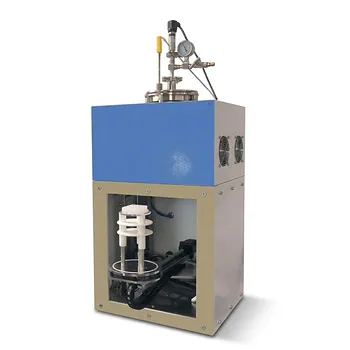
Rapid Thermal Processing Furnace 1100C Atmosphere Controlled Bottom Loading RTP System for Wafer Annealing and Catalysis Research
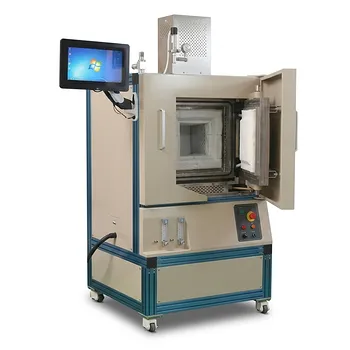
High Temperature Oxygen and Inert Atmosphere Controlled Furnace 8 Liter 1700C Sintering System for Advanced Materials RD
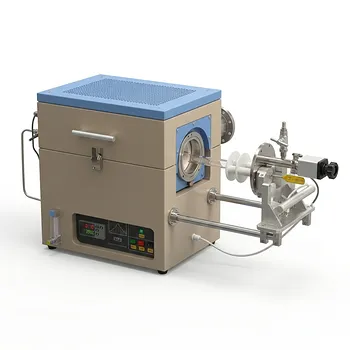
Compact Atmosphere Controlled Rapid Thermal Processing RTP Furnace with 4 Inch ID Quartz Tube 1100C
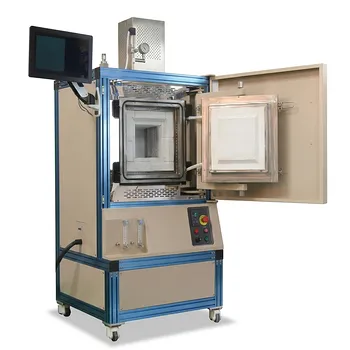
High Temperature Hydrogen Atmosphere Box Furnace 1650C Max Reducing Environment Material Synthesis System 8x8x8 Chamber
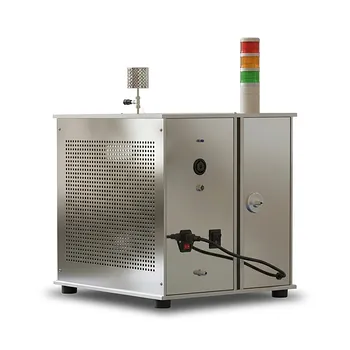
Automatic Flammable Gas Control and Disposal Device for Hydrogen Atmosphere Furnaces
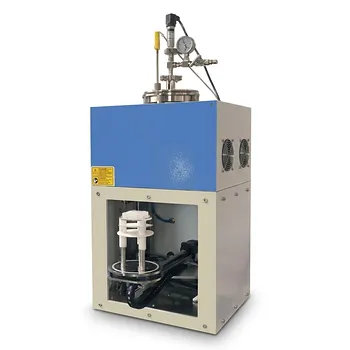
Rapid Thermal Processing Atmosphere Controlled Bottom Loading Furnace 1100C with 50C Per Second Heating Rate for Wafer Annealing
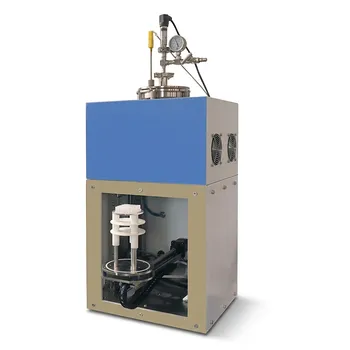
Rapid Thermal Processing RTP Atmosphere Controlled Bottom Loading Furnace 1100C High Throughput 50C per Second Heating Rate
High Temperature Vertical Atmosphere Controlled Furnace 1700C Automatic Bottom Loading 13 Liter Vacuum Thermal System
Inclined Rotary Plasma Enhanced Chemical Vapor Deposition PECVD System for Thin Film Deposition and Nanomaterial Synthesis