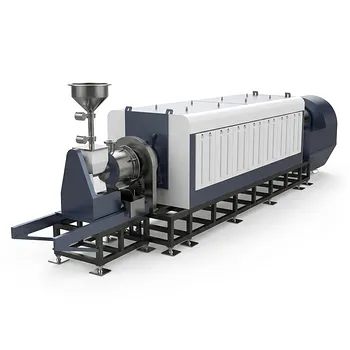
What are the advantages of RTPR for Pd1/PU catalyst synthesis? Achieve superior single-atom dispersion and stability.
Updated 3 months ago
The use of a Rapid Thermal Processing Reactor (RTPR) is the decisive factor in successfully synthesizing Pd1/PU catalysts. By utilizing ultra-fast heating cycles, the RTPR enables the anchoring of single palladium atoms onto polyurethane (PU) supports before the polymer can melt or carbonize. This method bypasses the structural collapse and metal agglomeration that typically plague traditional, slow-heating furnace processes.
Core Takeaway: RTPR overcomes the thermal instability of polyurethane supports by using "instantaneous annealing" to fix metal atoms in place, preventing the support from melting while simultaneously inhibiting the migration of palladium into inactive clusters.
Preserving the Integrity of Heat-Sensitive Supports
Preventing Polymer Carbonization
Polyurethane is a low-melting-point polymer that is highly sensitive to prolonged thermal exposure. In traditional furnaces, the long ramp-up and soak times often lead to the melting or carbonization of the PU structure.
Avoiding Structural Collapse
When the support material degrades thermally, the overall architecture of the catalyst collapses. An RTPR reaches target temperatures in as little as three minutes, completing the thermal activation before the PU support has time to deactivate or lose its shape.
Maintaining Surface Area
By minimizing the duration of heat exposure, the RTPR ensures that the physical properties of the PU—such as its porosity and surface functional groups—remain intact. This is critical for ensuring the support can effectively host the active metal sites.
Achieving High-Dispersion Single-Atom Catalysts
Inhibiting Thermal Migration
A primary challenge in single-atom catalysis (SAC) is the tendency of metal atoms to move and cluster together at high temperatures. The RTPR’s precise short-term control (e.g., 1 minute) provides the energy needed for anchoring without allowing time for thermal migration.
Suppressing Metal Agglomeration
Traditional furnaces provide an extended window for atoms to find one another and form nanoparticles. The RTPR’s instantaneous annealing process "freezes" the palladium atoms in their highly dispersed Pd1 state, preventing the formation of inactive bulk metal.
Ensuring High Crystallinity
Despite the speed, the high energy input of rapid processing ensures high crystallinity and structural integrity. This allows the catalyst to achieve stable chemical bonds between the Pd atoms and the PU framework in a fraction of the time required by conventional methods.
Understanding the Trade-offs
Process Sensitivity and Precision
The primary risk with RTPR is the narrow window of success; because the reaction happens in seconds or minutes, slight deviations in timing can lead to incomplete activation or localized overheating. Unlike tube furnaces, which offer a stable, long-term equilibrium, RTPR relies on kinetic control.
Atmosphere vs. Speed
While traditional tube furnaces are excellent for maintaining stable reducing environments (like H2/Ar mixtures) over several hours to tune metal valence states, they cannot match the RTPR's ability to protect delicate substrates. You must often choose between the fine-tuned valence distribution of a slow process and the structural preservation of a fast one.
How to Apply This to Your Catalyst Synthesis
Choosing the Right Thermal Path
Selecting between an RTPR and a traditional furnace depends entirely on the thermal threshold of your support material and the desired dispersion of your metal.
- If your primary focus is working with low-melting polymers (like PU): Use an RTPR to anchor atoms within a 1-to-3-minute window to prevent support melting.
- If your primary focus is achieving true single-atom dispersion (Pd1): Prioritize the RTPR's rapid cooling and heating to "trap" atoms before they can agglomerate into nanoparticles.
- If your primary focus is precise valence state tuning on heat-stable supports: A traditional programmed temperature control tube furnace may be more effective for maintaining a stable reducing atmosphere.
By mastering the kinetic advantages of rapid thermal processing, you can create high-performance catalysts on supports previously considered too fragile for high-temperature synthesis.
Summary Table:
| Feature | Rapid Thermal Processing Reactor (RTPR) | Traditional High-Temp Furnace |
|---|---|---|
| Heating Cycle | Ultra-fast (e.g., target in 3 mins) | Slow ramp-up/soak (Hours) |
| Support Impact | Preserves PU structure (no melting) | Causes carbonization/collapse |
| Metal State | High-dispersion Single-Atom (Pd1) | Agglomerated nanoparticles |
| Control Logic | Kinetic control (instantaneous) | Equilibrium/Thermodynamic control |
| Best Use Case | Heat-sensitive polymer supports | Heat-stable supports/valence tuning |
Optimize Your Catalyst Research with THERMUNITS
Achieve precision in material synthesis with THERMUNITS, a leading manufacturer of high-temperature laboratory equipment for material science and industrial R&D. Whether you are developing sensitive single-atom catalysts or performing complex heat treatments, our comprehensive range of solutions—including Tube, Muffle, Vacuum, Atmosphere, Rotary, and Hot Press furnaces, as well as CVD/PECVD systems, VIM, and Dental furnaces—ensures your materials maintain their structural integrity.
Don't let thermal instability compromise your results. Contact our technical team today to find the perfect thermal processing solution for your laboratory's unique requirements!
References
- Ziyue Wang, Hongbing Ji. Waste Plastic-Supported Pd Single-Atom Catalyst for Hydrogenation. DOI: 10.3390/ma17133058
Mentioned Products
- Rapid Thermal Processing RTP Atmosphere Controlled Bottom Loading Furnace 1100C High Throughput 50C per Second Heating Rate
- Rapid Thermal Processing Furnace 1100C Atmosphere Controlled Bottom Loading RTP System for Wafer Annealing and Catalysis Research
- Compact Atmosphere Controlled Rapid Thermal Processing RTP Furnace with 4 Inch ID Quartz Tube 1100C
- High Temperature 800C Rapid Thermal Processing Furnace with Rotating Sample Holder for Close Spaced Sublimation and Thin Film Solar Cell Research
- 950C Rapid Thermal Processing Furnace for 12 Inch Wafer CSS Coating with Rotating Substrate Holder
People Also Ask
- What role does a SiC-coated graphite susceptor play in H2Se selenization? Boost RTP Thermal Uniformity & Film Purity.
- What are the functional advantages of an RTP system for surface deposition? Enhance Heterojunction Interface Integrity
- What are the advantages of using a Bottom-Loading High-Temperature Furnace in Barium Titanate Fast Firing? Superior Microstructure
- Why is a tube furnace required for FGM-PhG structural color ceramics? Key to Carbon Preservation & Vibrant Color
- In what ways does an atmosphere control system affect nanoporous gold structure? Control Oxygen for Precision Design.

Tech Team · ThermUnits
Last updated on Jun 03, 2026
Related Products
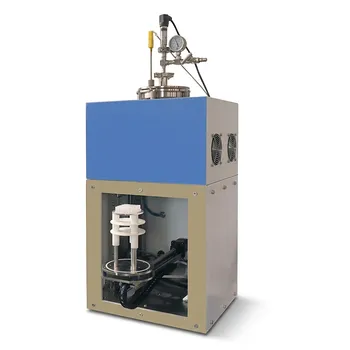
Rapid Thermal Processing RTP Atmosphere Controlled Bottom Loading Furnace 1100C High Throughput 50C per Second Heating Rate
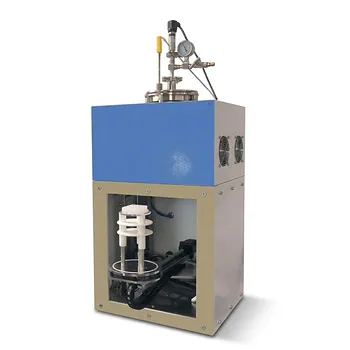
Rapid Thermal Processing Furnace 1100C Atmosphere Controlled Bottom Loading RTP System for Wafer Annealing and Catalysis Research
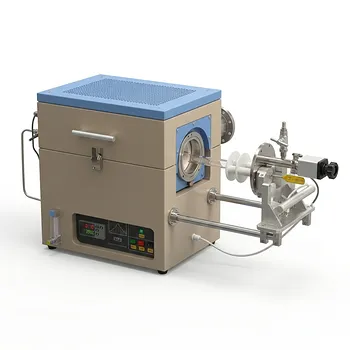
Compact Atmosphere Controlled Rapid Thermal Processing RTP Furnace with 4 Inch ID Quartz Tube 1100C
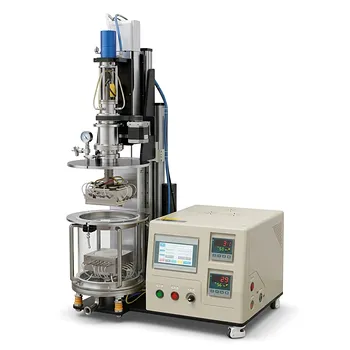
High Temperature 800C Rapid Thermal Processing Furnace with Rotating Sample Holder for Close Spaced Sublimation and Thin Film Solar Cell Research
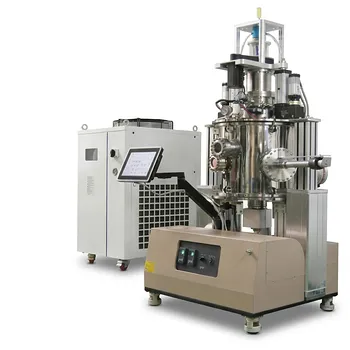
950C Rapid Thermal Processing Furnace for 12 Inch Wafer CSS Coating with Rotating Substrate Holder
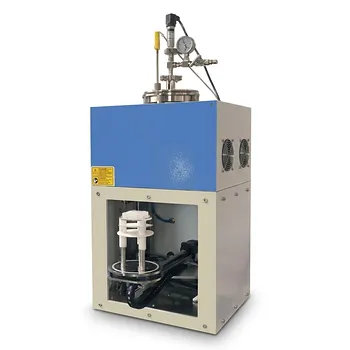
Rapid Thermal Processing Atmosphere Controlled Bottom Loading Furnace 1100C with 50C Per Second Heating Rate for Wafer Annealing
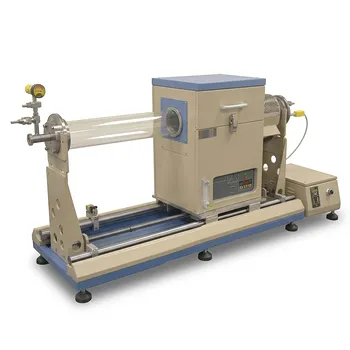
Rapid Thermal Processing Sliding Tube Furnace with 4 Inch OD Quartz Tube and 900C IR Heating
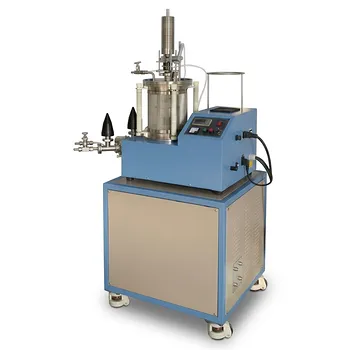
Ultrafast Thermal Pressing Furnace 2900C Max Temperature 200K per Second Heating Rate Vacuum Atmosphere Rapid Processing System
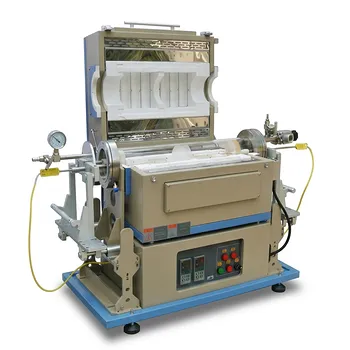
Two Zone IR Heating Rapid Thermal Processing RTP Tube Furnace with 4 Inch ID Quartz Tube and Sliding Sample Holders
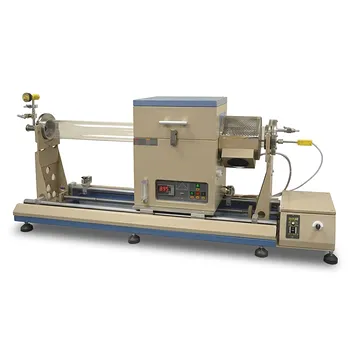
900 ºC Max Sliding RTP Tube Furnace with Rapid IR Heating and 4 Inch OD Quartz Tube
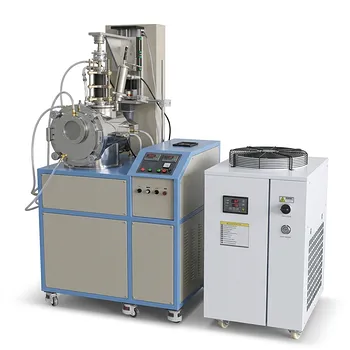
High Temperature Ultrafast Heating Pressing Furnace 2900C Max 100kgf Rapid Thermal Processing System
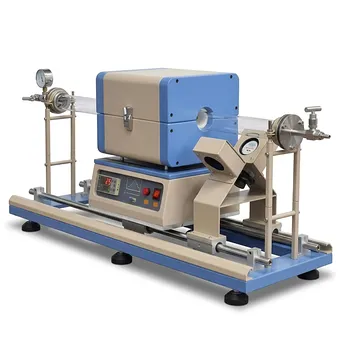
Automated Sliding Tube Furnace for Fast Heating and Cooling 2 Inch OD 1100C Max
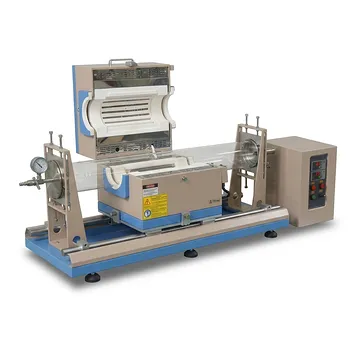
1200C High Temperature 5 Inch Sliding Tube Furnace for Rapid Thermal Processing RTP and Wafer Annealing
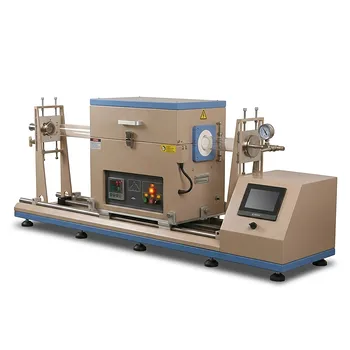
1200C Sliding Tube Furnace for Rapid Thermal Processing and CVD Graphene Growth with 100mm OD Capacity
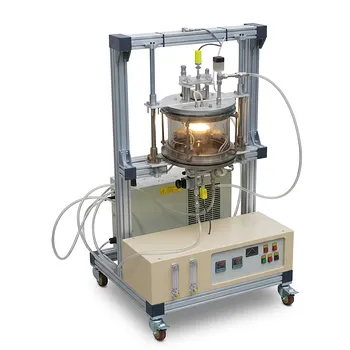
Two Zones CSS Furnace for Rapid Thermal Processing Thin Film Coating 3 Inch Diameter 650C
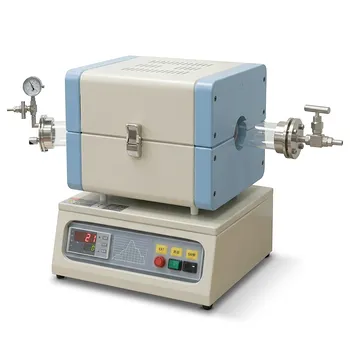
1200C Tube Furnace with Internal Magnetic Sample Sliding for Direct Vaporizing Deposition and Rapid Thermal Processing

Compact Vertical Split Quartz Tube Furnace with Stainless Steel Vacuum Flanges for Rapid Thermal Quenching and Controlled Atmosphere Material Processing
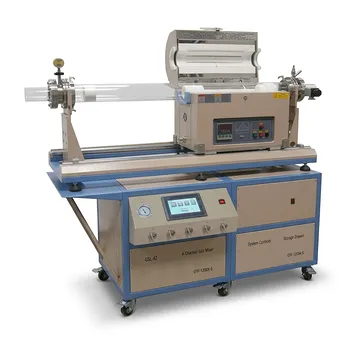
Dual Tube 100mm 80mm CVD Sliding Furnace with 4 Channel Gas Mixing and Vacuum System

High Temperature Tube Furnace 1500C with Sliding Flanges and 50mm OD for Rapid Thermal Processing Fast Heating and Cooling