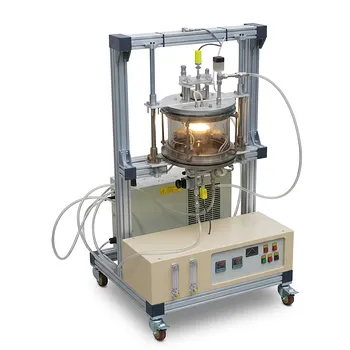
What are the functional advantages of an RTP system for surface deposition? Enhance Heterojunction Interface Integrity
Updated 3 months ago
Rapid Thermal Processing (RTP) provides superior functional control over surface deposition by utilizing millisecond-level heating response rates. This speed allows for the precise deposition of layers, such as graphene and niobium, while effectively eliminating the uncontrolled elemental diffusion that typically occurs in slow-heating standard ovens. By isolating thermal energy to the required reaction window, RTP systems protect the delicate structural integrity of underlying material layers.
Core Takeaway: RTP systems enable the creation of high-quality heterojunctions by substituting the "thermal soak" of standard ovens with instantaneous, high-precision heating that prevents interface degradation and chemical over-reaction.
The Physics of Rapid Thermal Control
Achieving Millisecond Response Rates
Unlike standard ovens that rely on slow, convective, or conductive heating, RTP systems utilize high-intensity energy sources to reach target temperatures almost instantaneously. This allows for millisecond-level thermal control, ensuring that materials are only exposed to high heat for the exact duration required for deposition.
Precision Cooling and Reaction Quenching
The ability to achieve rapid cooling—often at rates such as 10°C/s—is just as critical as the heating phase. Fast cooling effectively "quenches" the reaction, preventing the material from remaining at elevated temperatures where unwanted secondary reactions might occur.
Maintaining Interface Integrity in Heterojunctions
Mitigating Uncontrolled Elemental Diffusion
In heterojunction materials, the interface between layers is where the most critical electronic properties reside. RTP minimizes the time at high temperatures, which significantly reduces uncontrolled elemental diffusion that can otherwise blur the boundaries between layers and degrade device performance.
Enabling Complex 2D Material Stacking
For advanced applications involving two-dimensional (2D) material stacking, such as graphene, RTP is an essential tool. It provides the thermal energy necessary for bonding and deposition without providing enough time for the heat to damage or warp the structural integrity of the pre-existing underlying layers.
Chemical Selectivity and Phase Control
Preventing Over-Reduction and Deterioration
Precise timing is vital when dealing with materials sensitive to oxidation states, such as vanadium dioxide. RTP allows for the specific reduction of vanadium pentoxide (V2O5) into high-quality vanadium dioxide (VO2) without over-reducing the film into metallic vanadium or lower-valence oxides.
Optimizing Surface-Level Reactions
Because the heating is so rapid, the thermal energy is often concentrated at the surface where the deposition occurs. This "surface-focused" thermal profile ensures that the intended chemical transformation happens efficiently while the bulk of the substrate remains relatively less stressed.
Understanding the Trade-offs of RTP Systems
Complexity and Initial Investment
RTP systems are significantly more complex and expensive to implement than standard ovens. They require sophisticated sensor arrays and feedback loops to manage the rapid ramp rates safely and accurately.
Thermal Uniformity Challenges
Achieving a completely uniform temperature across a large wafer is more difficult with rapid heating than with a slow, steady soak. If not properly calibrated, the rapid temperature shifts can induce thermal stress or localized defects in larger-scale substrates.
Making the Right Choice for Your Goal
- If your primary focus is delicate 2D material stacking: Use an RTP system to protect the structural integrity of your interfaces through millisecond-level control.
- If your primary focus is precise chemical phase control: Leverage RTP's high cooling rates to quench reactions at the exact moment the desired phase is achieved.
- If your primary focus is high-volume, bulk annealing of robust materials: A standard oven may be more cost-effective as the rapid heating advantages of RTP might be unnecessary for non-sensitive layers.
By mastering the timing of thermal energy, the RTP system transforms heat from a blunt instrument into a precision tool for advanced material synthesis.
Summary Table:
| Feature | Rapid Thermal Processing (RTP) | Standard Laboratory Oven |
|---|---|---|
| Heating Rate | Millisecond-level response | Slow convective/conductive heating |
| Cooling Rate | Rapid quenching (up to 10°C/s) | Natural or slow controlled cooling |
| Interface Control | Minimizes elemental diffusion | High risk of interface degradation |
| Material Integrity | Protects underlying layer structures | Potential for thermal soak damage |
| Phase Control | High precision (e.g., VO2 phase) | Risk of over-reduction or oxidation |
| Best Use Case | 2D stacking, heterojunctions | Bulk annealing, non-sensitive materials |
Optimize Your Research with Precision Thermal Solutions
Are you looking to eliminate elemental diffusion and achieve superior material interfaces? THERMUNITS is a premier manufacturer of advanced high-temperature laboratory equipment specifically designed for material science and industrial R&D.
Whether you require high-precision CVD/PECVD systems for surface deposition, Muffle, Vacuum, or Tube furnaces for heat treatment, or specialized Rapid Thermal Processing capabilities, our equipment ensures the accuracy and structural integrity your experiments demand. From Dental Furnaces to Vacuum Induction Melting (VIM) units, we provide the thermal tools necessary to push the boundaries of material innovation.
Ready to upgrade your lab's performance? Contact our expert engineers at THERMUNITS today to find the perfect thermal processing solution for your unique application.
References
- X-MoS2/GO/Graphene Heterostructures and Doping Effects: KPFM Based Study of Surface Potential. DOI: 10.33263/briac145.118
Mentioned Products
- Rapid Thermal Processing RTP Atmosphere Controlled Bottom Loading Furnace 1100C High Throughput 50C per Second Heating Rate
- Rapid Thermal Processing Furnace 1100C Atmosphere Controlled Bottom Loading RTP System for Wafer Annealing and Catalysis Research
- Rapid Thermal Processing Atmosphere Controlled Bottom Loading Furnace 1100C with 50C Per Second Heating Rate for Wafer Annealing
- Compact Atmosphere Controlled Rapid Thermal Processing RTP Furnace with 4 Inch ID Quartz Tube 1100C
- Rapid Thermal Processing Sliding Tube Furnace with 4 Inch OD Quartz Tube and 900C IR Heating
People Also Ask
- What role does a SiC-coated graphite susceptor play in H2Se selenization? Boost RTP Thermal Uniformity & Film Purity.
- What are the advantages of using a Bottom-Loading High-Temperature Furnace in Barium Titanate Fast Firing? Superior Microstructure
- Why is a tube furnace required for FGM-PhG structural color ceramics? Key to Carbon Preservation & Vibrant Color
- In what ways does an atmosphere control system affect nanoporous gold structure? Control Oxygen for Precision Design.
- Why must carbothermic reduction of spent Li-battery powders be in an atmosphere furnace? Ensure High-Yield Recovery

Tech Team · ThermUnits
Last updated on Jun 02, 2026
Related Products
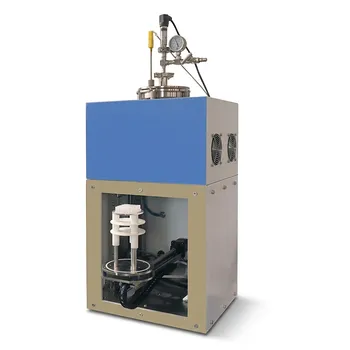
Rapid Thermal Processing RTP Atmosphere Controlled Bottom Loading Furnace 1100C High Throughput 50C per Second Heating Rate
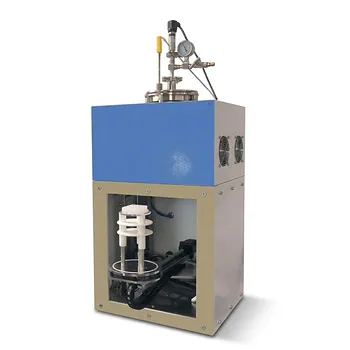
Rapid Thermal Processing Furnace 1100C Atmosphere Controlled Bottom Loading RTP System for Wafer Annealing and Catalysis Research
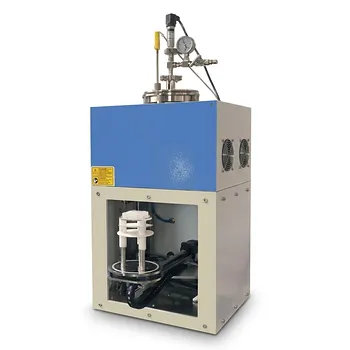
Rapid Thermal Processing Atmosphere Controlled Bottom Loading Furnace 1100C with 50C Per Second Heating Rate for Wafer Annealing
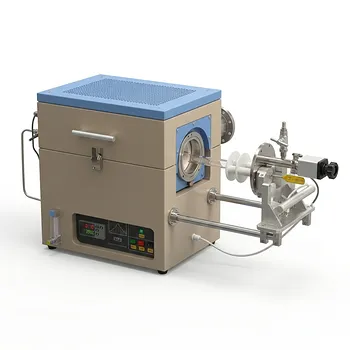
Compact Atmosphere Controlled Rapid Thermal Processing RTP Furnace with 4 Inch ID Quartz Tube 1100C
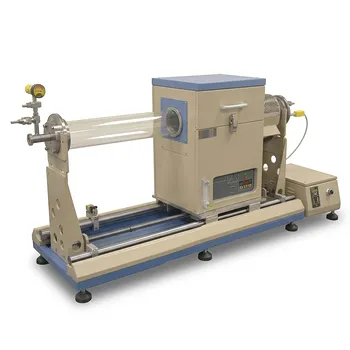
Rapid Thermal Processing Sliding Tube Furnace with 4 Inch OD Quartz Tube and 900C IR Heating
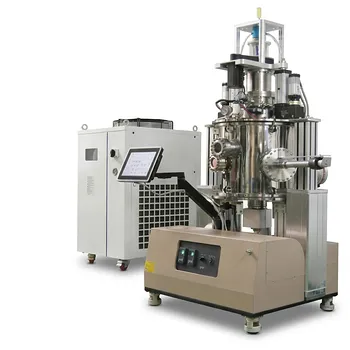
950C Rapid Thermal Processing Furnace for 12 Inch Wafer CSS Coating with Rotating Substrate Holder
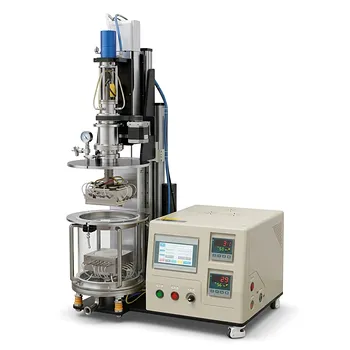
High Temperature 800C Rapid Thermal Processing Furnace with Rotating Sample Holder for Close Spaced Sublimation and Thin Film Solar Cell Research
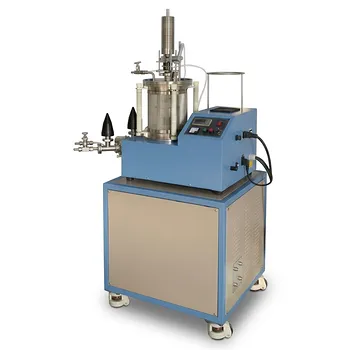
Ultrafast Thermal Pressing Furnace 2900C Max Temperature 200K per Second Heating Rate Vacuum Atmosphere Rapid Processing System
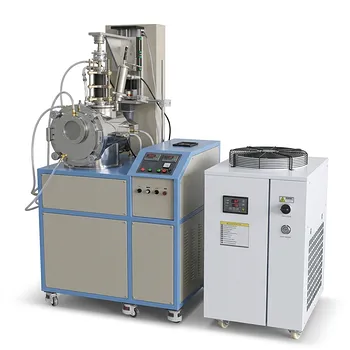
High Temperature Ultrafast Heating Pressing Furnace 2900C Max 100kgf Rapid Thermal Processing System
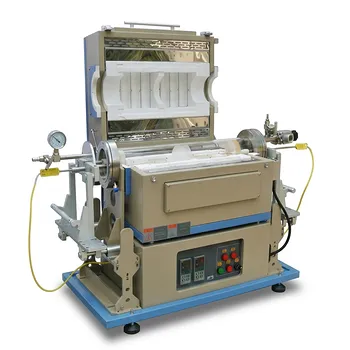
Two Zone IR Heating Rapid Thermal Processing RTP Tube Furnace with 4 Inch ID Quartz Tube and Sliding Sample Holders
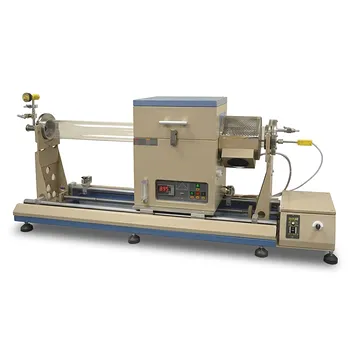
900 ºC Max Sliding RTP Tube Furnace with Rapid IR Heating and 4 Inch OD Quartz Tube
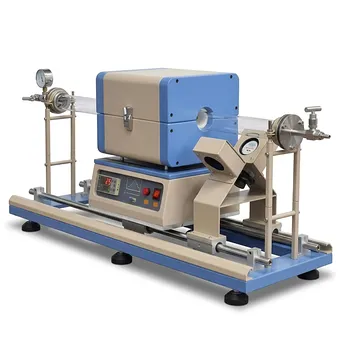
Automated Sliding Tube Furnace for Fast Heating and Cooling 2 Inch OD 1100C Max
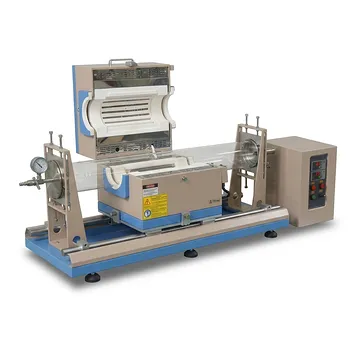
1200C High Temperature 5 Inch Sliding Tube Furnace for Rapid Thermal Processing RTP and Wafer Annealing
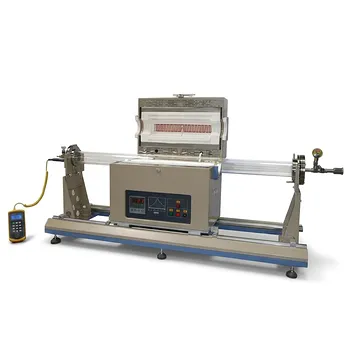
1200C Max Sliding Tube Furnace with 80mm OD Quartz Tube and Vacuum Flanges for Rapid Thermal Processing Fast Heating and Cooling
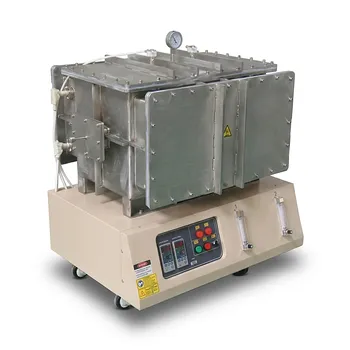
1500°C Atmosphere Controlled Rapid Heating Furnace for Material Science and Battery Powder Sintering
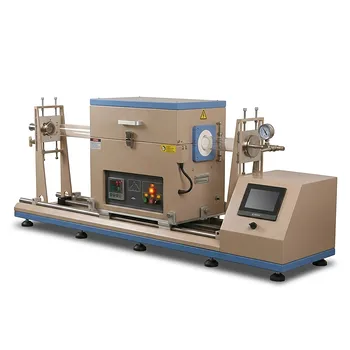
1200C Sliding Tube Furnace for Rapid Thermal Processing and CVD Graphene Growth with 100mm OD Capacity
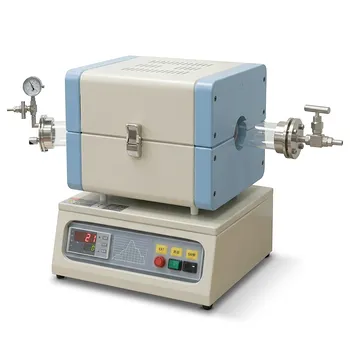
1200C Tube Furnace with Internal Magnetic Sample Sliding for Direct Vaporizing Deposition and Rapid Thermal Processing
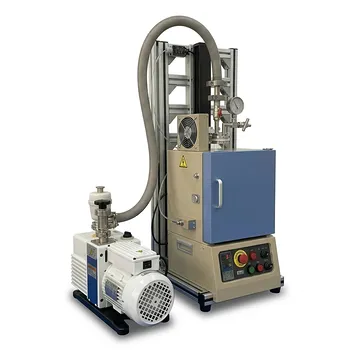
1200C High Temperature Vertical Sliding Furnace with Rapid Thermal Processing and Vacuum Tube Hybrid Capabilities
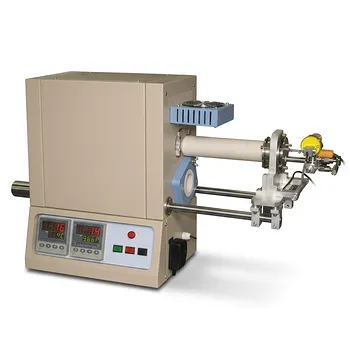
High Temperature Tube Furnace 1500C with Sliding Flanges and 50mm OD for Rapid Thermal Processing Fast Heating and Cooling