Why is an atmosphere-controlled annealing furnace required for the post-treatment of synthesized KTiOPO4 thin films? KTP
Updated 3 months ago
Atmosphere-controlled annealing is required for synthesized KTiOPO4 (KTP) thin films to provide the thermal energy and chemical environment necessary to achieve a pure orthorhombic phase. This specific crystalline structure is vital for creating a stable framework that allows for the efficient insertion and extraction of sodium ions.
Core Takeaway: A controlled annealing environment transforms defective or amorphous KTP films into highly crystalline structures, eliminating internal stresses and ensuring the phase purity required for electrochemical and optoelectronic applications.
Achieving Structural Integrity and Phase Purity
Phase Transformation to the Orthorhombic State
KTP thin films often require post-treatment to move from a disordered or amorphous state into a functional orthorhombic phase. High-temperature annealing provides the necessary thermal energy for solid-state reactions and lattice rearrangement.
Eliminating Internal Crystal Defects
The annealing process gives atoms within the thin film sufficient energy for thermal diffusion. This movement allows atoms to migrate to their correct lattice positions, effectively repairing defects and ensuring a consistent structural framework.
Relief of Deposition-Induced Stresses
Thin films deposited via methods like sputtering often harbor significant internal stresses and lattice strains. The controlled heating environment allows these stresses to relax, preventing delamination and improving the mechanical stability of the film.
Enhancing Electrochemical and Functional Performance
Optimizing the Lattice for Ion Transport
For KTP used in battery technologies, the orthorhombic structure is critical because it provides open pathways for ion movement. Proper annealing ensures these pathways are well-defined, directly improving the efficiency of sodium-ion insertion and extraction.
Improving Crystallinity and Grain Growth
High-temperature environments facilitate grain growth, which reduces the number of grain boundaries within the film. Lowering grain boundary density typically leads to better electrical stability and higher optical transparency.
Minimizing X-ray Diffraction Line Breadth
A successful annealing process is often evidenced by a reduction in the Full Width at Half Maximum (FWHM) of XRD peaks. This quantitative change indicates a significant increase in crystalline quality and long-range order within the material.
The Role of Controlled Atmospheres
Preventing Unwanted Chemical Reactions
Using an inert atmosphere, such as argon, prevents the KTP film from reacting with oxygen or moisture at high temperatures. This ensures the chemical composition of the film remains pure and does not transition into unwanted oxide phases.
Removal of Surface Contaminants
Atmosphere-controlled furnaces can also be used to purge residual binders, solvents, or impurities left over from the synthesis process. This cleaning effect is essential for ensuring high-quality interfaces in multi-layered electronic devices.
Activation of Dopants
If the KTP film has been doped with other elements, the thermal energy from the furnace activates these dopant atoms. This ensures they occupy the correct sites in the lattice, which is necessary to achieve desired electrical conductivity or optical properties.
Understanding the Trade-offs
Temperature Precision vs. Phase Degradation
While higher temperatures generally improve crystallinity, exceeding the stable threshold for KTP can lead to phase decomposition. Precise temperature control is required to balance grain growth against the risk of structural breakdown.
Atmosphere Purity vs. Operational Cost
Maintaining a high-purity inert or vacuum environment increases the complexity and cost of production. However, even trace amounts of oxygen can lead to surface oxidation, which may degrade the film's electrochemical performance or optical clarity.
How to Apply This to Your Project
Recommendations for Targeted Results
- If your primary focus is sodium-ion battery performance: Prioritize an inert argon atmosphere to ensure a stable orthorhombic framework for ion transport.
- If your primary focus is optical transparency: Use higher temperatures and longer annealing durations to maximize grain growth and minimize scattering defects.
- If your primary focus is electrical conductivity: Ensure the furnace environment is tailored to activate dopants without introducing atmospheric contaminants.
By precisely controlling the thermal and chemical environment during annealing, you can transform a raw synthesized film into a high-performance material with predictable structural and functional properties.
Summary Table:
| Process Objective | Furnace Role | Impact on KTP Thin Film |
|---|---|---|
| Phase Control | Provides thermal energy | Transforms amorphous film to orthorhombic phase |
| Defect Repair | Facilitates thermal diffusion | Heals lattice defects and reduces internal stress |
| Purity Maintenance | Inert argon atmosphere | Prevents oxidation and surface contamination |
| Ion Transport | Structural stabilization | Optimizes pathways for sodium-ion insertion |
| Crystallinity | Promotes grain growth | Reduces grain boundaries and improves transparency |
Elevate Your Material Research with THERMUNITS
Achieving perfect phase purity in KTiOPO4 thin films requires the precision that only industry-leading thermal equipment can provide. THERMUNITS is a premier manufacturer of high-temperature laboratory solutions designed specifically for material science and industrial R&D.
Our comprehensive range of equipment includes:
- Atmosphere & Vacuum Furnaces: For precise chemical environment control.
- CVD/PECVD Systems: Ideal for advanced thin-film deposition and treatment.
- Muffle, Tube, & Rotary Furnaces: Versatile solutions for diverse heat treatment needs.
- Specialized Equipment: Including Hot Press furnaces, Dental Furnaces, and Vacuum Induction Melting (VIM) systems.
Whether you are optimizing sodium-ion transport or enhancing optoelectronic properties, our thermal processing solutions deliver the stability and accuracy your project demands. Contact THERMUNITS today to discuss how our expert-engineered furnaces can accelerate your breakthroughs in material science.
References
- Wenyi Liu, Jinping Liu. Understanding pillar chemistry in potassium-containing polyanion materials for long-lasting sodium-ion batteries. DOI: 10.1038/s41467-024-54317-8
Mentioned Products
- Rapid Thermal Processing Atmosphere Controlled Bottom Loading Furnace 1100C with 50C Per Second Heating Rate for Wafer Annealing
- Rapid Thermal Processing Furnace 1100C Atmosphere Controlled Bottom Loading RTP System for Wafer Annealing and Catalysis Research
- High Temperature Vertical Atmosphere Controlled Furnace with Automatic Bottom Loading and 1700°C Capacity for Advanced Material Research
- Compact Atmosphere Controlled Rapid Thermal Processing RTP Furnace with 4 Inch ID Quartz Tube 1100C
- 1200°C Atmosphere Controlled Automatic Bottom Loading Furnace with 6 Inch Quartz Tube
People Also Ask
- What role does a SiC-coated graphite susceptor play in H2Se selenization? Boost RTP Thermal Uniformity & Film Purity.
- What are the advantages of using a Bottom-Loading High-Temperature Furnace in Barium Titanate Fast Firing? Superior Microstructure
- What are the functional advantages of an RTP system for surface deposition? Enhance Heterojunction Interface Integrity
- What is the purpose of coating ceramic sheets with platinum paste? Achieve Stable High-Temp Ohmic Contacts
- Why is 1100°C in situ annealing required after LZO and DTO deposition? Achieve High-Quality Thin Film Synthesis

Tech Team · ThermUnits
Last updated on Jun 03, 2026
Related Products
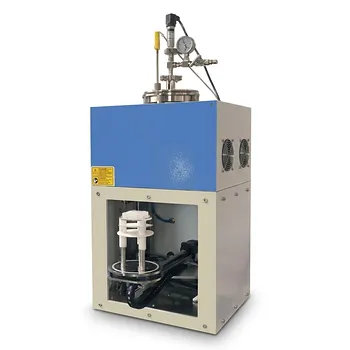
Rapid Thermal Processing Atmosphere Controlled Bottom Loading Furnace 1100C with 50C Per Second Heating Rate for Wafer Annealing
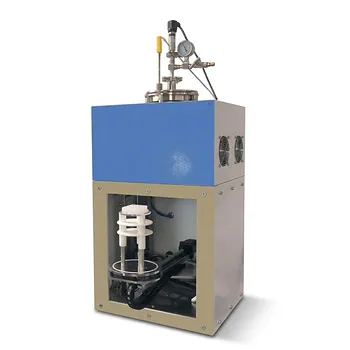
Rapid Thermal Processing Furnace 1100C Atmosphere Controlled Bottom Loading RTP System for Wafer Annealing and Catalysis Research
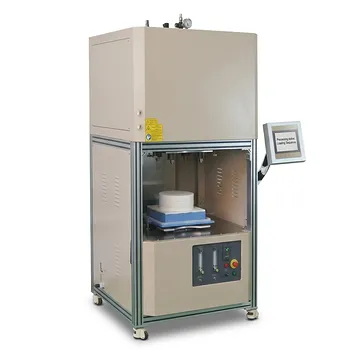
High Temperature Vertical Atmosphere Controlled Furnace with Automatic Bottom Loading and 1700°C Capacity for Advanced Material Research
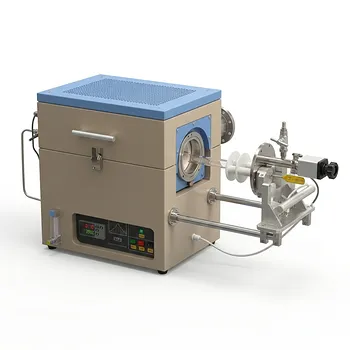
Compact Atmosphere Controlled Rapid Thermal Processing RTP Furnace with 4 Inch ID Quartz Tube 1100C
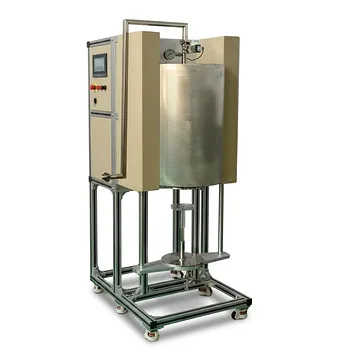
1200°C Atmosphere Controlled Automatic Bottom Loading Furnace with 6 Inch Quartz Tube
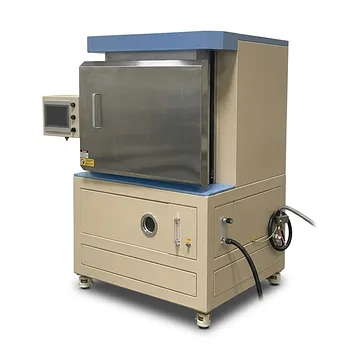
1650C High Temperature Atmosphere Controlled Box Furnace with 65L Chamber for Advanced Material Sintering and Industrial Heat Treatment
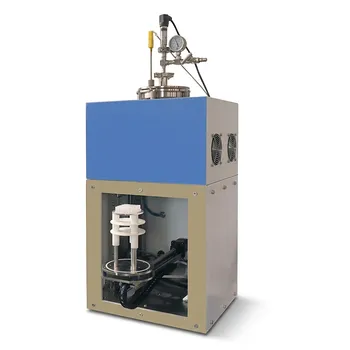
Rapid Thermal Processing RTP Atmosphere Controlled Bottom Loading Furnace 1100C High Throughput 50C per Second Heating Rate
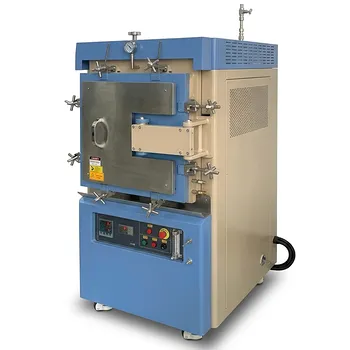
Atmosphere Controlled Muffle Furnace 1700C Maximum Temperature 80L High Capacity Vacuum Inert Gas Box Furnace
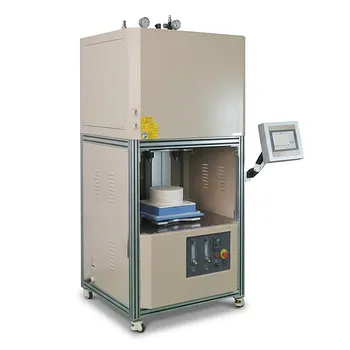
High Temperature Vertical Atmosphere Controlled Furnace 1700C Automatic Bottom Loading 13 Liter Vacuum Thermal System
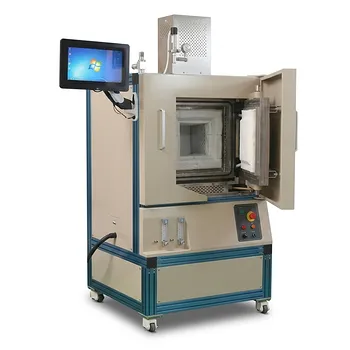
High Temperature Oxygen and Inert Atmosphere Controlled Furnace 8 Liter 1700C Sintering System for Advanced Materials RD
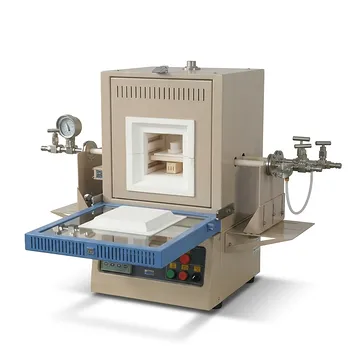
1700C Compact Hybrid Furnace with Dual Layer Box Sintering and Controlled Atmosphere Alumina Tubes
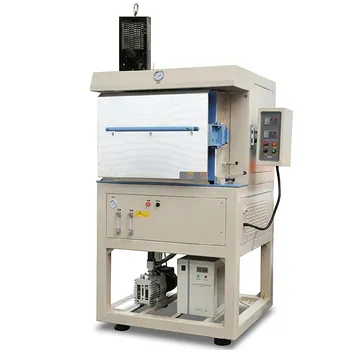
1200C Hydrogen Atmosphere Box Furnace with 5 Heated Sides and 64L Chamber
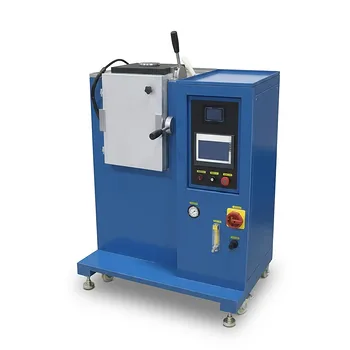
High Throughput Induction Melting and Casting Furnace for Superalloy Research 1700C Atmosphere Controlled Multi Sample System
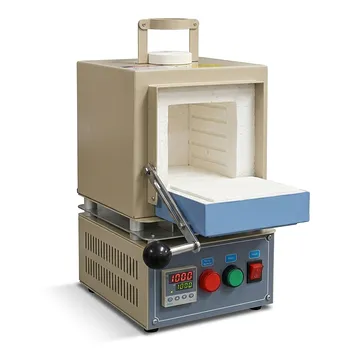
Compact 1000C Muffle Furnace with Programmable Controller and 2 Inch Top Port for Vacuum and Atmosphere Material Research
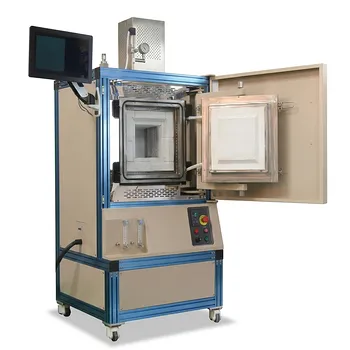
High Temperature Hydrogen Atmosphere Box Furnace 1650C Max Reducing Environment Material Synthesis System 8x8x8 Chamber
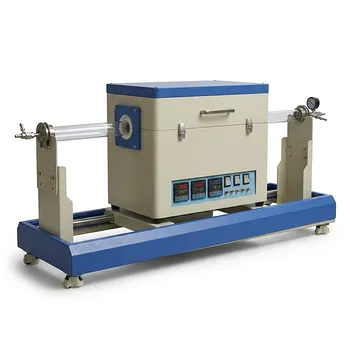
Double Temperature Zone Double Cover Tube Furnace for High Temperature CVD and Vacuum Annealing
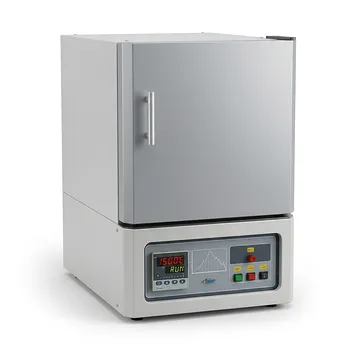
High Temperature 1500C Benchtop Muffle Furnace 3.6L Alumina Fiber Chamber Programmable Controller Sintering Annealing Carbonization Thermal Processing System
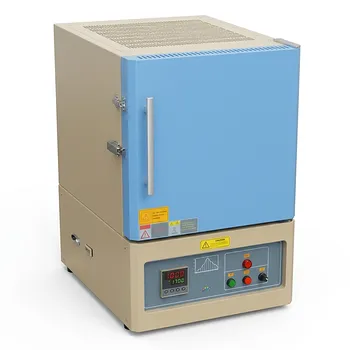
Large Bench Top 1700C High Temperature Muffle Furnace with 19L Chamber for Advanced Material Sintering and Annealing
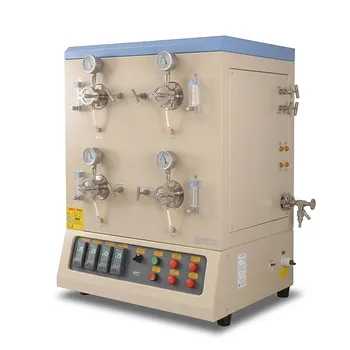
High Temperature 1500C Four Channel Tube Furnace with Alumina Tubes for High Throughput Annealing and Phase Diagram Research