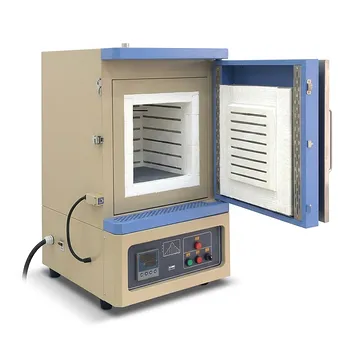
How does atmosphere protection in a furnace ensure the microstructural evolution of nano Ti(CN)-based cermets? Expert Guide
Updated 3 months ago
Atmosphere protection acts as a chemical shield that prevents the oxidation of carbonitride particles at extreme sintering temperatures. By utilizing high-purity argon to displace oxygen, the furnace enables binder metals to fully liquefy and wet the ceramic particles. This stable environment is the prerequisite for the dissolution-reprecipitation process, which results in the "black core-gray shell" microstructure essential for high fracture toughness.
Core Takeaway: Atmosphere protection ensures microstructural integrity by preventing oxidation, which allows liquid metal binders to wet ceramic particles and drive the formation of the toughening core-shell structure.
The Role of Inert Environments in Oxidation Control
Preventing Carbonitride Degradation at 1400°C
At the high temperatures required for conventional sintering—typically around 1400°C—nano Ti(CN) particles are highly susceptible to oxidation. If oxygen is present in the furnace, it reacts with the carbonitrides, forming oxides that disrupt the chemical balance of the composite.
Maintaining Chemical Purity for Bonding
An inert atmosphere, such as high-purity argon, effectively displaces oxygen from the reaction chamber. This prevents the "oxidative combustion" of carbon-based components and ensures that the bonding between particles remains a pure diffusion process.
Facilitating the Liquid Phase Sintering Process
Optimizing Binder Metal Wetting
For a cermet to reach its full density, the binder metals—specifically Nickel and Cobalt (Ni-Co)—must fully liquefy. In a protected atmosphere, these molten metals can effectively wet the Ti(CN) and Tungsten Carbide (WC) particles without interference from surface oxides.
Driving the Dissolution-Reprecipitation Mechanism
Once wetting occurs, a stable dissolution-reprecipitation process begins. During this phase, smaller particles or surface layers dissolve into the liquid binder and reprecipitate onto larger particles, creating the complex hierarchical structures needed for material strength.
Engineering the Core-Shell Microstructure
The Formation of the 'Black Core' and 'Gray Shell'
The hallmark of a high-performance Ti(CN) cermet is the black core-gray shell structure. The black core represents the original Ti(CN) particles, while the gray shell is the reprecipitated complex carbonitride that forms during cooling.
Impact on Fracture Toughness
The white binder phase (the solidified Ni-Co) surrounds these core-shell structures, creating a composite that balances hardness with durability. This specific microstructural evolution is the primary mechanism for enhancing the fracture toughness of the final tool material.
Understanding the Trade-offs and Risks
The Cost of Atmospheric Impurity
Even trace amounts of oxygen can lead to the formation of brittle phases or porosity within the cermet. While high-purity argon is effective, maintaining its purity throughout the entire heating and cooling cycle requires sophisticated furnace sealing and gas regulation.
Balancing Gas Flow and Thermal Gradient
Introducing a constant flow of inert gas can sometimes create slight thermal gradients within a horizontal tube furnace. Engineers must precisely regulate the flow rate to ensure that the displacement of oxygen does not lead to uneven temperature distribution across the sintering samples.
Applying Atmosphere Control to Your Sintering Process
Selecting the right atmospheric parameters is vital for achieving specific material properties in your cermet production.
- If your primary focus is maximizing fracture toughness: Ensure a strictly controlled argon environment to facilitate the full development of the gray shell layer during dissolution-reprecipitation.
- If your primary focus is preventing surface defects: Use a horizontal tube furnace with precise gas regulation to displace oxygen early in the heating cycle, preventing oxidative combustion of nano-scale additives.
- If your primary focus is structural integrity of porous skeletons: Maintain an inert atmosphere between 1100°C and 1200°C to ensure pure diffusion bonding without the interference of metal oxides.
The precise regulation of a furnace's atmosphere is not merely a safety measure, but a fundamental tool for engineering the microscopic architecture of advanced cermets.
Summary Table:
| Process Stage | Role of Atmosphere Protection | Impact on Microstructure |
|---|---|---|
| Oxidation Control | Displaces oxygen using high-purity argon | Prevents brittle oxide formation at 1400°C |
| Liquid Phase Sintering | Ensures Ni-Co binders can wet particles | Optimizes material density and particle bonding |
| Dissolution-Reprecipitation | Provides a stable chemical environment | Enables formation of the "gray shell" layer |
| Structural Finalization | Stabilizes hierarchical architecture | Achieves the black core-gray shell structure |
Elevate Your Advanced Material Sintering with THERMUNITS
Achieving the perfect "black core-gray shell" microstructure in nano-cermets requires the ultimate precision in atmospheric control. THERMUNITS is a leading manufacturer of high-temperature laboratory equipment, providing the cutting-edge thermal solutions necessary for material science and industrial R&D.
Our comprehensive range of equipment includes:
- Atmosphere and Vacuum Furnaces for oxygen-free sintering
- Tube, Muffle, and Rotary Furnaces for versatile heat treatments
- CVD/PECVD Systems and Vacuum Induction Melting (VIM) units
- Hot Press and Dental Furnaces designed for high-density results
Don't let oxidation compromise your fracture toughness. Let our experts help you configure the ideal environment for your research and production.
Contact THERMUNITS Today to Optimize Your Heat Treatment Process
References
- Vikas Verma, Ronaldo Câmara Cozza. Effect of Processing Routes on Physical and Mechanical Properties of Advanced Cermet System. DOI: 10.3390/ceramics7020041
Mentioned Products
- 1650C High Temperature Atmosphere Controlled Box Furnace with 65L Chamber for Advanced Material Sintering and Industrial Heat Treatment
- 1200C Hydrogen Atmosphere Box Furnace with 5 Heated Sides and 64L Chamber
- 1200°C Atmosphere Controlled Automatic Bottom Loading Furnace with 6 Inch Quartz Tube
- Atmosphere Controlled Muffle Furnace 1700C Maximum Temperature 80L High Capacity Vacuum Inert Gas Box Furnace
- Roller Table Atmosphere Furnace 1500C High Temperature Battery Material Sintering System 112L Capacity
People Also Ask
- What role does atmosphere control play in technical ceramics and glass? Master Material Purity and Precision
- What role does a high-temperature atmosphere furnace play in the direct electrochemical reduction of CO2? - Key Insights
- What is the role of a high-temperature box furnace in the solid-state synthesis of Europium-doped M3MgSi2O8 phosphors?
- What is the role of a high-temperature box furnace in Na3MnZr(PO4)3 synthesis? Engineering High-Performance NASICON.
- What is the role of a high-temperature atmosphere furnace in Co/Co0.85Se@NC synthesis? Optimize Catalyst Performance

Tech Team · ThermUnits
Last updated on Jun 03, 2026
Related Products
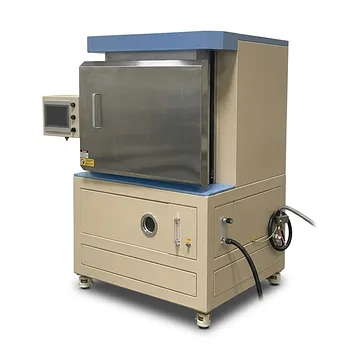
1650C High Temperature Atmosphere Controlled Box Furnace with 65L Chamber for Advanced Material Sintering and Industrial Heat Treatment
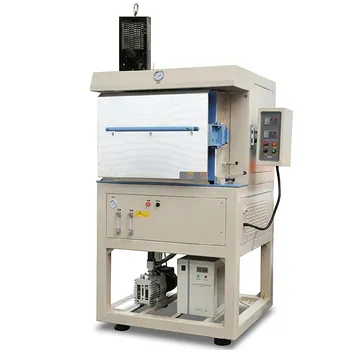
1200C Hydrogen Atmosphere Box Furnace with 5 Heated Sides and 64L Chamber
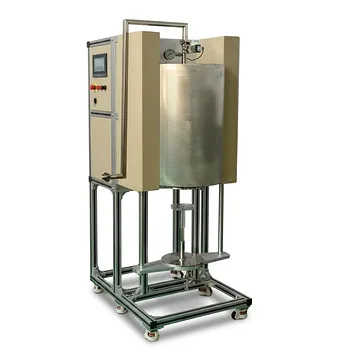
1200°C Atmosphere Controlled Automatic Bottom Loading Furnace with 6 Inch Quartz Tube
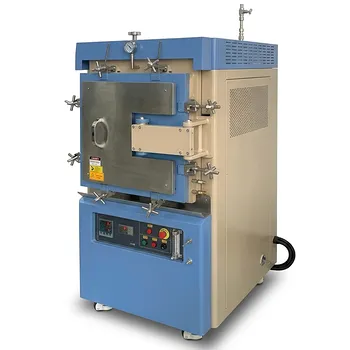
Atmosphere Controlled Muffle Furnace 1700C Maximum Temperature 80L High Capacity Vacuum Inert Gas Box Furnace
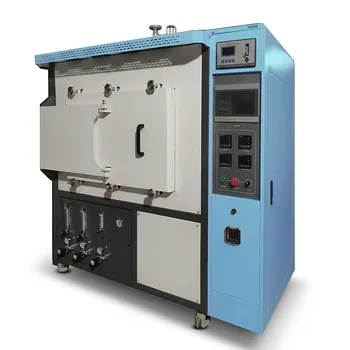
Roller Table Atmosphere Furnace 1500C High Temperature Battery Material Sintering System 112L Capacity
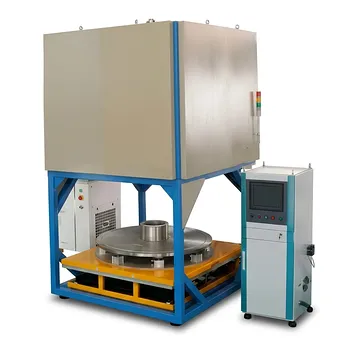
1400C Bottom Loaded Inert Gas Atmosphere Box Furnace with 125L Capacity and Precision Hydraulic Lift
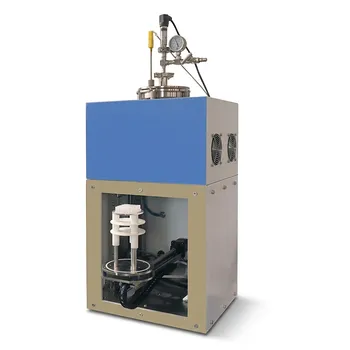
Rapid Thermal Processing RTP Atmosphere Controlled Bottom Loading Furnace 1100C High Throughput 50C per Second Heating Rate
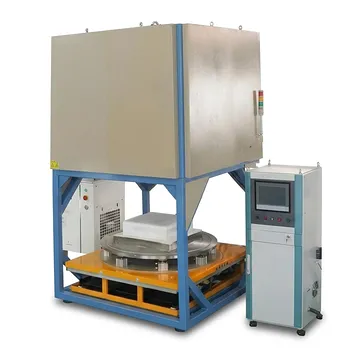
Bottom Loaded Inert Gas Atmosphere Box Furnace 1400C Maximum Temperature 125L High Capacity Laboratory Heat Treatment System
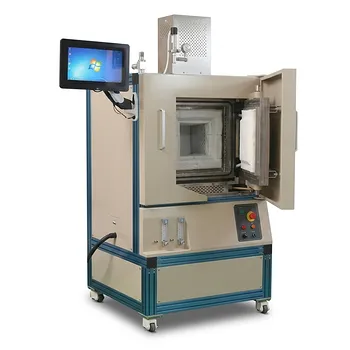
High Temperature Oxygen and Inert Atmosphere Controlled Furnace 8 Liter 1700C Sintering System for Advanced Materials RD
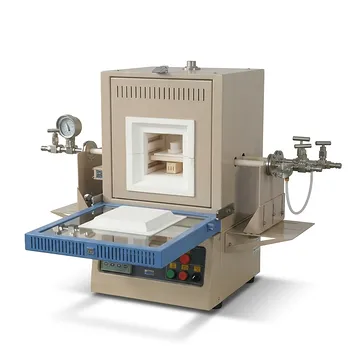
1700C Compact Hybrid Furnace with Dual Layer Box Sintering and Controlled Atmosphere Alumina Tubes
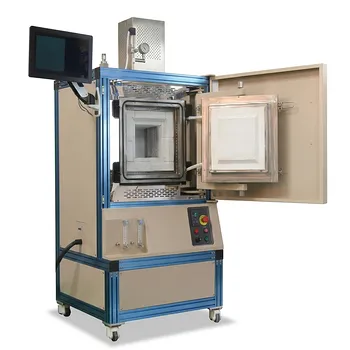
High Temperature Hydrogen Atmosphere Box Furnace 1650C Max Reducing Environment Material Synthesis System 8x8x8 Chamber
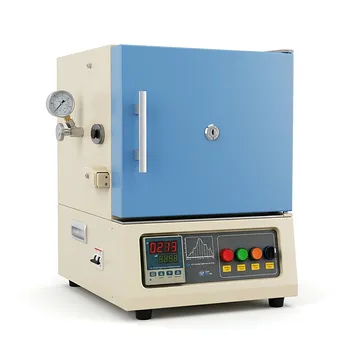
1200C Hybrid Muffle and Tube Furnace for Material Research with Dual Atmosphere Control Quartz Tubes
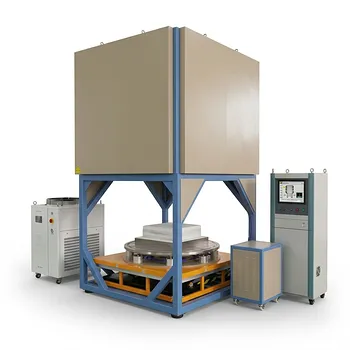
Bottom Loaded Inert Gas Atmosphere Box Furnace 1700C 1300C 216L Large Capacity Industrial Thermal Processing System
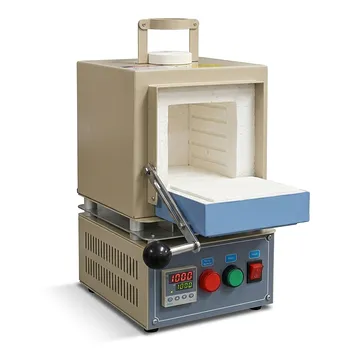
Compact 1000C Muffle Furnace with Programmable Controller and 2 Inch Top Port for Vacuum and Atmosphere Material Research
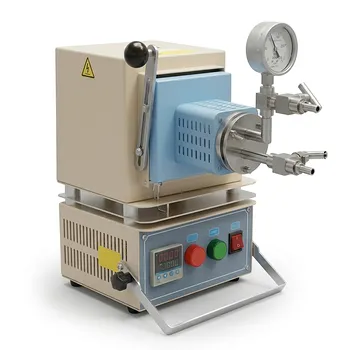
Compact Hybrid Muffle and Tube Furnace for 1000C Controlled Atmosphere Laboratory Material Sintering
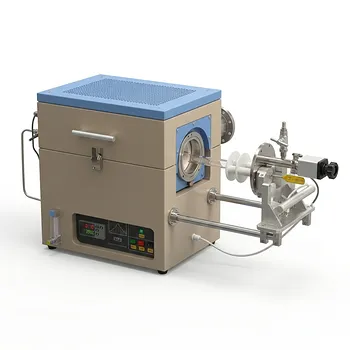
Compact Atmosphere Controlled Rapid Thermal Processing RTP Furnace with 4 Inch ID Quartz Tube 1100C
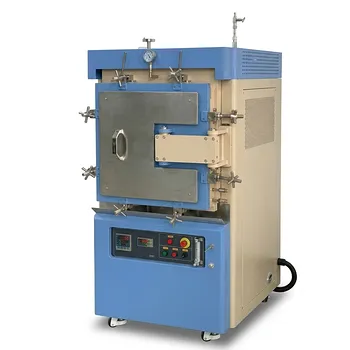
High Temperature Economic Hydrogen Gas Box Furnace 1600C Atmosphere Controlled Thermal Processing System 65L Capacity
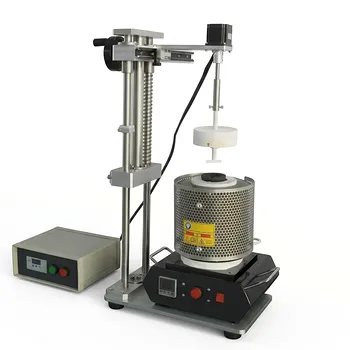
1100C Crucible Melting Furnace with Stirring Function for Glovebox and Air Sensitive Alloy Research
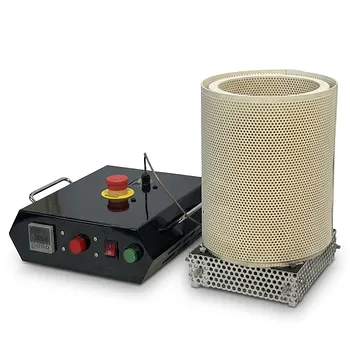
1250 C Compact Vertical Box Furnace for Glovebox Material Research Air Sensitive Samples