How does high-temperature calcination influence the synthesis and properties of cobalt oxide nanoparticles?
Updated 5 months ago
High-temperature calcination is the definitive phase in the synthesis of cobalt oxide (CoO) nanoparticles, serving as the bridge between raw chemical precursors and a functional crystalline material. By applying controlled thermal energy, typically starting at 300 °C, this process triggers the thermal decomposition of precursors into stable metal oxide structures while simultaneously defining the material's electrochemical potential and physical distribution.
Core Takeaway: Calcination transforms amorphous precursors into stable, crystalline cobalt oxide nanoparticles by enabling thermal decomposition and lattice rearrangement. This process is the primary lever for controlling crystal phase, chemical purity, and the dispersion of particles within supporting substrates.
The Mechanism of Structural Transformation
Thermal Decomposition of Precursors
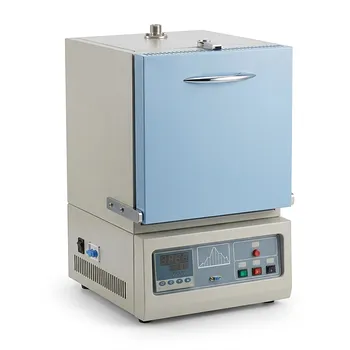
The primary function of calcination is to drive the thermal decomposition of precursor materials, such as gels or precipitates, into stable oxide forms. In a controlled environment like a muffle furnace, heat breaks chemical bonds in the precursor, allowing cobalt atoms to bond with oxygen to form the basic nanoparticle framework.
Crystal Phase and Lattice Rearrangement
Calcination provides the thermodynamic energy required for lattice rearrangement. The specific temperature chosen directly determines the crystal phase structure of the cobalt oxide, shifting it from an amorphous state to a highly ordered crystalline lattice, such as a rock-salt or cubic structure.
Evolution of Crystallinity
Higher temperatures generally enhance the crystallinity of the nanoparticles, reducing internal defects and stabilizing the atomic arrangement. This structural maturity is essential for ensuring the long-term stability of the material when subjected to chemical or electrical stress.
Impact on Physical and Chemical Properties
Morphology and Grain Size Control
The thermal environment acts as a regulator for grain growth and morphology. By adjusting the calcination temperature and duration, researchers can influence the final size of the nanoparticles and their specific shapes, such as nanobelts, nanoflakes, or polyhedral structures.
Achieving Chemical Purity
Calcination is a critical purification step that facilitates the complete removal of organic impurities, residual surfactants, and plant extract templates used during earlier synthesis stages. This "burn-off" ensures that the resulting cobalt oxide is of high purity, which is vital for maintaining consistent semiconductor and optoelectronic properties.
Dispersion and Surface Interaction
For nanoparticles synthesized within porous supports like activated carbon, calcination determines how well the oxide is dispersed within the pores. Proper thermal treatment ensures the particles are integrated effectively, preventing agglomeration and maximizing the active surface area available for reactions.
Understanding the Trade-offs
The Risk of Over-Sintering
While heat is necessary for crystallinity, excessively high temperatures can lead to sintering, where individual nanoparticles fuse together. This reduces the total surface area and can negate the benefits of "nano" sizing, potentially lowering the material's catalytic or electrochemical activity.
Energy Consumption and Phase Shifts
Maintaining high temperatures for extended periods significantly increases energy costs and production time. Furthermore, exceeding specific thermal thresholds may trigger an unwanted phase transformation, changing the cobalt oxide into a different oxidation state or crystal structure that may not suit the intended application.
How to Optimize Calcination for Your Goal
Applying This to Your Project
To achieve the best results with cobalt oxide nanoparticles, you must align your calcination parameters with your specific performance requirements.
- If your primary focus is Electrochemical Activity: Prioritize lower calcination temperatures (near 300 °C) to maintain a high surface area and fine dispersion within porous supports.
- If your primary focus is Structural Purity: Use a stable muffle furnace environment to ensure the complete removal of all organic templates and surfactants.
- If your primary focus is Photocatalytic Efficiency: Focus on the formation of tight heterojunction interfaces by selecting temperatures that promote stable monoclinic or cubic polyhedral structures.
- If your primary focus is Crystal Stability: Opt for higher temperatures to facilitate complete lattice rearrangement and ensure a highly crystalline, defect-free rock-salt structure.
By precisely controlling the thermal environment, you transform a simple chemical precursor into a high-performance engineered material tailored for its specific industrial or scientific role.
Summary Table:
| Calcination Mechanism | Impact on Cobalt Oxide (CoO) | Primary Benefit |
|---|---|---|
| Thermal Decomposition | Breaks precursor bonds; forms oxide framework | Converts raw chemicals to functional material |
| Lattice Rearrangement | Defines crystal phase (e.g., cubic or rock-salt) | Establishes structural stability and properties |
| Grain Size Control | Regulates morphology (nanobelts, flakes, etc.) | Tailors surface area for specific applications |
| Impurity Removal | Burns off organic templates and surfactants | Ensures high chemical and electronic purity |
| Thermal Management | Prevents over-sintering and agglomeration | Maintains high catalytic and electrochemical activity |
Elevate Your Material Synthesis with THERMUNITS Precision Furnaces
Achieving the perfect crystal phase and high chemical purity in cobalt oxide nanoparticles requires more than just heat—it requires precise thermal control and stability. As a leading manufacturer of high-temperature laboratory equipment for material science, THERMUNITS provides the advanced solutions needed for critical industrial R&D.
Our comprehensive range of thermal processing solutions is designed to meet the rigorous demands of nanoparticle synthesis:
- Muffle & Atmosphere Furnaces: Ideal for controlled impurity removal and lattice rearrangement.
- Tube & Rotary Kilns: Perfect for achieving uniform dispersion and consistent grain growth.
- Vacuum & Hot Press Furnaces: Essential for specialized material stability and high-purity processing.
- CVD/PECVD Systems: Advanced platforms for thin-film and complex nanostructure development.
Whether you are focusing on electrochemical activity or photocatalytic efficiency, our equipment ensures uniform heating and prevents the risks of over-sintering. Ready to optimize your heat treatment process? Contact our experts today to find the ideal thermal solution for your laboratory.
References
- Kyfti Yolanda Siburian, Agung Nugroho. Effect of CoO loading on electrochemical properties of activated carbon from sugarcane bagasse. DOI: 10.5599/jese.2439
Mentioned Products
- 1500C Three Zone Vertical Pyrolysis Furnace for Nanoparticle Synthesis and Advanced Oxide Coating
- Dual Zone Rotary Tube Furnace for Uniform Powder Calcination 1000C 2 Inch Quartz Tube
- 900°C Max Rotary Tube Furnace with 8 Inch 310S Alloy Tube and Optional Multi Zone Heating for Industrial Material Calcination
- High Temperature Oxygen and Inert Atmosphere Controlled Furnace 8 Liter 1700C Sintering System for Advanced Materials RD
- High Temperature Bench Top Muffle Furnace 1700C with Integrated Evaporating Particle Collection and 8x8x8 Alumina Fiber Chamber
People Also Ask
- Why is high-precision temperature control essential in a pyrolysis furnace? Master Pd NPs/NO-C Catalyst Synthesis
- What is the technical necessity of multiple high-temperature thermocouples in a pyrolysis furnace? Precision Control
- Why is it necessary to maintain a strict nitrogen (N2) atmosphere during the operation of a pyrolysis furnace? (Pro Tips)
- Why is Nitrogen (N2) required for 3D carbon electrodes? Ensure material purity and structural integrity.
- Why are precise nitrogen supply systems and flow meters necessary in the pyrolysis process? Optimize Purity & Yield.

Tech Team · ThermUnits
Last updated on Apr 14, 2026
Related Products
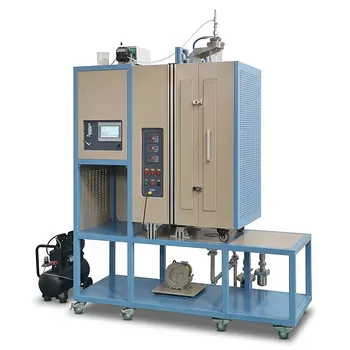
1500C Three Zone Vertical Pyrolysis Furnace for Nanoparticle Synthesis and Advanced Oxide Coating
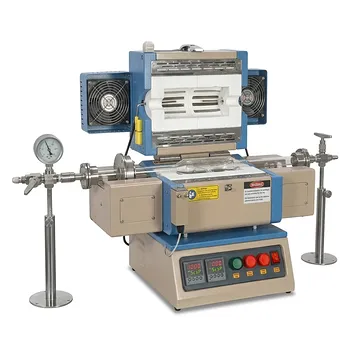
Dual Zone Rotary Tube Furnace for Uniform Powder Calcination 1000C 2 Inch Quartz Tube
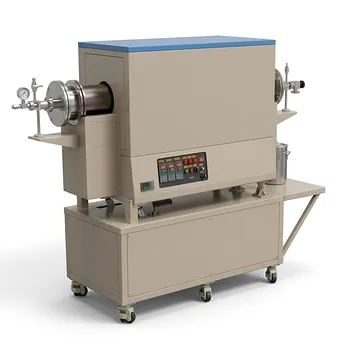
900°C Max Rotary Tube Furnace with 8 Inch 310S Alloy Tube and Optional Multi Zone Heating for Industrial Material Calcination
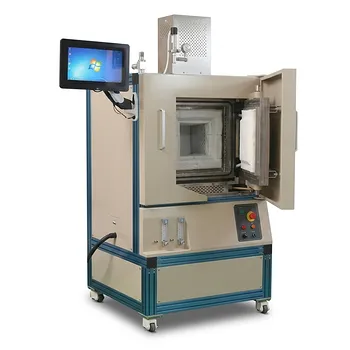
High Temperature Oxygen and Inert Atmosphere Controlled Furnace 8 Liter 1700C Sintering System for Advanced Materials RD
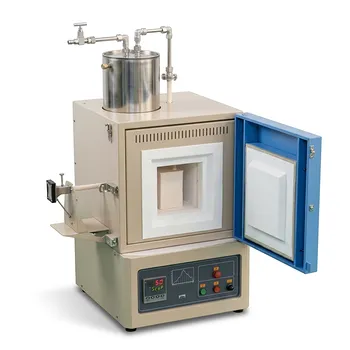
High Temperature Bench Top Muffle Furnace 1700C with Integrated Evaporating Particle Collection and 8x8x8 Alumina Fiber Chamber
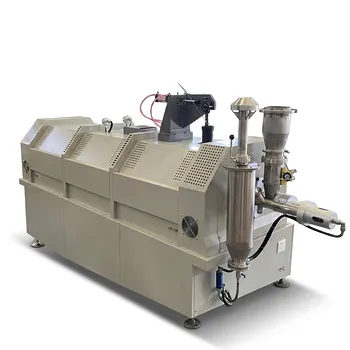
Electric Rotary Kiln Continuous Working Small Rotary Furnace Heating Pyrolysis Plant
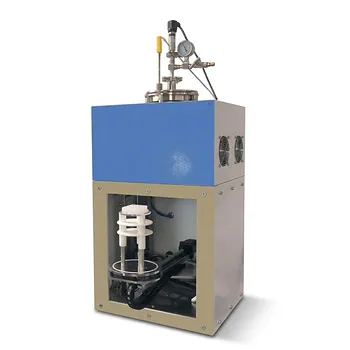
Rapid Thermal Processing Furnace 1100C Atmosphere Controlled Bottom Loading RTP System for Wafer Annealing and Catalysis Research
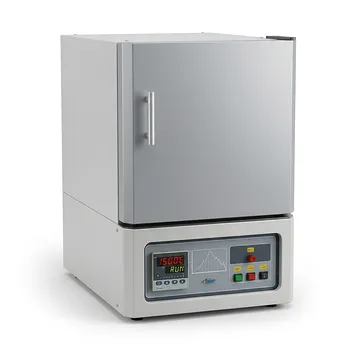
High Temperature 1500C Benchtop Muffle Furnace 3.6L Alumina Fiber Chamber Programmable Controller Sintering Annealing Carbonization Thermal Processing System
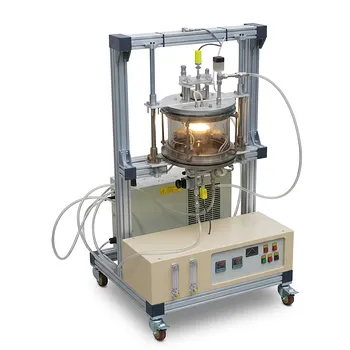
Two Zones CSS Furnace for Rapid Thermal Processing Thin Film Coating 3 Inch Diameter 650C
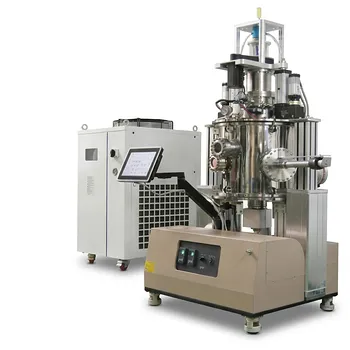
950C Rapid Thermal Processing Furnace for 12 Inch Wafer CSS Coating with Rotating Substrate Holder