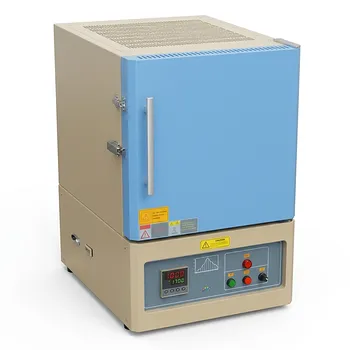
How does laboratory furnace temperature precision affect the quality of bitumen-based activated carbon? Key Insights
Updated 5 months ago
Temperature control precision is the primary determinant of whether a bitumen-based precursor develops a high-performance pore network or collapses into a non-porous, sintered mass. In laboratory high-temperature furnaces, a variance of as little as 100°C can be the difference between maximizing surface area at 600°C and causing irreversible structural collapse at 700°C. High-precision systems enable the exact thermal environment required to facilitate pore formation while preventing the loss of critical adsorption sites.
Core Takeaway: Precision temperature control allows researchers to navigate the narrow "activation window," ensuring that volatile components escape uniformly to form hierarchical pores without triggering the thermal sintering that destroys a material's internal surface area.
The Impact of Thermal Precision on Pore Architecture
Maintaining the Optimal Activation Window
Laboratory furnaces must maintain strict adherence to target temperatures to maximize the BET specific surface area. While heating to 600°C facilitates the formation of essential pores, exceeding this limit by even 100°C can lead to the collapse or sintering of the existing structure.
Regulating the Rate of Volatile Release
High-precision control over the heating rate (e.g., 5 °C/min) is vital during the carbonization stage. This slow ramp-up ensures that volatile components escape the bitumen precursor uniformly, preventing the violent eruption of gases that can cause structural damage and compromise the stability of the final product.
Directing Pore Size Distribution
Precise thermal environments allow for the intentional conversion of fine micropores into wider mesopores. This transition is critical for applications involving water treatment, as mesopores enhance the adsorption kinetics required to capture persistent organic pollutants.
Structural Transformation and Material Integrity
Promoting Structural Ordering
In carbonization, the final temperature serves as the driver for transitioning the carbon from a disordered structure to an ordered one. High-precision systems ensure stable temperatures that facilitate the condensation of aromatic nuclei, leading to a more compact and electrically conductive carbon arrangement.
Balancing Burn-off and Surface Area
Because minor variations in temperature significantly alter the burn-off rate during steam or CO2 activation, precision is required to achieve high adsorption capacities. Controlled thermal environments ensure that the gas-phase diffusion rate remains stable, allowing for the directional construction of micropores on the carbon skeleton.
Managing Phase Transitions and Grain Growth
Beyond pore formation, precise programmed temperature control regulates the microscopic structure of the material. By inhibiting abnormal grain growth and promoting uniform densification, a high-precision furnace ensures the activated carbon meets specific physical and chemical performance requirements.
Understanding the Trade-offs
Quality vs. Throughput
Implementing the slow heating rates required for high-quality hierarchical pores significantly increases the duration of the carbonization process. While faster heating increases throughput, it risks structural instability and inferior adsorption performance due to uneven gas release.
Adsorption Capacity vs. Structural Strength
Higher activation temperatures generally increase surface area but can lead to a reduction in mechanical strength. Researchers must choose between maximizing the pore volume for high-capacity adsorption and maintaining a compact structure that provides higher Coke Strength after Reaction (CSR).
How to Apply This to Your Project
Recommendations for Material Development
- If your primary focus is Maximum Surface Area (BET): Utilize a furnace with high-precision PID control to hold temperatures strictly at the 600°C threshold, avoiding the 700°C "sintering zone."
- If your primary focus is Hierarchical Pore Structure: Program a slow heating rate of 5 °C/min or less to ensure a controlled release of volatiles and prevent structural rupture.
- If your primary focus is Fast Adsorption Kinetics: Optimize the furnace for higher-temperature activation to promote the conversion of micropores into transport-facilitating mesopores.
- If your primary focus is Structural Stability and Strength: Focus on precise final holding temperatures that promote the condensation of aromatic nuclei and a compact carbon layer arrangement.
By mastering the thermal precision of your laboratory furnace, you transform a volatile raw material into a highly engineered carbon architecture tailored for specific industrial applications.
Summary Table:
| Factor | Impact on Activated Carbon | Recommended Control Strategy |
|---|---|---|
| Activation Temp | Prevents structural collapse/sintering | High-precision PID control at ~600°C |
| Heating Rate | Regulates volatile release & structural stability | Slow ramp-up (e.g., ≤ 5°C/min) |
| Pore Distribution | Facilitates micropore to mesopore transition | Tight thermal window management |
| Final Holding | Promotes aromatic nuclei condensation | Stable soak time for structural ordering |
| Gas Diffusion | Controls burn-off rate and pore construction | Controlled atmosphere thermal environment |
Elevate Your Material Research with THERMUNITS Precision
Achieving the perfect hierarchical pore structure in bitumen-based carbon requires the uncompromising thermal precision that THERMUNITS provides. As a leading manufacturer of high-temperature laboratory equipment, we empower material scientists and industrial R&D teams with state-of-the-art thermal processing solutions.
Whether you need Muffle, Vacuum, Atmosphere, Tube, or Rotary furnaces, our systems are engineered to navigate narrow activation windows and prevent structural sintering. From CVD/PECVD systems to Vacuum Induction Melting (VIM) and specialized Thermal Elements, we offer the tools necessary for advanced heat treatment.
Ready to optimize your carbon architecture? Contact THERMUNITS today to discuss your specific research requirements and discover how our high-precision furnaces can enhance your laboratory's efficiency and product quality.
References
- Robert O. Gembo, Cecil K. King’ondu. The beneficiation of asphalt waste through conversion into an efficient activated carbon adsorbent for diazinon pesticide, optimized through response surface methodology. DOI: 10.1039/d4su00196f
Mentioned Products
- High Temperature 1500C Benchtop Muffle Furnace 3.6L Alumina Fiber Chamber Programmable Controller Sintering Annealing Carbonization Thermal Processing System
- 1200°C Five Side Heating Atmosphere Controlled Muffle Furnace 64 Liter High Uniformity Box Furnace for Material Synthesis
- 1800°C Bench Top Ultra High Temperature Muffle Furnace with Sapphire Observation Window and Top Feeding Port for Materials Research and Thermal Processing
- High Temperature 1700C Bench Top Muffle Furnace with Alumina Fiber Insulation and 3.6L Chamber Capacity for Precision Sintering and Heat Treatment
- Ultra High Temperature Bench Top Muffle Furnace 1750C Sintering System with Kanthal Super Heating Elements and Precision Digital Control
People Also Ask
- Why is annealing in a high-temperature muffle furnace necessary for SiO2/Si substrate pretreatment before monolayer WS2 synthesis?
- What is the purpose of using muffle or tube furnaces in glass synthesis? Achieve Precise Melt-Quenching & Homogeneity
- What is the role of a high-temperature muffle furnace in the synthesis of graphitic carbon nitride (g-C3N4)? - Guide
- What is the necessity of 950 °C muffle furnace for aluminate spinel supports? Achieve Phase Purity & Lattice Integration
- What is the function of a high-temp muffle furnace in Ni-V oxide synthesis? Optimize your material's performance.

Tech Team · ThermUnits
Last updated on Apr 14, 2026
Related Products
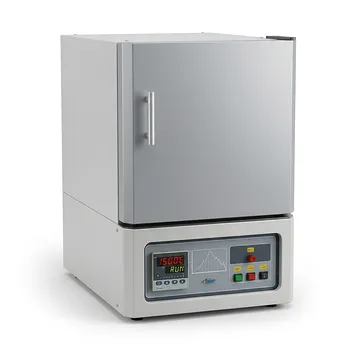
High Temperature 1500C Benchtop Muffle Furnace 3.6L Alumina Fiber Chamber Programmable Controller Sintering Annealing Carbonization Thermal Processing System
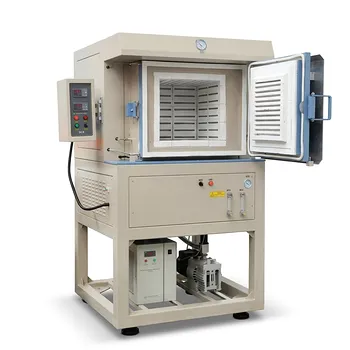
1200°C Five Side Heating Atmosphere Controlled Muffle Furnace 64 Liter High Uniformity Box Furnace for Material Synthesis
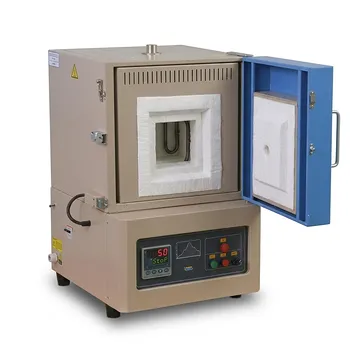
1800°C Bench Top Ultra High Temperature Muffle Furnace with Sapphire Observation Window and Top Feeding Port for Materials Research and Thermal Processing
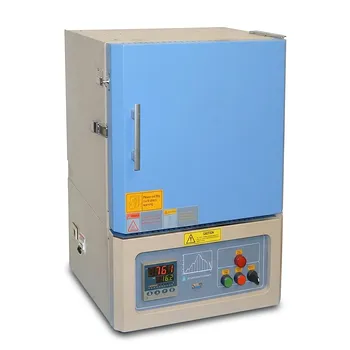
High Temperature 1700C Bench Top Muffle Furnace with Alumina Fiber Insulation and 3.6L Chamber Capacity for Precision Sintering and Heat Treatment
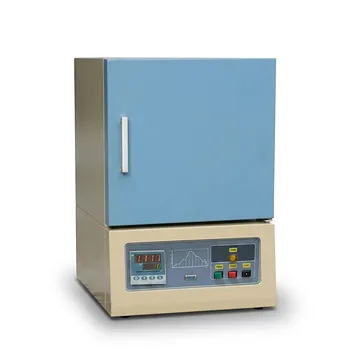
Ultra High Temperature Bench Top Muffle Furnace 1750C Sintering System with Kanthal Super Heating Elements and Precision Digital Control
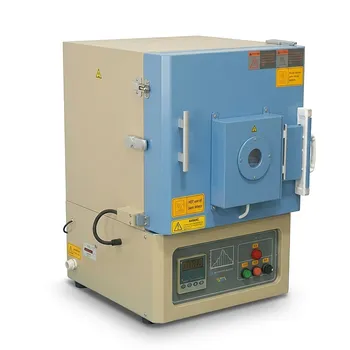
High Temperature Benchtop Muffle Furnace 1500C with 3.6L Chamber and Quartz Observation Window
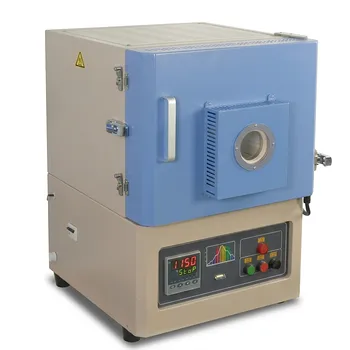
High Temperature Benchtop Muffle Furnace with Quartz Observation Window for Thermal Imaging and Material Analysis

High Temperature 1700C Vertical Tube Furnace for Powder Spherification and Material Sintering
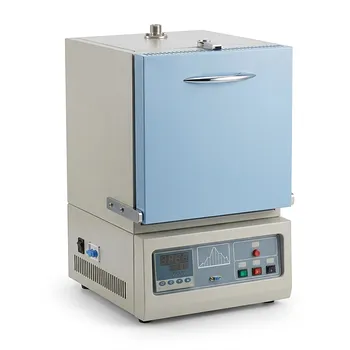
1750C Compact Muffle Furnace 1.7L Ultra High Temperature Laboratory Sintering System for Advanced Ceramics and Material Science Research
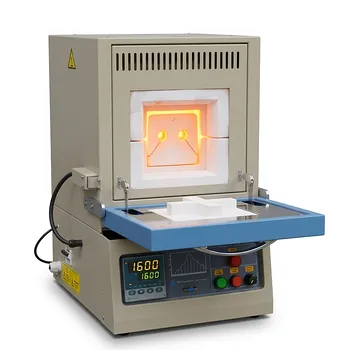
High Temperature Compact Muffle Furnace 1700 C with 30 Segment Programmable Controller and 1.7L Cubic Chamber
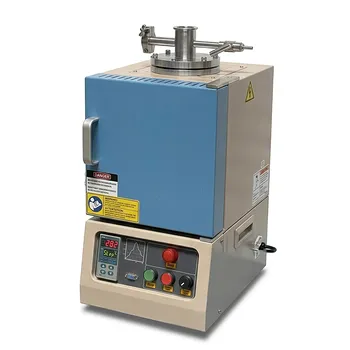
High Temperature Hybrid Muffle and Tube Furnace with Vacuum Capability and PID Control
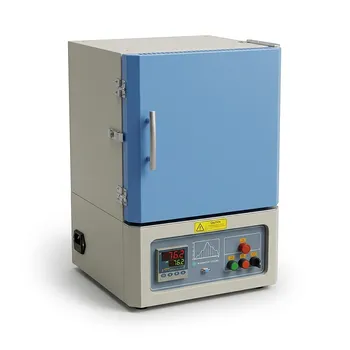
1750C Bench Top Muffle Furnace 3.6L High Grade Molybdenum Disilicide Heating Elements Laboratory Heat Treatment Equipment
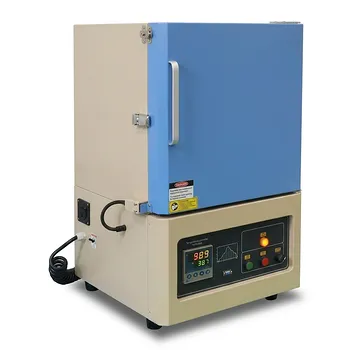
1200°C High Temperature Muffle Furnace 19L Chamber with 50 Segment Programmable Controller
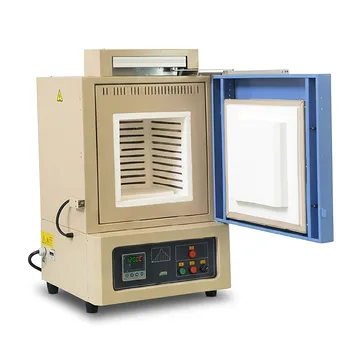
1200C High Temperature Muffle Furnace with Motorized Door and Automated PC Control for Industrial Sintering and Material Processing 27 Liter
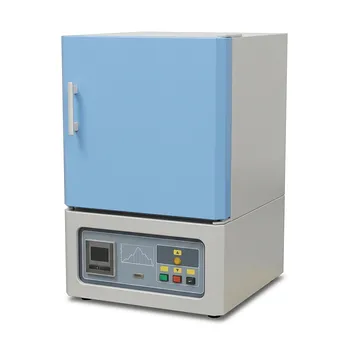
1800C Bench Top Muffle Furnace with Kanthal Super 1900 Heating Elements and 3.6L Alumina Fiber Chamber
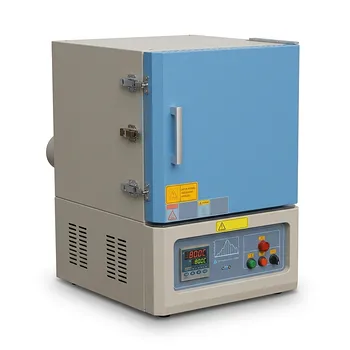
1800C Bench Top Muffle Furnace 18 Liters with Kanthal Super 1900 Heating Elements for High Purity Ceramic Sintering and Material Research
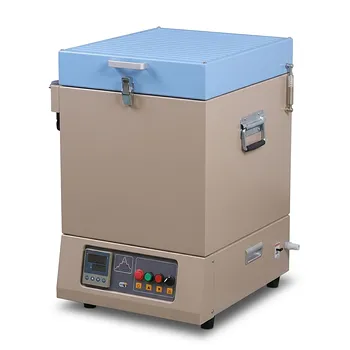
High Temperature Vertical Crucible Furnace with 22L Heating Chamber and 1200C Maximum Temperature
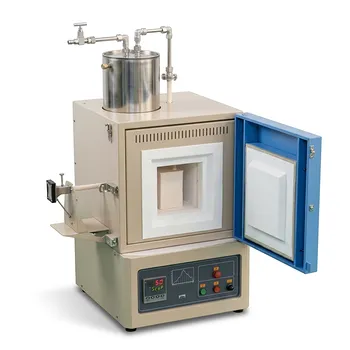
High Temperature Bench Top Muffle Furnace 1700C with Integrated Evaporating Particle Collection and 8x8x8 Alumina Fiber Chamber
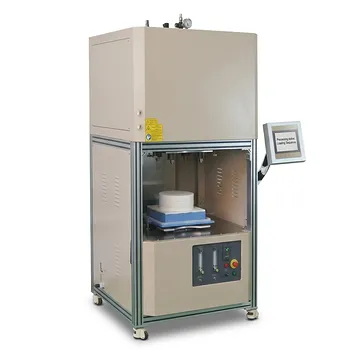
High Temperature Vertical Atmosphere Controlled Furnace with Automatic Bottom Loading and 1700°C Capacity for Advanced Material Research