How does vacuum hot pressing improve the quality of sputtering targets? Achieve High Density & Purity for Thin-Films
Updated 5 months ago
Vacuum hot pressing produces high-performance sputtering targets by simultaneously applying axial pressure and high temperatures within an oxygen-free environment. This dual-action process forces the consolidation of metallic or ceramic powders into a solid mass with near-theoretical density. By eliminating atmospheric contamination and internal voids, it ensures the resulting thin films are chemically pure and structurally consistent.
Vacuum hot pressing achieves superior target quality by combining mechanical force with thermal energy to eliminate porosity and oxidation. This results in a fine-grained, ultra-dense microstructure that directly improves thin-film uniformity and reduces manufacturing defects.
Eliminating Atmospheric and Structural Contaminants
Prevention of Powder Oxidation
The high-vacuum environment within the furnace is critical for processing sensitive materials like high-entropy alloys. By removing oxygen and moisture, the process prevents the formation of oxide layers on individual powder particles during heating. This ensures the final target maintains ultra-high purity, which is vital for semiconductor and optical applications.
Removal of Gas Entrapment
Standard sintering often leaves microscopic pockets of trapped gas between particles, leading to internal porosity. Vacuum hot pressing uses continuous axial pressure (often up to 50 MPa) to squeeze out these gases before the material fully densifies. The result is a low-porosity target that prevents "spitting" or arcing during the physical vapor deposition (PVD) process.
Optimizing Microstructural Integrity
Achievement of Fine Grain Size
Because the application of mechanical pressure accelerates particle diffusion, the required sintering temperature can be lowered. Lower temperatures and shorter forming times prevent excessive grain growth, resulting in a fine-grained microstructure. Smaller grains lead to more predictable material removal during sputtering.
Uniform Material Densification
Synchronous pressure ensures that the material is compacted evenly across the entire surface of the target. This uniform densification is necessary to maintain a consistent erosion rate as the target is consumed. Without this uniformity, the target would wear unevenly, leading to premature failure and increased downtime.
Enhancing Thin-Film Performance
Improved Thermal and Electrical Conductivity
Pore-free microstructures offer fewer obstacles to the flow of heat and electrons. This enhancement in thermal and electrical conductivity allows the target to handle higher power densities without cracking. Improved conductivity also leads to a more stable plasma during the deposition process.
Reduction of Film Defects
High-quality targets produced via vacuum hot pressing significantly reduce the presence of "macro-particles" in the deposited film. By ensuring a homogeneous microstructure, the process minimizes the risk of clusters breaking off the target. This results in smoother, more reliable thin films for sensitive electronics.
Understanding the Trade-offs
Equipment and Operational Costs
Vacuum hot pressing is significantly more expensive than traditional cold-pressing or atmospheric sintering methods. The specialized vacuum furnaces and high-strength dies required represent a high capital investment and higher energy consumption per unit.
Throughput and Scalability Constraints
The process is generally slower because it requires precise control over heating, pressing, and cooling cycles. This makes it less suitable for high-volume, low-cost commodity targets where extreme purity is not a requirement. Furthermore, the size of the target is strictly limited by the physical dimensions of the pressing chamber and the strength of the graphite dies.
How to Apply This to Your Project
Making the Right Choice for Your Goal
When selecting a target fabrication method, the decision should be driven by the specific requirements of your thin-film application.
- If your primary focus is semiconductor manufacturing: Vacuum hot pressing is essential to achieve the ultra-high purity and zero-porosity required to prevent circuit-level defects.
- If your primary focus is developing novel high-entropy alloys: Utilize vacuum hot pressing to ensure uniform mixing and prevent oxidation of reactive elements like Ti, Al, or Nb.
- If your primary focus is large-scale industrial glass coating: Standard sintering may be more cost-effective unless the specific coating demands extreme structural homogeneity.
- If your primary focus is maximizing target longevity: Invest in vacuum hot-pressed targets to benefit from the uniform erosion rates and higher mechanical density.
By prioritizing the structural and chemical integrity of the sputtering target, you ensure the reliability and performance of the final thin-film product.
Summary Table:
| Feature | Target Improvement | Thin-Film Benefit |
|---|---|---|
| Vacuum Environment | Prevents powder oxidation | Ultra-high chemical purity |
| Axial Pressure | Eliminates voids (Near-theoretical density) | Reduces arcing and "spitting" |
| Controlled Heating | Fine-grained microstructure | Uniform erosion and thickness |
| High Densification | Enhanced electrical/thermal conductivity | Stable plasma and fewer defects |
Elevate Your Thin-Film Research with THERMUNITS
To achieve the microstructural integrity and purity required for high-performance sputtering targets, you need specialized thermal equipment. THERMUNITS is a leading manufacturer of high-temperature laboratory equipment for material science and industrial R&D. We empower researchers and manufacturers to produce superior materials through precise thermal control.
Our comprehensive range of thermal processing solutions includes:
- Hot Press Furnaces (Vacuum & Atmosphere)
- Vacuum & Tube Furnaces
- CVD/PECVD Systems
- Muffle & Dental Furnaces
- Rotary Kilns & Vacuum Induction Melting (VIM) Furnaces
- Thermal Elements and customized heat treatment equipment.
Ready to optimize your material density and thin-film performance? Contact our experts today to find the perfect furnace for your project!
Mentioned Products
- Industrial High Temperature Vacuum Hot Press Furnace and Heated Vacuum Press Machine for Material Science Sintering
- High Pressure 600T Vacuum Induction Hot Press Furnace for Advanced Material Heat Treatment and Sintering
- Industrial Vacuum Hot Press Furnace Machine and High Temperature Heated Vacuum Press for Advanced Material Sintering
- High Vacuum Pressure Chamber Furnace 800C 3.5 Bar Sintering System for Superconducting Materials
- High Temperature 1000C Vacuum Furnace with 8 Inch ID Chamber for Material Sintering and Research Annealing
People Also Ask
- How do vacuum, heat, and pressure work together in a Vacuum Hot Press Furnace? Achieving Near-Theoretical Density
- What are the key technical parameters for operating a Vacuum Hot Press Furnace? Master Heat, Pressure, and Vacuum.
- What microstructural mechanisms lead to material densification in a Vacuum Hot Press Furnace? Master Material Sintering
- What is the standard four-step operating sequence for a Vacuum Hot Press Furnace? Master Material Densification
- What is the role of a vacuum hot press furnace in diffusion bonding? Achieve High-Integrity Solid-State Joints

Tech Team · ThermUnits
Last updated on Apr 14, 2026
Related Products
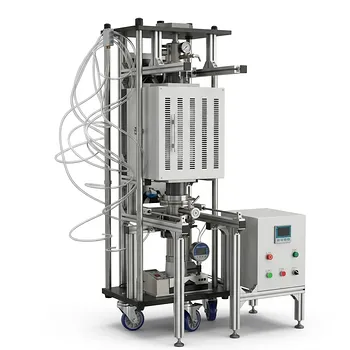
Industrial High Temperature Vacuum Hot Press Furnace and Heated Vacuum Press Machine for Material Science Sintering
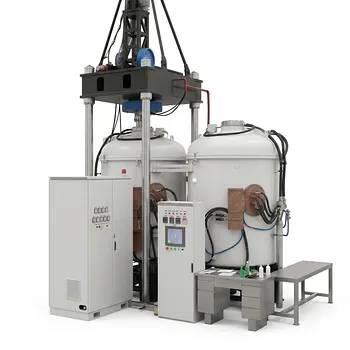
High Pressure 600T Vacuum Induction Hot Press Furnace for Advanced Material Heat Treatment and Sintering
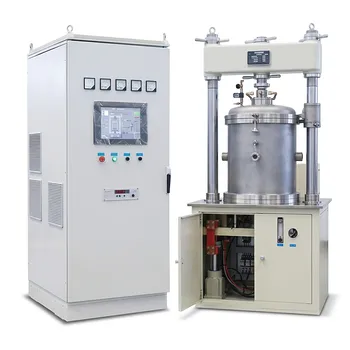
Industrial Vacuum Hot Press Furnace Machine and High Temperature Heated Vacuum Press for Advanced Material Sintering
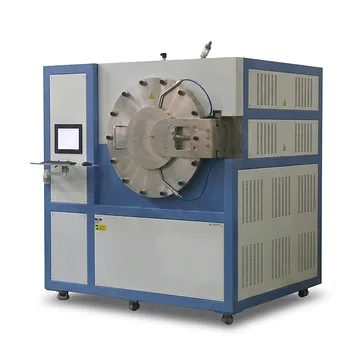
High Vacuum Pressure Chamber Furnace 800C 3.5 Bar Sintering System for Superconducting Materials
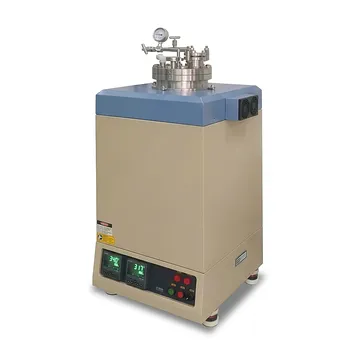
High Temperature 1000C Vacuum Furnace with 8 Inch ID Chamber for Material Sintering and Research Annealing
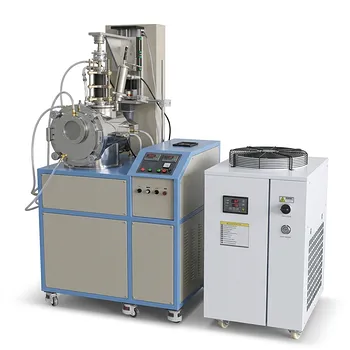
High Temperature Ultrafast Heating Pressing Furnace 2900C Max 100kgf Rapid Thermal Processing System
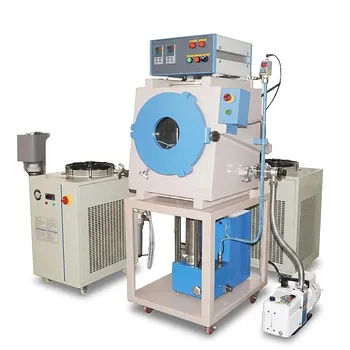
High Temperature Vacuum Lamination Hot Press Furnace Machine for Semiconductor Wafer Bonding and Advanced Composite Thermal Processing
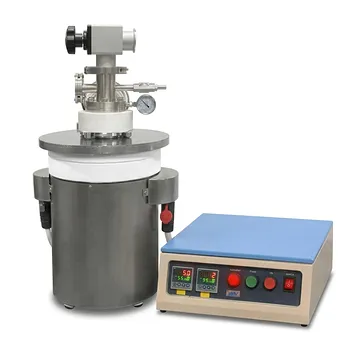
1100C High Temperature Vacuum Crucible Furnace with Quartz Chamber for Thermal Processing and Sintering
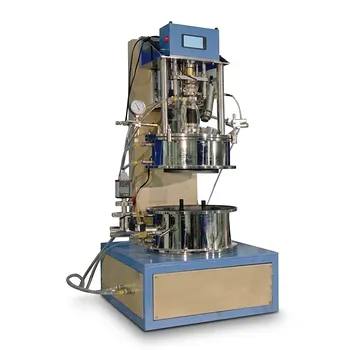
2500C High Vacuum Ultrafast Heating Pellet Press with Automated 8 Sample Loading System
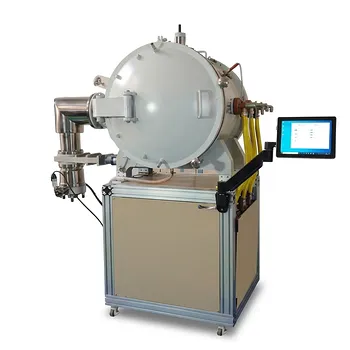
High Temperature Cold Wall Vacuum Furnace for Advanced Material Sintering and Annealing 1600C Heating Area 200x200x300mm
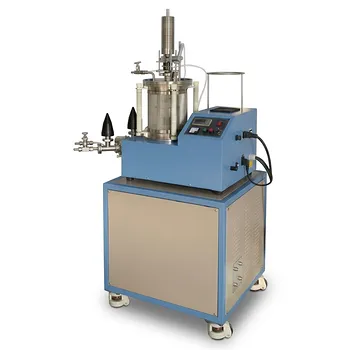
Ultrafast Thermal Pressing Furnace 2900C Max Temperature 200K per Second Heating Rate Vacuum Atmosphere Rapid Processing System

High Temperature 1700C Vertical Tube Furnace for Powder Spherification and Material Sintering
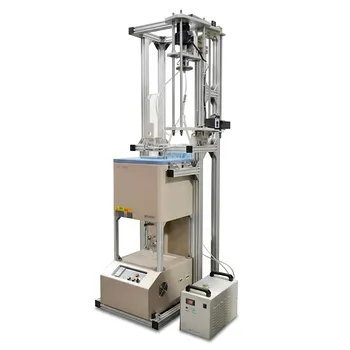
500C Vacuum Vertical Tube Furnace 84mm OD Sample Rotation Lifting System
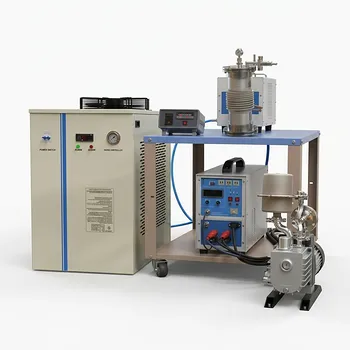
Induction Heating System with Temperature Control for High Temperature Vacuum Sintering and Melting
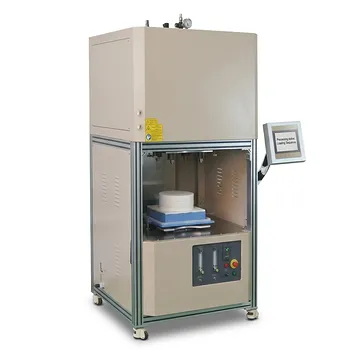
High Temperature Vertical Atmosphere Controlled Furnace with Automatic Bottom Loading and 1700°C Capacity for Advanced Material Research
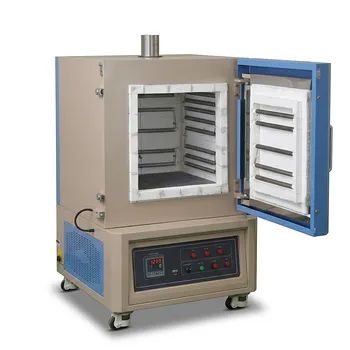
1200C High Temperature 125L Muffle Furnace 5 Side Heating for Large Batch Sintering with Optional Alloy Debinding Chamber
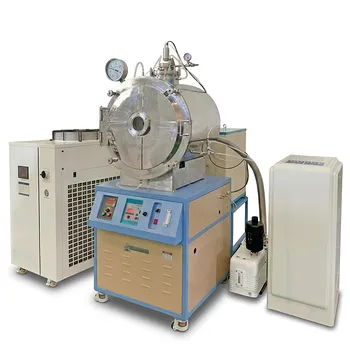
Ultra High Temperature Induction Heated Vacuum Furnace with Molten Salt Electrolysis Capability and 3000 Degree Precision Control
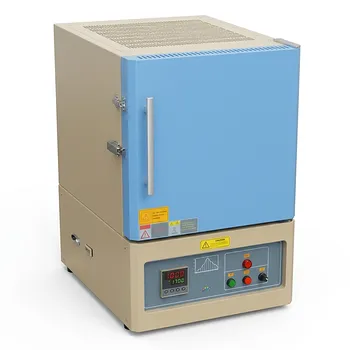
Large Bench Top 1700C High Temperature Muffle Furnace with 19L Chamber for Advanced Material Sintering and Annealing
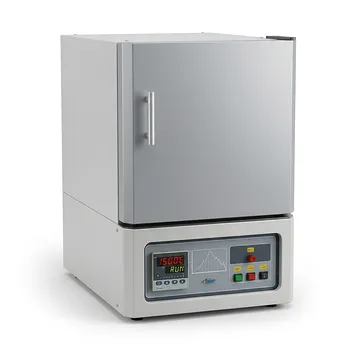
High Temperature 1500C Benchtop Muffle Furnace 3.6L Alumina Fiber Chamber Programmable Controller Sintering Annealing Carbonization Thermal Processing System
