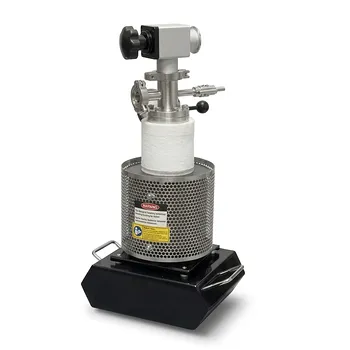
What are the advantages of using vacuum hot pressing for the fabrication of MMC and CMC? Achieve Superior Densification.
Updated 5 months ago
Vacuum hot pressing is a superior fabrication method for Metal Matrix Composites (MMC) and Ceramic Matrix Composites (CMC) because it simultaneously applies heat and axial pressure within a vacuum to achieve full densification. This integrated approach allows materials to bond at lower temperatures than conventional sintering, preserving the structural integrity of reinforcements while preventing oxidation and harmful chemical reactions at the interface.
Core Takeaway: Vacuum hot pressing overcomes the physical and chemical barriers to composite fabrication by using mechanical pressure to force densification and a vacuum environment to ensure pristine, defect-free interfaces between the matrix and reinforcement.
Achieving Superior Density and Structural Integrity
Overcoming Diffusion Barriers
Many composite systems suffer from low diffusion coefficients, making them difficult to bond through heat alone. External axial pressure provides the necessary mechanical force to accelerate plastic flow and diffusion bonding between particles.
Elimination of Internal Porosity
The vacuum environment effectively extracts residual air and adsorbed gases from within the material gaps before pressing. This prevents the formation of gas pore defects, which are common in pressureless casting or sintering and can significantly weaken the final component.
Precision Gap Filling
In systems involving molten matrices, such as aluminum alloys, the mechanical pressing mechanism forces the liquid into the fine gaps of the reinforcement structure. This ensures a tight physical bond and high-density results that are difficult to achieve through simple infiltration.
Preserving Material Chemistry and Microstructure
Inhibition of Grain Growth
The coupling of thermal and mechanical energy reduces the sintering activation energy, allowing for full densification at lower temperatures. By operating at these lower thermal points, the process inhibits abnormal grain growth, resulting in a fine-grained structure with higher mechanical strength.
Controlling Interfacial Reactions
High-performance composites often fail due to brittle phases forming at the interface, such as aluminum carbide in graphite/aluminum composites. Vacuum hot pressing allows for solid-state processing at temperatures low enough to inhibit these harmful chemical reactions while still achieving a secure bond.
Prevention of Oxidation and Decarburization
The high-vacuum environment maintains oxide-free surfaces and prevents the loss of carbon in carbide-based composites. This preservation of alloy chemistry ensures that the finished part meets its designed specifications without the need for post-process cleaning.
Understanding the Trade-offs
Geometry and Complexity Limits
Because the process relies on directional axial pressure applied via a hydraulic system, it is primarily suited for relatively simple shapes like plates, discs, or cylinders. Complex, near-net-shape geometries can be difficult to achieve compared to other methods like injection molding.
Batch Processing Constraints
Vacuum hot pressing is generally a batch process rather than a continuous one, which can lead to higher per-unit costs and longer production cycles. The need to maintain a vacuum and controlled cooling rates (even with gas quenching) limits the throughput speed.
Equipment and Tooling Costs
The requirement for high-precision hydraulic systems, vacuum chambers, and specialized die materials (often graphite) represents a significant capital investment. Maintenance of these systems is also more intensive than that of standard atmospheric furnaces.
How to Apply This to Your Project
Making the Right Choice for Your Goal
- If your primary focus is Maximum Mechanical Strength: Prioritize vacuum hot pressing to achieve a fine-grained microstructure by utilizing the lower required sintering temperatures to inhibit grain growth.
- If your primary focus is Thermal Management: Use this process to maintain the integrity of high-conductivity reinforcements, as the controlled temperature prevents the formation of thermal-barrier brittle phases at the interface.
- If your primary focus is High-Purity Tooling: Leverage the vacuum environment to prevent decarburization and oxidation, ensuring the alloy chemistry remains consistent throughout the entire cross-section.
By integrating atmospheric control with mechanical force, vacuum hot pressing provides the ultimate level of control over the internal architecture and performance of advanced composite materials.
Summary Table:
| Feature | Primary Benefit | Material Impact |
|---|---|---|
| Axial Pressure | Eliminates internal porosity | Full densification and structural integrity |
| Vacuum Environment | Prevents oxidation & gas traps | Pristine, defect-free material interfaces |
| Lower Sintering Temp | Inhibits abnormal grain growth | Fine-grained structure with higher strength |
| Atmospheric Control | Stops harmful chemical reactions | Precise alloy chemistry and bond quality |
Elevate Your Composite Research with THERMUNITS
Are you looking to achieve 100% theoretical density and defect-free interfaces in your next material science project? THERMUNITS is a leading manufacturer of high-performance laboratory equipment tailored for industrial R&D and advanced material fabrication.
Our specialized Vacuum Hot Press Furnaces are engineered to provide the precise temperature and pressure control necessary for superior MMC and CMC production. Beyond hot pressing, we offer a comprehensive range of thermal solutions designed for durability and accuracy, including:
- Muffle, Vacuum, and Atmosphere Furnaces
- Tube, Rotary, and Dental Furnaces
- CVD/PECVD Systems & Electric Rotary Kilns
- Vacuum Induction Melting Furnaces (VIM)
- High-Quality Thermal Elements
Unlock the full potential of your high-temperature heat treatment processes with a partner who understands your technical requirements. Contact our experts at THERMUNITS today to discuss your equipment needs and receive a tailored solution for your laboratory.
Mentioned Products
- Industrial High Temperature Vacuum Hot Press Furnace and Heated Vacuum Press Machine for Material Science Sintering
- Industrial Vacuum Hot Press Furnace Machine and High Temperature Heated Vacuum Press for Advanced Material Sintering
- High Temperature Vacuum Lamination Hot Press Furnace Machine for Semiconductor Wafer Bonding and Advanced Composite Thermal Processing
- 2500C High Vacuum Ultrafast Heating Pellet Press with Automated 8 Sample Loading System
- High Pressure 600T Vacuum Induction Hot Press Furnace for Advanced Material Heat Treatment and Sintering
People Also Ask
- How do vacuum, heat, and pressure work together in a Vacuum Hot Press Furnace? Achieving Near-Theoretical Density
- What are the key technical parameters for operating a Vacuum Hot Press Furnace? Master Heat, Pressure, and Vacuum.
- What microstructural mechanisms lead to material densification in a Vacuum Hot Press Furnace? Master Material Sintering
- What is the standard four-step operating sequence for a Vacuum Hot Press Furnace? Master Material Densification
- What is the role of a vacuum hot press furnace in diffusion bonding? Achieve High-Integrity Solid-State Joints

Tech Team · ThermUnits
Last updated on Apr 14, 2026
Related Products
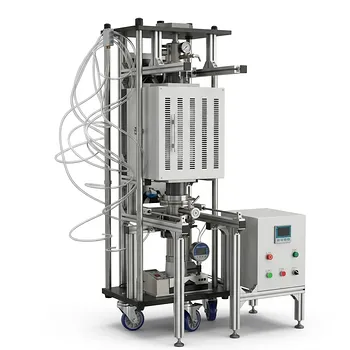
Industrial High Temperature Vacuum Hot Press Furnace and Heated Vacuum Press Machine for Material Science Sintering
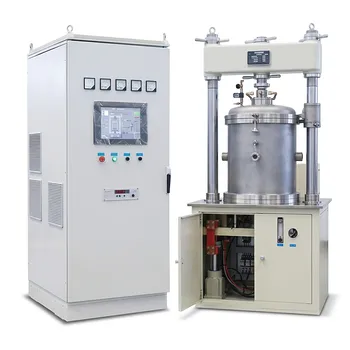
Industrial Vacuum Hot Press Furnace Machine and High Temperature Heated Vacuum Press for Advanced Material Sintering
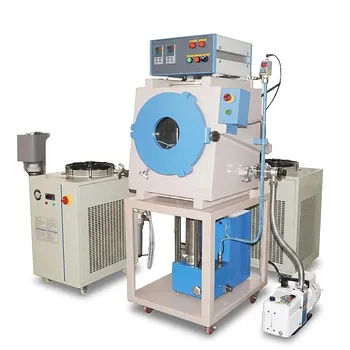
High Temperature Vacuum Lamination Hot Press Furnace Machine for Semiconductor Wafer Bonding and Advanced Composite Thermal Processing
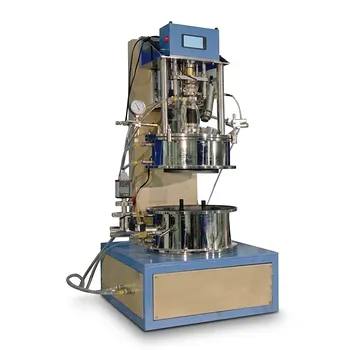
2500C High Vacuum Ultrafast Heating Pellet Press with Automated 8 Sample Loading System
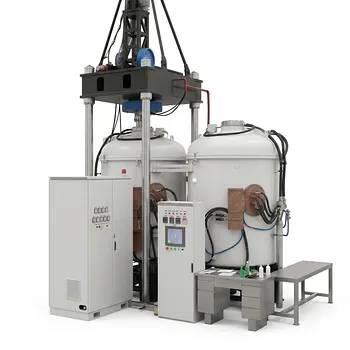
High Pressure 600T Vacuum Induction Hot Press Furnace for Advanced Material Heat Treatment and Sintering
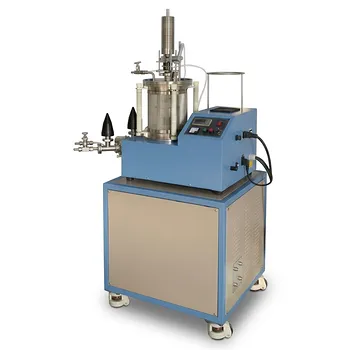
Ultrafast Thermal Pressing Furnace 2900C Max Temperature 200K per Second Heating Rate Vacuum Atmosphere Rapid Processing System
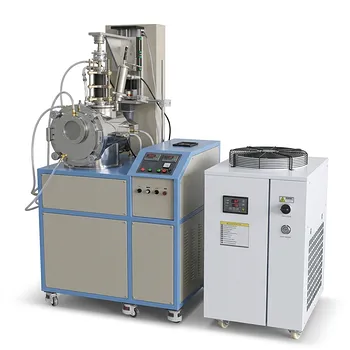
High Temperature Ultrafast Heating Pressing Furnace 2900C Max 100kgf Rapid Thermal Processing System
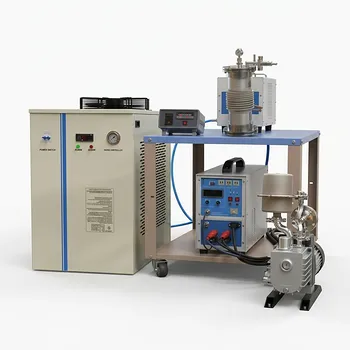
Induction Heating System with Temperature Control for High Temperature Vacuum Sintering and Melting
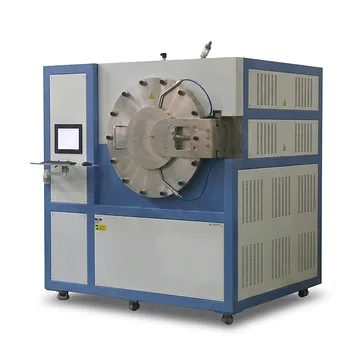
High Vacuum Pressure Chamber Furnace 800C 3.5 Bar Sintering System for Superconducting Materials
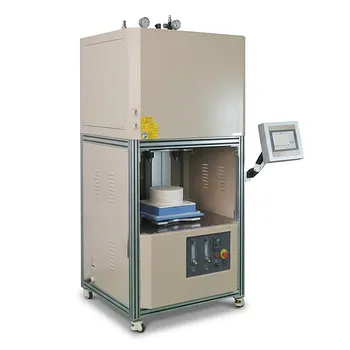
High Temperature Vertical Atmosphere Controlled Furnace 1700C Automatic Bottom Loading 13 Liter Vacuum Thermal System
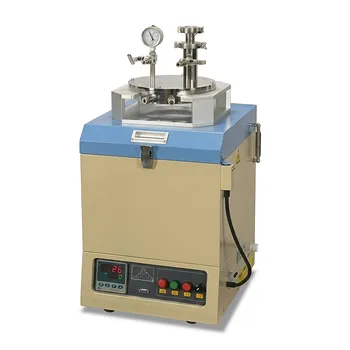
Vertical Vacuum Furnace 1100C High Temperature 8 Inch Quartz Chamber Water Cold Flange System
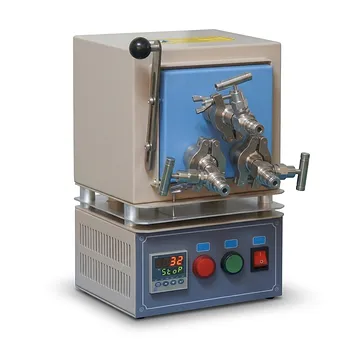
Triple Tube Compact Hybrid Muffle Furnace 1000C High Vacuum Thermal Processing System
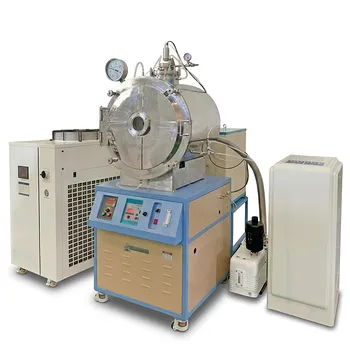
Ultra High Temperature Induction Heated Vacuum Furnace with Molten Salt Electrolysis Capability and 3000 Degree Precision Control
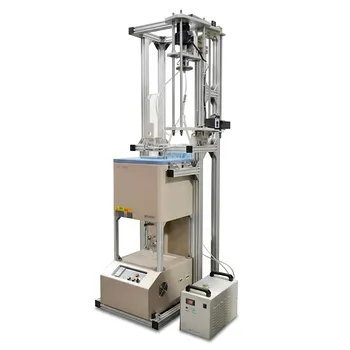
500C Vacuum Vertical Tube Furnace 84mm OD Sample Rotation Lifting System

High Vacuum Compact Tube Furnace 1200C with Integrated Turbo Pump System and 8 Inch Heating Zone
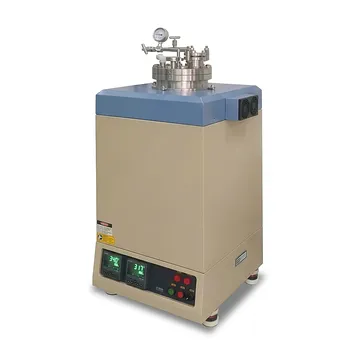
High Temperature 1000C Vacuum Furnace with 8 Inch ID Chamber for Material Sintering and Research Annealing
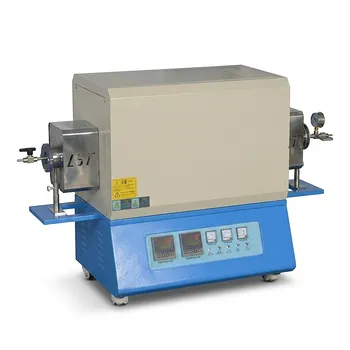
High Temperature Dual Zone Vacuum Tube Furnace for Material Research and CVD Processing
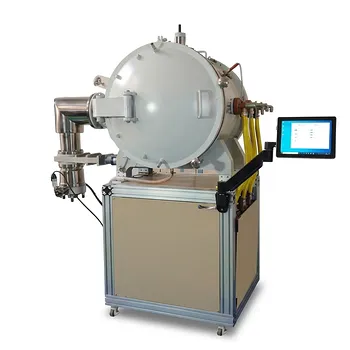
High Temperature Cold Wall Vacuum Furnace for Advanced Material Sintering and Annealing 1600C Heating Area 200x200x300mm
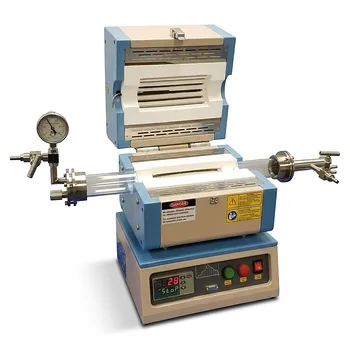
Compact Split Tube Furnace with Integrated Vacuum System and Precision Temperature Calibrator