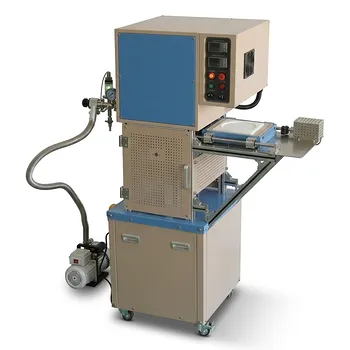
What are the advantages of vacuum sintering in powder metallurgy? Achieve Superior Purity and Near-Theoretical Density
Updated 5 months ago
Vacuum sintering is a transformative process in advanced materials science. By operating in a low-pressure environment, it eliminates atmospheric contaminants to produce high-purity components with near-theoretical density. This method is essential for manufacturing high-performance alloys and ceramics that require exceptional mechanical integrity and precise chemical compositions.
Vacuum sintering removes oxygen and volatile impurities to facilitate superior atomic diffusion and densification. The result is a high-strength, oxide-free component with a homogeneous microstructure that conventional sintering methods cannot achieve.
Enhancing Material Integrity and Microstructure
Prevention of Oxidation and Chemical Degradation
Vacuum environments, often reaching pressures as low as 1.33 x 10⁻² Pa, effectively inhibit oxidation and nitriding during the heating cycle. This is critical for reactive materials like aluminum, chromium, and iron-matrix alloys that would otherwise degrade in the presence of oxygen. By preserving the alloy chemistry, the process ensures that the final product maintains its intended metallurgical properties.
Promotion of High-Density Consolidation
The absence of atmospheric gas allows for more efficient densification, leading to parts with minimal porosity and near-full density. When combined with pressure—as seen in vacuum hot pressing—the process consolidates powders into high-performance tooling in a single step. This high density translates directly into enhanced hardness, wear resistance, and fatigue life.
Facilitating Atomic Diffusion and Phase Purity
A vacuum environment promotes the heterogeneous diffusion of iron, chromium, and carbon atoms. This ensures the uniform distribution of synthesized phases, such as M7C3 and M3C carbides, which are vital for the strength of specialized steels. The removal of residual gases between powder particles allows for purer metallic bonds to form during the sintering process.
Improving Manufacturing Efficiency and Surface Quality
Superior Surface Finish and Cleanliness
Components emerging from a vacuum furnace typically feature bright, oxide-free surfaces that require no post-process cleaning or pickling. This "active" cleaning effect occurs because the vacuum effectively evacuates volatile by-products and binders. This is particularly beneficial for stainless steels and tungsten carbides, where surface integrity is a key requirement.
Controlled Debinding and Volatile Removal
Vacuum sintering allows for highly efficient debinding, preventing common defects such as blistering or residual carbon deposits. By evacuating volatile contaminants at specific temperature stages, the process ensures the internal structure of the material remains pristine. This leads to higher transverse rupture strength compared to traditional press-and-sinter routes.
Precision Through Automated Cycles
Modern vacuum systems utilize computer-controlled cycles to ensure high repeatability and uniform temperature distribution. These systems can also incorporate High-Pressure Gas Quenching (HPGQ), allowing for rapid, controlled cooling within the same chamber. This integration reduces handling and ensures consistent metallurgical results across large production batches.
Understanding the Trade-offs
While vacuum sintering offers significant advantages, it involves higher initial capital investment for specialized furnaces and pumping systems. The process can also be more time-consuming than continuous atmospheric sintering due to the time required to reach deep vacuum levels and the batch-oriented nature of the equipment. Furthermore, certain elements with high vapor pressures may volatilize excessively in a vacuum, requiring the introduction of partial-pressure inert gases to prevent material loss.
How to Apply This to Your Project
Vacuum sintering is a specialized tool that should be selected based on the specific performance requirements of your end product.
- If your primary focus is mechanical durability: Use vacuum sintering to achieve near-full density and high transverse rupture strength, particularly for tooling and wear-resistant parts.
- If your primary focus is chemical purity: Leverage the vacuum environment to prevent decarburization and oxidation in reactive alloys like chromium-bearing steels or aluminum powders.
- If your primary focus is surface aesthetics: Choose this method to produce "bright" parts that eliminate the need for costly post-sintering finishing operations.
By prioritizing the control of the sintering atmosphere, you can unlock the full potential of advanced powder metallurgy to create components that exceed the limitations of traditional manufacturing.
Summary Table:
| Advantage | Key Benefit | Typical Materials |
|---|---|---|
| Oxidation Prevention | Eliminates oxygen/nitrogen to preserve alloy chemistry | Aluminum, Chromium, Iron-matrix alloys |
| High Densification | Minimizes porosity for near-theoretical density and strength | High-performance tooling, wear-resistant parts |
| Superior Surface Finish | Produces bright, oxide-free parts without post-processing | Stainless steels, Tungsten carbides |
| Enhanced Microstructure | Facilitates atomic diffusion and uniform phase distribution | Specialized steels (M7C3, M3C carbides) |
| Efficient Debinding | Removes volatiles to prevent blistering and carbon deposits | Complex powder metal components |
Elevate Your Material Research with THERMUNITS Precision
Are you looking to achieve superior chemical purity and mechanical integrity in your advanced materials? THERMUNITS is a leading manufacturer of high-temperature laboratory equipment tailored for material science and industrial R&D. We provide the high-performance thermal solutions you need to unlock the full potential of vacuum sintering and powder metallurgy.
Our comprehensive product range includes:
- Advanced Furnaces: Vacuum, Muffle, Atmosphere, Tube, Rotary, and Dental Furnaces.
- Specialized Systems: Vacuum Hot Press, CVD/PECVD systems, and Vacuum Induction Melting (VIM) furnaces.
- R&D Essentials: Electric rotary kilns and high-quality thermal elements.
Whether you are developing next-generation alloys or optimizing industrial production, our expert team is ready to provide the precision tools your project demands. Contact THERMUNITS today to discuss your specific heat treatment requirements and discover how our technology can enhance your laboratory's efficiency.
Mentioned Products
- High Vacuum Pressure Chamber Furnace 800C 3.5 Bar Sintering System for Superconducting Materials
- Industrial High Temperature Vacuum Hot Press Furnace and Heated Vacuum Press Machine for Material Science Sintering
- Vacuum Dental Porcelain Sintering Furnace for High Precision Ceramic Restorations
- High Temperature 1000C Vacuum Furnace with 8 Inch ID Chamber for Material Sintering and Research Annealing
- Industrial Vacuum Hot Press Furnace Machine and High Temperature Heated Vacuum Press for Advanced Material Sintering
People Also Ask
- How does a vacuum or atmosphere sintering furnace contribute to the congener-welding process of carbon nitride membranes?
- What Role Does a Vacuum Sintering Furnace Play in Ni-Mn-Ga Alloy Fabrication? Optimizing Porous Structures
- Why must MoS2 samples undergo high vacuum dehydration? Key to a-IGZO Heterojunction Stability
- How does vacuum hot pressing improve the quality of sputtering targets? Achieve High Density & Purity for Thin-Films
- What role does a high-vacuum tube sintering furnace play in NAB composites? Enhance Density and Phase Control.

Tech Team · ThermUnits
Last updated on Apr 14, 2026
Related Products
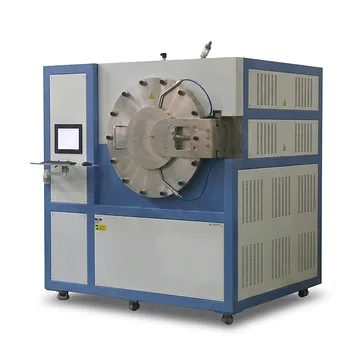
High Vacuum Pressure Chamber Furnace 800C 3.5 Bar Sintering System for Superconducting Materials
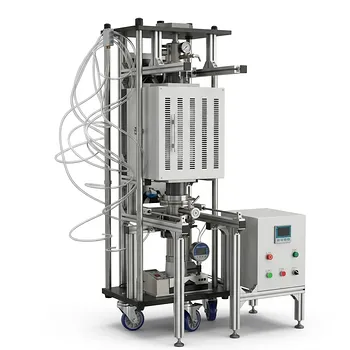
Industrial High Temperature Vacuum Hot Press Furnace and Heated Vacuum Press Machine for Material Science Sintering
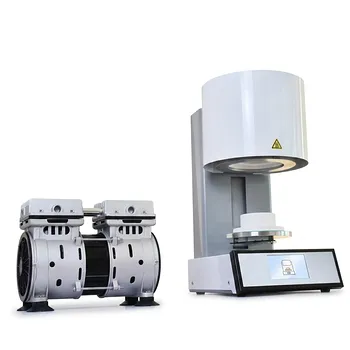
Vacuum Dental Porcelain Sintering Furnace for High Precision Ceramic Restorations
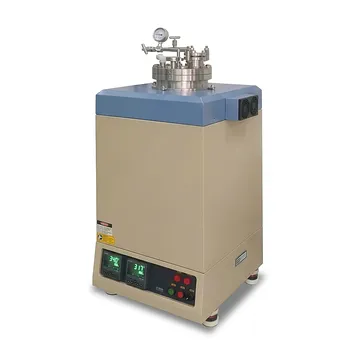
High Temperature 1000C Vacuum Furnace with 8 Inch ID Chamber for Material Sintering and Research Annealing
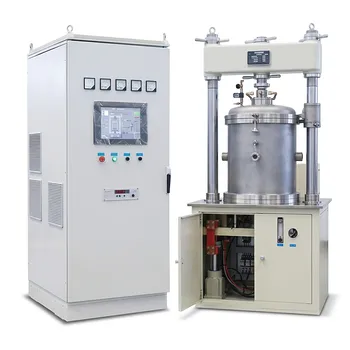
Industrial Vacuum Hot Press Furnace Machine and High Temperature Heated Vacuum Press for Advanced Material Sintering
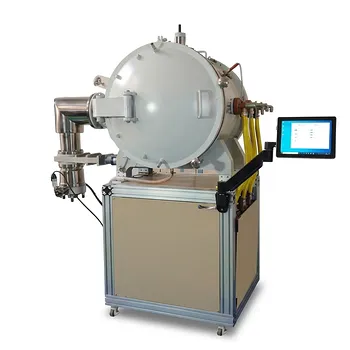
High Temperature Cold Wall Vacuum Furnace for Advanced Material Sintering and Annealing 1600C Heating Area 200x200x300mm
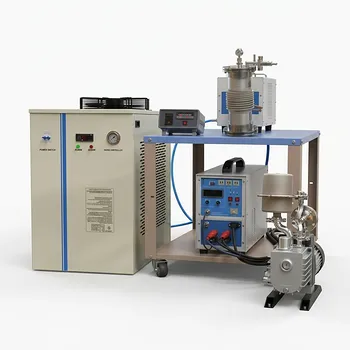
Induction Heating System with Temperature Control for High Temperature Vacuum Sintering and Melting
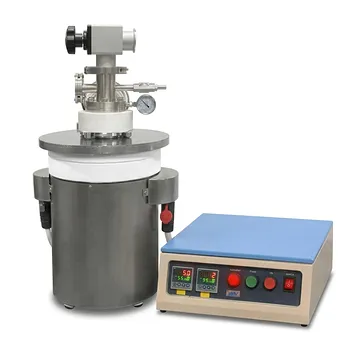
1100C High Temperature Vacuum Crucible Furnace with Quartz Chamber for Thermal Processing and Sintering
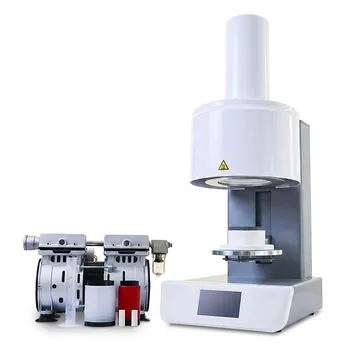
Dental Porcelain Zirconia Sintering Ceramic Vacuum Press Furnace
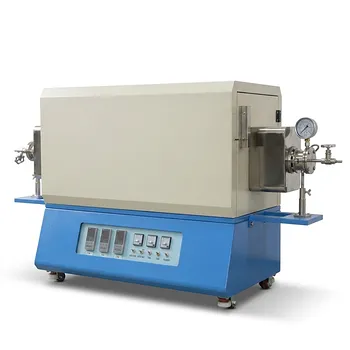
Three Temperature Zone High Temperature Vacuum Tube Furnace for CVD and Material Sintering
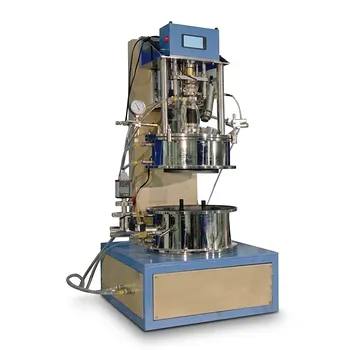
2500C High Vacuum Ultrafast Heating Pellet Press with Automated 8 Sample Loading System
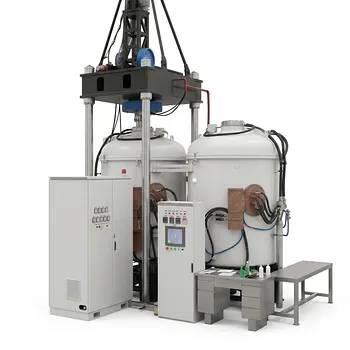
High Pressure 600T Vacuum Induction Hot Press Furnace for Advanced Material Heat Treatment and Sintering

High Temperature 1700C Vertical Tube Furnace for Powder Spherification and Material Sintering
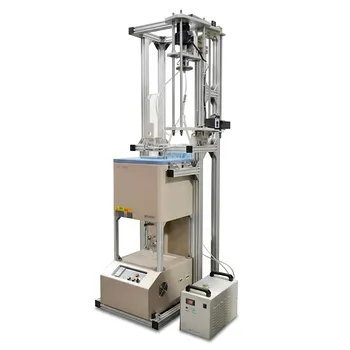
500C Vacuum Vertical Tube Furnace 84mm OD Sample Rotation Lifting System
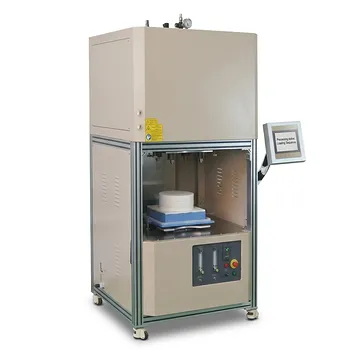
High Temperature Vertical Atmosphere Controlled Furnace with Automatic Bottom Loading and 1700°C Capacity for Advanced Material Research
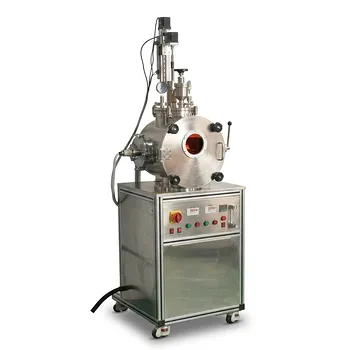
High Vacuum Melting Casting Furnace with Mechanical Stirring and Secondary Charge for Metallic Alloy Research
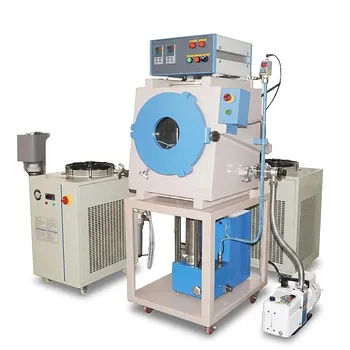
High Temperature Vacuum Lamination Hot Press Furnace Machine for Semiconductor Wafer Bonding and Advanced Composite Thermal Processing
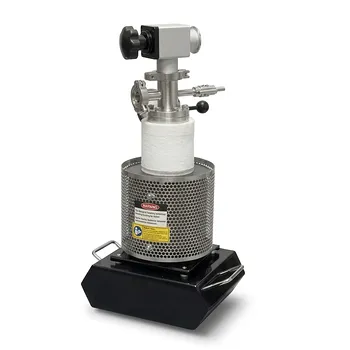
High Temperature 1100C Compact Top Loading Vertical Vacuum Tube Furnace for High Vacuum Noble Metal Melting and Material Research
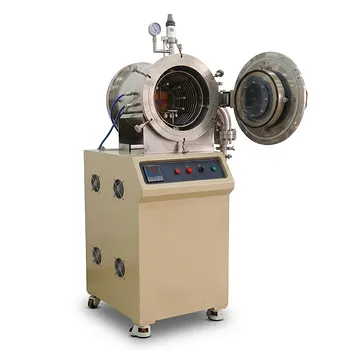
High Temperature Cold Wall High Vacuum Chamber Furnace 1400C for Advanced Material Processing