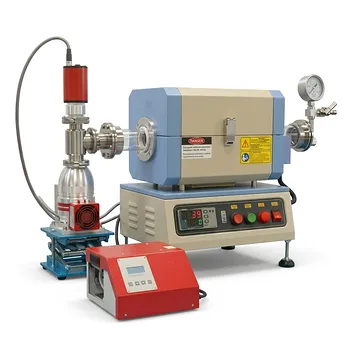
How does vacuum hot pressing benefit the production of powder metallurgy tools and hard metals? Maximize Tool Integrity
Updated 5 months ago
Vacuum hot pressing transforms powder metallurgy by simultaneously applying high axial pressure and intense heat within a controlled vacuum environment. This dual-action process consolidates metal and carbide powders into high-performance tools with near-theoretical density and superior mechanical properties. By merging sintering and densification into a single step, it eliminates the need for chemical binders and multiple re-pressing cycles, ensuring a cleaner, more efficient production route.
Core Takeaway: Vacuum hot pressing is the definitive method for producing ultra-dense, high-purity hard metals. It leverages a vacuum atmosphere and mechanical pressure to bypass the limitations of conventional sintering, resulting in tools with exceptional fatigue resistance and structural integrity.
Enhancing Material Integrity and Performance
Eliminating Porosity and Maximizing Density
The simultaneous application of high temperature and mechanical pressure—often exceeding 50 to 100 MPa—forces powder particles into intimate contact. This process promotes plastic deformation and diffusion bonding, effectively crushing internal pores that would otherwise remain in pressureless sintering. Achieving this near-full density is critical for ensuring that hard metals reach their intrinsic limits for electrical conductivity and mechanical strength.
Preserving Chemical Purity and Surface Integrity
The vacuum environment acts as a protective shield, preventing oxidation, decarburization, and nitriding during the high-heat phase. This preserves the precise alloy chemistry and ensures that the finished tool surfaces remain bright and oxide-free. By evacuating volatile by-products, the process also prevents defects like blistering or residual carbon trapped within the material matrix.
Optimizing Microstructure and Strength
Because the mechanical pressure accelerates densification, the required sintering temperatures and durations are significantly reduced. This "fast-track" consolidation prevents excessive grain growth, resulting in a fine, homogeneous microstructure. For the end user, this translates to significantly higher transverse rupture strength and enhanced fatigue resistance compared to conventional manufacturing routes.
Operational Efficiency and Geometric Precision
Streamlining the Manufacturing Workflow
Vacuum hot pressing consolidates powders in a single step, removing the logistical burden of separate debinding and re-pressing operations. This efficiency is particularly valuable for complex systems like high-entropy alloys, where maintaining a uniform distribution of elements is difficult. The ability to produce near-net-shape parts directly from powder reduces the reliance on expensive downstream processes.
Reducing Post-Process Costs
Hard metals and powder metallurgy tools are notoriously difficult to machine once hardened. By achieving precise shapes during the hot-pressing stage, manufacturers drastically reduce the need for diamond machining and other intensive finishing steps. Furthermore, the oxide-free surfaces produced in the vacuum often require no post-process cleaning, further lowering total production costs.
Overcoming Low Diffusion Coefficients
Many advanced composite systems possess low diffusion coefficients, making them resistant to traditional sintering methods. The external pressure applied during vacuum hot pressing overcomes these atomic-level barriers, ensuring strong interfacial bonding. This is essential for creating tailored microstructures where reinforcements must be distributed uniformly without damaging fibers or sensitive components.
Understanding the Trade-offs
High Initial Capital and Operating Costs
The specialized equipment required for vacuum hot pressing—including high-vacuum pumps and precision hydraulic systems—represents a significant upfront investment. Additionally, the process is typically performed in batches rather than a continuous flow, which may limit throughput for high-volume, low-margin components.
Geometric and Tooling Limitations
The process relies on uniaxial pressure, meaning the force is applied in one direction. This limits the complexity of the shapes that can be produced compared to methods like Isostatic Pressing. Furthermore, the molds and dies used must be able to withstand simultaneous high heat and high pressure, often requiring expensive materials like high-density graphite.
How to Apply This to Your Project
Choosing the Right Path for Your Tooling Needs
The decision to utilize vacuum hot pressing should be driven by the specific performance requirements of your final component and the nature of the raw materials.
- If your primary focus is maximum mechanical durability: Vacuum hot pressing is the gold standard for achieving the high density and fine grain size necessary for extreme fatigue resistance.
- If your primary focus is chemical purity in sensitive alloys: Use the vacuum environment to prevent decarburization and ensure an oxide-free finish that requires minimal post-processing.
- If your primary focus is producing complex, non-axial geometries: You may need to explore alternative densification methods or plan for additional machining, as uniaxial hot pressing excels primarily in simpler or near-net-shape forms.
By integrating heat and pressure within a vacuum, you secure the highest level of metallurgical consistency and material performance available in modern powder metallurgy.
Summary Table:
| Benefit | Impact on Material | Industrial Advantage |
|---|---|---|
| High Densification | Eliminates internal porosity (near-theoretical density) | Superior mechanical strength & conductivity |
| Vacuum Environment | Prevents oxidation, decarburization, and nitriding | Preserves alloy chemistry & bright surface finish |
| Microstructure Control | Reduces grain growth via lower temps/shorter cycles | Enhanced fatigue & transverse rupture strength |
| Process Efficiency | Single-step consolidation (no debinding/re-pressing) | Near-net-shape production & lower finishing costs |
Elevate Your Material Research with THERMUNITS
Are you looking to achieve near-theoretical density and exceptional purity in your hard metal production? THERMUNITS is a leading manufacturer of high-temperature laboratory equipment, specialized in empowering material science and industrial R&D.
Our advanced Hot Press furnaces are engineered to streamline your workflow by combining intense heat and precise mechanical pressure in a controlled vacuum. Beyond hot pressing, we offer a comprehensive range of thermal solutions, including:
- Muffle, Vacuum, Atmosphere, and Tube Furnaces
- Rotary & Electric Rotary Kilns
- CVD/PECVD Systems
- Vacuum Induction Melting (VIM) Furnaces
- Dental Furnaces and High-Quality Thermal Elements
Let our experts help you select the ideal heat treatment equipment to optimize your results. Contact us today to discuss your project requirements!
Mentioned Products
- High Temperature Vacuum Lamination Hot Press Furnace Machine for Semiconductor Wafer Bonding and Advanced Composite Thermal Processing
- Industrial Vacuum Hot Press Furnace Machine and High Temperature Heated Vacuum Press for Advanced Material Sintering
- Industrial High Temperature Vacuum Hot Press Furnace and Heated Vacuum Press Machine for Material Science Sintering
- High Pressure 600T Vacuum Induction Hot Press Furnace for Advanced Material Heat Treatment and Sintering
- 2500C High Vacuum Ultrafast Heating Pellet Press with Automated 8 Sample Loading System
People Also Ask
- What types of heating systems and insulation are used in Vacuum Hot Press Furnaces? Optimize Your Thermal Processing
- What is a Vacuum Hot Press Furnace and what are its primary industrial applications? Achieve Maximum Material Density
- What are the structural features of the furnace body and chamber in a Vacuum Hot Press Furnace? Master Material Density
- Why is graphite the preferred material for dies and heating elements in Vacuum Hot Press Furnaces? High-Temp Solutions
- What are the primary operational components and mechanisms of a vacuum hot press furnace? A Technical Breakdown

Tech Team · ThermUnits
Last updated on Apr 14, 2026
Related Products
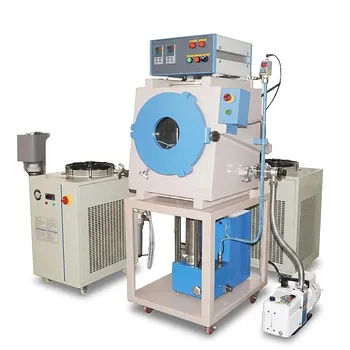
High Temperature Vacuum Lamination Hot Press Furnace Machine for Semiconductor Wafer Bonding and Advanced Composite Thermal Processing
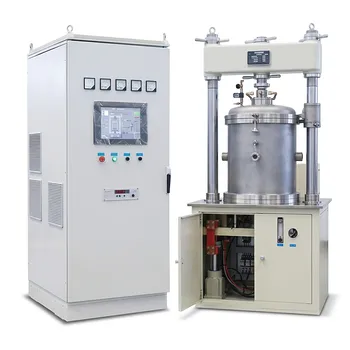
Industrial Vacuum Hot Press Furnace Machine and High Temperature Heated Vacuum Press for Advanced Material Sintering
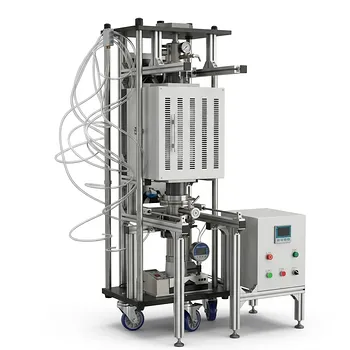
Industrial High Temperature Vacuum Hot Press Furnace and Heated Vacuum Press Machine for Material Science Sintering
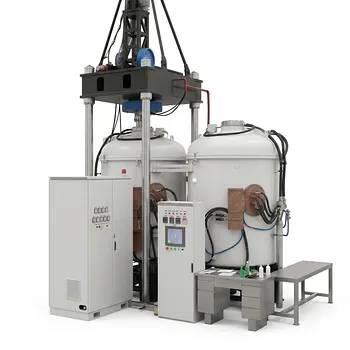
High Pressure 600T Vacuum Induction Hot Press Furnace for Advanced Material Heat Treatment and Sintering
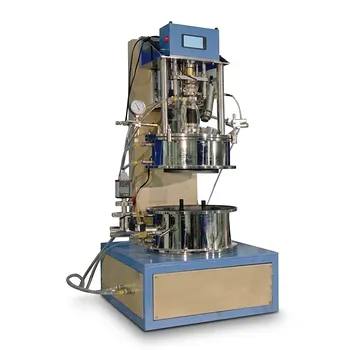
2500C High Vacuum Ultrafast Heating Pellet Press with Automated 8 Sample Loading System
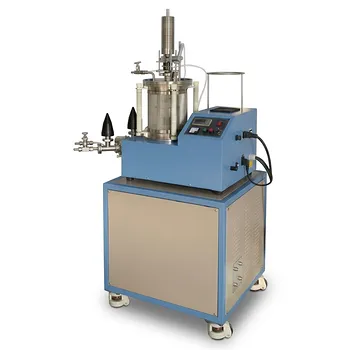
Ultrafast Thermal Pressing Furnace 2900C Max Temperature 200K per Second Heating Rate Vacuum Atmosphere Rapid Processing System
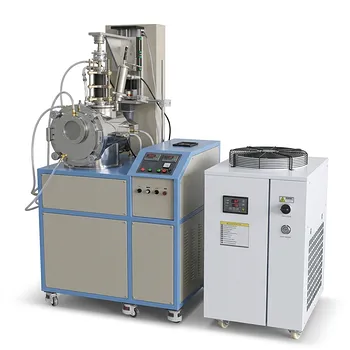
High Temperature Ultrafast Heating Pressing Furnace 2900C Max 100kgf Rapid Thermal Processing System
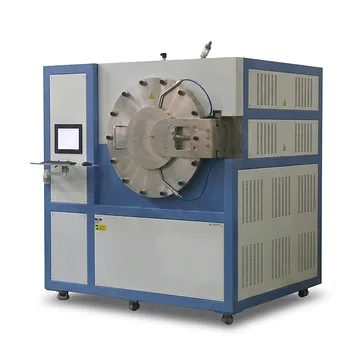
High Vacuum Pressure Chamber Furnace 800C 3.5 Bar Sintering System for Superconducting Materials
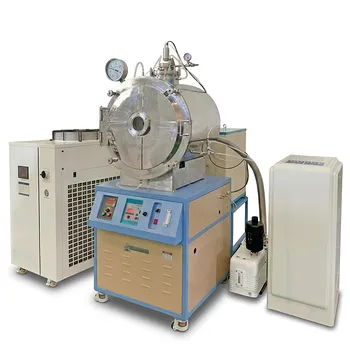
Ultra High Temperature Induction Heated Vacuum Furnace with Molten Salt Electrolysis Capability and 3000 Degree Precision Control
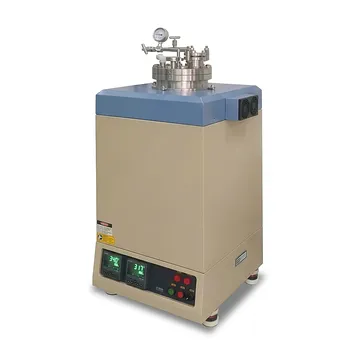
High Temperature 1000C Vacuum Furnace with 8 Inch ID Chamber for Material Sintering and Research Annealing
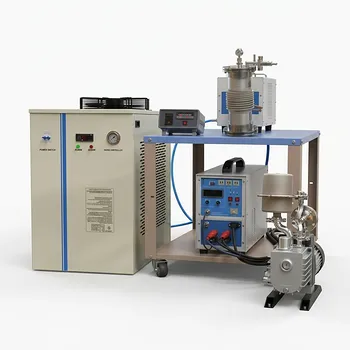
Induction Heating System with Temperature Control for High Temperature Vacuum Sintering and Melting
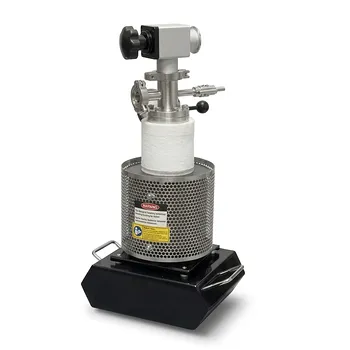
High Temperature 1100C Compact Top Loading Vertical Vacuum Tube Furnace for High Vacuum Noble Metal Melting and Material Research
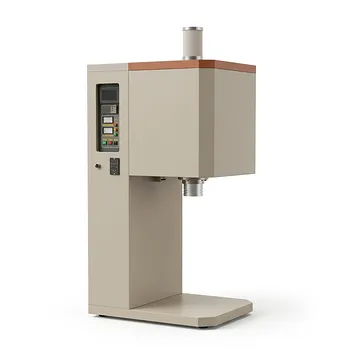
Vertical Openable Tube Furnace 0-1700c High Temperature Laboratory System for CVD and Vacuum Heat Treatment
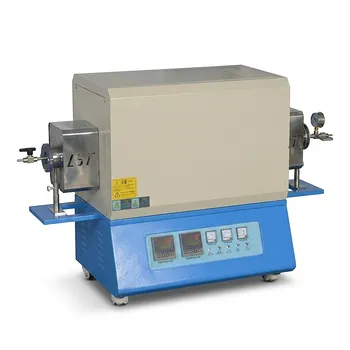
High Temperature Dual Zone Vacuum Tube Furnace for Material Research and CVD Processing
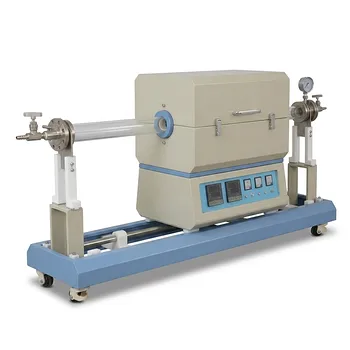
Double Zone Fast Heating Tube Furnace High Temperature Vacuum Atmosphere System
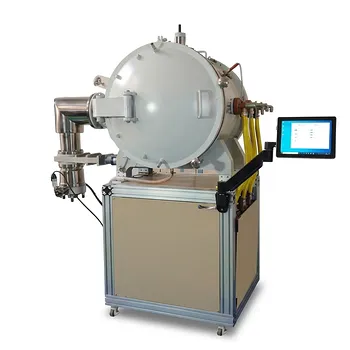
High Temperature Cold Wall Vacuum Furnace for Advanced Material Sintering and Annealing 1600C Heating Area 200x200x300mm
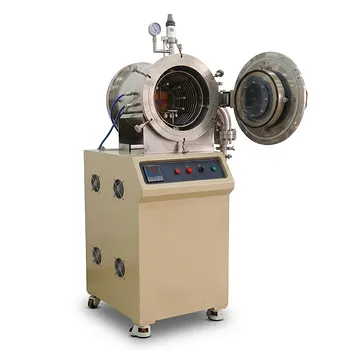
High Temperature Cold Wall High Vacuum Chamber Furnace 1400C for Advanced Material Processing
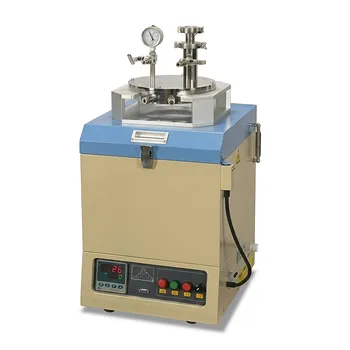
Vertical Vacuum Furnace 1100C High Temperature 8 Inch Quartz Chamber Water Cold Flange System
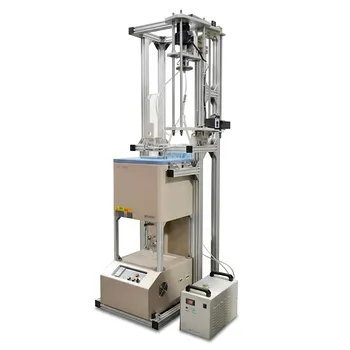
500C Vacuum Vertical Tube Furnace 84mm OD Sample Rotation Lifting System