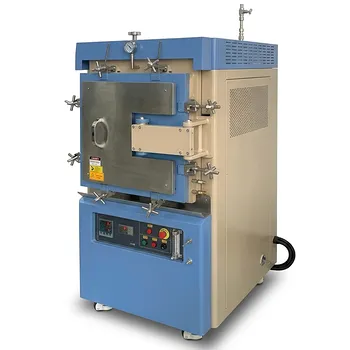
How is a box resistance furnace utilized in the red hardness testing of modified high-speed steel? Precision Heat Simulation
Updated 3 months ago
A box resistance furnace serves as the critical thermal environment for simulating the extreme operational conditions required to evaluate the red hardness of modified high-speed steel. It subjects steel specimens to controlled, cyclic heating—typically around 600°C—to measure the material's ability to retain its mechanical hardness and structural integrity after prolonged exposure to the heat generated during high-speed cutting.
Core Takeaway: The box resistance furnace provides the high-precision thermal stability and uniform heat distribution necessary to accurately assess a material's resistance to softening and carbide coarsening. It is the definitive tool for verifying if a modified high-speed steel can maintain its "red hardness" during real-world industrial applications.
Simulating High-Temperature Cutting Environments
Replicating Operational Thermal Stress
High-speed steel tools generate significant heat through friction during metalworking, often reaching temperatures near 600°C. The box resistance furnace replicates this environment by providing a stable chamber where specimens can be held at these precise temperatures for extended periods.
Executing Cyclic Heating Protocols
To test "red hardness," researchers perform multiple cycles of heating and insulation within the furnace. This repetitive thermal loading reveals how the modified steel's microstructure reacts to the intermittent heat cycles common in industrial machining.
Ensuring Thermal Uniformity
Precision is the hallmark of a high-quality box resistance furnace. Its ability to maintain a uniform heat distribution ensures that the entire steel specimen reaches the target temperature simultaneously, preventing localized data errors that could misrepresent the material’s true performance.
Evaluating Microstructural Stability
Monitoring Secondary Hardening Performance
Modified high-speed steels rely on a phenomenon called secondary hardening to maintain their edge. The furnace environment allows researchers to observe whether the steel retains this hardness or if the tempering effect of high heat causes the material to soften prematurely.
Analyzing Carbide Coarsening
Under extreme heat, the carbides within steel can begin to coarsen, which significantly degrades cutting performance. The controlled thermodynamic environment of the furnace allows for the study of structural stability, ensuring the modified alloy's particles remain finely dispersed.
Preparing the Material for Testing
Before red hardness testing, the furnace is often used for austenitization at higher temperatures, such as 900°C. This step refines the grain structure and eliminates rolling stresses, providing a clean baseline for the subsequent hardness evaluation.
Understanding the Trade-offs
Static vs. Dynamic Simulation
While a box resistance furnace is excellent for simulating temperature, it provides a static thermal environment. It cannot replicate the mechanical shear or the localized, high-pressure friction that occurs at the precise point of a tool's cutting edge.
The Risk of Surface Oxidation
Extended heating periods, sometimes lasting hundreds of hours in simulated long-term tests, can lead to surface oxidation. If the furnace atmosphere is not controlled (e.g., using inert gas), the resulting "scale" on the steel can interfere with subsequent hardness measurements.
Precision Calibration Requirements
The validity of red hardness data depends entirely on the temperature control precision. Even a minor deviation in the furnace's internal thermocouple can lead to an incorrect assessment of the steel's thermal limits.
How to Apply This to Your Project
When utilizing a box resistance furnace for material verification, your approach should vary based on your specific metallurgical goals.
- If your primary focus is industrial tool longevity: Prioritize multiple short-duration heating cycles at 600°C to simulate the start-stop nature of factory machining.
- If your primary focus is alloy development and grain refinement: Focus on the high-temperature pre-treatment phase at 900°C to ensure complete austenitization before testing red hardness.
- If your primary focus is extreme environment simulation: Utilize the furnace for extended, constant-temperature "soak" periods to determine the kinetic curves of oxidation and hardness decay over hundreds of hours.
By accurately controlling the thermal field, you transform a box resistance furnace from a simple heater into a sophisticated diagnostic tool for material science.
Summary Table:
| Testing Phase | Process Condition | Primary Objective |
|---|---|---|
| Austenitization | High Temperature (~900°C) | Refine grain structure and eliminate rolling stresses. |
| Red Hardness Test | Cyclic Heating (~600°C) | Measure hardness retention and resistance to softening. |
| Microstructural Study | Prolonged Insulation | Analyze carbide coarsening and secondary hardening stability. |
| Environment Control | Static/Inert Atmosphere | Minimize surface oxidation during long-duration thermal stress. |
Elevate Your Material Research with THERMUNITS
As a global leader in high-temperature laboratory equipment, THERMUNITS provides the precision and reliability essential for advanced metallurgical R&D. Our comprehensive range of thermal solutions—including Muffle, Vacuum, Atmosphere, Tube, and Rotary furnaces, as well as CVD/PECVD systems and Vacuum Induction Melting (VIM) furnaces—is engineered to meet the rigorous demands of material science professionals.
Whether you are verifying the red hardness of high-speed steel or developing next-generation alloys, our equipment ensures uniform heat distribution and superior temperature control.
Ready to optimize your heat treatment protocols?
Contact our expert team today to discuss how our high-performance furnaces can enhance your laboratory’s efficiency and accuracy.
References
- Lina Bai, Jie Liu. Effect of In Situ NbC-Cr7C3@graphene/Fe Nanocomposite Inoculant Modification and Refinement on the Microstructure and Properties of W18Cr4V High-Speed Steel. DOI: 10.3390/ma17050976
Mentioned Products
- 1400C Bottom Loaded Inert Gas Atmosphere Box Furnace with 125L Capacity and Precision Hydraulic Lift
- High Throughput Four Channel Box Furnace 1500C Max Independent Temperature Control Material Research Sintering System
- 1250 C Compact Vertical Box Furnace for Glovebox Material Research Air Sensitive Samples
- 1200C Hydrogen Atmosphere Box Furnace with 5 Heated Sides and 64L Chamber
- Bottom Loaded Inert Gas Atmosphere Box Furnace 1700C 1300C 216L Large Capacity Industrial Thermal Processing System
People Also Ask
- How does a box atmosphere furnace contribute to the pre-oxidation of MS-SOECs? Enhance Durability & Efficiency.
- How does a programmable Box Furnace facilitate the curing of silver inks? Expert Thermal Control for Silicon Substrates
- How does a box furnace facilitate the conversion of precursors in catalyst impregnation processes? Master Calcination
- How are electric heating elements designed to operate within carburizing atmospheres? Top Design Strategies Revealed
- What types of sealing systems are employed in atmosphere furnaces to ensure atmosphere integrity? Top Sealing Solutions

Tech Team · ThermUnits
Last updated on Jun 03, 2026
Related Products
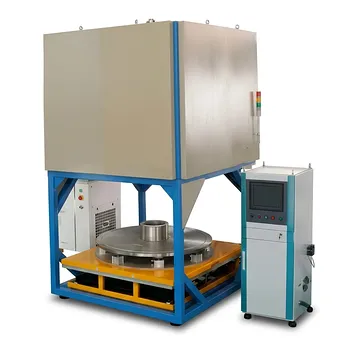
1400C Bottom Loaded Inert Gas Atmosphere Box Furnace with 125L Capacity and Precision Hydraulic Lift
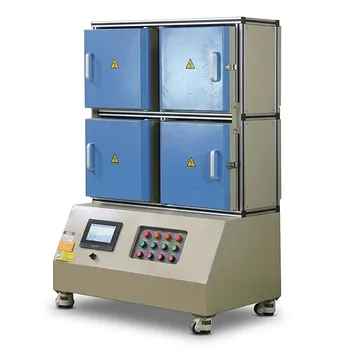
High Throughput Four Channel Box Furnace 1500C Max Independent Temperature Control Material Research Sintering System
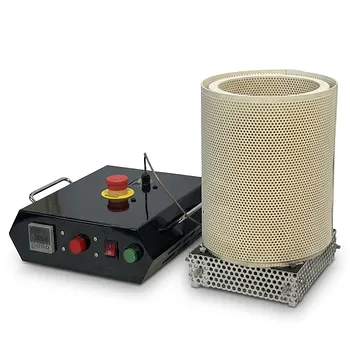
1250 C Compact Vertical Box Furnace for Glovebox Material Research Air Sensitive Samples
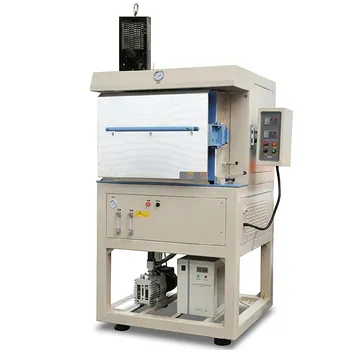
1200C Hydrogen Atmosphere Box Furnace with 5 Heated Sides and 64L Chamber
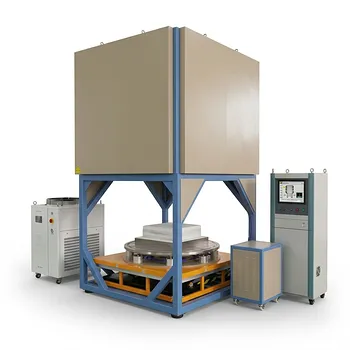
Bottom Loaded Inert Gas Atmosphere Box Furnace 1700C 1300C 216L Large Capacity Industrial Thermal Processing System
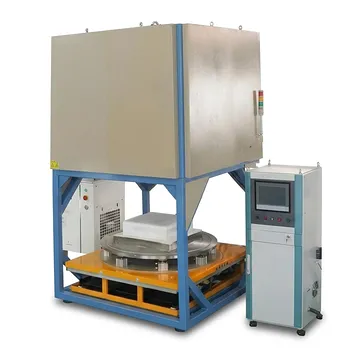
Bottom Loaded Inert Gas Atmosphere Box Furnace 1400C Maximum Temperature 125L High Capacity Laboratory Heat Treatment System
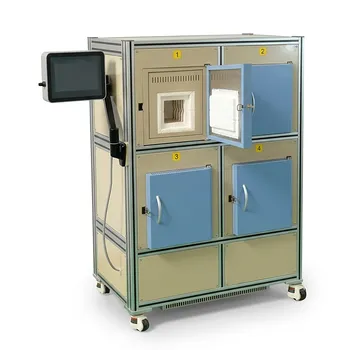
High Temperature Four Chamber Box Furnace for High Throughput Materials Research and Space Saving Thermal Processing
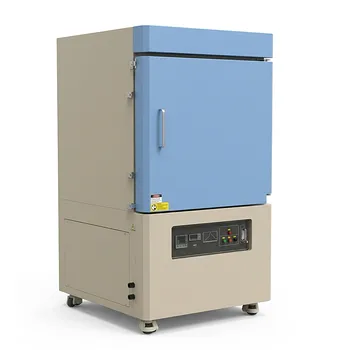
Industrial Large Box Furnace 1700C 216L High Temp Muffle Sintering System
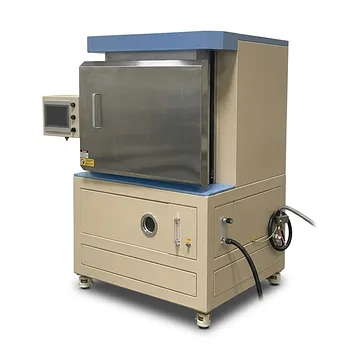
1650C High Temperature Atmosphere Controlled Box Furnace with 65L Chamber for Advanced Material Sintering and Industrial Heat Treatment
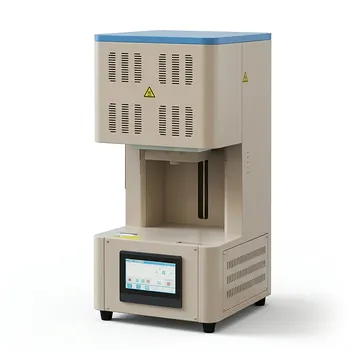
Automated 1700C High Temperature Bottom Loading Box Furnace with PC Software Control and Robotic Integration Capability
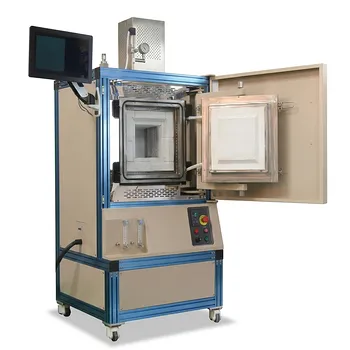
High Temperature Hydrogen Atmosphere Box Furnace 1650C Max Reducing Environment Material Synthesis System 8x8x8 Chamber
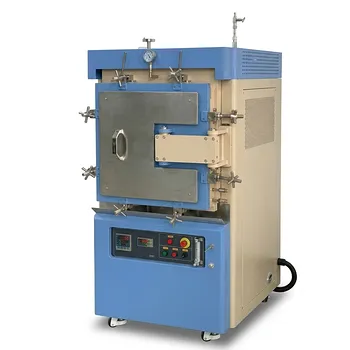
High Temperature Economic Hydrogen Gas Box Furnace 1600C Atmosphere Controlled Thermal Processing System 65L Capacity
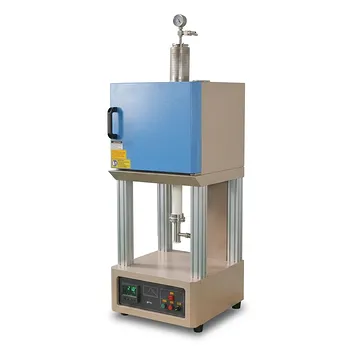
Hybrid High Temperature Tube and Box Furnace 1700C with 2 Inch Alumina Tube for Material Research
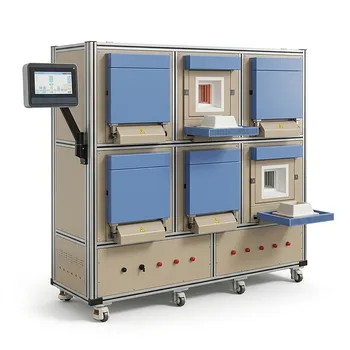
High Temperature 1700℃ Eight Chamber Box Furnace with Automatic Doors for Autonomous Material Research and High Throughput Heat Treatment
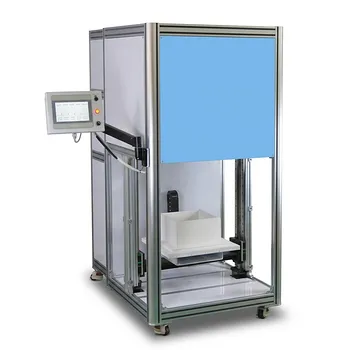
High Temperature 1600°C Three Zone Heated Bottom Loading Box Furnace with Rapid Thermal Processing Chamber 72L Volume
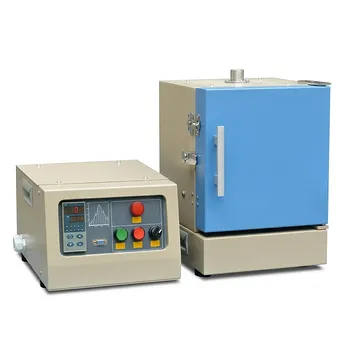
1200C Small Box Muffle Furnace with Separated Programmable Controller and 4.2L Alumina Fiber Chamber
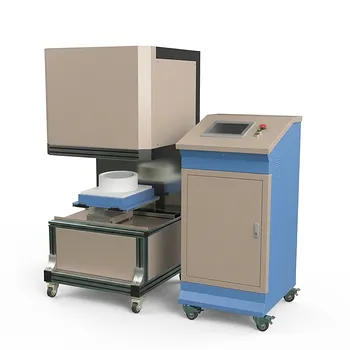
High Temperature Bottom Loading Box Furnace for Rapid Thermal Processing 1700C 40L Capacity
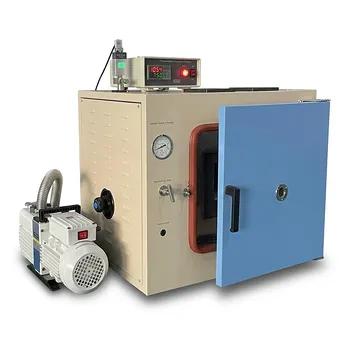
Compact High Vacuum Box Furnace 1050C Max 6.2L Ceramic Chamber Stainless Steel Shell Programmable Temperature Controller for Material Science Research
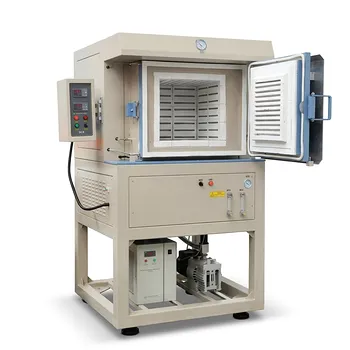
1200°C Five Side Heating Atmosphere Controlled Muffle Furnace 64 Liter High Uniformity Box Furnace for Material Synthesis