What types of sealing systems are employed in atmosphere furnaces to ensure atmosphere integrity? Top Sealing Solutions
Updated 5 months ago
Ensuring atmosphere integrity in industrial furnaces requires a multi-layered approach to sealing technology. These systems, ranging from liquid barriers like oil to mechanical compression flanges and specialized dual-door vestibules, are designed to prevent oxygen ingress while maintaining internal gas purity. By utilizing specific seals such as gravity-tilted surfaces and sand barriers, operators can sustain the precise chemical environments necessary for advanced thermal processing.
The core of atmosphere integrity lies in creating a reliable barrier that accounts for thermal expansion and material movement. Effective sealing is achieved by matching the specific mechanical interface—whether a door, a removable panel, or a stationary flange—with a sealing medium that handles the furnace's operating temperature and pressure.
Mechanical and Physical Barrier Systems
Sand Seals and Gravity-Tilted Mechanisms
Sand seals provide a simple yet effective physical barrier, often used at the base of bell-type or car-bottom furnaces. The weight of the furnace components presses into a trough of fine sand to create a labyrinth-style resistance against gas escape.
Gravity-tilted seals utilize a specific physical geometry to maintain a tight fit. These systems typically feature a 3-7 degree incline, allowing the weight of the door or seal component to naturally "seat" itself against the mating surface, ensuring a constant pressure without complex powered actuators.
Compression Flanges and Removable Panels
Compression flanges are used for semi-permanent connections where high-pressure integrity is required. These involve bolting two surfaces together with a deformable medium between them to fill microscopic gaps in the metal.
For removable panels, sealing often requires more flexible or adhesive materials. Historically, materials like asbestos rope or water glass (sodium silicate) have been used to fill seams and prevent leaks in areas that must be accessed for maintenance.
Liquid Barriers and Thermal Protection
Oil Seals for High-Purity Environments
Oil seals provide one of the most effective gas-tight barriers available for atmosphere furnaces. By submerging the sealing lip of a moving component into a trough of specialized oil, the furnace creates a complete liquid lock that prevents any air from migrating into the chamber.
Water-Cooled Gaskets
High temperatures can quickly degrade standard sealing materials like rubber or synthetic polymers. Water-cooled gaskets incorporate internal cooling channels that protect the seal's structural integrity, allowing the use of high-performance elastomers even in close proximity to the heating zone.
Structural Isolation and Vestibules
Dual-Door Vestibule Systems
To maintain integrity during the loading and unloading process, many furnaces employ dual-door systems. These feature front and back vestibules or pre-chambers that act as an airlock for the main heating zone.
Atmosphere Protection During Transfer
When a part is moved into the furnace, the outer door closes and the vestibule is purged of air before the inner door opens. This ensures the main heating chamber is never directly exposed to the ambient atmosphere, preventing contamination and thermal shock.
Understanding the Trade-offs
Maintenance vs. Integrity
While oil seals offer superior gas-tight performance, they require significant maintenance to prevent oil contamination and ensure levels remain consistent. Conversely, sand seals are virtually maintenance-free but offer lower resistance to pressure fluctuations within the furnace.
Material Safety and Modern Constraints
The use of asbestos rope in legacy systems presents significant health and safety risks. Modern facilities often replace these with ceramic fiber ropes, which provide similar heat resistance without the associated respiratory hazards.
Mechanical Complexity
Dual-door vestibules provide the highest level of atmosphere protection but significantly increase the mechanical complexity and footprint of the furnace. These systems require precise timing and interlocks to prevent both doors from opening simultaneously, which would compromise the entire batch.
Selecting the Right Sealing Strategy
When determining which sealing system fits your operational requirements, consider the following goals:
- If your primary focus is maximum gas purity: Utilize a combination of oil seals and dual-door vestibules to ensure the heating zone remains isolated from the environment at all times.
- If your primary focus is operational simplicity: Implement sand seals or gravity-tilted doors (3-7 degree incline) to provide a reliable barrier with minimal moving parts or consumables.
- If your primary focus is seal longevity in high-heat zones: Prioritize water-cooled gaskets to prevent the thermal degradation of sealing media near door frames or access ports.
By selecting the appropriate sealing technology, you ensure both the safety of the operation and the metallurgical quality of the processed parts.
Summary Table:
| Sealing System | Mechanism / Medium | Primary Benefit |
|---|---|---|
| Sand Seals | Fine sand trough & gravity | Simple, low-maintenance barrier |
| Gravity-Tilted Seals | 3-7 degree incline geometry | Constant pressure without actuators |
| Oil Seals | Specialized oil liquid lock | Superior gas-tight integrity |
| Water-Cooled Gaskets | Internal cooling channels | Protects elastomers from heat degradation |
| Dual-Door Vestibules | Airlock / Pre-chamber system | Prevents oxygen ingress during loading |
| Compression Flanges | Bolted flanges with gaskets | High-pressure integrity for panels |
Optimize Your Thermal Processing Integrity with THERMUNITS
Maintaining a precise chemical environment is critical for success in material science and industrial R&D. As a leading manufacturer of high-temperature laboratory equipment, THERMUNITS provides advanced thermal solutions engineered for maximum atmosphere integrity.
Whether you require Atmosphere, Vacuum, or Muffle furnaces, or specialized systems like CVD/PECVD, Rotary kilns, and Vacuum Induction Melting (VIM) furnaces, our equipment is designed to meet the most rigorous standards of purity and performance. We also offer high-quality Thermal Elements and Dental Furnaces tailored to your specific research needs.
Ready to upgrade your laboratory’s efficiency and precision?
Contact THERMUNITS Today to consult with our experts and find the perfect heat treatment solution for your application.
Mentioned Products
- Roller Table Atmosphere Furnace 1500C High Temperature Battery Material Sintering System 112L Capacity
- High Temperature Vertical Atmosphere Controlled Furnace 1700C Automatic Bottom Loading 13 Liter Vacuum Thermal System
- 1650C High Temperature Atmosphere Controlled Box Furnace with 65L Chamber for Advanced Material Sintering and Industrial Heat Treatment
- 1200C Hydrogen Atmosphere Box Furnace with 5 Heated Sides and 64L Chamber
- High Temperature Oxygen and Inert Atmosphere Controlled Furnace 8 Liter 1700C Sintering System for Advanced Materials RD
People Also Ask
- How does a high-temperature sintering furnace environment enhance NdFeB magnets? Achieve 98%+ density with precision.
- How does the temperature control precision of a high-temperature sintering furnace affect Na1+xLa1-xZr2O6-δ ceramics?
- How are electric heating elements designed to operate within carburizing atmospheres? Top Design Strategies Revealed
- How does a high-temperature sintering furnace contribute to the interfacial strengthening of SS316L and zirconia?
- Why is a high-temperature sintering furnace required for the preparation of Li(Nb,Ta)O3 precursors? Essential Insights

Tech Team · ThermUnits
Last updated on Apr 14, 2026
Related Products
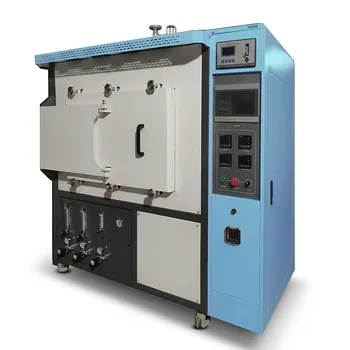
Roller Table Atmosphere Furnace 1500C High Temperature Battery Material Sintering System 112L Capacity
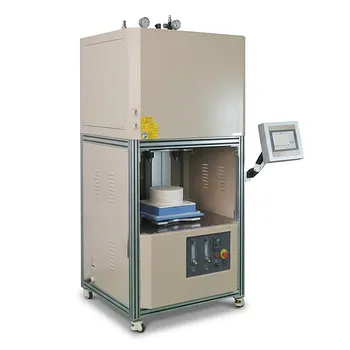
High Temperature Vertical Atmosphere Controlled Furnace 1700C Automatic Bottom Loading 13 Liter Vacuum Thermal System
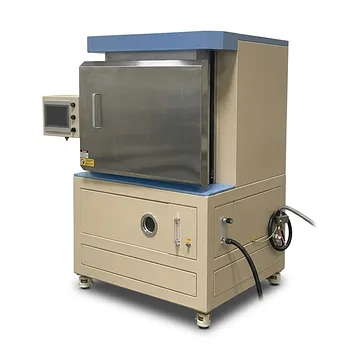
1650C High Temperature Atmosphere Controlled Box Furnace with 65L Chamber for Advanced Material Sintering and Industrial Heat Treatment
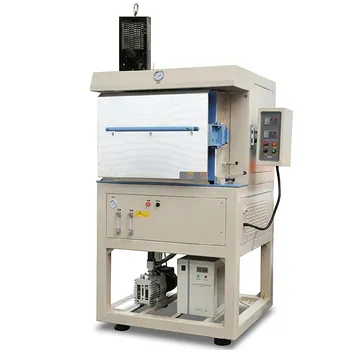
1200C Hydrogen Atmosphere Box Furnace with 5 Heated Sides and 64L Chamber
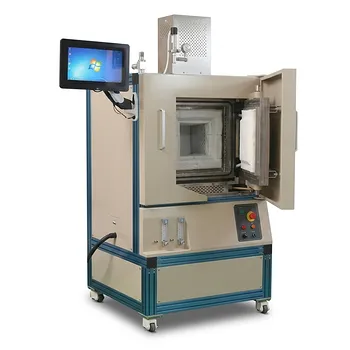
High Temperature Oxygen and Inert Atmosphere Controlled Furnace 8 Liter 1700C Sintering System for Advanced Materials RD
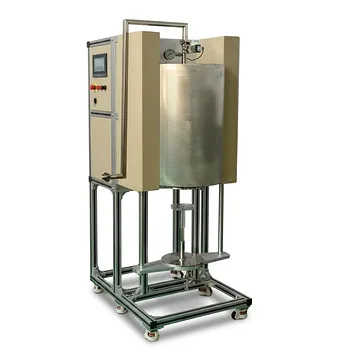
1200°C Atmosphere Controlled Automatic Bottom Loading Furnace with 6 Inch Quartz Tube
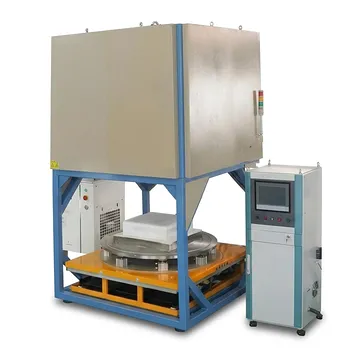
Bottom Loaded Inert Gas Atmosphere Box Furnace 1400C Maximum Temperature 125L High Capacity Laboratory Heat Treatment System
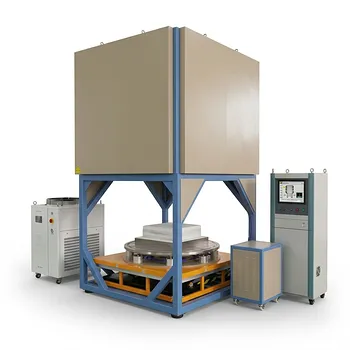
Bottom Loaded Inert Gas Atmosphere Box Furnace 1700C 1300C 216L Large Capacity Industrial Thermal Processing System
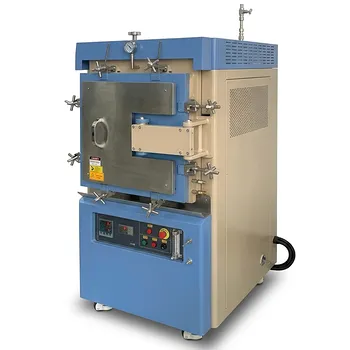
Atmosphere Controlled Muffle Furnace 1700C Maximum Temperature 80L High Capacity Vacuum Inert Gas Box Furnace
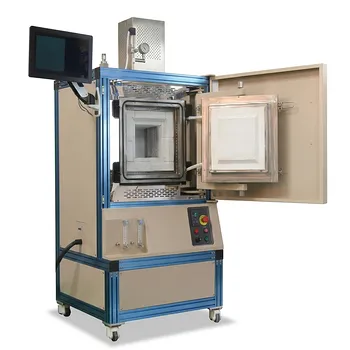
High Temperature Hydrogen Atmosphere Box Furnace 1650C Max Reducing Environment Material Synthesis System 8x8x8 Chamber
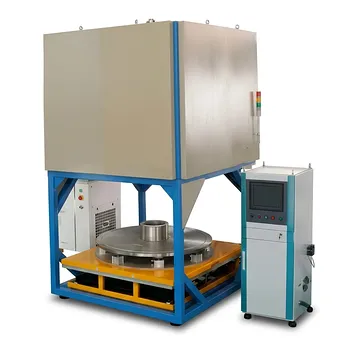
1400C Bottom Loaded Inert Gas Atmosphere Box Furnace with 125L Capacity and Precision Hydraulic Lift
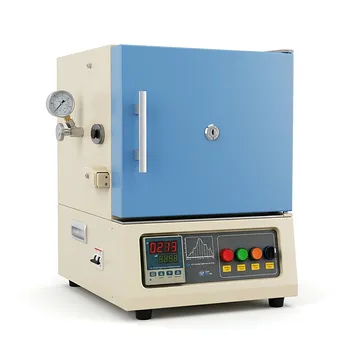
1200C Hybrid Muffle and Tube Furnace for Material Research with Dual Atmosphere Control Quartz Tubes
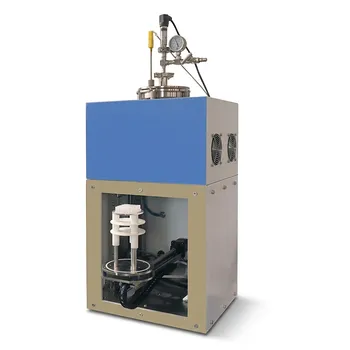
Rapid Thermal Processing RTP Atmosphere Controlled Bottom Loading Furnace 1100C High Throughput 50C per Second Heating Rate
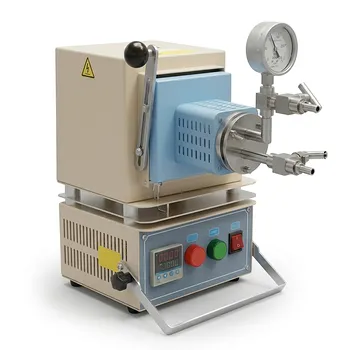
Compact Hybrid Muffle and Tube Furnace for 1000C Controlled Atmosphere Laboratory Material Sintering
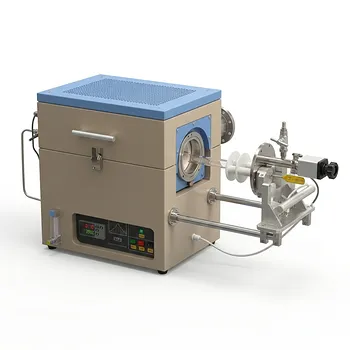
Compact Atmosphere Controlled Rapid Thermal Processing RTP Furnace with 4 Inch ID Quartz Tube 1100C
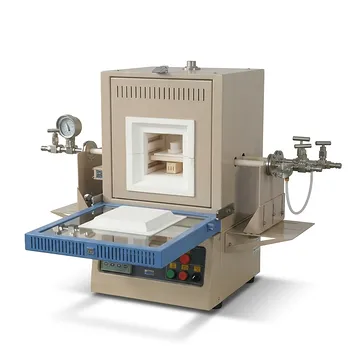
1700C Compact Hybrid Furnace with Dual Layer Box Sintering and Controlled Atmosphere Alumina Tubes
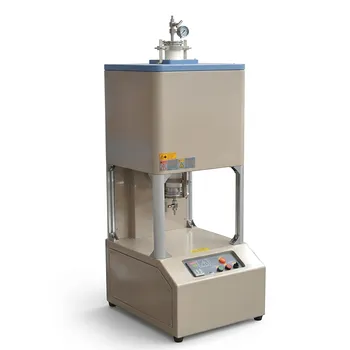
Vertical 1700C Vacuum and Atmosphere Tube Furnace with 80mm Alumina Tube
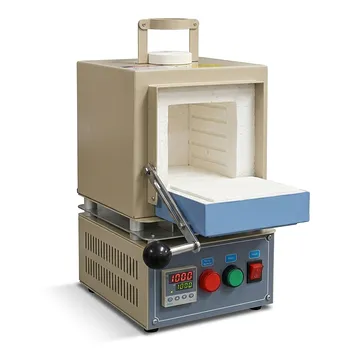
Compact 1000C Muffle Furnace with Programmable Controller and 2 Inch Top Port for Vacuum and Atmosphere Material Research
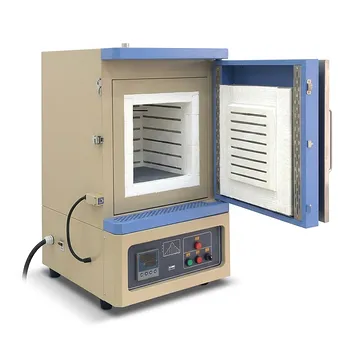
Five Side Heating Muffle Furnace High Purity Alumina Fiber 27L Chamber 1200C High Temperature Thermal Processing System for Sintering Annealing and Materials Research