What are the advantages of using ceramic crucibles for MLPB thermal treatment? Maximize Biochar Purity and Yield
Updated 5 months ago
Ceramic crucibles are the preferred vessels for synthesizing Magnetic Lemon Peel Biochar (MLPB) because they provide exceptional thermal stability and chemical inertness at temperatures exceeding 600°C. These containers ensure that the lemon peel raw material is heated uniformly while remaining isolated from external contaminants and oxidative reactions. By maintaining structural integrity and resisting chemical erosion, ceramic crucibles protect the purity of the biochar and the accuracy of the resulting experimental data.
Core Takeaway: Ceramic crucibles provide a stable, non-reactive environment that is essential for the high-temperature carbonization and activation of biomass. Their use ensures that the resulting biochar maintains its chemical purity and intended magnetic properties without interference from the container material.
Thermal Integrity and Structural Stability
Withstanding Extreme Pyrolysis Temperatures
During the production of MLPB, temperatures often reach between 600°C and 1000°C. Ceramic crucibles possess high refractory properties, allowing them to withstand these intense heat environments without deforming, melting, or cracking.
Resistance to Thermal Fluctuations
The synthesis process often involves rapid heating or cooling stages to achieve specific carbon structures. High-quality ceramics maintain stability during significant temperature fluctuations, ensuring the container does not fail during the transition from carbonization to cooling.
Uniform Heat Distribution
Achieving a consistent biochar product requires even thermal energy transfer to the lemon peel precursor. Ceramic materials facilitate uniform heating throughout the sample, preventing localized "cold spots" that could lead to incomplete carbonization or non-uniform magnetic properties.
Chemical Neutrality and Sample Purity
Prevention of Material Cross-Reaction
Magnetic biochar synthesis often involves catalysts or activators like phosphoric acid or potassium hydroxide (KOH). Ceramic is chemically inert, meaning it will not react with these aggressive reagents or the biomass itself, preserving the intended chemical composition of the MLPB.
Elimination of Metallic Impurities
Using metal containers at high temperatures can lead to the leaching of iron, nickel, or chrome into the biochar. Ceramic crucibles prevent the introduction of external metal impurities, which is critical for ensuring that the magnetic signature of the MLPB comes solely from the added magnetic dopants.
Precision in Quantitative Analysis
For researchers calculating ash content or yield ratios, the mass stability of the container is vital. The weight of a ceramic crucible remains constant because it does not oxidize or lose mass during heating, ensuring that all measured mass changes belong strictly to the lemon peel sample.
Process Precision and Environmental Control
Creating Oxygen-Limited Environments
The conversion of lemon peel to biochar requires a pyrolysis environment with restricted oxygen to prevent combustion. Ceramic crucibles used with tight-fitting lids effectively limit air intake, facilitating the "in-situ" magnetic modification required for high-quality MLPB.
Containment of Corrosive Byproducts
The thermal decomposition of biomass releases volatile organic compounds and corrosive gases. Ceramic materials are resistant to chemical erosion from these gases, ensuring the vessel remains intact over multiple experimental cycles and does not contaminate the laboratory environment.
Understanding the Trade-offs
Susceptibility to Mechanical Impact
While ceramic is thermally robust, it is physically brittle. Crucibles are prone to shattering if dropped or handled with metal tongs too forcefully, requiring high levels of care during loading and unloading from the muffle furnace.
Risk of Thermal Shock
Even though they are designed for high heat, "thermal shock" can occur if a red-hot crucible is placed directly onto a cold surface. Rapid, uneven cooling can cause microscopic fractures or immediate shattering, necessitating a gradual cooling period within the furnace or on a heat-resistant mat.
Porosity and Cleaning Challenges
Lower-grade ceramic or porcelain can be slightly porous, potentially absorbing minute amounts of material over time. Rigorous cleaning protocols are required between batches to ensure that residues from previous lemon peel treatments do not interfere with the properties of a new sample.
How to Apply This to Your Project
Recommendations for Synthesis Goals
- If your primary focus is Maximum Purity: Utilize high-purity alumina ceramic crucibles to ensure zero leaching of silica or other trace elements into your magnetic biochar.
- If your primary focus is High-Volume Production: Use porcelain boats or larger ceramic trays with lids to maximize the surface area-to-volume ratio for more uniform carbonization.
- If your primary focus is Quantitative Yield Analysis: Ensure you use a pre-fired (constant weight) ceramic crucible to eliminate any moisture or manufacturing residues before starting your experiment.
By leveraging the thermal and chemical resilience of ceramic containers, you ensure the production of a consistent, high-performance magnetic lemon peel biochar suitable for advanced adsorption applications.
Summary Table:
| Key Feature | Advantage for MLPB Synthesis | Experimental Value |
|---|---|---|
| Thermal Stability | Withstands 600°C - 1000°C without cracking | Ensures safety during high-heat pyrolysis |
| Chemical Inertness | Resists reaction with catalysts (KOH/H3PO4) | Maintains chemical purity of the biochar |
| Thermal Uniformity | Even heat distribution throughout the sample | Consistent carbonization & magnetic properties |
| Mass Stability | Crucible weight remains constant | Guaranteed accuracy for yield and ash analysis |
| Atmosphere Control | Compatible with tight-fitting lids | Prevents sample combustion in oxygen-limited runs |
Elevate Your Material Research with THERMUNITS
Achieving the perfect Magnetic Lemon Peel Biochar (MLPB) requires more than just the right container—it requires precision thermal control. THERMUNITS is a leading manufacturer of high-temperature laboratory equipment specifically designed for material science and industrial R&D.
We provide a comprehensive range of thermal processing solutions to ensure your synthesis is consistent and contaminant-free, including:
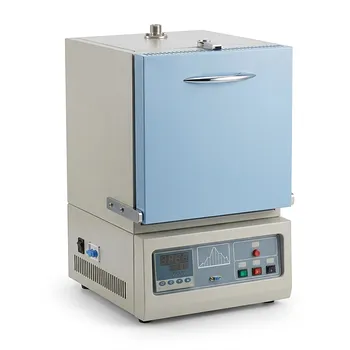
- Muffle & Atmosphere Furnaces for precise carbonization.
- Vacuum & Tube Furnaces for controlled atmosphere treatments.
- CVD/PECVD Systems and Vacuum Induction Melting (VIM) furnaces.
- Rotary Kilns and high-purity Thermal Elements.
Our equipment is engineered to deliver the uniform heating and durability required for advanced biomass conversion and material innovation.
Ready to enhance your lab’s efficiency and output? Contact our expert team today to find the ideal heat treatment solution for your research goals!
References
- Samah Daffalla, Mohamed R. El‐Aassar. Synthesis of a Novel Magnetic Biochar from Lemon Peels via Impregnation-Pyrolysis for the Removal of Methyl Orange from Wastewater. DOI: 10.3390/magnetochemistry10120095
Mentioned Products
- 1100C Crucible Melting Furnace with Stirring Function for Glovebox and Air Sensitive Alloy Research
- High Temperature Vertical Crucible Furnace with 22L Heating Chamber and 1200C Maximum Temperature
- Compact Crucible Melting Furnace 1100C Programmable Temperature Controller Metal Sintering Equipment
- Automatic 10 Crucible Induction Melting and Casting System with Stirring Function and Glovebox Integration 2000C
- Vertical Crucible Furnace 1000C High Temperature Laboratory Equipment 4.7 Inch Diameter Chamber SS316 Anti Corrosive Enclosure
People Also Ask
- Why are internal getters such as Titanium used during the synthesis of oxygen-sensitive materials in a melting furnace?
- How should the choice between a Quartz crucible and an Alumina crucible be made for La2O2S? Optimize Material Purity
- What technical capabilities must a high-temperature furnace possess for 1100°C HEA annealing? Precision & Stability.
- Why use ceramic crucibles for coal nano-hybrid heat treatment? Ensure Purity and Thermal Stability.
- Alumina Plates in Polymer Carbonization: Ensure Flatness and Suppress Shrinkage

Tech Team · ThermUnits
Last updated on Apr 14, 2026
Related Products
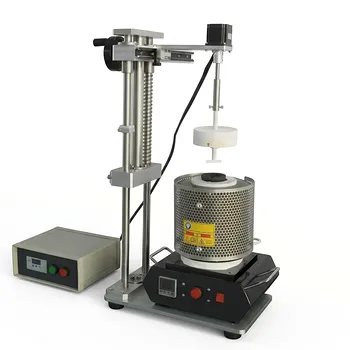
1100C Crucible Melting Furnace with Stirring Function for Glovebox and Air Sensitive Alloy Research
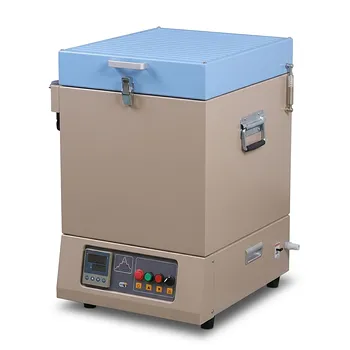
High Temperature Vertical Crucible Furnace with 22L Heating Chamber and 1200C Maximum Temperature
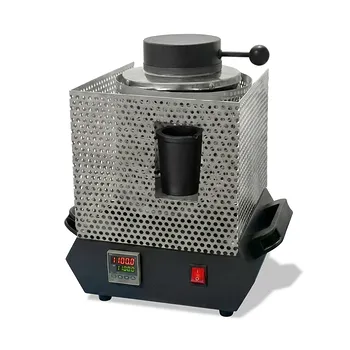
Compact Crucible Melting Furnace 1100C Programmable Temperature Controller Metal Sintering Equipment
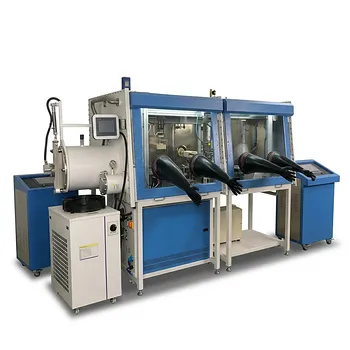
Automatic 10 Crucible Induction Melting and Casting System with Stirring Function and Glovebox Integration 2000C
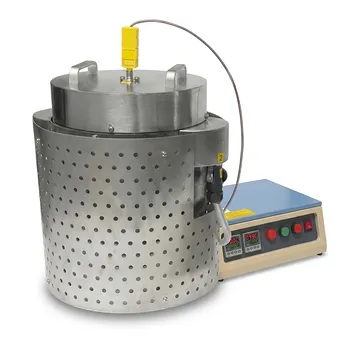
Vertical Crucible Furnace 1000C High Temperature Laboratory Equipment 4.7 Inch Diameter Chamber SS316 Anti Corrosive Enclosure
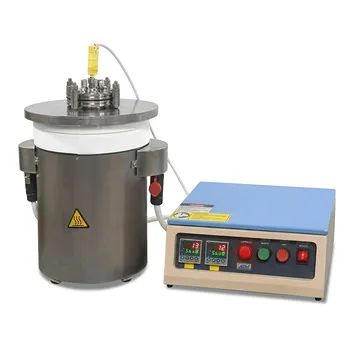
600°C Vertical Crucible Furnace with SS316 Alloy Reactor and 6 Port Vacuum Flange
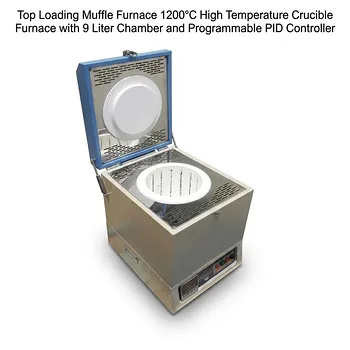
Top Loading Muffle Furnace 1200°C High Temperature Crucible Furnace with 9 Liter Chamber and Programmable PID Controller
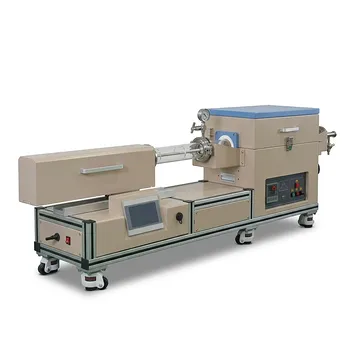
1200C Sliding Internal Crucible Tube Furnace for Controlled Atmosphere Thin Film Deposition and Material Sublimation Research
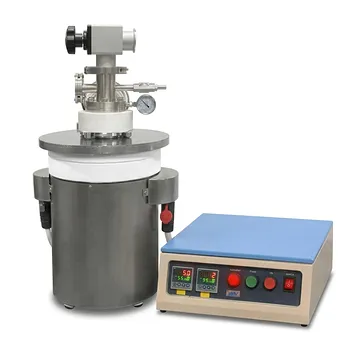
1100C High Temperature Vacuum Crucible Furnace with Quartz Chamber for Thermal Processing and Sintering
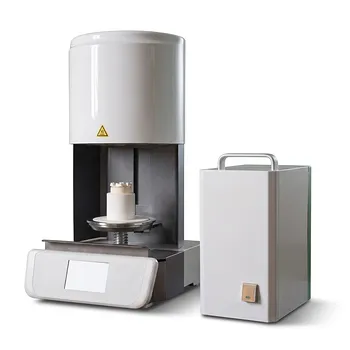
Dental Porcelain Zirconia Sintering Ceramic Furnace Chairside with Transformer
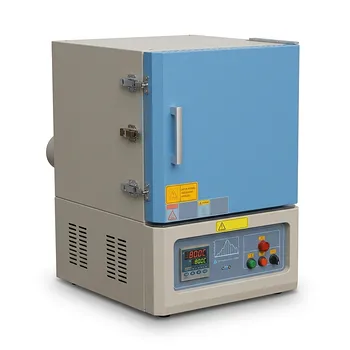
1800C Bench Top Muffle Furnace 18 Liters with Kanthal Super 1900 Heating Elements for High Purity Ceramic Sintering and Material Research
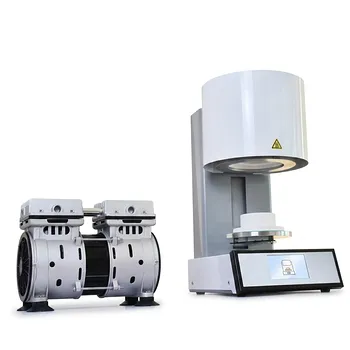
Vacuum Dental Porcelain Sintering Furnace for High Precision Ceramic Restorations