Alumina Plates in Polymer Carbonization: Ensure Flatness and Suppress Shrinkage
Updated 3 months ago
The primary purpose of using non-porous alumina ceramic plates is to provide rigid mechanical constraint during the high-temperature carbonization of polymer films. By sandwiching the films between these plates, researchers can effectively suppress curling, warping, and deformation caused by pyrolytic shrinkage at temperatures between 400°C and 900°C. This ensures the resulting carbon membranes maintain the macroscopic flatness and structural integrity required for industrial packaging and performance testing.
Core Takeaway: Non-porous alumina plates act as a chemically inert, thermally stable "sandwich" that physically forces polymer films to remain flat during the intense shrinkage of carbonization, preserving both the microscopic structure and the macroscopic shape of the final material.
Mechanical Restraint and Structural Integrity
Suppressing Pyrolytic Shrinkage
During carbonization, polymer films undergo significant mass loss and volume contraction as they transform into carbon structures. Without physical constraint, this shrinkage occurs unevenly, leading to severe curling or "scroll-like" deformation that renders the material unusable.
Maintaining Macroscopic Flatness
Alumina plates provide a definitive flat reference plane that the film must adhere to throughout the heating cycle. This flatness is critical for subsequent stages, such as module packaging, where the membrane must fit precisely into standardized housings without cracking.
Preserving Microscopic Stability
Beyond surface-level shape, the physical constraint helps compensate for thermal shrinkage differences within composite membranes. This stabilizes the microscopic pores and layers, ensuring that the final carbon molecular sieve or composite evaporator functions as intended.
Material Advantages of Alumina
Chemical Inertness and Purity
High-purity alumina is chosen because it remains chemically unreactive even at extreme temperatures of 900°C and above. This prevents the plates from reacting with the polymer film or the furnace environment, ensuring that no impurities are introduced into the carbonized product.
High-Temperature Stability
Unlike metals or lower-grade ceramics, alumina maintains its rigid geometry and load-bearing capacity at carbonization temperatures. It does not soften or deform, providing a consistent level of pressure and support throughout the entire thermal profile.
Surface Friction and Controlled Shrinkage
The surface characteristics of the alumina plate influence how the film slides or grips during densification. This friction can be utilized to manage the geometric accuracy of the part, preventing the edges from pulling inward more aggressively than the center.
Understanding the Trade-offs
Gas Evolution and Porosity Issues
While "non-porous" plates are excellent for flatness, they can occasionally trap decomposition gases between the plate and the film. If gases cannot escape efficiently, they may cause localized "blistering" or surface defects in the carbon membrane.
Thermal Mass and Heating Rates
Alumina plates have significant thermal mass, which can create a temperature lag between the furnace environment and the polymer film. If the heating rate is too aggressive, the temperature gradient across the "sandwich" can lead to uneven carbonization or thermal shock.
Friction-Induced Stress
While friction helps maintain shape, excessive "grip" between the plate and the shrinking film can lead to tensile stress. If the film is restricted too tightly while it attempts to shrink, it may develop microscopic cracks or "tears" to relieve the internal tension.
How to Apply This to Your Process
Recommendations for Implementation
- If your primary focus is macroscopic flatness: Use heavy, non-porous alumina plates in a direct sandwich configuration to maximize the physical weight applied to the film.
- If your primary focus is high-purity carbon yields: Ensure the alumina plates are of "high-purity" grade (99%+) to prevent trace metal migration into the carbon matrix during the 900°C soak.
- If your primary focus is preventing surface defects: Consider a slightly textured or precisely machined plate surface to allow for lateral gas escape while still maintaining the necessary mechanical constraint.
By precisely controlling the physical environment of the carbonization stage, you transform a volatile chemical transition into a predictable manufacturing process.
Summary Table:
| Feature | Impact on Carbonization |
|---|---|
| Mechanical Constraint | Suppresses curling, warping, and pyrolytic shrinkage |
| Chemical Inertness | Prevents impurity migration and reaction at 900°C+ |
| Thermal Stability | Maintains rigid support without softening or deforming |
| Surface Texture | Manages friction to control geometric accuracy and gas escape |
Achieve Perfection in Material Carbonization with THERMUNITS
High-performance carbon membranes require uncompromising thermal precision and structural control. THERMUNITS is a leading manufacturer of high-temperature laboratory equipment for material science and industrial R&D, providing the specialized tools needed for rigorous heat treatment processes.
From Muffle, Vacuum, and Atmosphere furnaces to advanced CVD/PECVD systems and Hot Press furnaces, our solutions are designed to maintain the extreme stability required for polymer carbonization and carbon molecular sieve production. We also offer high-purity thermal elements and industrial-grade rotary kilns to ensure your R&D transitions seamlessly into production.
Ready to enhance your lab's thermal processing capabilities? Contact THERMUNITS today to discover how our heat treatment solutions can deliver the structural integrity and purity your materials deserve.
References
- Leiqing Hu, Haiqing Lin. Hierarchically porous and single Zn atom-embedded carbon molecular sieves for H2 separations. DOI: 10.1038/s41467-024-49961-z
Mentioned Products
- Vacuum Dental Porcelain Sintering Furnace for High Precision Ceramic Restorations
- 1700C Compact Hybrid Furnace with Dual Layer Box Sintering and Controlled Atmosphere Alumina Tubes
- Dental Porcelain Zirconia Sintering Ceramic Vacuum Press Furnace
- Compact High Temperature 1600C Tube Furnace with 50mm Alumina Tube and Vacuum Flanges for Material Sintering
- 1800C High Temperature Compact Vacuum Tube Furnace with 60mm OD Alumina Tube and Kanthal MoSi2 Heating Elements
People Also Ask
- What Role Does a Vacuum Sintering Furnace Play in Ni-Mn-Ga Alloy Fabrication? Optimizing Porous Structures
- How does a vacuum or atmosphere sintering furnace contribute to the congener-welding process of carbon nitride membranes?
- What technical features ensure temperature precision and material integrity in dental furnaces? Quality Sintering Guide
- What is the primary function and application of a dental furnace in laboratory settings? Optimize Your Restorations
- How does a dental furnace prevent material cracking during rapid thermal cycles? Master Precision Thermal Control

Tech Team · ThermUnits
Last updated on Jun 02, 2026
Related Products
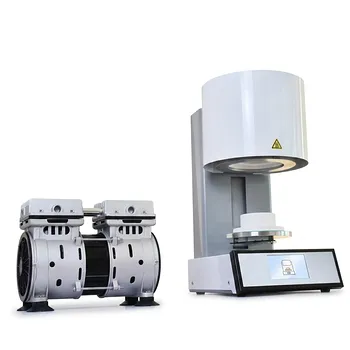
Vacuum Dental Porcelain Sintering Furnace for High Precision Ceramic Restorations
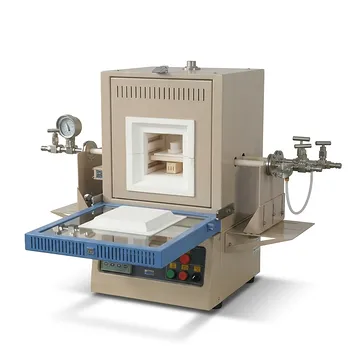
1700C Compact Hybrid Furnace with Dual Layer Box Sintering and Controlled Atmosphere Alumina Tubes
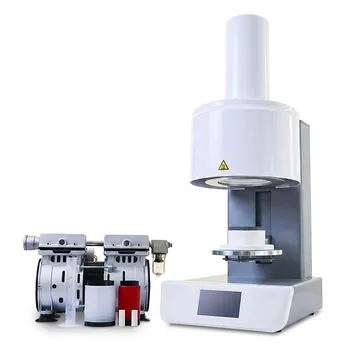
Dental Porcelain Zirconia Sintering Ceramic Vacuum Press Furnace

Compact High Temperature 1600C Tube Furnace with 50mm Alumina Tube and Vacuum Flanges for Material Sintering

1800C High Temperature Compact Vacuum Tube Furnace with 60mm OD Alumina Tube and Kanthal MoSi2 Heating Elements
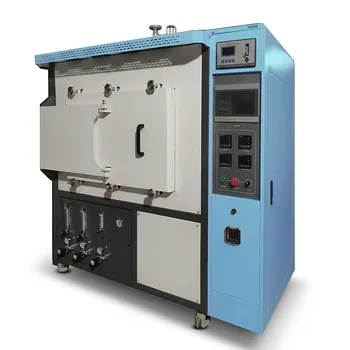
Roller Table Atmosphere Furnace 1500C High Temperature Battery Material Sintering System 112L Capacity
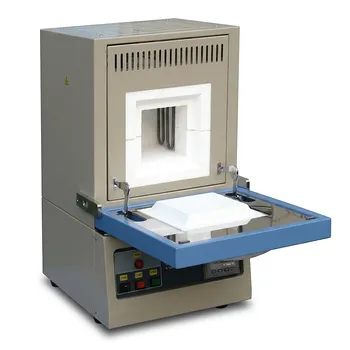
High Temperature 1800C Compact Muffle Furnace with Kanthal Super 1900 Heating Elements and 1.7L Alumina Chamber
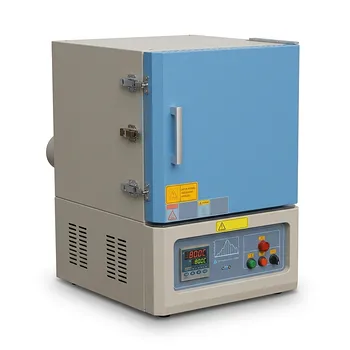
1800C Bench Top Muffle Furnace 18 Liters with Kanthal Super 1900 Heating Elements for High Purity Ceramic Sintering and Material Research
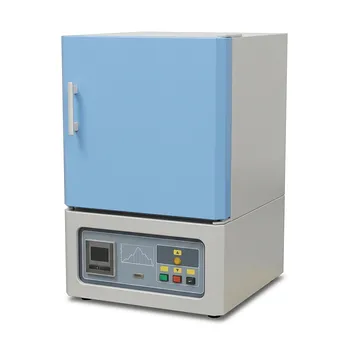
1800C Bench Top Muffle Furnace with Kanthal Super 1900 Heating Elements and 3.6L Alumina Fiber Chamber
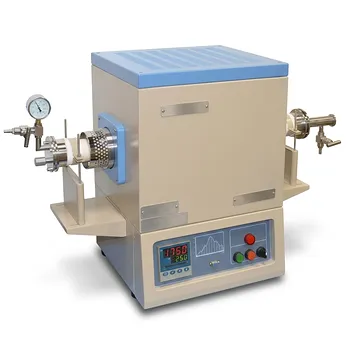
High Temperature Compact Vacuum Tube Furnace 1750C Max 60mm OD Alumina Tube
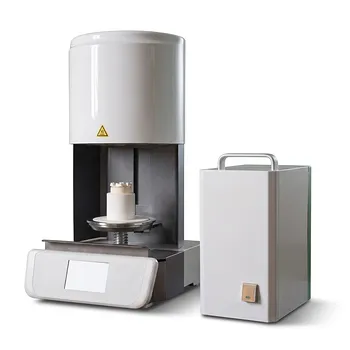
Dental Porcelain Zirconia Sintering Ceramic Furnace Chairside with Transformer
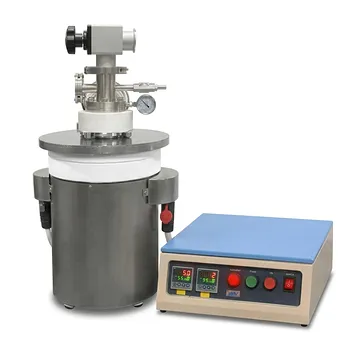
1100C High Temperature Vacuum Crucible Furnace with Quartz Chamber for Thermal Processing and Sintering
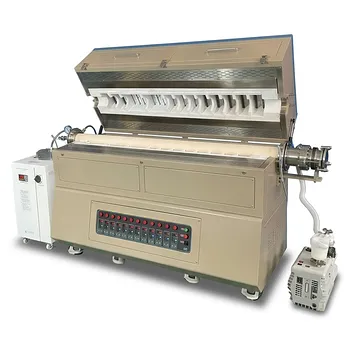
Twelve Zone 1700°C Multi Zone Split Tube Furnace with 100mm Alumina Processing Tube and Independent Temperature Gradient Control

High Temperature 1700C Tube Furnace with 4 Inch OD Alumina Tube and Vacuum Sealing Flanges
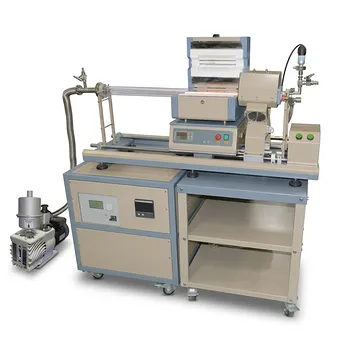
1200C Max Compact Auto-Sliding PECVD Furnace with 2 Inch Tube and Vacuum Pump
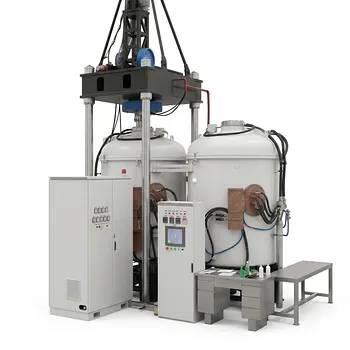
High Pressure 600T Vacuum Induction Hot Press Furnace for Advanced Material Heat Treatment and Sintering
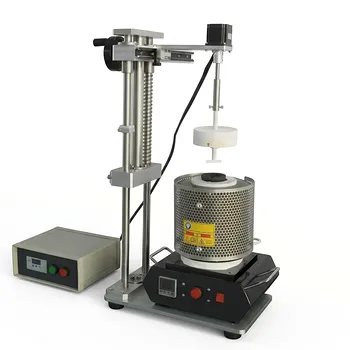
1100C Crucible Melting Furnace with Stirring Function for Glovebox and Air Sensitive Alloy Research
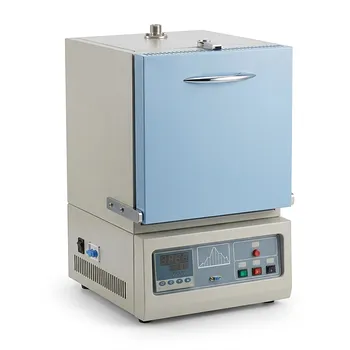
1750C Compact Muffle Furnace 1.7L Ultra High Temperature Laboratory Sintering System for Advanced Ceramics and Material Science Research
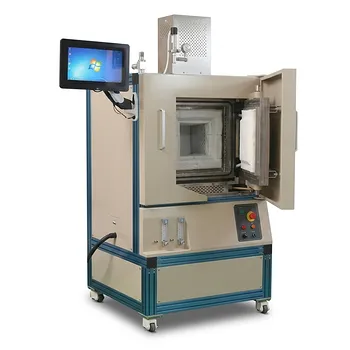
High Temperature Oxygen and Inert Atmosphere Controlled Furnace 8 Liter 1700C Sintering System for Advanced Materials RD