What are the benefits of using high-purity alumina boats in TMD synthesis? Ensure Chemical Integrity and Material Purity
Updated 3 months ago
High-purity alumina boats are the gold standard for TMD synthesis because they serve as chemically "invisible" carriers at extreme temperatures. These containers provide a stable, non-reactive environment that prevents precursors—such as halides and metal oxides—from leaching impurities from the boat at temperatures exceeding 700°C. By maintaining this high level of purity, researchers can ensure the resulting nanostructures achieve the photoluminescence performance and single-photon purity required for advanced applications.
Core Takeaway: High-purity alumina ensures that the synthesis of Transition Metal Dichalcogenides remains uncontaminated by container-source impurities. By combining chemical inertness with exceptional thermal shock resistance, these boats protect the delicate optical and electronic properties of the resulting nanostructures.
Ensuring Chemical Integrity in Aggressive Environments
Resistance to Corrosive Precursors
During Transition Metal Dichalcogenide (TMD) synthesis, boats must endure highly reactive environments involving halides, metal oxides, and phosphorus vapor. High-purity alumina (Al2O3) does not react with these substances even at temperatures reaching 1000°C. This inertness prevents the boat from being consumed or altered by the precursors, ensuring the chemical stoichiometry of the reaction remains predictable.
Prevention of Impurity Migration
Standard containers often release trace elements like silicon or external metallic ions into the gas phase during high-temperature sublimation. High-purity alumina acts as a barrier, preventing these unwanted elements from entering the nano-alloy seeds or monolayer films. This is critical for maintaining the intrinsic electrocatalytic performance and electronic characteristics of the final material.
Preservation of Material Functionality
The purity of the container directly correlates with the quality of the synthesized TMD. By eliminating cross-contamination, high-purity alumina boats help preserve photoluminescence performance and ensure high single-photon purity in nanoribbons. Without this level of protection, impurities would degrade the active sites and disrupt the single-phase nature of the resulting nanopowders.
Thermal Resilience and Structural Stability
High-Temperature Endurance
TMD synthesis often requires sustained heat between 700°C and 1000°C. High-purity alumina maintains its structural integrity and chemical stability throughout these intense thermal cycles. This stability is vital for long-term testing and ensures the accuracy of data measurements, such as weight gain analysis or oxide film composition.
Thermal Shock Resistance
The synthesis process frequently involves rapid heating and cooling cycles, particularly during nitridation or oxidation. High-purity alumina is designed to withstand these sudden temperature shifts without cracking or fracturing. This durability prevents secondary contamination that could occur if a container were to fail or shed particles mid-reaction.
Reliability Across Multiple Cycles
Because alumina does not react with common precursors like tellurium powder or tungsten trioxide, the boats can often be reused across repeated thermal cycles. This consistency ensures that the synthesis environment remains identical from one experiment to the next. It guarantees that the purity of the precursors is maintained from start to finish.
Understanding the Trade-offs
Material Fragility and Handling
While alumina is thermally robust, it is a brittle ceramic that is susceptible to mechanical impact. It can crack if handled roughly or if subjected to extreme mechanical stress while at high temperatures. Users must balance its thermal resilience with careful physical handling to avoid costly replacements.
Chemical Limitations
Although inert to most TMD precursors, high-purity alumina is not universal. It can be vulnerable to strong alkalis or specific molten fluxes at extremely high temperatures. If your synthesis involves highly basic environments, the alumina may eventually undergo surface etching, leading to potential contamination over time.
Cost vs. Performance
High-purity alumina (typically 99.9% or higher) is significantly more expensive than lower-grade ceramic or quartz options. While the performance benefits are clear for high-performance electronics and optics, it may be an unnecessary expense for low-temperature or less purity-sensitive applications.
How to Apply This to Your Project
High-purity alumina is the correct choice when your project demands absolute phase purity and specific electronic or optical responses.
- If your primary focus is optical performance: Use high-purity alumina to ensure maximum photoluminescence and single-photon purity in your TMD nanoribbons.
- If your primary focus is catalytic activity: Choose these boats to prevent aluminum or silicon ions from poisoning the active sites of your catalysts.
- If your primary focus is data accuracy: Utilize alumina for long-term oxidation or weight-gain studies where container reactions would skew measurement results.
- If your primary focus is high-volume screening: Consider lower-grade alternatives if your synthesis temperatures remain below 600°C and absolute purity is not a mission-critical requirement.
Choosing high-purity alumina is an investment in the reliability and superior performance of your synthesized nanomaterials.
Summary Table:
| Feature | Key Benefit | Research Impact |
|---|---|---|
| Chemical Inertness | Resists halides and metal oxides up to 1000°C | Ensures predictable reaction stoichiometry |
| Impurity Barrier | Prevents migration of silicon and metallic ions | Maintains high photoluminescence and single-photon purity |
| Thermal Stability | Maintains structure during 700°C–1000°C cycles | Guarantees data accuracy for long-term weight-gain analysis |
| Shock Resistance | Withstands rapid heating and cooling | Prevents container cracking and secondary contamination |
| Reliability | Non-reactive with tungsten or tellurium | Allows for reusable, consistent synthesis environments |
Elevate Your Material Research with THERMUNITS
Precision in high-temperature synthesis requires more than just high-quality precursors; it demands a contamination-free thermal environment. THERMUNITS is a leading manufacturer of high-performance laboratory equipment tailored for material science and industrial R&D. We offer a comprehensive suite of thermal processing solutions, including:
- Advanced Furnaces: Muffle, Vacuum, Atmosphere, Tube, Rotary, and Hot Press furnaces.
- Specialized Systems: CVD/PECVD systems, Dental Furnaces, and Vacuum Induction Melting (VIM) units.
- Components: High-purity Thermal Elements and laboratory heat treatment accessories.
Whether you are synthesizing TMD monolayers or developing new electrocatalysts, our equipment provides the stability and purity your project requires. Contact our technical experts today to find the perfect thermal solution for your laboratory’s unique needs.
References
- Xufan Li, Avetik R. Harutyunyan. Width-dependent continuous growth of atomically thin quantum nanoribbons from nanoalloy seeds in chalcogen vapor. DOI: 10.1038/s41467-024-54413-9
Mentioned Products
- High Temperature 1200C Automatic Sliding Dual Zone Tube Furnace for 2D Transition Metal Dichalcogenides Growth and Material Sublimation Research
- Compact High Temperature 1600C Tube Furnace with 50mm Alumina Tube and Vacuum Flanges for Material Sintering
- 1700C Hydrogen Gas Tube Furnace with 60mm Alumina Process Tube and Integrated Hydrogen Safety Detector
- High Temperature Vertical Hybrid Furnace with Alumina Tube and SiC Heating for SOFC Coin Cell Testing and Atmosphere Processing
- Vertical Hybrid High Temperature Furnace 1500C Alumina Tube SOFC Fuel Cell Testing Laboratory Heat Treatment Research Equipment
People Also Ask
- What are the technical advantages of a dual-zone tube furnace for phosphidation? Optimize Cobalt Nanowall Synthesis.
- What is the value of a dual-zone tube furnace in coal ash deposition? Precision Simulation of Sodium Vapor Scaling.
- Why is a double-temperature zone tube furnace utilized for the preparation of monolayer MoS2? Precision CVD Explained
- What is the function of a high-precision dual-zone tube furnace in MAPbI3 deposition? Expert Perovskite Synthesis.
- What technical advantages does a Dual-zone Tube Furnace provide for ZnSe sulfidation? Precision & Quality Control.

Tech Team · ThermUnits
Last updated on Jun 03, 2026
Related Products
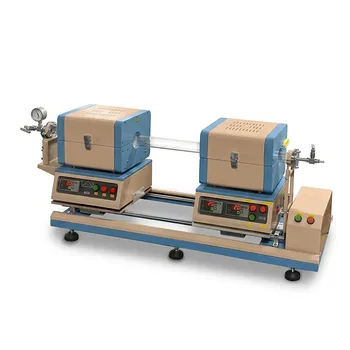
High Temperature 1200C Automatic Sliding Dual Zone Tube Furnace for 2D Transition Metal Dichalcogenides Growth and Material Sublimation Research

Compact High Temperature 1600C Tube Furnace with 50mm Alumina Tube and Vacuum Flanges for Material Sintering
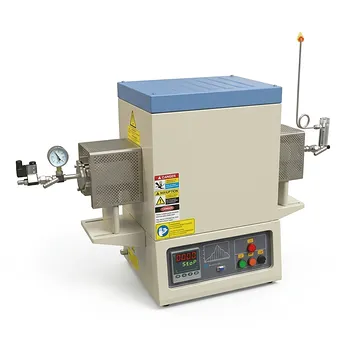
1700C Hydrogen Gas Tube Furnace with 60mm Alumina Process Tube and Integrated Hydrogen Safety Detector
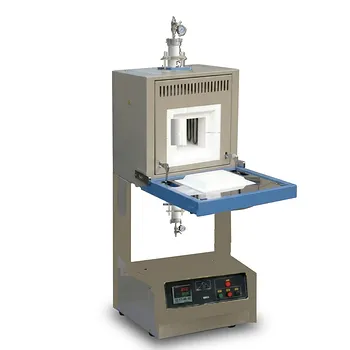
High Temperature Vertical Hybrid Furnace with Alumina Tube and SiC Heating for SOFC Coin Cell Testing and Atmosphere Processing
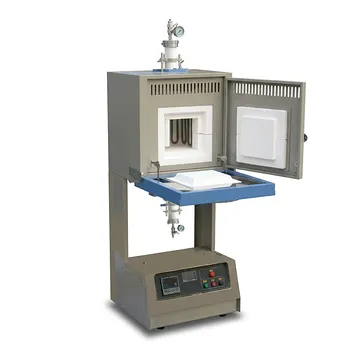
Vertical Hybrid High Temperature Furnace 1500C Alumina Tube SOFC Fuel Cell Testing Laboratory Heat Treatment Research Equipment
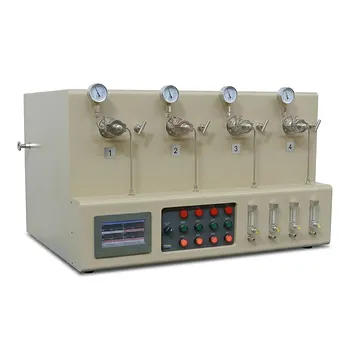
High Temperature 1700C 4 Channel Tube Furnace 1 Inch Alumina Tube for Hi-Throughput Annealing
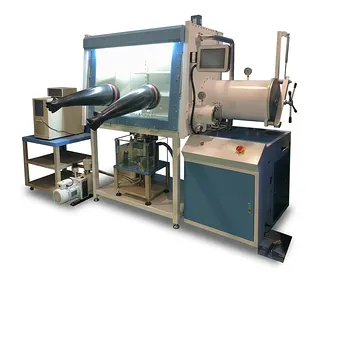
High Temperature Induction Melting System with Integrated Ultra High Purity Glove Box for Metallic Alloy Processing
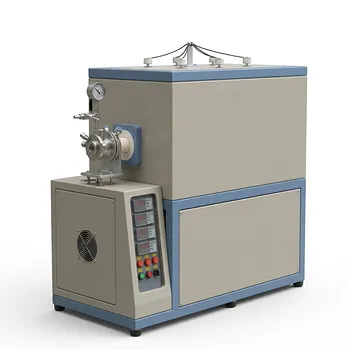
High Temperature 1700C Three Zone Tube Furnace with Alumina Tube 50mm 60mm 80mm OD for Material Research and Industrial Heat Treatment
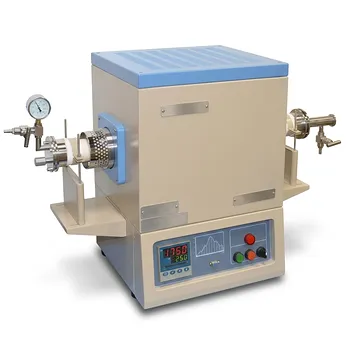
High Temperature Compact Vacuum Tube Furnace 1750C Max 60mm OD Alumina Tube
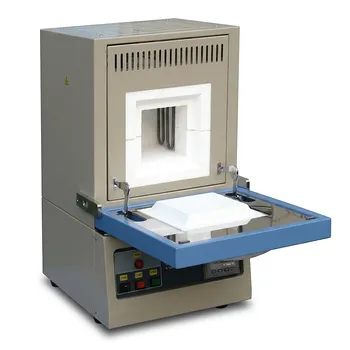
High Temperature 1800C Compact Muffle Furnace with Kanthal Super 1900 Heating Elements and 1.7L Alumina Chamber
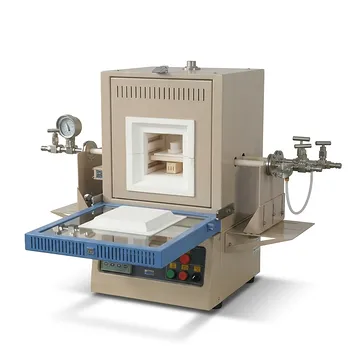
1700C Compact Hybrid Furnace with Dual Layer Box Sintering and Controlled Atmosphere Alumina Tubes
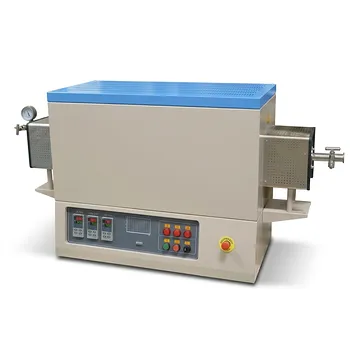
Three Zone Alumina Tube Furnace with Vacuum Flanges High Temperature 1700C Thermal Gradient CVD System

1800C High Temperature Compact Vacuum Tube Furnace with 60mm OD Alumina Tube and Kanthal MoSi2 Heating Elements