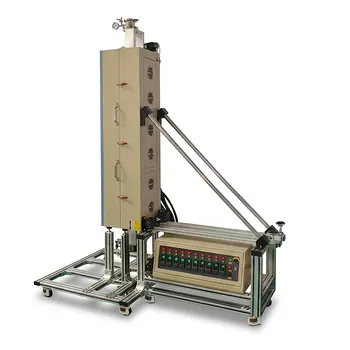
Why is a double-temperature zone tube furnace utilized for the preparation of monolayer MoS2? Precision CVD Explained
Updated 3 months ago
A double-temperature zone tube furnace is utilized because sulfur (S) and molybdenum trioxide ($MoO_3$) possess drastically different sublimation temperatures. This dual-zone configuration allows for independent control over the volatilization rate of each precursor, ensuring the precise vapor concentration and stoichiometry required to synthesize high-quality, defect-free monolayer $MoS_2$.
Core Takeaway: The use of a dual-zone furnace is a technical necessity to decouple the thermal environments of the precursors. By independently regulating the vapor pressure of sulfur and the reaction energy of the molybdenum source, researchers can eliminate sulfur vacancies and achieve uniform, large-area monolayer growth.
Managing the Disparity in Precursor Volatility
The Sublimation Temperature Gap
Sulfur powder sublimates at a significantly lower temperature than molybdenum trioxide ($MoO_3$). In a single-zone furnace, heating the system to the temperature required for $MoO_3$ reaction would cause the sulfur to vaporize too rapidly, leading to an inconsistent chemical environment.
Independent Vapor Pressure Regulation
A double-zone furnace allows Zone 1 (Upstream) to be set at a lower temperature specifically for sulfur sublimation. Simultaneously, Zone 2 (Downstream) is maintained at a higher temperature to facilitate the chemical reaction and promote the crystalline growth of $MoS_2$ on the substrate.
Precise Precursor Mixing Ratios
By setting distinct heating curves for each zone, the transport rate of the precursors can be finely tuned. This ensures that the precursor vapors mix at the ideal concentration ratios within the reaction zone, which is critical for the synthesis of monolayer single crystals.
Optimization of Crystal Quality and Kinetics
Suppressing Sulfur Vacancy ($V_s$) Defects
Achieving a high local concentration of sulfur vapor is essential for the thermodynamic stability of the growth process. Precise control in the low-pressure sulfur zone enhances the probability of Mo-S covalent bonding, which effectively suppresses the formation of sulfur vacancy defects.
Matching Supply with Reaction Kinetics
The dual-zone design acts as the core hardware requirement for matching the supply of precursors with the kinetics of the deposition. This synchronization allows for the growth of large-area, uniform triangular grains rather than fragmented or multi-layered clusters.
Facilitating Post-Growth Treatment
Beyond initial synthesis, these furnaces provide a controlled thermal environment for post-doping thermal annealing. This process is vital for repairing lattice damage caused by external factors and ensuring the stable activation of dopant atoms in the $MoS_2$ lattice.
Understanding the Trade-offs and Challenges
System Complexity and Calibration
While providing superior control, dual-zone systems increase the complexity of the experimental setup. Achieving a perfectly stable temperature gradient between the two zones requires rigorous calibration of gas flow rates and furnace insulation to prevent thermal "crosstalk."
Precursor Depletion and Placement
If the distance between the two zones is not optimized, precursors may deposit on the tube walls before reaching the substrate. This requires precise spatial placement of the boats containing $S$ and $MoO_3$ to ensure that the maximum vapor density coincides with the substrate's location in the high-temperature zone.
How to Apply This to Your Project
Making the Right Choice for Your Goal
To achieve the best results in $MoS_2$ synthesis, your equipment configuration should align with your specific material requirements.
- If your primary focus is high electronic mobility: Prioritize a dual-zone setup to minimize sulfur vacancies, as these defects significantly scatter charge carriers.
- If your primary focus is large-scale uniformity: Use the independent controls to maintain a steady-state vapor pressure over long deposition times, preventing thickness variations across the substrate.
- If your primary focus is doping or homojunctions: Utilize the dual-zone furnace for post-processing annealing to activate dopants and repair the crystal lattice after plasma treatments.
Ultimately, the dual-temperature zone furnace transforms $MoS_2$ synthesis from a process of chance into a disciplined exercise in chemical vapor regulation.
Summary Table:
| Feature | Role in MoS2 Synthesis |
|---|---|
| Dual Heating Zones | Decouples sulfur sublimation from MoO3 reaction temperatures |
| Independent Controls | Maintains precise vapor stoichiometry for defect-free crystals |
| Gradient Management | Minimizes sulfur vacancies (Vs) and ensures lattice stability |
| Kinetic Optimization | Promotes large-area, uniform growth of triangular monolayer grains |
Optimize Your 2D Material Synthesis with THERMUNITS
As a leading manufacturer of high-temperature laboratory equipment for material science and industrial R&D, THERMUNITS offers the precision technology required for complex chemical vapor deposition. Our advanced Tube Furnaces and CVD/PECVD systems provide the independent temperature control necessary to master the growth of monolayer MoS2 and other transition metal dichalcogenides.
From Muffle and Vacuum furnaces to specialized Rotary, Hot Press, and Dental furnaces, our comprehensive range of thermal processing solutions—including electric rotary kilns and vacuum induction melting furnaces (VIM)—is designed to meet the rigorous demands of your lab.
Ready to enhance your research results? Contact us today to find the perfect thermal solution for your project!
References
- Weihu Kong, Jie Ma. Excitonic Evolution in WS2/MoS2 van der Waals Heterostructures Turned by Out-of-Plane Localized Pressure. DOI: 10.3390/app14052179
Mentioned Products
- Dual Zone Quartz Tube Furnace with 80mm Diameter 1200C Max Temperature 3 Channel Gas Mixer and Vacuum Pump System
- Dual Zone Tube Furnace 1100C with 11 Inch Quartz Tube and Vacuum Flanges for 8 Inch Wafer Processing
- 1200C Dual Zone Split Tube Furnace with Fused Quartz Tube and Vacuum Flanges Available in 60mm 80mm and 100mm Diameters
- High Temperature Dual Zone Tube Furnace for Material Science Research and Professional Thermal Processing
- 1200C Dual Temperature Zone Slidable Tube Furnace for 2D Material Growth and TCVD Synthesis
People Also Ask
- How do dual-zone quartz tube furnaces achieve controllable material preparation? Optimize Perovskite VD Processes
- What are the technical advantages of using a dual-zone tube furnace for growing large PdCoO2 crystals via CVT? Expert Tips
- Purpose of the reverse gradient step in CVT growth? Master Crystal Purity with Dual-Zone Furnaces
- Why is it necessary to place MoS2 devices in a dual-zone tube furnace for annealing? Optimize Lattice Repair & Doping
- Why is a dual-zone tube furnace necessary for ReO3-doped Cu2Te CVD? Essential for precise precursor synchronization.

Tech Team · ThermUnits
Last updated on Jun 03, 2026
Related Products
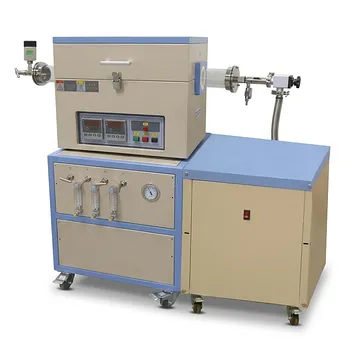
Dual Zone Quartz Tube Furnace with 80mm Diameter 1200C Max Temperature 3 Channel Gas Mixer and Vacuum Pump System
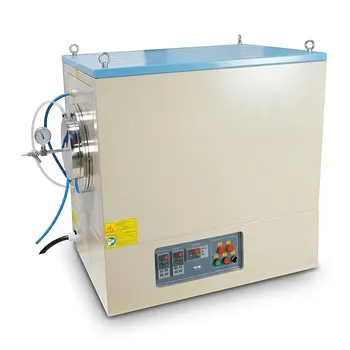
Dual Zone Tube Furnace 1100C with 11 Inch Quartz Tube and Vacuum Flanges for 8 Inch Wafer Processing
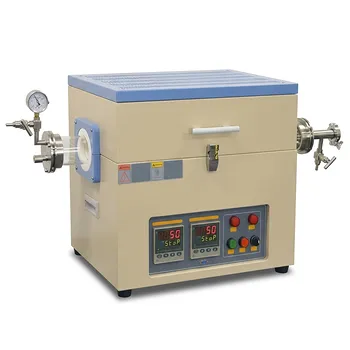
1200C Dual Zone Split Tube Furnace with Fused Quartz Tube and Vacuum Flanges Available in 60mm 80mm and 100mm Diameters
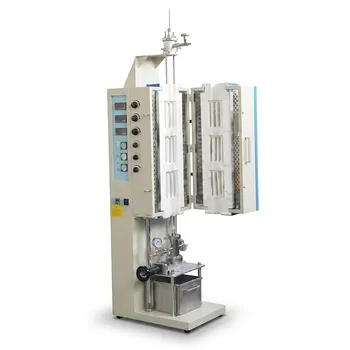
High Temperature Dual Zone Tube Furnace for Material Science Research and Professional Thermal Processing
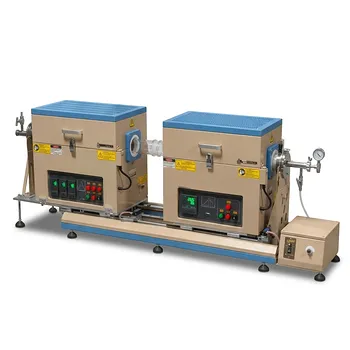
1200C Dual Temperature Zone Slidable Tube Furnace for 2D Material Growth and TCVD Synthesis
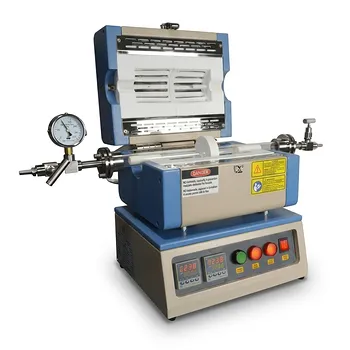
Dual Heating Zone 1200C Compact Split Tube Furnace with Optional 1" - 2" Tube and Vacuum Flanges
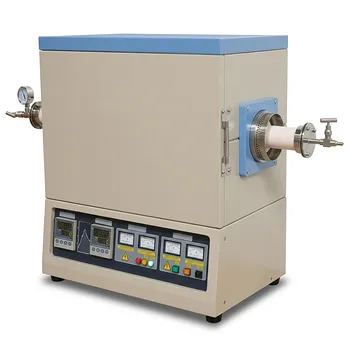
High Temperature 1700C Dual Zone Tube Furnace for Material Science and Industrial Chemical Vapor Deposition Research
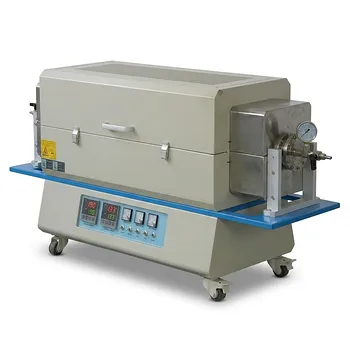
High Temperature Elongated Dual Zone Tube Furnace for Material Research and Industrial Heat Treatment
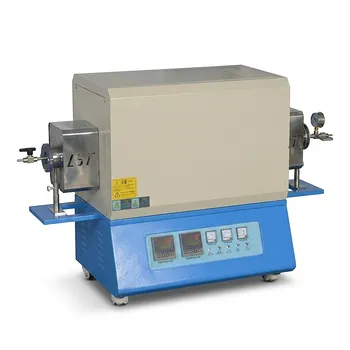
High Temperature Dual Zone Vacuum Tube Furnace for Material Research and CVD Processing
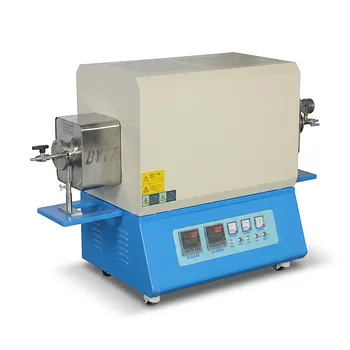
High Temperature Dual Zone Split Tube Furnace for Advanced Atmosphere Sintering and Vacuum CVD Applications
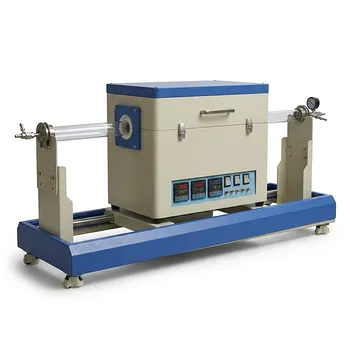
Double Temperature Zone Double Cover Tube Furnace for High Temperature CVD and Vacuum Annealing
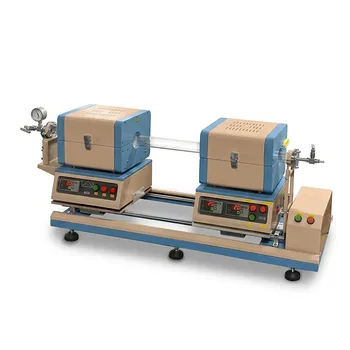
High Temperature 1200C Automatic Sliding Dual Zone Tube Furnace for 2D Transition Metal Dichalcogenides Growth and Material Sublimation Research
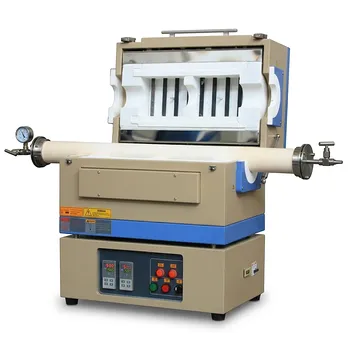
1500C Two Zone Split Tube Furnace with Vacuum Flange and 80mm Alumina Tube
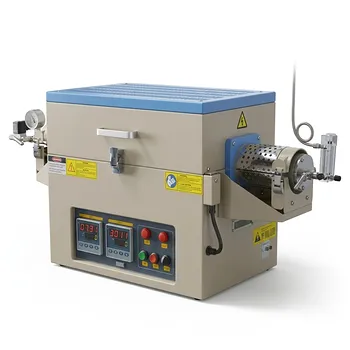
1100C Dual Zone Hydrogen Gas Tube Furnace with Quartz Tube and Integrated H2 Leak Detection System
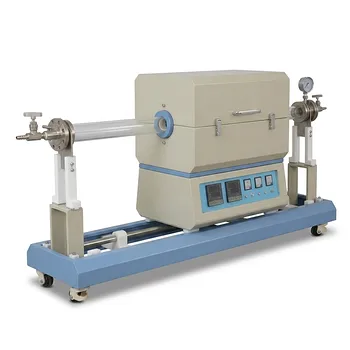
Double Zone Fast Heating Tube Furnace High Temperature Vacuum Atmosphere System
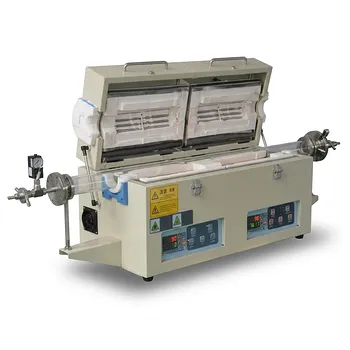
Elongated Two Temperature Zone Pipe Furnace for Industrial Heat Treatment and Material Science Research
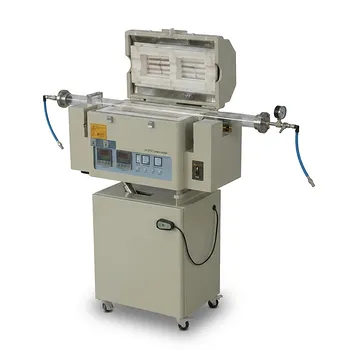
Double Temperature Revolving Tube Furnace with Precision Rotation and Adjustable Inclination for Advanced Material Research
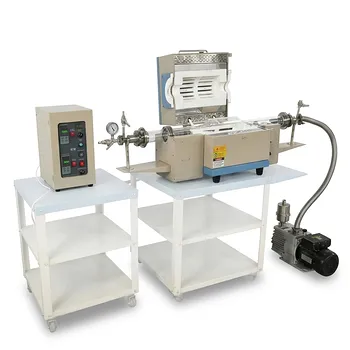
Two Zone Rotary Tube Furnace for Powder CVD Coating and Core Shell Material Synthesis 1100C
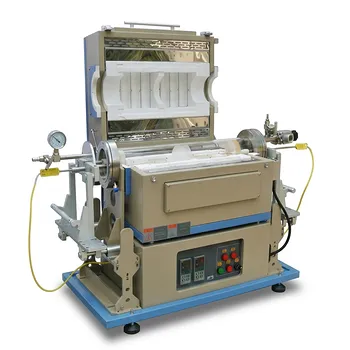
Two Zone IR Heating Rapid Thermal Processing RTP Tube Furnace with 4 Inch ID Quartz Tube and Sliding Sample Holders