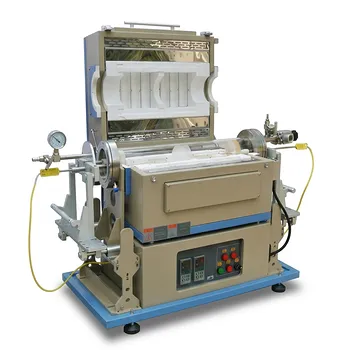
How does a dual-zone tube furnace facilitate crystal growth of SnP2Se6? Mastering Thermal Gradients for Single Crystals
Updated 6 months ago
A dual-zone tube furnace facilitates the growth of SnP2Se6 crystals by establishing a precise, independent temperature gradient that serves as the thermodynamic driving force for material transport. By maintaining the source zone at 450°C and the sink zone at 325°C, the furnace enables the sublimation of precursors and their subsequent migration to the cooler end, where they precipitate into high-quality, centimeter-scale single crystals.
Core Takeaway: The dual-zone furnace acts as a thermal engine for Chemical Vapor Transport (CVT), using a 125°C temperature differential to transform raw powders into high-purity single crystals through a cycle of vaporization, gaseous migration, and controlled deposition.
The Mechanics of Thermal Gradient Synthesis
Establishing the Thermodynamic Driving Force
In the synthesis of SnP2Se6, the furnace must create two distinct thermal environments within a single quartz tube. The source zone is heated to 450°C, providing the energy required for the raw material powders to react with a transport agent and sublimate.
Facilitating Gaseous Migration
The temperature differential between the two zones creates a pressure gradient that drives gaseous intermediate products across the tube. This directional flow ensures that the material moves consistently from the high-temperature source to the lower-temperature sink zone.
Precision Control of the Sink Zone
The growth or "sink" zone is strictly maintained at 325°C. This specific temperature is critical because it dictates the supersaturation level of the gas phase, which directly influences how the crystals precipitate out of the vapor.
Achieving High-Quality Crystal Growth
The Role of the Transport Agent
In $SnP_2Se_6$ synthesis, a transport agent such as SnBr4 is often used to facilitate the process. The furnace provides the stable thermal field necessary for this agent to react with solid precursors, forming gaseous complexes that can travel through the vapor phase.
Controlling the Crystallization Rate
By independently regulating the two zones, the furnace allows for a slow and steady crystallization process. This controlled environment is what enables the production of centimeter-scale single crystals rather than small, disordered polycrystalline powders.
Maintaining Structural Integrity
The stable temperature gradient (Delta T) ensures that the crystals grow without structural damage. A consistent thermal field prevents fluctuations that could lead to defects or unwanted secondary phases in the SnP2Se6 lattice.
Understanding the Trade-offs
Gradient Steepness vs. Crystal Quality
A steeper temperature gradient increases the deposition rate, which can speed up production. However, if the gradient is too aggressive, it often leads to poor crystal quality and smaller grain sizes due to excessive nucleation.
Complexity of Dual-Zone Calibration
While a dual-zone furnace offers superior control, it requires precise calibration to ensure the transition zone between the two heaters does not create "cold spots." These unintended temperature dips can cause precursors to deposit prematurely, clogging the transport path.
Material Volatility and Thermal Stability
The specific temperatures used (450°C and 325°C) are tailored to the vapor pressure of the precursors. Deviating from these setpoints can result in incomplete transport or the decomposition of the $SnP_2Se_6$ into simpler binary compounds.
How to Optimize Your Synthesis Goal
Making the Right Choice for Your Project
- If your primary focus is maximizing crystal size: Maintain a stable, lower temperature gradient and extend the growth duration to allow for slow, single-nucleus deposition.
- If your primary focus is high-throughput screening: Increase the temperature of the source zone slightly to boost the transport rate, acknowledging that this may result in smaller sub-millimeter crystals.
- If your primary focus is phase purity: Prioritize the precision of the sink zone temperature (325°C) to ensure the thermodynamic conditions only favor the formation of the $SnP_2Se_6$ phase.
The precision of a dual-zone furnace is the defining factor in transitioning from basic chemical reactions to the sophisticated engineering of high-purity single crystals.
Summary Table:
| Parameter | Process Value | Role in SnP2Se6 Synthesis |
|---|---|---|
| Source Zone Temp | 450°C | Sublimation of precursors and reaction with transport agent |
| Sink Zone Temp | 325°C | Controlled deposition and supersaturation for crystallization |
| Temperature Gradient | 125°C (Delta T) | Provides the thermodynamic driving force for vapor transport |
| Transport Agent | e.g., SnBr4 | Forms gaseous complexes to facilitate material migration |
| Crystal Outcome | Centimeter-scale | High-purity single crystals with minimal structural defects |
Elevate Your Material Synthesis with THERMUNITS
Precision thermal gradients are the key to achieving high-quality single crystals like SnP2Se6. As a leading manufacturer of high-temperature laboratory equipment, THERMUNITS offers a comprehensive range of thermal processing solutions tailored for material science and industrial R&D.
Our advanced Tube Furnaces (Dual-Zone & Multi-Zone), CVD/PECVD systems, and Vacuum furnaces provide the stable thermal fields and independent zone control necessary for complex Chemical Vapor Transport (CVT) processes. Whether you are working on crystal growth, semiconductor research, or advanced ceramics, our equipment ensures the accuracy your research demands.
Ready to optimize your heat treatment results?
Contact our expert team today to find the perfect furnace for your lab!
References
- Vinod K. Sangwan, Mercouri G. Kanatzidis. Bulk photovoltaic effect and high mobility in the polar 2D semiconductor SnP <sub>2</sub> Se <sub>6</sub>. DOI: 10.1126/sciadv.ado8272
Mentioned Products
- Dual Zone Quartz Tube Furnace with 80mm Diameter 1200C Max Temperature 3 Channel Gas Mixer and Vacuum Pump System
- Dual Zone Tube Furnace 1100C with 11 Inch Quartz Tube and Vacuum Flanges for 8 Inch Wafer Processing
- 1200C Dual Zone Split Tube Furnace with Fused Quartz Tube and Vacuum Flanges Available in 60mm 80mm and 100mm Diameters
- 1200C Dual Temperature Zone Slidable Tube Furnace for 2D Material Growth and TCVD Synthesis
- High Temperature Dual Zone Tube Furnace for Material Science Research and Professional Thermal Processing
People Also Ask
- How do dual-zone quartz tube furnaces achieve controllable material preparation? Optimize Perovskite VD Processes
- Why is a dual-zone tube furnace necessary for ReO3-doped Cu2Te CVD? Essential for precise precursor synchronization.
- What are the technical advantages of using a dual-zone tube furnace system? Optimize Nanomaterial Growth & Stoichiometry
- Purpose of the reverse gradient step in CVT growth? Master Crystal Purity with Dual-Zone Furnaces
- What are the technical advantages of using a dual-zone tube furnace for growing large PdCoO2 crystals via CVT? Expert Tips

Tech Team · ThermUnits
Last updated on Apr 14, 2026
Related Products
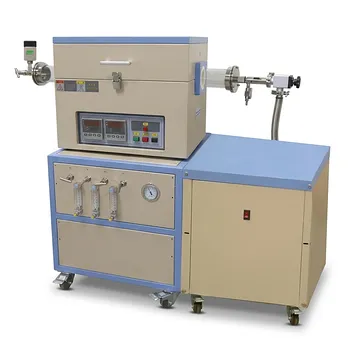
Dual Zone Quartz Tube Furnace with 80mm Diameter 1200C Max Temperature 3 Channel Gas Mixer and Vacuum Pump System
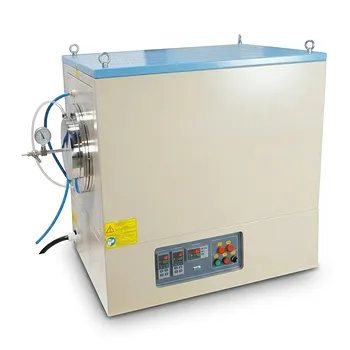
Dual Zone Tube Furnace 1100C with 11 Inch Quartz Tube and Vacuum Flanges for 8 Inch Wafer Processing
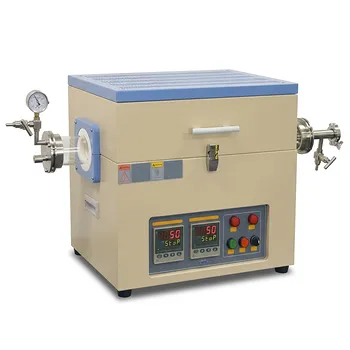
1200C Dual Zone Split Tube Furnace with Fused Quartz Tube and Vacuum Flanges Available in 60mm 80mm and 100mm Diameters
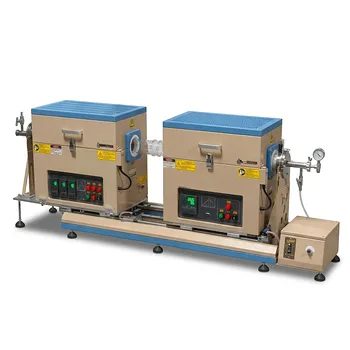
1200C Dual Temperature Zone Slidable Tube Furnace for 2D Material Growth and TCVD Synthesis
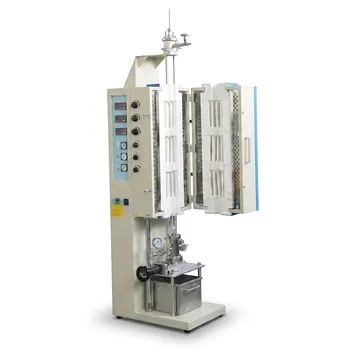
High Temperature Dual Zone Tube Furnace for Material Science Research and Professional Thermal Processing
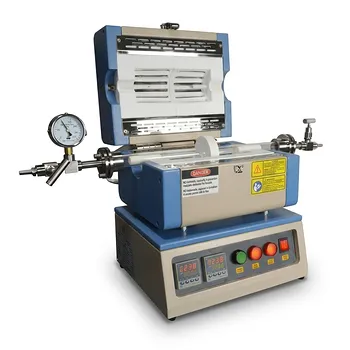
Dual Heating Zone 1200C Compact Split Tube Furnace with Optional 1" - 2" Tube and Vacuum Flanges
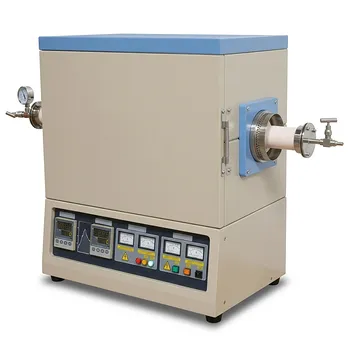
High Temperature 1700C Dual Zone Tube Furnace for Material Science and Industrial Chemical Vapor Deposition Research
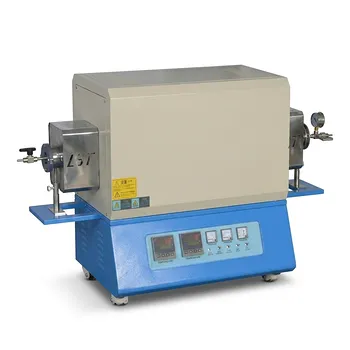
High Temperature Dual Zone Vacuum Tube Furnace for Material Research and CVD Processing
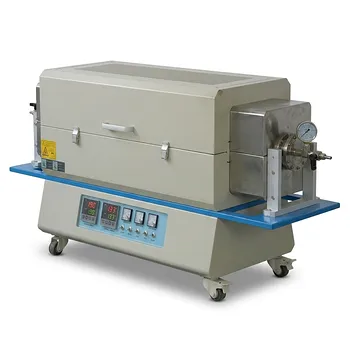
High Temperature Elongated Dual Zone Tube Furnace for Material Research and Industrial Heat Treatment
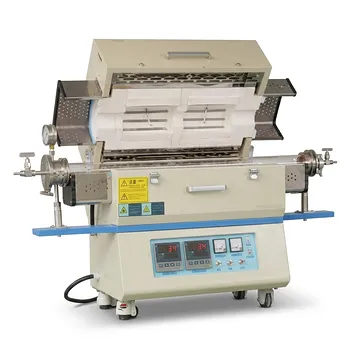
Dual Zone Split Tube Quenching Furnace with High Vacuum Atmosphere Control and Rapid Cooling
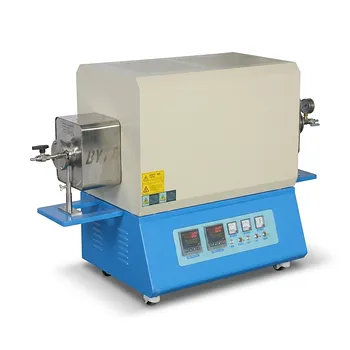
High Temperature Dual Zone Split Tube Furnace for Advanced Atmosphere Sintering and Vacuum CVD Applications
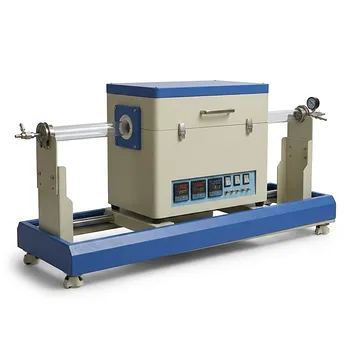
Double Temperature Zone Double Cover Tube Furnace for High Temperature CVD and Vacuum Annealing
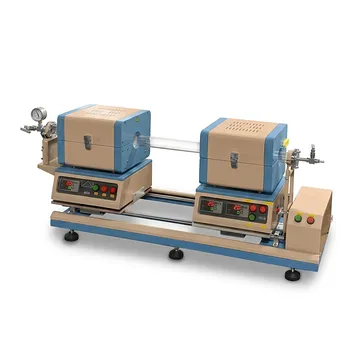
High Temperature 1200C Automatic Sliding Dual Zone Tube Furnace for 2D Transition Metal Dichalcogenides Growth and Material Sublimation Research
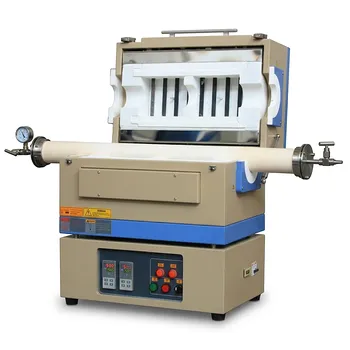
1500C Two Zone Split Tube Furnace with Vacuum Flange and 80mm Alumina Tube
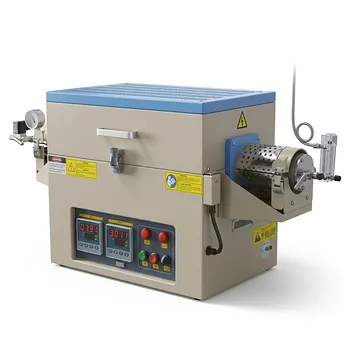
1100C Dual Zone Hydrogen Gas Tube Furnace with Quartz Tube and Integrated H2 Leak Detection System
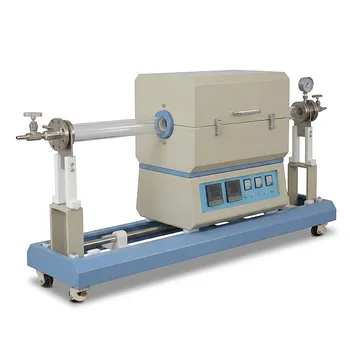
Double Zone Fast Heating Tube Furnace High Temperature Vacuum Atmosphere System
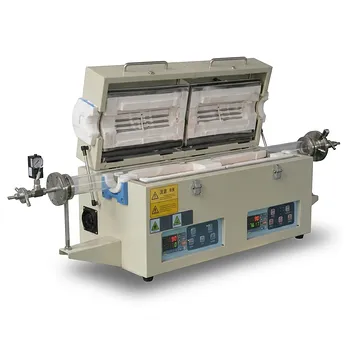
Elongated Two Temperature Zone Pipe Furnace for Industrial Heat Treatment and Material Science Research
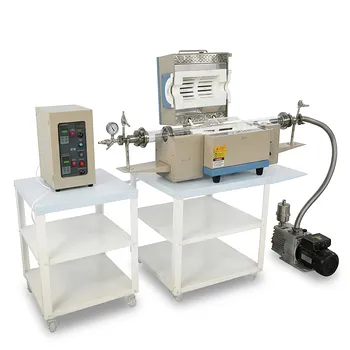
Two Zone Rotary Tube Furnace for Powder CVD Coating and Core Shell Material Synthesis 1100C
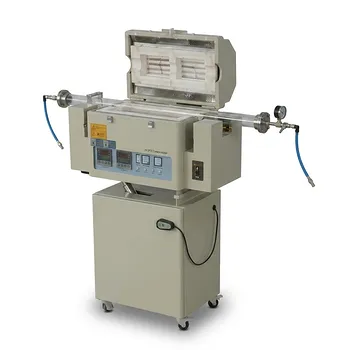
Double Temperature Revolving Tube Furnace with Precision Rotation and Adjustable Inclination for Advanced Material Research