What are the performance advantages of materials synthesized via Pechini precursors? Achieve Superior Battery Capacity
Updated 3 months ago
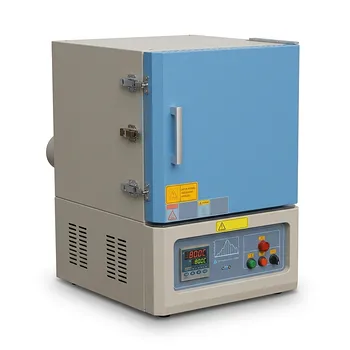
The Pechini precursor method represents a significant advancement in material synthesis, offering a sophisticated path to superior electrochemical performance. Materials synthesized via this route demonstrate significantly higher specific capacity and superior rate performance compared to those produced through traditional solid-state methods. These advantages are a direct result of achieving molecular-level homogeneity before the final heat treatment in a high-temperature reaction furnace.
By utilizing a polymer precursor to lock cations in a molecular-level mix, the Pechini method creates a refined microstructure with smaller grain sizes. This structural optimization shortens lithium-ion diffusion paths and increases active sites, fundamentally enhancing the efficiency of the resulting battery materials.
The Structural Difference: Molecular vs. Bulk Mixing
Cation Pre-mixing at the Molecular Level
Traditional solid-state methods rely on the physical grinding and mixing of solid powders, which inherently limits how well the elements can blend. In contrast, the Pechini process uses a polymer matrix to trap metal ions in a stable network. This ensures that the cations are distributed uniformly at the molecular level before the high-temperature reaction occurs.
Overcoming the Limits of Solid-State Diffusion
In solid-state synthesis, the reaction rate is often limited by the slow diffusion of atoms between solid particles. Because the Pechini method starts with a perfectly mixed precursor, the chemical reaction happens more completely and efficiently. This eliminates the "dead spots" of unreacted material often found in traditional bulk processing.
Microstructural Superiority and Grain Control
Achieving Ultrafine Grain Sizes
The presence of the polymer network during the initial stages of heating helps to physically separate the reacting species. This inhibits the uncontrolled growth of large crystals, resulting in a final product with a significantly smaller grain size. Smaller grains provide a higher surface-area-to-volume ratio, which is critical for chemical reactivity.
Uniformity of Distribution
Beyond just size, the uniform distribution of these grains is a hallmark of furnace-processed Pechini materials. A consistent microstructure ensures that the material responds predictably across its entire volume. This uniformity prevents localized stress points that can degrade a battery over multiple charge cycles.
Translating Microstructure to Battery Performance
Accelerated Lithium-Ion Transport
The performance of an anode material is heavily dependent on how fast ions can move through it. By producing smaller grain sizes, the Pechini method shortens the transport paths for lithium ions. This reduction in distance allows the ions to move in and out of the material more rapidly, enabling superior rate performance during high-current demands.
Maximizing Electrochemical Active Sites
A more refined microstructure naturally creates a greater number of electrochemical active sites. These sites are the specific locations where the energy-storage reactions take place. Increasing the density of these sites leads directly to a higher specific capacity, allowing the battery to store more energy for its weight.
Understanding the Trade-offs
Process Complexity and Cost
While the performance gains are clear, the Pechini method is more complex than simple solid-state mixing. It requires the use of organic chelating agents and poly-hydroxy alcohols, which increases the raw material costs. Additionally, the synthesis involves multiple steps, including gelation and controlled decomposition, which requires more labor and time.
Scalability and Environmental Factors
The use of organic precursors can release gases during the furnace processing stage, requiring robust ventilation and scrubbing systems. Scaling this from a laboratory high-temperature reaction furnace to an industrial production line presents engineering challenges in maintaining molecular-level uniformity. For many standard applications, the lower cost and simplicity of solid-state methods may still be preferred.
How to Apply This to Your Project
When choosing between synthesis methods, consider how the specific requirements of your application weigh against the complexity of the process.
- If your primary focus is high-power delivery: Utilize the Pechini method to minimize ion diffusion paths and ensure the material can handle rapid charging and discharging.
- If your primary focus is maximizing energy density: Choose Pechini-derived materials to take advantage of the increased density of electrochemical active sites and higher specific capacity.
- If your primary focus is cost-sensitive mass production: Traditional solid-state methods are likely more appropriate, provided the material's performance requirements are not at the absolute bleeding edge.
The Pechini method remains the definitive choice for researchers and engineers seeking to push the limits of electrochemical efficiency through precise microstructural control.
Summary Table:
| Feature | Pechini Precursor Method | Traditional Solid-State Method |
|---|---|---|
| Mixing Level | Molecular-level homogeneity | Physical/Bulk mixing |
| Grain Size | Ultrafine, uniform grains | Larger, less uniform crystals |
| Ion Diffusion | Faster (shorter paths) | Slower (longer paths) |
| Capacity/Rate | Superior electrochemical performance | Standard performance |
| Process Cost | Higher (chemicals + steps) | Lower (simpler processing) |
Elevate Your Material Research with THERMUNITS Precision
As a leading manufacturer of high-temperature laboratory equipment for material science, THERMUNITS provides the advanced thermal solutions necessary to master complex synthesis methods like the Pechini process. Achieving molecular-level homogeneity requires the extreme temperature precision and stability found in our industry-leading equipment.
Whether you are focusing on battery innovation or industrial R&D, we offer a comprehensive range of thermal processing solutions tailored to your needs, including:
- Muffle, Vacuum, Atmosphere, and Tube Furnaces
- Rotary and Hot Press Furnaces
- CVD/PECVD Systems and Vacuum Induction Melting (VIM) Furnaces
- Electric Rotary Kilns and Dental Furnaces
- High-Quality Thermal Elements
Ready to enhance your lab's efficiency and material performance? Contact THERMUNITS today to find the perfect heat treatment solution for your project!
References
- Haotian Yang, Aleksander Gurlo. Synthesis and Electrochemical Performance of High‐Entropy Spinel‐Type Oxides Derived from Multimetallic Polymeric Precursors. DOI: 10.1002/aesr.202400146
Mentioned Products
- 1750C Compact Muffle Furnace 1.7L Ultra High Temperature Laboratory Sintering System for Advanced Ceramics and Material Science Research
- 1750C Bench Top Muffle Furnace 3.6L High Grade Molybdenum Disilicide Heating Elements Laboratory Heat Treatment Equipment
- High Temperature Benchtop Muffle Furnace 1500C with 3.6L Chamber and Quartz Observation Window
- High Temperature 1200C Muffle Furnace 27L Volume 12x12x12 Chamber with Programmable PID Controller for Laboratory Material Science
- 1200°C High Temperature Muffle Furnace 19L Chamber with 50 Segment Programmable Controller
People Also Ask
- What role does a laboratory high-temperature muffle furnace play in the ash analysis phase of biomass co-firing research? [Guide]
- What is the function of a high-temp muffle furnace in Ni-V oxide synthesis? Optimize your material's performance.
- What role does a high-temperature muffle furnace play in the synthesis of Melem precursors? Precision Polymerization.
- What is the function of a high-temperature muffle furnace in phosphorus-modified zeolite catalyst preparation?
- What is the function of a muffle furnace in aluminoborosilicate glass prep? Stabilize Raw Materials for Superior Purity

Tech Team · ThermUnits
Last updated on Jun 02, 2026
Related Products
1750C Compact Muffle Furnace 1.7L Ultra High Temperature Laboratory Sintering System for Advanced Ceramics and Material Science Research
1750C Bench Top Muffle Furnace 3.6L High Grade Molybdenum Disilicide Heating Elements Laboratory Heat Treatment Equipment
High Temperature Benchtop Muffle Furnace 1500C with 3.6L Chamber and Quartz Observation Window
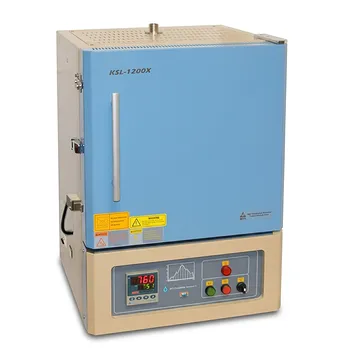
High Temperature 1200C Muffle Furnace 27L Volume 12x12x12 Chamber with Programmable PID Controller for Laboratory Material Science
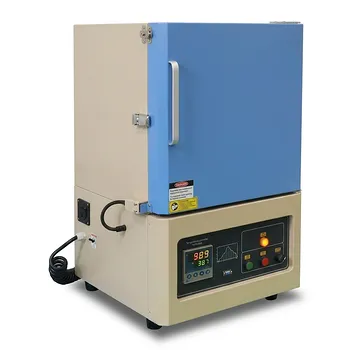
1200°C High Temperature Muffle Furnace 19L Chamber with 50 Segment Programmable Controller
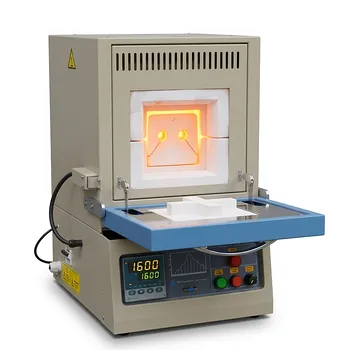
High Temperature Compact Muffle Furnace 1700 C with 30 Segment Programmable Controller and 1.7L Cubic Chamber
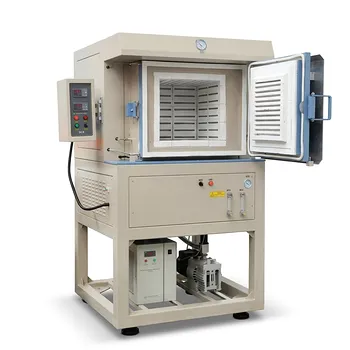
1200°C Five Side Heating Atmosphere Controlled Muffle Furnace 64 Liter High Uniformity Box Furnace for Material Synthesis
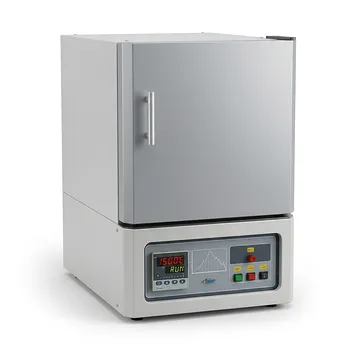
High Temperature 1500C Benchtop Muffle Furnace 3.6L Alumina Fiber Chamber Programmable Controller Sintering Annealing Carbonization Thermal Processing System
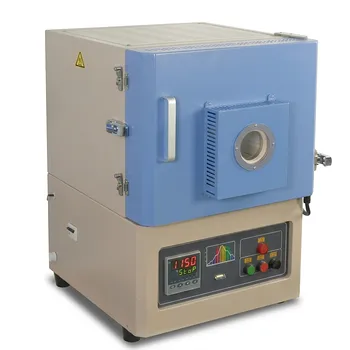
High Temperature Benchtop Muffle Furnace with Quartz Observation Window for Thermal Imaging and Material Analysis
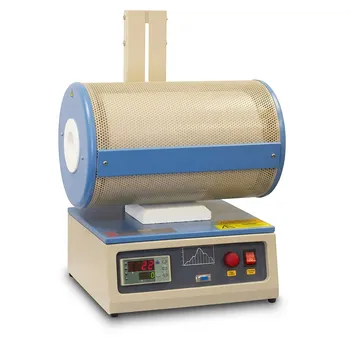
Multi Position Tube Furnace 1100C for Laboratory Material Research and Advanced Industrial Thermal Processing
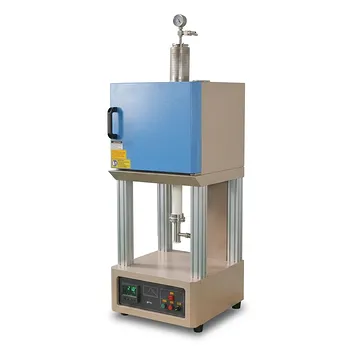
Hybrid High Temperature Tube and Box Furnace 1700C with 2 Inch Alumina Tube for Material Research
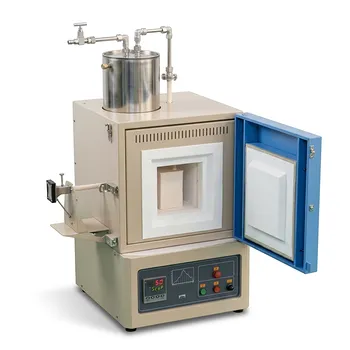
High Temperature Bench Top Muffle Furnace 1700C with Integrated Evaporating Particle Collection and 8x8x8 Alumina Fiber Chamber
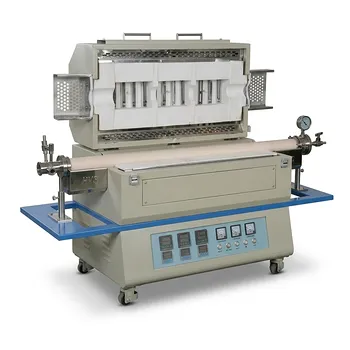
Three Temperature Zone Fast Heating Furnace 1500C Laboratory High Precision Thermal Processing System
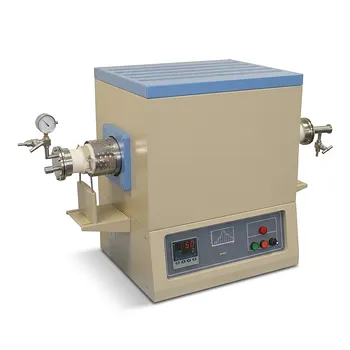
1700C High Temperature Alumina Tube Furnace with 18 Inch Heated Zone and Vacuum Sealing Flanges
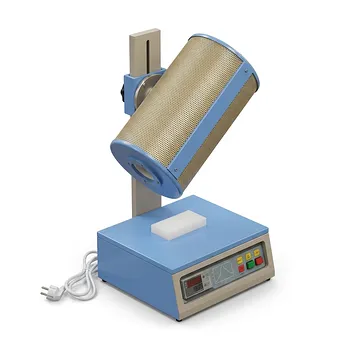
1100°C Vertical Laboratory Furnace for DIY Tubular Reactors with PID Temperature Controller
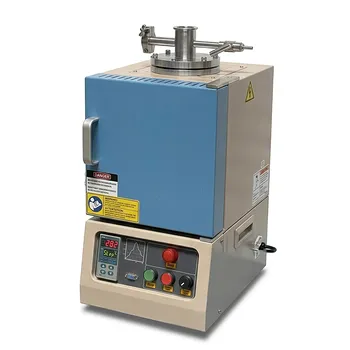
High Temperature Hybrid Muffle and Tube Furnace with Vacuum Capability and PID Control
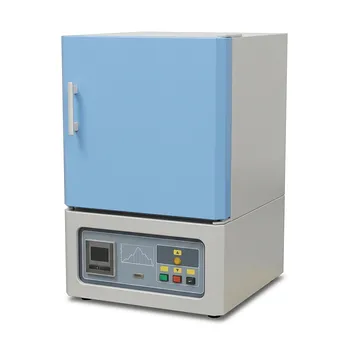
1800C Bench Top Muffle Furnace with Kanthal Super 1900 Heating Elements and 3.6L Alumina Fiber Chamber
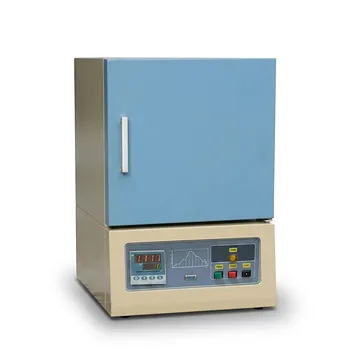
Ultra High Temperature Bench Top Muffle Furnace 1750C Sintering System with Kanthal Super Heating Elements and Precision Digital Control
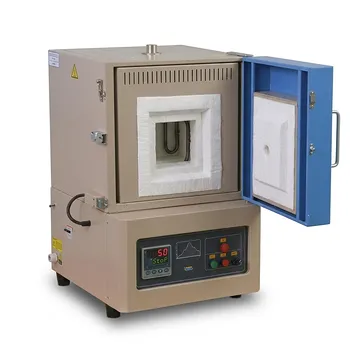
1800°C Bench Top Ultra High Temperature Muffle Furnace with Sapphire Observation Window and Top Feeding Port for Materials Research and Thermal Processing