What is the primary function and operating principle of an atmosphere furnace? Master Controlled Thermal Processing
Updated 5 months ago
An atmosphere furnace is a specialized thermal processing system designed to control the chemical environment surrounding a material during heating. Its primary function is to prevent surface degradation, such as oxidation, or to actively alter the material's surface chemistry through controlled gas-solid interactions. It operates by isolating a sealed chamber from ambient air and introducing specific gas mixtures—such as nitrogen, argon, or hydrogen—at regulated temperatures typically ranging from 500°C to 1200°C.
The atmosphere furnace serves as a precision tool that decouples the thermal process from the surrounding environment. By replacing oxygen with tailored gas mixtures, it ensures that materials like metals and ceramics achieve their required physical properties without contamination or unwanted chemical reactions.
The Core Operating Principles
Atmospheric Isolation and Oxygen Removal
The first stage of operation involves hermetically sealing the furnace chamber to prevent the ingress of ambient air. This isolation is critical because oxygen and moisture at high temperatures cause rapid oxidation and surface decarburization, which can ruin the structural integrity of the workpiece. In many advanced systems, a vacuum is briefly pulled to evacuate air before the desired atmosphere is introduced.
Positive Pressure and Gas Regulation
Once isolated, the furnace introduces a specific gas mixture maintained at a slight positive pressure. This pressure ensures that any microscopic leaks in the seals result in gas escaping rather than oxygen entering the chamber. Depending on the goal, the gas may be inert (like Argon or Nitrogen) to protect the material, or chemically active (like endothermic gases) to facilitate processes like carburizing.
Uniform Thermal Energy Transfer
To ensure consistent results, atmosphere furnaces utilize electric resistance or radiant tube heating elements. Internal fans or blowers are often used to circulate the atmosphere, ensuring that both the temperature and the gas concentration are uniform across the entire workload. This circulation is vital for the repeatable preparation of complex materials, such as functional nanomaterials and superconductors.
Surface Protection vs. Surface Modification
Neutral Environments for Protection
For processes like annealing or sintering, the furnace acts as a protective shield. By using high-purity inert gases, the furnace prevents hydrolysis or oxidative combustion, which is essential when processing materials like cellulose composite fibers or reactive metal powders. This allows the material to reach high temperatures while maintaining its original chemical composition and morphology.
Active Environments for Thermochemical Changes
Conversely, an atmosphere furnace can be used to actively change the surface chemistry of a part. In processes like carburizing or nitriding, the furnace introduces carbon-rich or nitrogen-rich gases that diffuse into the surface of the metal. This creates a hard, wear-resistant outer layer while maintaining a ductile core, a process impossible to achieve in a standard air-filled oven.
Understanding the Trade-offs
Safety and Gas Management
Operating with "active" atmospheres introduces significant safety requirements, particularly when using Hydrogen or endothermic gases. These gases can be explosive or toxic, requiring sophisticated monitoring systems, burn-off flares, and emergency purge tanks. The complexity of these safety systems increases the initial capital and ongoing maintenance costs of the equipment.
Cost vs. Purity Requirements
High-purity gases like Argon or Helium are expensive and can significantly increase the per-part processing cost. While they provide the highest level of protection for sensitive materials, many industrial applications must balance the need for gas purity against economic viability. Furthermore, maintaining the integrity of high-temperature seals requires rigorous preventative maintenance to avoid atmospheric contamination.
How to Apply This to Your Project
Making the Right Choice for Your Goal
To determine the best atmospheric configuration, you must align the furnace capabilities with your material's sensitivity and your final performance requirements.
- If your primary focus is preventing surface oxidation on common steels: Utilize a nitrogen-based atmosphere with a slight positive pressure to provide a cost-effective, non-reactive environment.
- If your primary focus is increasing surface hardness (Case Hardening): Choose a furnace capable of regulating chemically active gases, such as those used in carburizing or carbonitriding.
- If your primary focus is processing reactive ceramics or nanomaterials: Opt for an atmosphere tube furnace with multi-stage programmable controls and high-purity Argon to ensure phase purity.
- If your primary focus is high-purity sintering of metal powders: Ensure the system includes a vacuum-purge capability to eliminate oxygen pockets before introducing the protective gas.
By precisely matching the gaseous environment to the thermal cycle, you transform the furnace from a simple heat source into a sophisticated chemical reactor.
Summary Table:
| Component/Process | Description | Primary Benefit |
|---|---|---|
| Atmospheric Isolation | Hermetically sealed chamber with vacuum-purge options | Prevents oxidation and contamination |
| Gas Regulation | Controlled introduction of inert or active gases | Protects or modifies surface chemistry |
| Positive Pressure | Maintaining internal pressure higher than ambient | Blocks oxygen ingress from micro-leaks |
| Thermal Transfer | Circulated electric resistance or radiant heating | Ensures uniform material properties |
| Safety Systems | Monitoring, burn-off flares, and purge tanks | Enables safe use of explosive/toxic gases |
Elevate Your R&D with THERMUNITS Precision Solutions
Are you looking to eliminate oxidation or achieve precise surface modifications in your advanced materials? THERMUNITS is a leading manufacturer of high-temperature laboratory equipment dedicated to supporting material science and industrial R&D worldwide.
We offer a comprehensive range of high-performance thermal processing solutions designed for accuracy and durability, including:
- Atmosphere & Vacuum Furnaces for high-purity environments.
- Tube, Rotary, & Muffle Furnaces for versatile lab applications.
- CVD/PECVD Systems for advanced thin-film research.
- Hot Press & Vacuum Induction Melting (VIM) Furnaces for specialized metallurgy.
- Dental Furnaces & Thermal Elements for industry-specific needs.
Whether you are processing reactive ceramics, functional nanomaterials, or high-strength alloys, THERMUNITS provides the expertise and equipment to ensure your thermal cycles are repeatable and contamination-free.
Ready to optimize your heat treatment process? Contact our technical team today to discuss your project requirements and discover how our solutions can enhance your laboratory's capabilities.
Mentioned Products
- Roller Table Atmosphere Furnace 1500C High Temperature Battery Material Sintering System 112L Capacity
- High Temperature Vertical Atmosphere Controlled Furnace 1700C Automatic Bottom Loading 13 Liter Vacuum Thermal System
- 1650C High Temperature Atmosphere Controlled Box Furnace with 65L Chamber for Advanced Material Sintering and Industrial Heat Treatment
- 1200C Hydrogen Atmosphere Box Furnace with 5 Heated Sides and 64L Chamber
- 1200°C Atmosphere Controlled Automatic Bottom Loading Furnace with 6 Inch Quartz Tube
People Also Ask
- How does a high-temperature sintering furnace environment enhance NdFeB magnets? Achieve 98%+ density with precision.
- How does the temperature control precision of a high-temperature sintering furnace affect Na1+xLa1-xZr2O6-δ ceramics?
- How are electric heating elements designed to operate within carburizing atmospheres? Top Design Strategies Revealed
- How does a high-temperature sintering furnace contribute to the interfacial strengthening of SS316L and zirconia?
- Why is a high-temperature sintering furnace required for the preparation of Li(Nb,Ta)O3 precursors? Essential Insights

Tech Team · ThermUnits
Last updated on Apr 14, 2026
Related Products
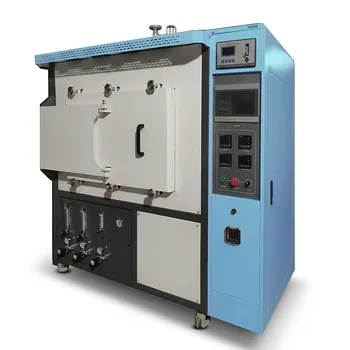
Roller Table Atmosphere Furnace 1500C High Temperature Battery Material Sintering System 112L Capacity
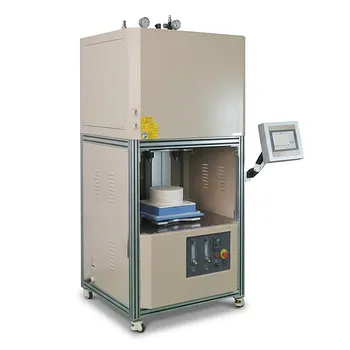
High Temperature Vertical Atmosphere Controlled Furnace 1700C Automatic Bottom Loading 13 Liter Vacuum Thermal System
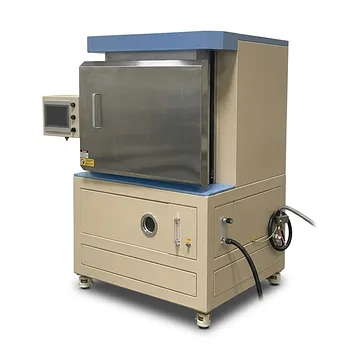
1650C High Temperature Atmosphere Controlled Box Furnace with 65L Chamber for Advanced Material Sintering and Industrial Heat Treatment
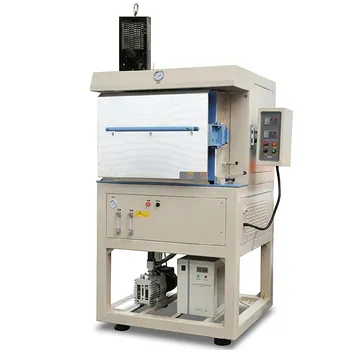
1200C Hydrogen Atmosphere Box Furnace with 5 Heated Sides and 64L Chamber
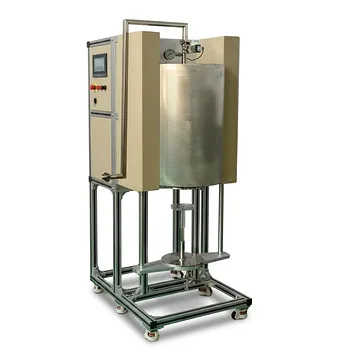
1200°C Atmosphere Controlled Automatic Bottom Loading Furnace with 6 Inch Quartz Tube
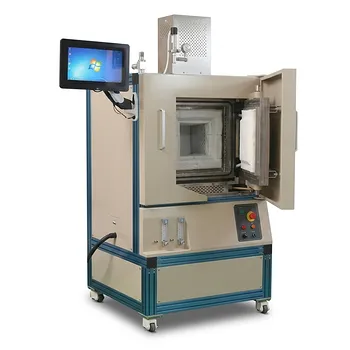
High Temperature Oxygen and Inert Atmosphere Controlled Furnace 8 Liter 1700C Sintering System for Advanced Materials RD
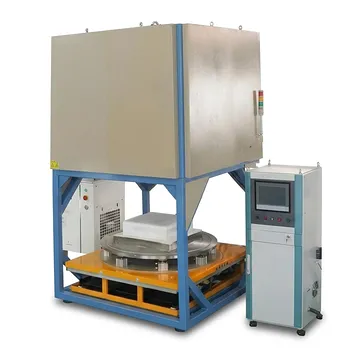
Bottom Loaded Inert Gas Atmosphere Box Furnace 1400C Maximum Temperature 125L High Capacity Laboratory Heat Treatment System
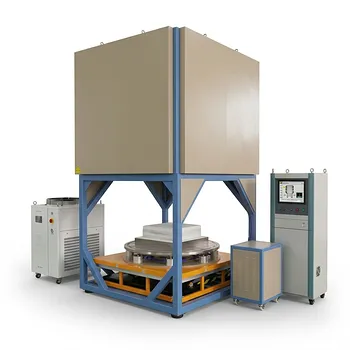
Bottom Loaded Inert Gas Atmosphere Box Furnace 1700C 1300C 216L Large Capacity Industrial Thermal Processing System
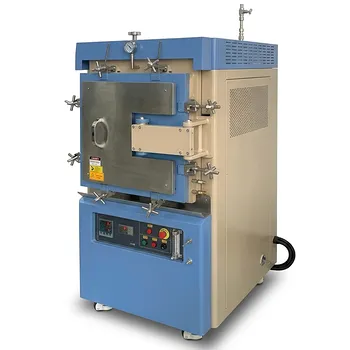
Atmosphere Controlled Muffle Furnace 1700C Maximum Temperature 80L High Capacity Vacuum Inert Gas Box Furnace
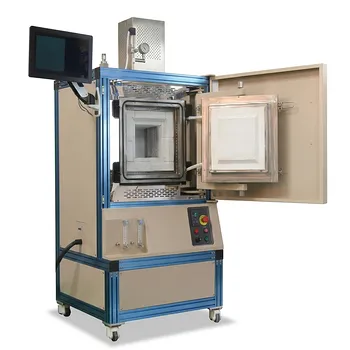
High Temperature Hydrogen Atmosphere Box Furnace 1650C Max Reducing Environment Material Synthesis System 8x8x8 Chamber
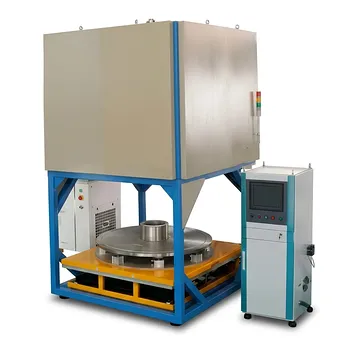
1400C Bottom Loaded Inert Gas Atmosphere Box Furnace with 125L Capacity and Precision Hydraulic Lift
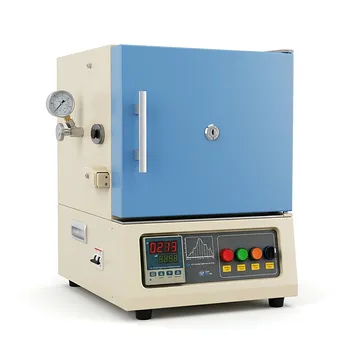
1200C Hybrid Muffle and Tube Furnace for Material Research with Dual Atmosphere Control Quartz Tubes
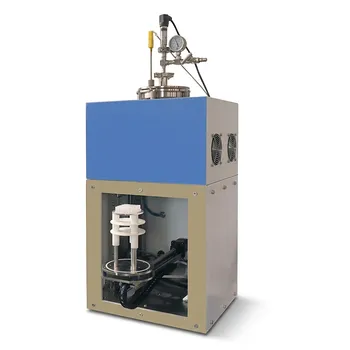
Rapid Thermal Processing RTP Atmosphere Controlled Bottom Loading Furnace 1100C High Throughput 50C per Second Heating Rate
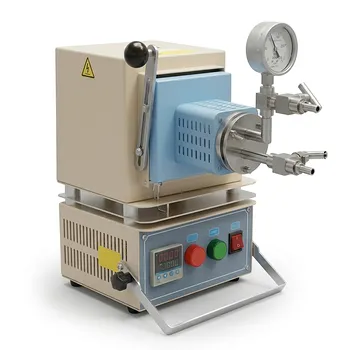
Compact Hybrid Muffle and Tube Furnace for 1000C Controlled Atmosphere Laboratory Material Sintering
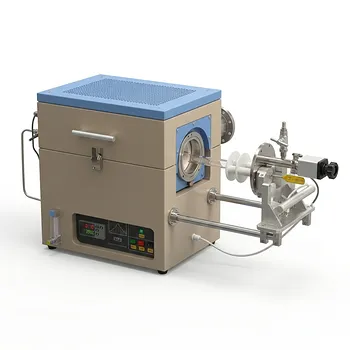
Compact Atmosphere Controlled Rapid Thermal Processing RTP Furnace with 4 Inch ID Quartz Tube 1100C
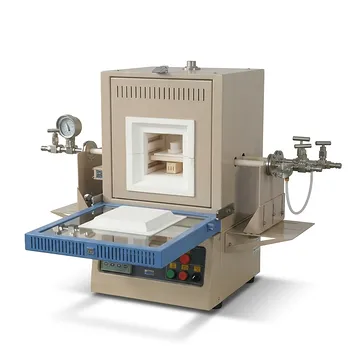
1700C Compact Hybrid Furnace with Dual Layer Box Sintering and Controlled Atmosphere Alumina Tubes

Vertical 1700C Vacuum and Atmosphere Tube Furnace with 80mm Alumina Tube
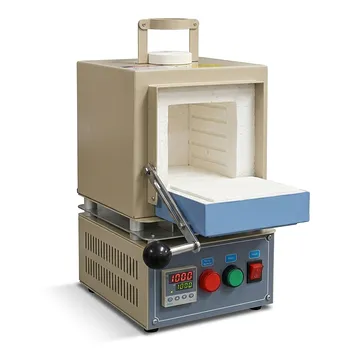
Compact 1000C Muffle Furnace with Programmable Controller and 2 Inch Top Port for Vacuum and Atmosphere Material Research
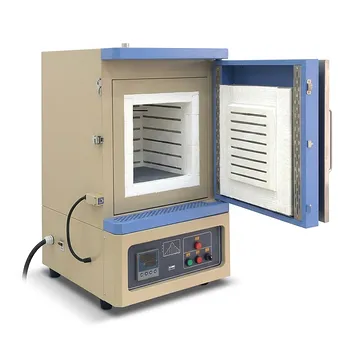
Five Side Heating Muffle Furnace High Purity Alumina Fiber 27L Chamber 1200C High Temperature Thermal Processing System for Sintering Annealing and Materials Research