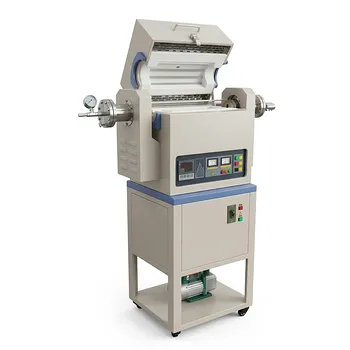
What are the process advantages of a tube activation furnace? Precise Pore Engineering for High-Performance Carbon
Updated 3 months ago
A tube activation furnace equipped with a program-controlled temperature system provides the precise kinetic control and atmospheric stability necessary to engineer the specific surface area and pore structure of activated carbon. This equipment allows researchers and manufacturers to dictate heating rates (e.g., 5–10 °C/min), exact holding times, and the seamless transition between inert and reactive gases at high temperatures. These capabilities ensure that the chemical reactions responsible for pore formation proceed uniformly, preventing structural collapse and maximizing adsorption capacity.
The core advantage of this system lies in its ability to transform high-temperature activation from a blunt thermal process into a precise chemical engineering task. By strictly controlling the thermal ramp and gas environment, it enables the creation of carbon materials with optimized micropore distributions and specific surface areas exceeding 1900 m²/g.
Precision Control of Thermal Kinetics
Managing Heating Rates and Pore Integrity
A program-controlled system strictly executes specific heating rates, such as 5°C/min or 10°C/min. This precision is critical for regulating the kinetics of the carbonization reaction, ensuring that volatiles are removed steadily without causing the pore structures to close or collapse due to rapid thermal shock.
Exact Holding Times for Uniform Activation
The ability to set specific holding times at peak temperatures (e.g., 800–950 °C) ensures that the activation agent reacts fully with the carbon precursor. This leads to a uniform disproportionation reaction, where the etching of the carbon skeleton occurs consistently throughout the material rather than just on the surface.
Dynamic Atmosphere Management
Seamless Multi-Channel Gas Switching
These furnaces facilitate stable switching between atmospheres, typically moving from nitrogen (N2) for initial carbonization to carbon dioxide (CO2) or other agents for activation. This transitions the process from a protective state to a controlled redox reaction that carves out the internal pore network.
Prevention of Oxidative Damage
By maintaining a precisely controlled atmosphere or sealed condition, the furnace protects the carbon skeleton from accidental oxidative damage. Using high-purity inert gases like argon or nitrogen ensures that the chemical activation (using agents like KOH or NaOH) happens in an oxygen-free environment, preserving the structural integrity of the resulting material.
Impact on Material Morphology
Regulation of Micropore Distribution
The combination of stable heat and controlled gas flow allows for the precise regulation of micropore and mesopore volumes. This is essential for applications requiring specific molecular "sieving" capabilities, where the size of the pores must match the size of the target adsorbates.
Maximizing Specific Surface Area
High-temperature treatment in a tube furnace can increase the specific surface area of waste or precursor carbon from negligible levels to over 1900 m²/g. This massive increase in surface area is the primary driver behind the material's energy storage capabilities and adsorption efficiency in industrial filters.
Understanding the Trade-offs
Scale and Throughput Limitations
While tube furnaces offer superior precision, they are often limited by volume constraints. The "tube" geometry is ideal for uniform heating and gas flow in laboratory or pilot scales, but achieving the same level of precision in massive industrial batch reactors presents significant engineering challenges.
Maintenance of High-Temperature Seals
Operating at temperatures up to 1100°C while switching gases requires robust sealing mechanisms. Over time, the thermal cycling can stress gaskets and connections; any leak that introduces oxygen during the high-temperature phase can lead to the "burn-off" of the carbon sample, ruining the batch.
Making the Right Choice for Your Goal
When utilizing a program-controlled tube furnace for activation, your specific objectives should dictate your process parameters.
- If your primary focus is maximizing adsorption capacity: Utilize a slow heating ramp (5°C/min) and a high-temperature CO2 activation phase to ensure the deepest possible pore development.
- If your primary focus is energy storage (supercapacitors): Prioritize chemical activation with agents like KOH at a constant temperature of 750-850°C under an inert argon atmosphere to maximize surface area.
- If your primary focus is material recycling (SAC regeneration): Use shorter holding times and lower temperatures to restore existing pore structures without unnecessarily consuming the carbon skeleton.
By leveraging the programmable precision of a tube furnace, you can transition from trial-and-error carbonization to a repeatable, scientifically rigorous activation process.
Summary Table:
| Advantage | Key Feature | Process Benefit |
|---|---|---|
| Thermal Kinetics | Programmable Heating Rates | Prevents pore collapse and ensures uniform carbonization. |
| Atmosphere Control | Multi-channel Gas Switching | Enables precise redox reactions (N2 to CO2) for pore etching. |
| Pore Engineering | Stable High-Temp Holding | Maximizes specific surface area (up to 1900 m²/g). |
| Structural Integrity | Sealed Inert Environment | Protects carbon skeletons from accidental oxidative damage. |
Elevate Your Material Research with THERMUNITS
As a leading manufacturer of high-temperature laboratory equipment, THERMUNITS empowers material science and industrial R&D with precision-engineered thermal solutions. From Tube and Atmosphere furnaces optimized for activated carbon production to Vacuum, Muffle, Rotary, and Hot Press furnaces, our equipment provides the accuracy required for advanced pore engineering and structural integrity.
Whether you are working on CVD/PECVD systems, vacuum induction melting (VIM), or specialized Dental Furnaces, our comprehensive range of heat treatment solutions ensures repeatable, scientifically rigorous results.
Ready to optimize your thermal processing? Contact THERMUNITS today to consult with our experts on the perfect furnace for your application!
References
- Yizhong Li, Guidong Yang. Design and Preparation of Activated Carbon with High Specific Surface Area and Porosity Through an Organic Activator Coupled with CO<sub>2</sub> Activation. DOI: 10.1002/admi.202400450
Mentioned Products
- Electric Rotary Kiln Small Rotary Furnace for Activated Carbon Regeneration
- Two Zone Rotary Tube Furnace for Powder CVD Coating and Core Shell Material Synthesis 1100C
- High Temperature 1700C Vertical Tube Furnace for Powder Spherification and Material Sintering
- 5 Inch Three Zone Rotary Tube Furnace with Integrated Gas Delivery System and 1200C Capability for Advanced Material CVD Processing
- 1200C Sliding Tube Furnace for Rapid Thermal Processing and CVD Graphene Growth with 100mm OD Capacity
People Also Ask
- What are the primary components and heating mechanisms of an electric rotary kiln? Optimize High-Purity Heat Treatment
- Which minerals and specialty chemicals are commonly processed using electric rotary kilns? Precision Thermal Processing Guide
- What are the maintenance and service life advantages of an electric rotary kiln? 25+ Year Longevity & Low Maintenance
- How does the use of an electric rotary kiln facilitate CO2 capture in cement and lime production? Achieve High-Purity CCUS
- What thermal efficiency can be expected from an electric rotary kiln compared to fuel-fired alternatives? Gain 95% efficiency.

Tech Team · ThermUnits
Last updated on Jun 03, 2026
Related Products
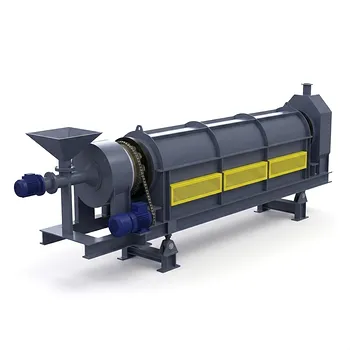
Electric Rotary Kiln Small Rotary Furnace for Activated Carbon Regeneration
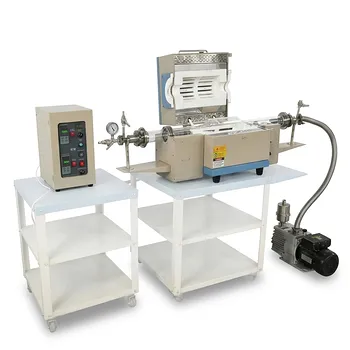
Two Zone Rotary Tube Furnace for Powder CVD Coating and Core Shell Material Synthesis 1100C

High Temperature 1700C Vertical Tube Furnace for Powder Spherification and Material Sintering
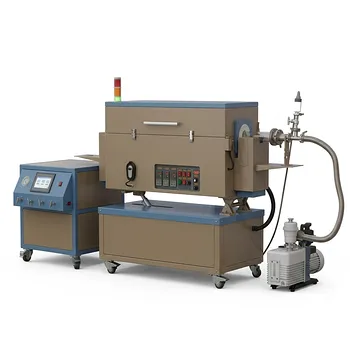
5 Inch Three Zone Rotary Tube Furnace with Integrated Gas Delivery System and 1200C Capability for Advanced Material CVD Processing
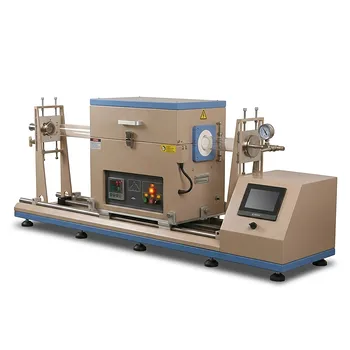
1200C Sliding Tube Furnace for Rapid Thermal Processing and CVD Graphene Growth with 100mm OD Capacity
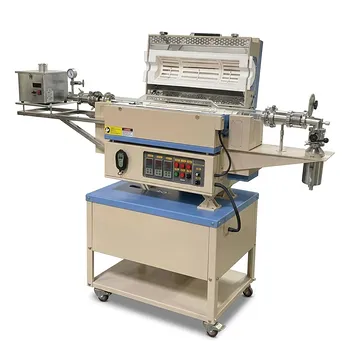
5 Inch Rotary Tube Furnace with Automatic Feeding and Receiving System 1200C Three Zone CVD Powder Processing
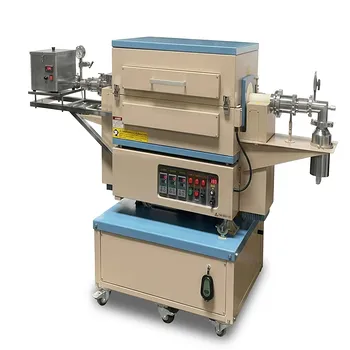
1500C 3-Zone Rotary Tube Furnace 60mm with Automatic Powder Feeding and Receiving System for Continuous Material Synthesis

Compact Vertical Split Quartz Tube Furnace with Stainless Steel Vacuum Flanges for Rapid Thermal Quenching and Controlled Atmosphere Material Processing
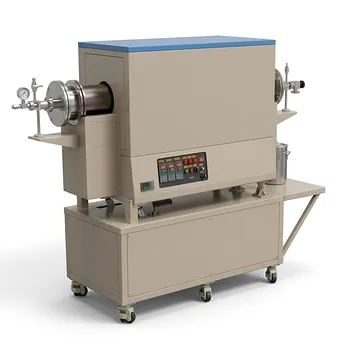
900°C Max Rotary Tube Furnace with 8 Inch 310S Alloy Tube and Optional Multi Zone Heating for Industrial Material Calcination

Compact High Temperature 1600C Tube Furnace with 50mm Alumina Tube and Vacuum Flanges for Material Sintering
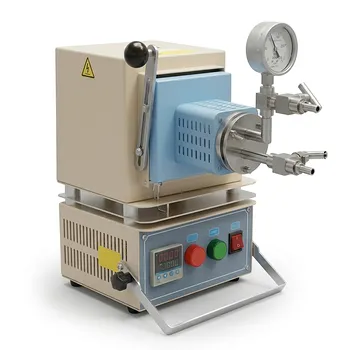
Compact Hybrid Muffle and Tube Furnace for 1000C Controlled Atmosphere Laboratory Material Sintering
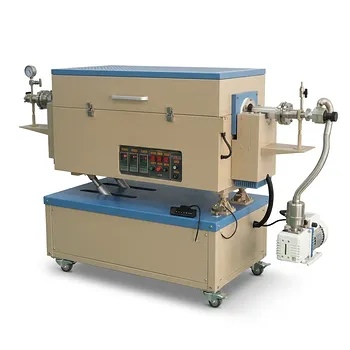
Three Zone Rotary Tube Furnace for High Temperature Powder Processing and Material Research
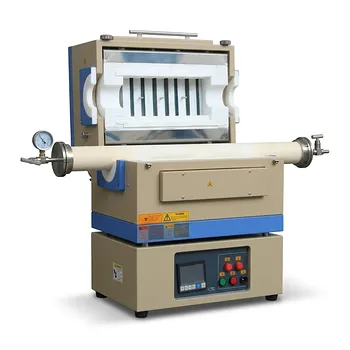
1500C Eight Zone Split Tube Furnace for Thermal Gradient Processing and Advanced Material Research

High Temperature Automated 5 Inch Tube Furnace for Autonomous Material Research and Advanced Laboratory R&D
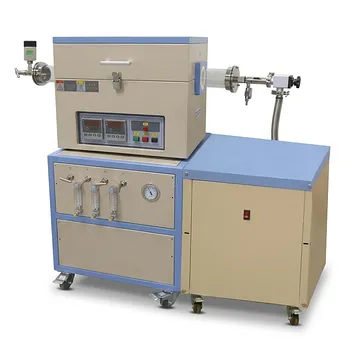
Dual Zone Quartz Tube Furnace with 80mm Diameter 1200C Max Temperature 3 Channel Gas Mixer and Vacuum Pump System

Vertical 1700C Vacuum and Atmosphere Tube Furnace with 80mm Alumina Tube

1800C High Temperature Compact Vacuum Tube Furnace with 60mm OD Alumina Tube and Kanthal MoSi2 Heating Elements

1200C High Throughput Multi Channel Tube Furnace with 50mm Quartz Tubes for Annealing and Material Phase Diagram Research
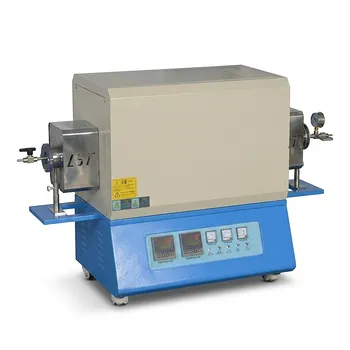
High Temperature Dual Zone Vacuum Tube Furnace for Material Research and CVD Processing