What are the selection criteria for using high-purity aluminum oxide crucibles? Ensure Purity in Thermal Treatment.
Updated 3 months ago
The selection of high-purity aluminum oxide (alumina) crucibles is dictated by their exceptional chemical inertness and structural stability at extreme temperatures. In the thermal treatment of protic salt precursors, these crucibles are used because they withstand corrosive decomposition products, such as phosphorus-containing species, at temperatures reaching 1000°C. This ensures that the container does not react with the specimen or introduce impurities that would compromise the integrity of the experimental data.
High-purity alumina provides a chemically "invisible" environment, preventing the crucible material from interfering with the sample's chemical composition or mass measurements. This stability is essential for accurately correlating material properties, such as doping levels and surface area, during high-temperature carbonization or oxidation.
The Necessity of Chemical Inertness
Resistance to Corrosive Decomposition Products
Protic salt precursors, such as those containing phytic acid, release aggressive phosphorus-containing species during decomposition. High-purity alumina is specifically selected for its ability to resist chemical erosion from these species during carbonization.
Without this resistance, the crucible surface would degrade, potentially leaching unwanted elements into the sample. This protection is vital for maintaining the purity of carbon samples and ensuring that observed results are representative of the precursor alone.
Maintaining Sample Purity for Doping Accuracy
When studying the relationship between doping levels and surface area, any contamination from the crucible can skew the results. Alumina's inert nature ensures that no secondary reactions occur between the vessel and the precursors.
This allows researchers to establish a precise and reliable correlation between the experimental variables. By eliminating external contamination, the high-purity alumina crucible acts as a controlled environment for complex chemical transformations.
Thermal Stability and Mass Integrity
High-Temperature Performance Thresholds
High-purity alumina crucibles are designed to operate effectively at temperatures up to 1000°C. Throughout this range, the material maintains its structural integrity without softening or losing its inert properties.
This thermal resilience makes them the preferred choice for processes like high-temperature carbonization. They provide a consistent platform for thermal treatment that remains stable across multiple heating cycles.
Eliminating Interference in Gravimetric Analysis
In experiments involving mass measurement, such as alloy oxidation, the crucible must exhibit zero mass fluctuation. High-purity alumina does not react with oxygen in the air or the specimen itself at temperatures around 950°C.
This lack of reactivity ensures that any recorded mass gain or loss is strictly attributed to the specimen. By removing the risk of "container interference," alumina crucibles allow for hyper-accurate gravimetric data.
Understanding the Trade-offs
Sensitivity to Thermal Shock
Despite its chemical and thermal stability, high-purity alumina is a ceramic and is inherently brittle. It is highly sensitive to rapid temperature changes, which can lead to cracking or catastrophic failure.
To avoid this, heating and cooling rates must be strictly controlled. Researchers must balance the need for high-temperature exposure with the physical limitations of the ceramic structure.
Limitations with Specific Reactive Fluxes
While alumina resists phosphorus, it is not universally inert to all chemicals. It can be vulnerable to strong alkaline fluxes or certain molten salts at elevated temperatures.
Before selection, you must verify that your specific protic salt chemistry does not contain components that act as a solvent for aluminum oxide. Failure to account for this can lead to the crucible dissolving into the sample.
How to Apply This to Your Project
When selecting a crucible for thermal treatment, your choice should be guided by the specific chemical interactions and measurement requirements of your experiment.
- If your primary focus is investigating phosphorus-doped carbons: Utilize high-purity alumina to prevent crucible erosion and ensure the accuracy of your doping and surface area measurements.
- If your primary focus is precise gravimetric (mass gain) analysis: Choose alumina for its lack of mass fluctuation in air, ensuring that the container does not interfere with the specimen’s oxidation data.
- If your primary focus is high-temperature stability up to 1000°C: Rely on alumina’s thermal resilience, but ensure you implement slow heating and cooling ramps to prevent thermal shock.
Selecting the right high-purity alumina crucible is the foundation for obtaining repeatable, uncontaminated, and scientifically defensible thermal analysis data.
Summary Table:
| Feature | Key Benefit | Experimental Value |
|---|---|---|
| Chemical Inertness | Resists corrosive phosphorus species | Prevents sample contamination & ensures purity |
| Thermal Stability | Maintains integrity up to 1000°C | Reliable performance during high-temp carbonization |
| Mass Integrity | Zero mass fluctuation in air | Critical for accurate gravimetric & oxidation analysis |
| Structural Detail | High-purity ceramic composition | Chemically "invisible" environment for specimens |
| Cautionary Note | Brittle ceramic structure | Requires controlled heating/cooling to avoid shock |
Elevate Your Research with THERMUNITS High-Performance Solutions
Achieving precise results in high-temperature material science requires the right equipment. THERMUNITS is a leading manufacturer of premium thermal processing solutions tailored for industrial R&D and advanced material laboratories. Whether you are working with protic salt precursors or complex alloy oxidation, our equipment ensures the accuracy and reliability your project demands.
Our Comprehensive Range Includes:
- Furnaces: Muffle, Vacuum, Atmosphere, Tube, Rotary, and Hot Press Furnaces.
- Advanced Systems: CVD/PECVD systems, Vacuum Induction Melting (VIM), and Dental Furnaces.
- Components: Electric rotary kilns, Thermal Elements, and specialized heat treatment equipment.
Don't let equipment limitations compromise your experimental data. Contact us today to discuss how our heat treatment solutions can optimize your lab's efficiency and results.
References
- Alina Brzęczek‐Szafran, Dawid Janas. Bio-based protic salts as precursors for sustainable free-standing film electrodes. DOI: 10.1038/s41598-024-61553-x
Mentioned Products
- Compact 1100C Muffle Furnace with Programmable Temperature Control and High Purity Alumina Insulation for Material Research
- 600°C Vertical Crucible Furnace with SS316 Alloy Reactor and 6 Port Vacuum Flange
- 1100C High Temperature Vacuum Crucible Furnace with Quartz Chamber for Thermal Processing and Sintering
- High Temperature Vertical Crucible Furnace with 22L Heating Chamber and 1200C Maximum Temperature
- Vertical Crucible Furnace 1000C High Temperature Laboratory Equipment 4.7 Inch Diameter Chamber SS316 Anti Corrosive Enclosure
People Also Ask
- Why is 1100°C in situ annealing required after LZO and DTO deposition? Achieve High-Quality Thin Film Synthesis
- What are the advantages of using high-purity alumina boats in 1100 °C carbonization? Ensure Purity and Stability.
- What technical capabilities must a high-temperature furnace possess for 1100°C HEA annealing? Precision & Stability.
- Why are high-purity alumina (Al2O3) substrates selected as carriers? Optimal Stability for Vanadium Oxide Reduction
- Why are high-purity alumina crucibles preferred as sample containers in high-temperature sintering experiments? Key Facts

Tech Team · ThermUnits
Last updated on Jun 03, 2026
Related Products
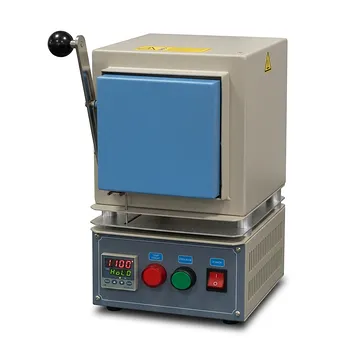
Compact 1100C Muffle Furnace with Programmable Temperature Control and High Purity Alumina Insulation for Material Research
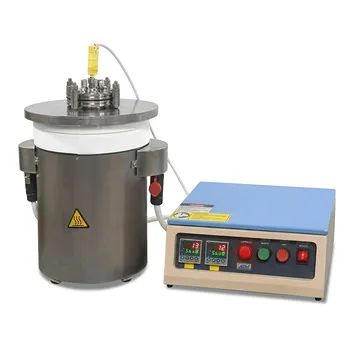
600°C Vertical Crucible Furnace with SS316 Alloy Reactor and 6 Port Vacuum Flange
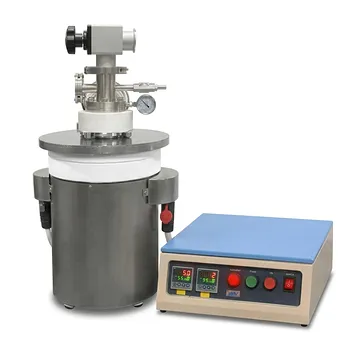
1100C High Temperature Vacuum Crucible Furnace with Quartz Chamber for Thermal Processing and Sintering
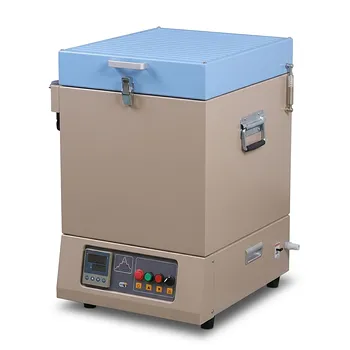
High Temperature Vertical Crucible Furnace with 22L Heating Chamber and 1200C Maximum Temperature
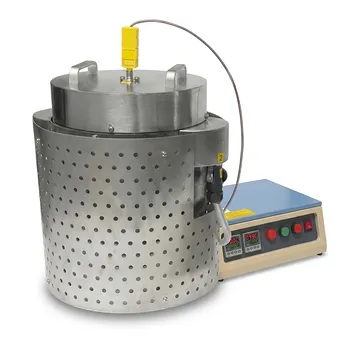
Vertical Crucible Furnace 1000C High Temperature Laboratory Equipment 4.7 Inch Diameter Chamber SS316 Anti Corrosive Enclosure
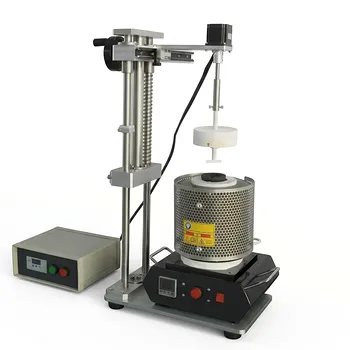
1100C Crucible Melting Furnace with Stirring Function for Glovebox and Air Sensitive Alloy Research
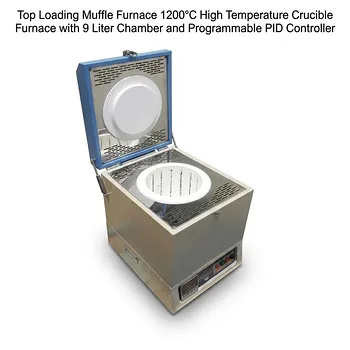
Top Loading Muffle Furnace 1200°C High Temperature Crucible Furnace with 9 Liter Chamber and Programmable PID Controller
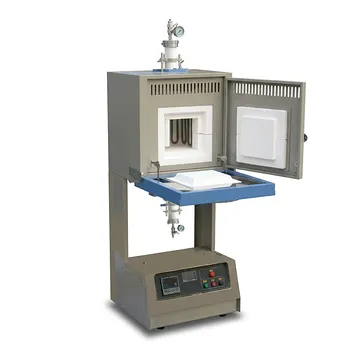
Vertical Hybrid High Temperature Furnace 1500C Alumina Tube SOFC Fuel Cell Testing Laboratory Heat Treatment Research Equipment
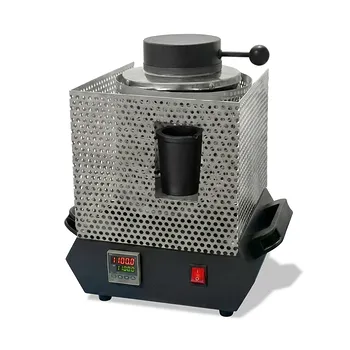
Compact Crucible Melting Furnace 1100C Programmable Temperature Controller Metal Sintering Equipment
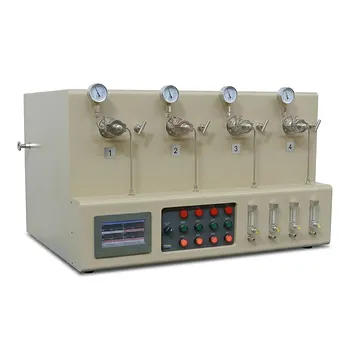
High Temperature 1700C 4 Channel Tube Furnace 1 Inch Alumina Tube for Hi-Throughput Annealing
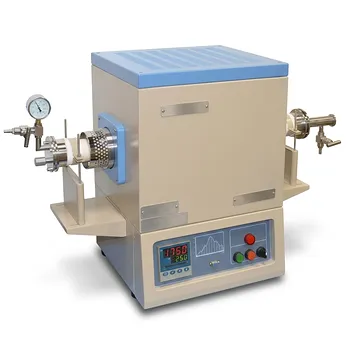
High Temperature Compact Vacuum Tube Furnace 1750C Max 60mm OD Alumina Tube
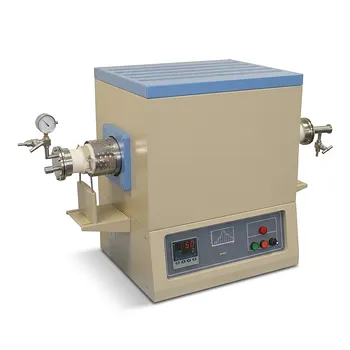
1700C High Temperature Alumina Tube Furnace with 18 Inch Heated Zone and Vacuum Sealing Flanges
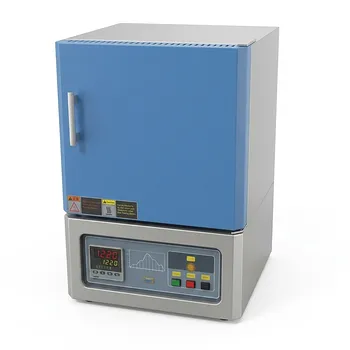
High Temperature Benchtop Muffle Furnace 1700C 10L Chamber Alumina Fiber Insulation MoSi2 Heating Elements

1800C High Temperature Compact Vacuum Tube Furnace with 60mm OD Alumina Tube and Kanthal MoSi2 Heating Elements
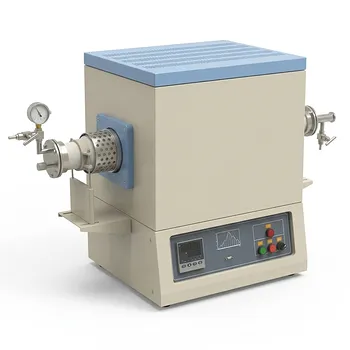
1750°C High Temperature Benchtop Vacuum Atmosphere Tube Furnace with Kanthal Super 1800 Heating Elements and 60mm Alumina Processing Tube
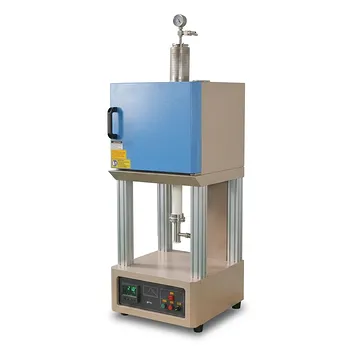
Hybrid High Temperature Tube and Box Furnace 1700C with 2 Inch Alumina Tube for Material Research
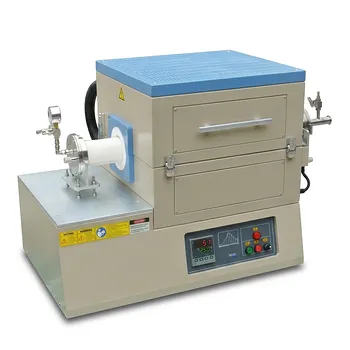
High Temperature 1700C Split Tube Furnace with Vacuum Flanges Valves and 60mm Alumina Tube
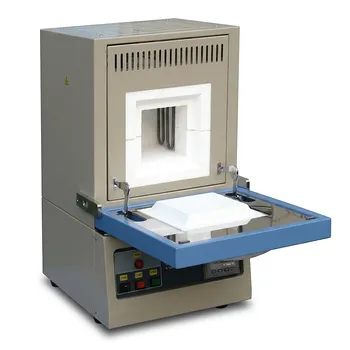
High Temperature 1800C Compact Muffle Furnace with Kanthal Super 1900 Heating Elements and 1.7L Alumina Chamber
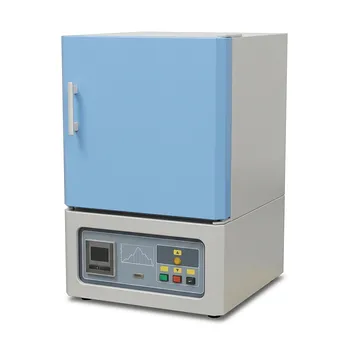
1800C Bench Top Muffle Furnace with Kanthal Super 1900 Heating Elements and 3.6L Alumina Fiber Chamber