What are the technical advantages of a liftable heating furnace design in SCWG? Optimize Kinetic Control & Product Purity
Updated 3 months ago
The liftable heating furnace design is a specialized mechanical solution engineered to overcome the thermal inertia inherent in supercritical water gasification (SCWG) experiments. By physically separating the heat source from the pressure vessel, this design enables nearly instantaneous transitions between heating and cooling phases, providing researchers with unprecedented control over reaction kinetics.
A liftable heating furnace enables high-precision experimental control by decoupling the thermal mass of the furnace from the reactor. This allows for rapid startup and quenching, which is critical for defining exact residence times and preventing secondary chemical degradations.
Enhancing Kinetic Control Through Thermal Agility
Rapid Startup and Temperature Ramp-up
Traditional fixed furnaces suffer from significant lag times because the reactor must heat up alongside the furnace's internal insulation. A liftable design allows the furnace to be pre-heated to the target temperature before it is lowered to enclose the high-pressure autoclave.
This mechanism ensures that the reactor reaches supercritical conditions much faster than stationary systems. By minimizing the time spent in sub-critical temperature zones, researchers can better isolate the effects of the target reaction temperature.
High-Speed Quenching Capabilities
The most critical advantage occurs at the end of the reaction period, where the furnace body is mechanically retracted from the reactor. This immediately removes the primary heat source and exposes the autoclave to the surrounding environment.
Once the furnace is moved, water cooling can be applied directly to the pressure vessel. This achieves exceptionally high cooling rates that are impossible to reach when a reactor is trapped inside a hot, insulated furnace shell.
Impact on Chemical Precision and Data Integrity
Defining Precise Residence Time
In SCWG, the residence time—the duration the feedstock spends at specific temperature and pressure—is the most vital variable for determining gasification efficiency. If heating and cooling are slow, the "true" reaction time becomes blurred by the transitions.
The liftable design allows for a "square-wave" temperature profile, where the reactor stays at the target temperature for a clearly defined window. This precision is essential for developing accurate kinetic models and ensuring experimental repeatability.
Suppression of Unwanted Side Reactions
Slow cooling phases often lead to secondary chemical processes, such as the formation of char or heavy tars, which occur at sub-optimal temperatures. These side reactions can contaminate the gas products and skew the final data.
Rapidly quenching the reaction "freezes" the chemical composition at the exact moment the furnace is removed. This effectively suppresses parasitic reactions, ensuring that the analyzed products accurately represent the supercritical phase results.
Understanding the Trade-offs
Mechanical Complexity and Alignment
The introduction of a lifting mechanism adds mechanical moving parts that must operate reliably under high-temperature conditions. Precision alignment is required to ensure the furnace encloses the autoclave perfectly every time without damaging high-pressure fittings.
Thermal Stress on Materials
Subjecting a high-pressure autoclave to rapid cooling via water quenching induces significant thermal shock. Over time, these extreme temperature cycles can accelerate material fatigue in the reactor alloys, requiring more frequent safety inspections and component replacements.
How to Apply This to Your Project
When integrating a liftable furnace into your experimental setup, your primary research goal should dictate the operational parameters:
- If your primary focus is Kinetic Modeling: Prioritize the liftable design to ensure that residence time calculations are not compromised by slow ramp-up or cool-down periods.
- If your primary focus is Product Purity: Utilize the rapid retraction and water-cooling feature to halt secondary reactions and prevent the formation of unwanted char and tar.
- If your primary focus is Long-term Hardware Durability: Implement a controlled cooling rate rather than immediate water quenching to balance the need for data precision with the mechanical lifespan of the autoclave.
Implementing a liftable furnace transforms the reactor from a passive thermal vessel into a dynamic instrument capable of high-fidelity chemical analysis.
Summary Table:
| Advantage | Research Impact | Key Mechanism |
|---|---|---|
| Rapid Startup | Minimizes sub-critical transit time | Pre-heated furnace lifting system |
| High-Speed Quenching | Suppresses secondary reactions (char/tar) | Mechanical retraction & water cooling |
| Kinetic Precision | Ensures accurate residence time data | Square-wave temperature profile |
| Thermal Agility | Decouples thermal mass from the reactor | Physical separation of heat source |
Precision Thermal Solutions for Advanced R&D
THERMUNITS is a leading manufacturer of high-temperature laboratory equipment dedicated to supporting material science and industrial R&D. We offer a comprehensive range of thermal processing solutions tailored for high-fidelity research, including Muffle, Vacuum, Atmosphere, Tube, Rotary, and Hot Press furnaces, as well as CVD/PECVD systems, Dental Furnaces, electric rotary kilns, and Vacuum Induction Melting (VIM) furnaces.
Whether you are conducting supercritical water gasification experiments or developing new materials, our equipment provides the precise temperature control and reliability you need. Benefit from our expertise in laboratory heat treatment and specialized thermal elements.
Contact THERMUNITS today to optimize your research setup
References
- Panpan Sun, Zening Cheng. Experimental Investigation of the Effects of Inorganic Components on the Supercritical Water Gasification of Semi-Coke. DOI: 10.3390/en17051193
Mentioned Products
- 1200 C Maximum Three Sided Heating Top Loading Furnace with 12 x 12 x 8 Inch Chamber for Solid Oxide Fuel Cell Testing and High Temperature RD
- High Temperature Vertical Crucible Furnace with 22L Heating Chamber and 1200C Maximum Temperature
- 1200C Five Side Heating Muffle Furnace with Sliding Door 125L Volume High Temperature Heat Treatment System for Large Scale Sintering and Annealing
- Gas Pre-Heating Tube Furnace for High Temperature Pyrolysis Reactors and Material Science Research
- High Temperature Tube Furnace 1500C with Sliding Flanges and 50mm OD for Rapid Thermal Processing Fast Heating and Cooling
People Also Ask
- What function does argon serve in MOF melt-quenching? Prevent oxidation and ensure chemical integrity.
- What is the objective of a 100-hour thermal exposure test at 1000 °C on IN625/TiC? Evaluate Microstructural Stability
- How do high-precision gas flow meters contribute to the precise oxidation of Hollow Carbon Nanospheres (HCNS)? - Key Facts
- What are the advantages of using a Bottom-Loading High-Temperature Furnace in Barium Titanate Fast Firing? Superior Microstructure
- What is the function of a laboratory box furnace for SA508 steel? Master Tempering & Re-Austenitization

Tech Team · ThermUnits
Last updated on Jun 03, 2026
Related Products
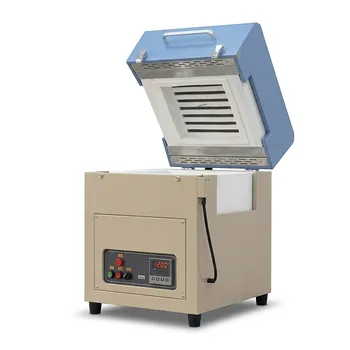
1200 C Maximum Three Sided Heating Top Loading Furnace with 12 x 12 x 8 Inch Chamber for Solid Oxide Fuel Cell Testing and High Temperature RD
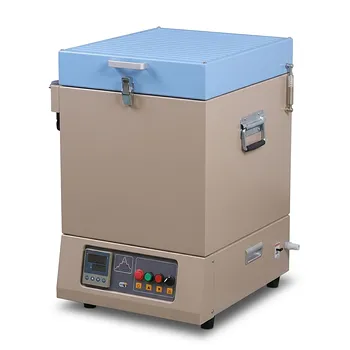
High Temperature Vertical Crucible Furnace with 22L Heating Chamber and 1200C Maximum Temperature
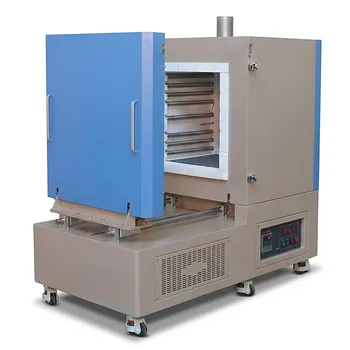
1200C Five Side Heating Muffle Furnace with Sliding Door 125L Volume High Temperature Heat Treatment System for Large Scale Sintering and Annealing
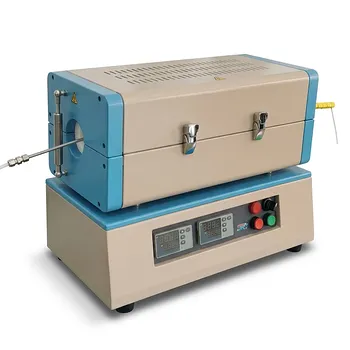
Gas Pre-Heating Tube Furnace for High Temperature Pyrolysis Reactors and Material Science Research

High Temperature Tube Furnace 1500C with Sliding Flanges and 50mm OD for Rapid Thermal Processing Fast Heating and Cooling
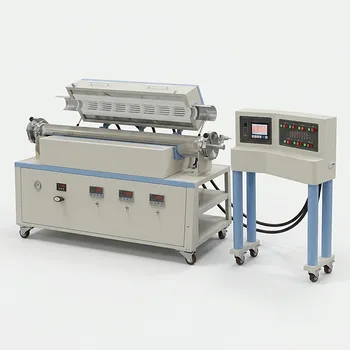
1100C Eight Zone High Pressure Super Alloy Tube Furnace with Integrated High Pressure Gas Control System
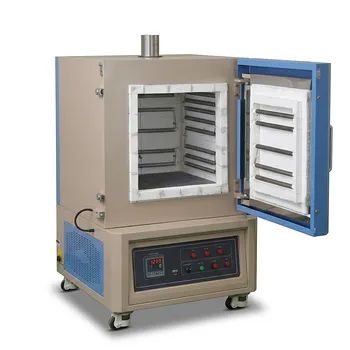
1200C High Temperature 125L Muffle Furnace 5 Side Heating for Large Batch Sintering with Optional Alloy Debinding Chamber
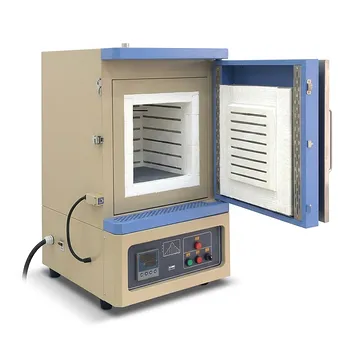
Five Side Heating Muffle Furnace High Purity Alumina Fiber 27L Chamber 1200C High Temperature Thermal Processing System for Sintering Annealing and Materials Research
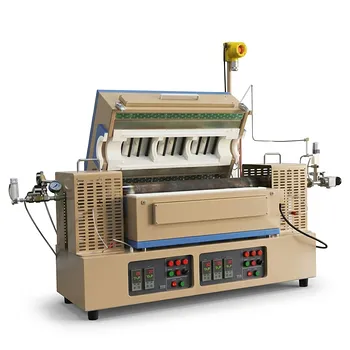
Three Zone Hydrogen Gas Tube Furnace with 82mm Superalloy Tube and Dual Hydrogen Detectors 1200C High Temperature Material Processing System
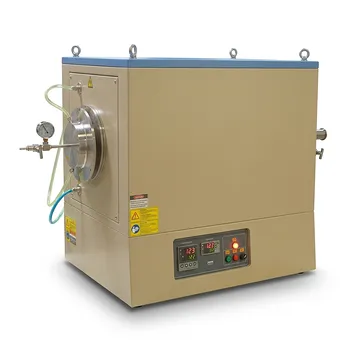
1100°C Large Diameter Quartz Tube Furnace with 24 Inch Heating Zone and Water Cooled Flanges
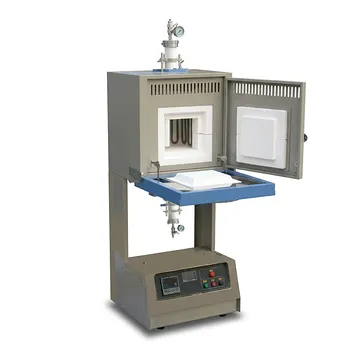
Vertical Hybrid High Temperature Furnace 1500C Alumina Tube SOFC Fuel Cell Testing Laboratory Heat Treatment Research Equipment

High Temperature 1700C Tube Furnace with High Vacuum Turbomolecular Pump System and Multi Channel Mass Flow Controller Gas Mixer
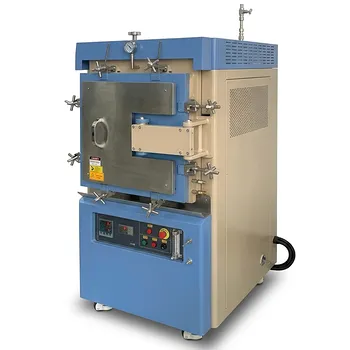
Atmosphere Controlled Muffle Furnace 1700C Maximum Temperature 80L High Capacity Vacuum Inert Gas Box Furnace
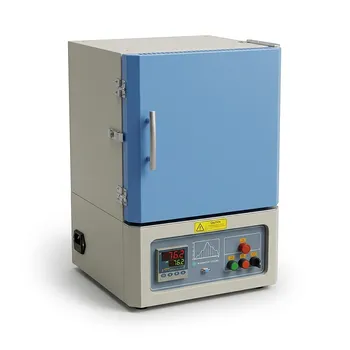
1750C Bench Top Muffle Furnace 3.6L High Grade Molybdenum Disilicide Heating Elements Laboratory Heat Treatment Equipment
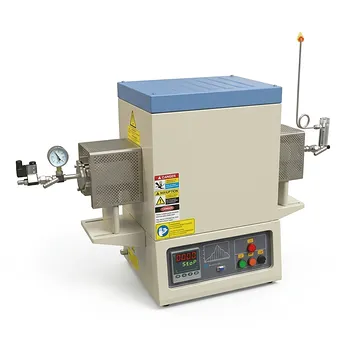
1700C Hydrogen Gas Tube Furnace with 60mm Alumina Process Tube and Integrated Hydrogen Safety Detector

High Temperature 1700C Benchtop Tube Furnace with 5 Inch Heating Zone High Purity Alumina Tube and Vacuum Sealing Flanges
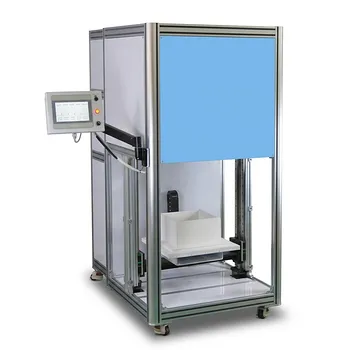
High Temperature 1600°C Three Zone Heated Bottom Loading Box Furnace with Rapid Thermal Processing Chamber 72L Volume
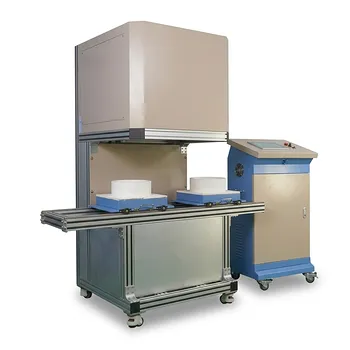
High Temperature Bottom Loading Vertical Furnace 1700C Dual Stage Sample Processing System 18L Large Capacity Thermal Treatment Equipment
Bottom Loaded Inert Gas Atmosphere Box Furnace 1700C 1300C 216L Large Capacity Industrial Thermal Processing System